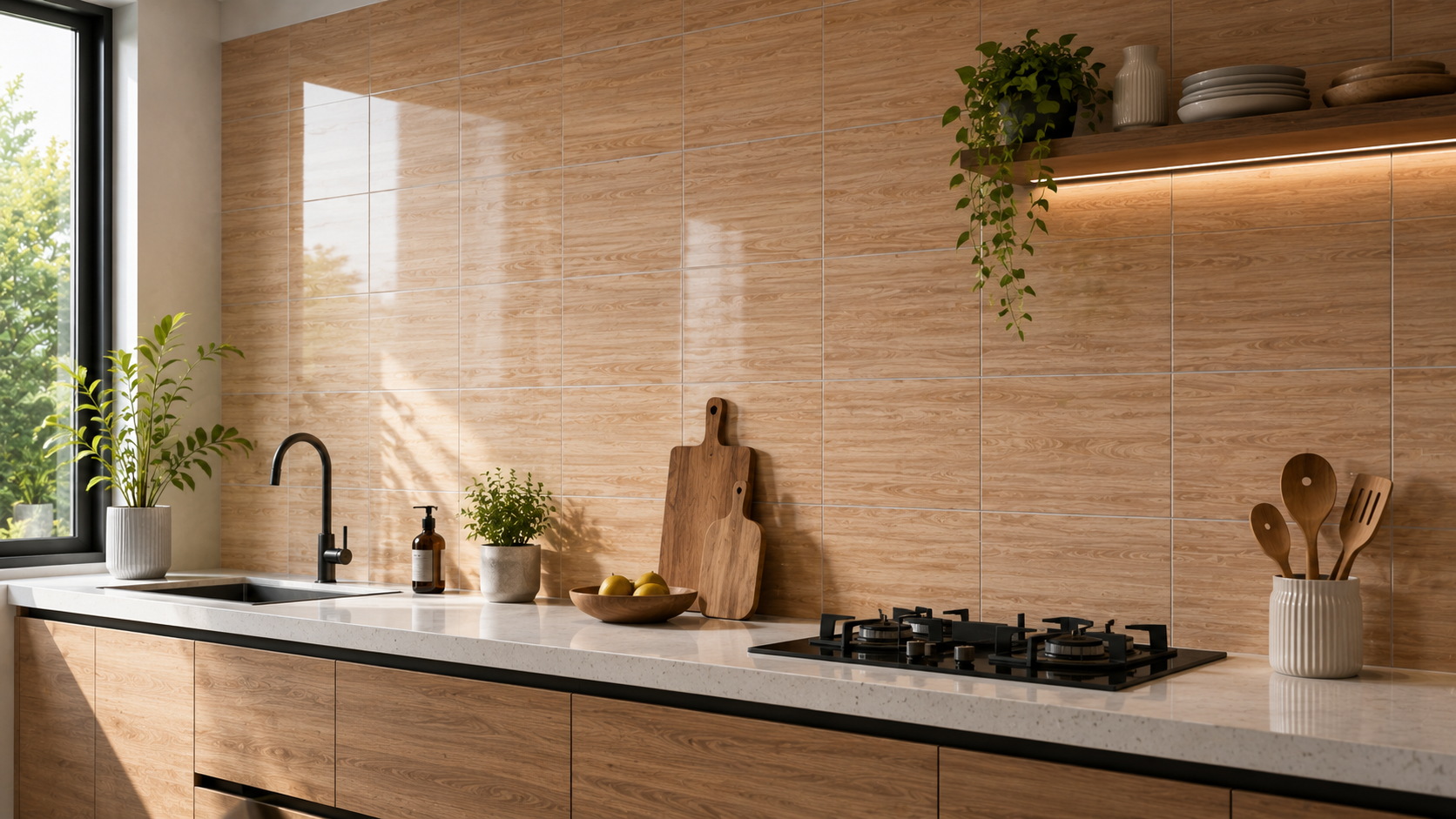


Courtyards have been an integral part of Indian architecture for centuries, serving as functional spaces that regulate temperature, provide natural light, and create a connection between indoor and outdoor living. The courtyard—or baithak—has evolved from a practical necessity in traditional Indian homes to a design statement in modern residences. One of the most effective ways to enhance the beauty and functionality of a courtyard is through thoughtful plant selection.
Whether you're designing a new courtyard or revitalizing an existing one, choosing the right plants can transform the space into a serene retreat. This guide explores 11 of the most beautiful plants suited to Indian homes with courtyards, considering factors like climate adaptability, maintenance requirements, and aesthetic appeal.
Why Courtyards Matter in Indian Architecture
Before diving into specific plants, it's important to understand why courtyards remain relevant in contemporary Indian home design. Courtyards provide natural ventilation, reduce reliance on artificial cooling, and create private outdoor spaces—particularly valuable in urban settings across cities like Mumbai, Delhi, Bangalore, and Chennai.
When designing or renovating a courtyard, consulting with experienced architects who specialize in biophilic design can ensure your plant selection complements the overall structure. Platforms like AECORD connect homeowners with landscape architects and interior designers who understand the nuances of courtyard gardening in various Indian climates.
Build cost · Bengaluru, May 2026
1. Bougainvillea - The Vibrant Showstopper
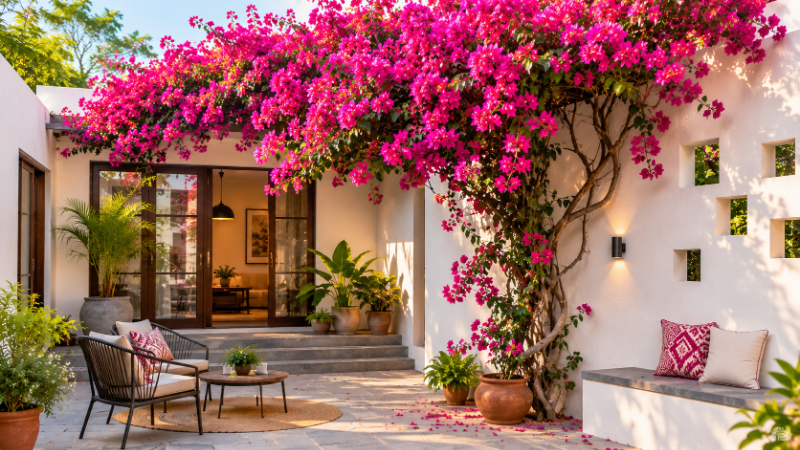
Botanical Name: Bougainvillea glabra
Bougainvillea is perhaps the most iconic flowering plant in Indian gardens. Its papery, colorful bracts come in shades of pink, purple, red, orange, and white, creating an explosion of color in any courtyard. The plant thrives in full sunlight and well-drained soil, making it perfect for open courtyards in cities like Delhi and Jaipur where temperatures soar.
Care Requirements:
Sunlight: 6-8 hours of direct sunlight daily
Water: Drought-tolerant once established; water sparingly during monsoons
Soil: Well-draining, sandy soil preferred
Cost: ₹150-500 per plant
Bougainvillea can be trained as a climbing vine, shrub, or even a small tree, offering design flexibility. Its thorny nature also provides privacy screening, a dual benefit for courtyard spaces.
2. Jasmine - The Fragrant Elegance
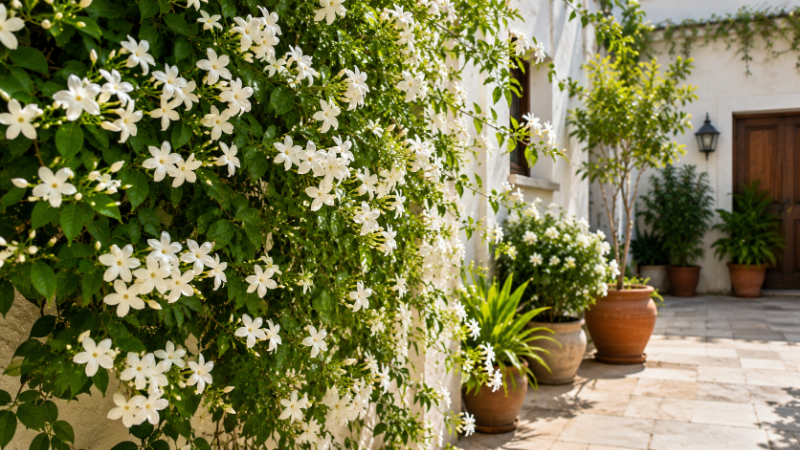
Botanical Name: Jasminum sambac (Arabian Jasmine)
Jasmine flowers are synonymous with Indian gardens and culture. These delicate, star-shaped white flowers emit an intoxicating fragrance, particularly in the evening. Arabian jasmine is the national flower of the Philippines and holds cultural significance across India.
Care Requirements:
Sunlight: Partial shade to full sun (4-6 hours minimum)
Water: Regular watering; prefers moist but not waterlogged soil
Soil: Well-draining loamy soil
Cost: ₹100-300 per plant
Jasmine works beautifully on trellises and walls, perfect for vertical gardening in compact courtyards. The flowers bloom year-round in warmer Indian climates, with peak blooming during spring and summer.
3. Plumbago - The Sky-Blue Beauty
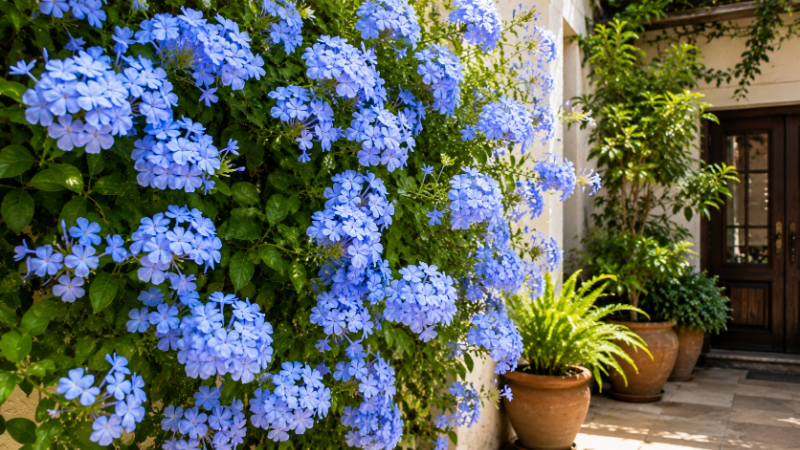
Botanical Name: Plumbago auriculata
Plumbago produces clusters of soft, sky-blue flowers that add a serene quality to any courtyard. This semi-evergreen shrub is heat and drought-tolerant, making it ideal for courtyards in arid regions like Rajasthan and Gujarat.
Care Requirements:
Sunlight: Full sun to partial shade
Water: Moderate; drought-tolerant once established
Soil: Well-draining soil; tolerates poor soil conditions
Cost: ₹200-400 per plant
Plumbago can reach 6-10 feet in height and width, providing substantial visual impact. It attracts butterflies and birds, enhancing the courtyard's ecological value and creating a dynamic, living space.
Frequently asked
4. Frangipani - The Tropical Treasure
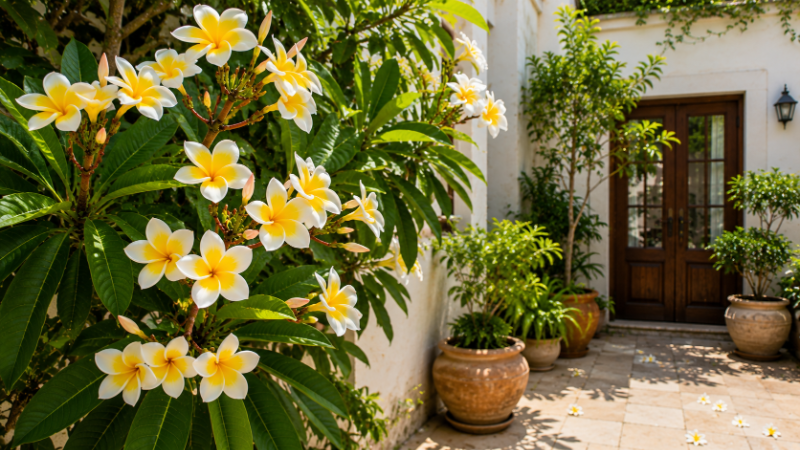
Botanical Name: Plumeria alba
Frangipani is a deciduous tree that produces clusters of highly fragrant flowers in shades of white, pink, yellow, and red. In Indian courtyards, frangipani serves as both an aesthetic and spiritual element, often planted near temples and meditation spaces.
Care Requirements:
Sunlight: Full sun (6-8 hours daily)
Water: Low water requirements; water during growing season
Soil: Well-draining, slightly acidic soil
Cost: ₹300-800 per plant
Frangipani trees typically grow 15-25 feet tall, making them suitable for larger courtyards or as a focal point. The flowers bloom from March to October, with the tree losing leaves during winter—a natural rhythm that adds seasonal variation to courtyard design.
5. Hibiscus - The Colorful Classic
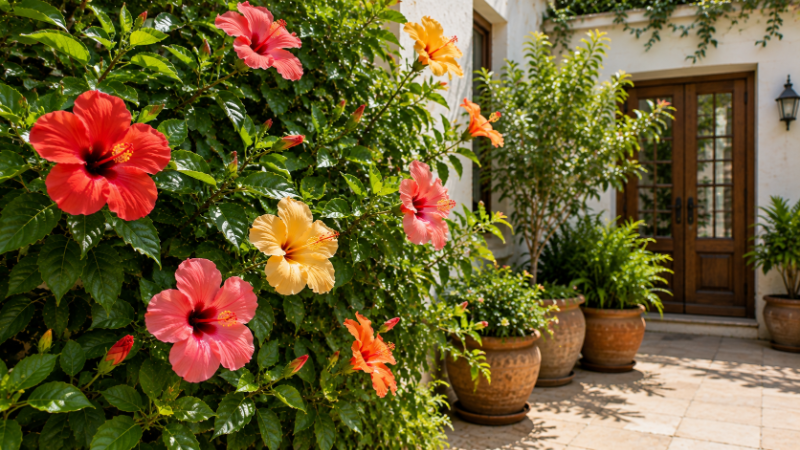
Botanical Name: Hibiscus rosa-sinensis
Hibiscus flowers are large, showy blooms available in red, pink, yellow, orange, and white. These tropical flowers symbolize beauty and are culturally significant across India. A well-maintained hibiscus plant produces flowers almost year-round in warm climates.
Care Requirements:
Sunlight: Full sun (minimum 6 hours daily)
Water: Regular watering; keep soil consistently moist
Soil: Well-draining, fertile soil
Cost: ₹150-400 per plant
Hibiscus can be pruned to maintain a compact shape, ideal for medium-sized courtyards. Regular pruning encourages bushier growth and more prolific flowering. The plant is also relatively pest-resistant when grown in optimal conditions.
6. Bougainvillea - The Vertical Wonder
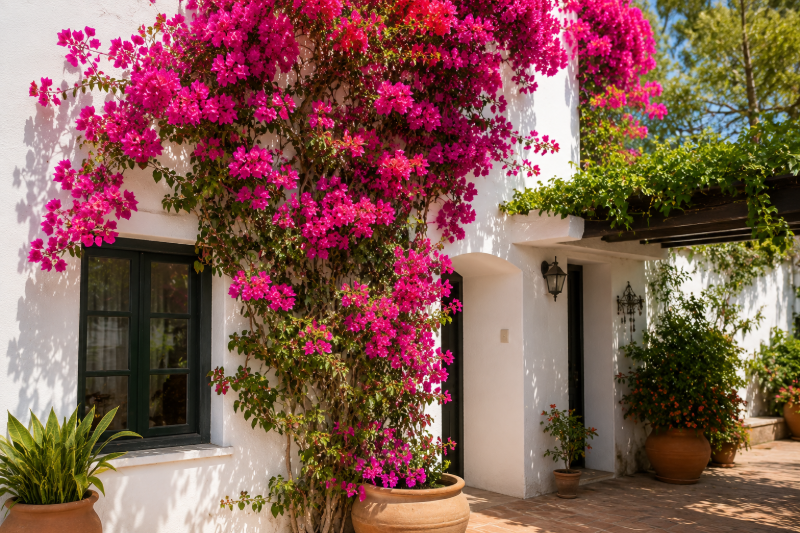
While mentioned earlier, it's worth noting that climbing varieties of bougainvillea create dramatic vertical interest. These can cover pergolas, walls, and trellises, providing shade while maintaining the courtyard's open-air feel. This dual functionality makes climbing bougainvillea invaluable for space-conscious urban courtyards in Bangalore and Hyderabad.
7. Money Plant - The Versatile Green
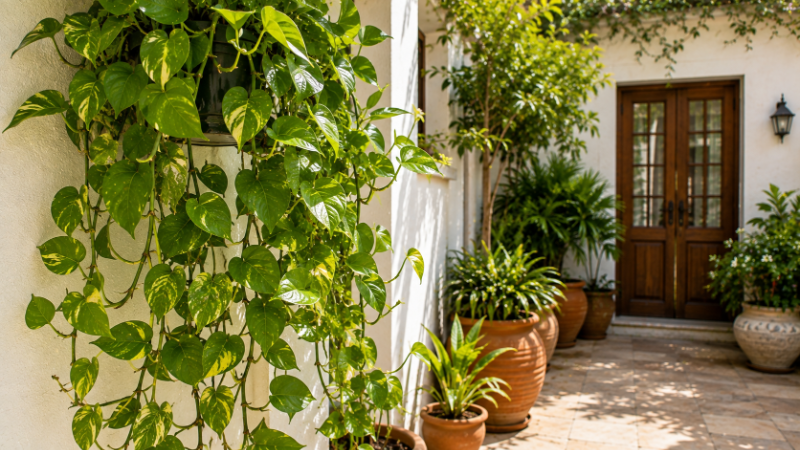
Botanical Name: Epipremnum aureum
Money plant is perhaps the most adaptable houseplant for Indian courtyards. Its heart-shaped leaves and climbing nature make it perfect for creating green walls and adding texture to courtyard spaces. The plant is also believed to bring good fortune in Indian culture.
Care Requirements:
Sunlight: Indirect light; tolerates low light
Water: Water when soil surface is dry
Soil: Well-draining potting mix
Cost: ₹50-150 per plant
Money plant requires minimal maintenance, making it ideal for busy homeowners. It grows rapidly and can be trained along strings, walls, or allowed to cascade from hanging baskets, providing design flexibility.
8. Crossandra - The Golden Wonder
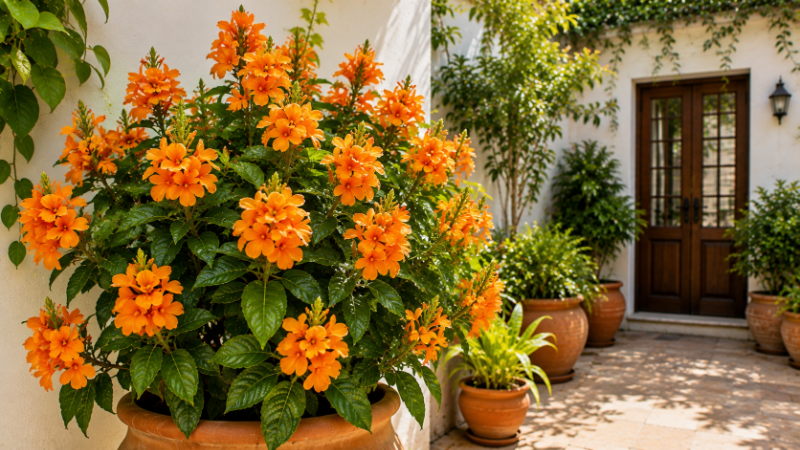
Botanical Name: Crossandra infundibuliformis
Crossandra produces delicate, apricot-colored flowers on compact plants, typically reaching 2-3 feet in height. This plant thrives in warm, humid conditions, making it perfect for coastal cities like Mumbai and Kerala.
Care Requirements:
Sunlight: Bright indirect light; some direct morning sun
Water: Regular watering; prefers consistently moist soil
Soil: Well-draining, fertile soil with organic matter
Cost: ₹100-250 per plant
Crossandra flowers bloom year-round in tropical climates, providing continuous color. The plant is also relatively compact, making it suitable for small courtyards or container gardening.
9. Lantana - The Butterfly Magnet
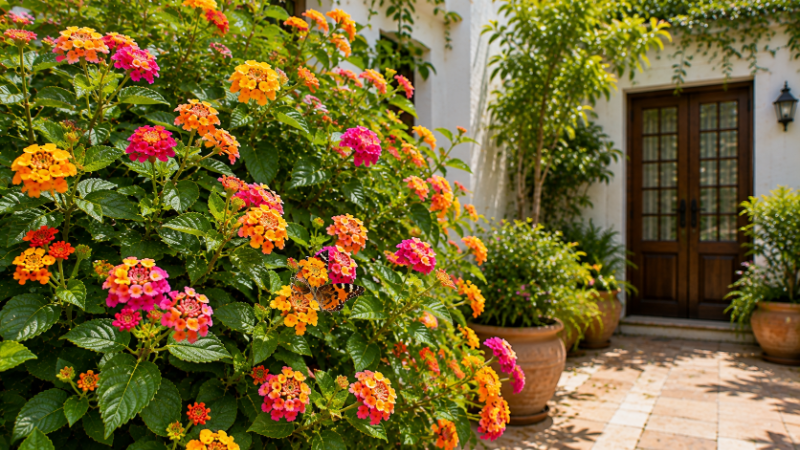
Botanical Name: Lantana camara
Lantana produces clusters of small, colorful flowers that change hue as they mature, creating a multi-colored effect. The plant is extremely hardy and thrives in full sun, making it ideal for Indian courtyards with intense sunlight exposure.
Care Requirements:
Sunlight: Full sun (6-8 hours daily)
Water: Low water requirements once established
Soil: Well-draining soil; tolerates poor soil
Cost: ₹100-300 per plant
Lantana attracts butterflies and birds, making it excellent for creating a biodiverse courtyard ecosystem. The plant can become invasive if not managed, so regular pruning is recommended. It's particularly popular in gardens across South India.
10. Anthurium - The Modern Minimalist
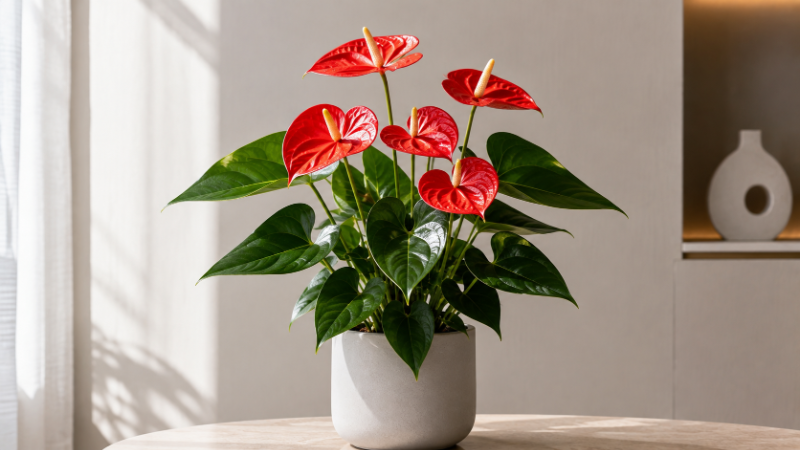
Botanical Name: Anthurium andraeanum
Anthurium, or flamingo flower, features waxy, heart-shaped spathes in red, pink, white, or coral. These plants add a contemporary, almost sculptural quality to courtyard design, complementing modern architectural styles.
Care Requirements:
Sunlight: Bright indirect light
Water: Keep soil consistently moist; avoid waterlogging
Soil: Well-draining, airy soil with peat and orchid bark
Cost: ₹200-600 per plant
Anthurium flowers last several weeks, providing extended visual interest. These plants work well in shaded courtyards where other flowering plants might struggle, offering design flexibility in challenging light conditions.
11. Ashoka Tree - The Heritage Classic
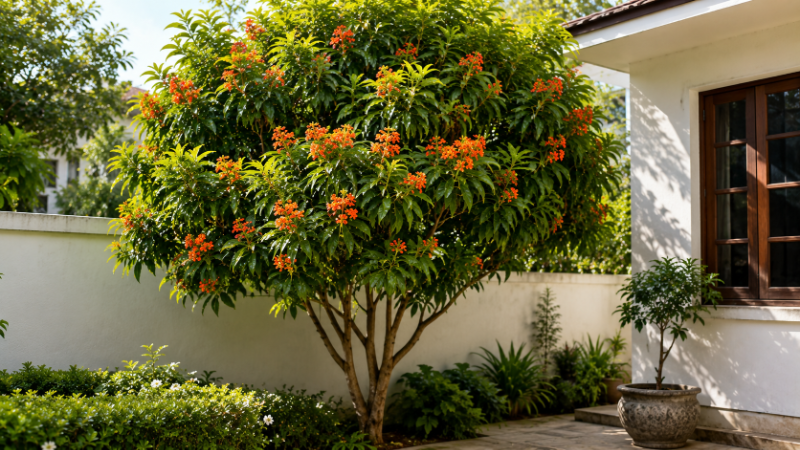
Botanical Name: Saraca indica
The Ashoka tree holds immense cultural and spiritual significance in Indian tradition. Its clusters of orange and yellow flowers bloom in spring, and the tree's dense foliage provides excellent shade and privacy screening in larger courtyards.
Care Requirements:
Sunlight: Full sun to partial shade
Water: Regular watering; prefers moist soil
Soil: Well-draining, fertile soil
Cost: ₹500-1500 per plant (larger specimens)
Ashoka trees typically grow 30-40 feet tall, making them suitable for large courtyards or as a centerpiece in sprawling estates. The tree is also relatively low-maintenance once established and can live for decades, becoming a heritage element of your property.
Designing Your Courtyard Garden: Practical Considerations
Climate Zones Across India
India's diverse climate zones require different plant selections. Coastal regions like Kerala and Goa support tropical plants like frangipani and crossandra. Arid zones like Rajasthan and Gujarat favor drought-tolerant species like bougainvillea and lantana. Temperate regions like Himachal Pradesh support a different range of plants altogether.
Space Planning
Before selecting plants, assess your courtyard's dimensions and layout. Larger courtyards (500+ sq. ft.) can accommodate trees like frangipani and Ashoka. Smaller courtyards (100-300 sq. ft.) benefit from compact, vertical plants like climbing jasmine and money plant.
Soil Preparation
Indian courtyard soils vary significantly by region. In cities like Delhi, soil tends to be alkaline; in Kerala, it's acidic. Conduct a soil test before planting and amend accordingly. Most flowering plants prefer well-draining, organic-rich soil with a pH between 6.0-7.5.
Water Management
Courtyard gardens require efficient water management, particularly in water-scarce regions. Install drip irrigation systems and use mulch to retain moisture. During monsoon season, ensure proper drainage to prevent waterlogging.
Maintenance Schedules
Establish a seasonal maintenance routine: pruning in winter, fertilizing in spring, pest management during monsoons, and reduced watering in summer (for drought-tolerant species). Regular maintenance ensures year-round beauty and plant health.
Professional Design Assistance
Creating a cohesive courtyard garden requires understanding plant combinations, color palettes, and spatial relationships. Landscape architects and garden designers specializing in Indian courtyards can elevate your space from a collection of plants to an integrated design statement.
AECORD connects homeowners with experienced landscape professionals across India who understand regional climate variations, traditional design principles, and modern aesthetics. Whether you're in Mumbai, Delhi, Bangalore, or any other Indian city, you can find specialists who tailor courtyard designs to your specific requirements and budget.
When hiring professionals, discuss:
Your courtyard's sun exposure and microclimate
Maintenance capacity and preferences
Budget allocation for plants and infrastructure
Long-term vision for the space
Integration with existing architectural elements
Seasonal Planting Calendar for Indian Courtyards
Spring (March-May): Plant bougainvillea, plumbago, and lantana. Fertilize existing plants for summer blooming.
Monsoon (June-September): Reduce watering for drought-tolerant species. Focus on pest management and ensure drainage. Ideal for planting shade-loving plants like money plant and anthurium.
Autumn (October-November): Prune summer-flowering plants. Plant jasmine and crossandra. Prepare soil for winter planting.
Winter (December-February): Minimal watering required for most plants. Focus on structural pruning and planning spring plantings.
Budget Considerations for Courtyard Gardening
A well-designed courtyard garden doesn't require excessive spending. Here's a realistic budget breakdown for a 300 sq. ft. courtyard:
Plants (12-15 plants): ₹2,000-5,000
Soil and amendments: ₹1,500-3,000
Hardscape elements (pots, trellises): ₹3,000-8,000
Irrigation system: ₹2,000-5,000
Professional design consultation: ₹5,000-15,000
Total estimated investment: ₹13,500-36,000, depending on complexity and material choices.
Conclusion
The plants featured in this guide represent some of the most beautiful and practical options for Indian courtyards. Each brings unique aesthetic qualities, cultural significance, and functional benefits to outdoor spaces. The key to a successful courtyard garden lies in selecting plants suited to your specific climate, committing to regular maintenance, and creating a cohesive design that complements your home's architecture.
Whether you're drawn to the vibrant colors of bougainvillea, the fragrant elegance of jasmine, or the spiritual significance of the Ashoka tree, thoughtful plant selection transforms courtyards into personal sanctuaries—spaces that connect us to nature while enhancing our homes' beauty and functionality.
Ready to bring your courtyard vision to life? AECORD makes it easy to connect with landscape designers, architects, and garden specialists across India who can help you create a stunning courtyard garden tailored to your home, climate, and preferences. Explore our platform today to find the perfect professional for your project.
Frequently Asked Questions
What are the best plants for Indian courtyards?
The best plants for Indian courtyards include Bougainvillea, Jasmine, Plumbago, and other species that are adapted to local climates. Selection should consider factors like sunlight exposure, water requirements, soil type, and your region's temperature and humidity levels to ensure thriving growth.
How do courtyards help regulate temperature in Indian homes?
Courtyards provide natural ventilation and reduce reliance on artificial cooling by allowing air circulation and creating shaded spaces. They also regulate temperature through strategic plant placement and the natural cooling effect of vegetation, making them particularly valuable in hot Indian climates.
Which plants are drought-tolerant for Indian courtyards?
Bougainvillea and Plumbago are excellent drought-tolerant options for Indian courtyards, especially in arid regions. Both plants require minimal watering once established and thrive in full sun with well-draining soil, making them ideal for low-maintenance courtyard designs.
Can I grow jasmine in a small courtyard space?
Yes, jasmine is perfect for small courtyards as it grows well on trellises and walls, enabling vertical gardening. It requires partial shade to full sun (4-6 hours minimum) and blooms year-round in warmer Indian climates, making it an excellent space-efficient choice.
How should I design a courtyard with plants in Indian homes?
Consult with architects specializing in biophilic design to ensure plant selection complements your home's structure and climate. Consider factors like natural light patterns, ventilation needs, soil conditions, and your region's temperature to create a functional and aesthetically pleasing courtyard space.