

Understanding 10mm Bison Plank Cement Bonded Particle Board: A Complete Guide for Indian AECO Professionals
In the construction and interior design industry across India, selecting the right building materials can make or break a project's success. One material that has gained significant traction among architects, engineers, and contractors is the 10mm thickness 200mm x 2440mm Bison plank cement bonded particle board with white primer finish. This comprehensive guide will help you understand this material's properties, applications, and why it's becoming a preferred choice for modern construction projects in India.
Build cost · Bengaluru, May 2026
What is Cement Bonded Particle Board?
Cement bonded particle board (CBPB) is an engineered wood product that combines wood particles, cement, and other additives to create a durable, moisture-resistant building material. Unlike traditional plywood or MDF boards that use synthetic adhesives, cement bonded particle boards use Portland cement as the primary binder, making them inherently more fire-resistant and suitable for wet environments.
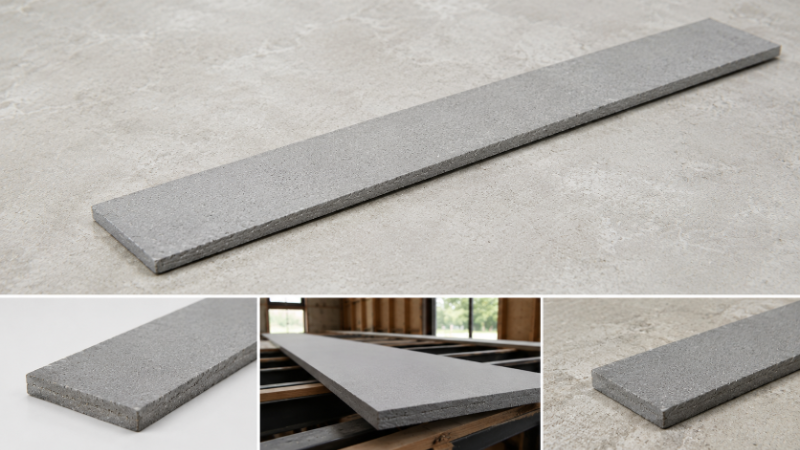
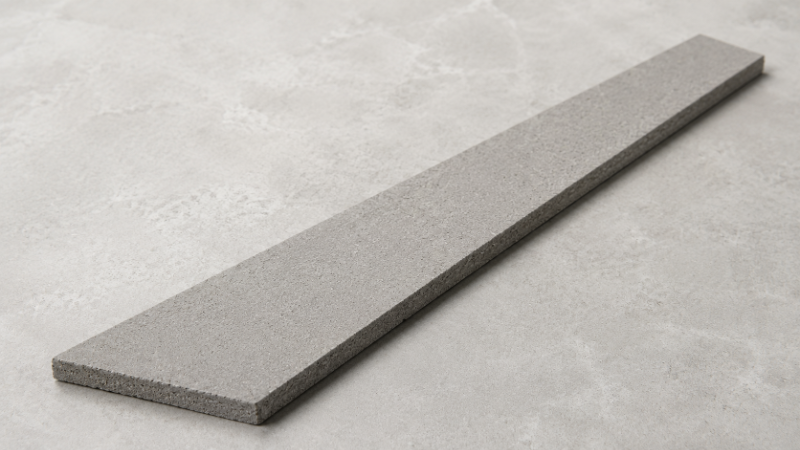
The Bison plank variant specifically refers to a premium range of cement bonded boards manufactured with stringent quality controls. The 10mm thickness with dimensions of 200mm x 2440mm makes it particularly versatile for various applications, while the white primer finish provides an aesthetic advantage and protection against weathering.
Key Composition of Cement Bonded Particle Board
Wood particles: Sourced from sustainable forestry, providing structural integrity
Portland cement: Acts as the primary binding agent, enhancing durability
Water: Facilitates the hydration process that creates the bond
Additives: Include silica fume and other agents that improve performance characteristics
White primer coating: Provides initial protection and aesthetic appeal
Specifications and Technical Properties
Frequently asked
Dimensional Specifications
The 200mm x 2440mm dimension is particularly useful for specific applications in Indian construction. The 200mm width makes it ideal for creating accent walls, partition cladding, or decorative panels without requiring excessive cutting. The 2440mm length (approximately 8 feet) aligns well with standard ceiling heights in Indian residential and commercial spaces, ranging from 10 feet to 12 feet, allowing for efficient material usage with minimal wastage.
At 10mm thickness, this board strikes an excellent balance between weight and structural capability. It's lightweight enough for easy handling and installation but substantial enough to provide adequate rigidity for most applications.
Physical and Mechanical Properties
Density: Typically ranges from 1.1 to 1.3 g/cm³, providing excellent strength-to-weight ratio
Moisture resistance: Superior to conventional particle boards, with water absorption rates significantly lower
Fire resistance: Non-combustible classification, meeting Indian building codes and safety standards
Dimensional stability: Minimal warping or cupping even in high-humidity environments
Compressive strength: Typically 8-12 MPa, suitable for load-bearing applications
Bending strength: Ranges from 6-10 MPa, adequate for wall and ceiling applications
Advantages of 10mm Bison Plank Cement Bonded Particle Board
Durability and Longevity
One of the primary advantages of cement bonded particle board is its exceptional durability. Unlike traditional plywood, which can deteriorate in high-moisture environments, CBPB maintains its structural integrity even when exposed to water. This makes it ideal for Indian climates where monsoon seasons and humidity are significant concerns. Projects in cities like Mumbai, Bangalore, and Kolkata benefit greatly from this moisture resistance.
Fire Safety Compliance
India's National Building Code (NBC) has stringent fire safety requirements, particularly for commercial buildings and multi-story residential structures. Cement bonded particle boards are non-combustible and meet these regulations without requiring additional fire-retardant treatments. This compliance reduces project complexity and ensures safety standards are met from the outset.
Cost-Effectiveness
When calculating the total cost of ownership, cement bonded particle board often proves more economical than alternatives. A 10mm sheet measuring 200mm x 2440mm typically costs between ₹800 to ₹1,200, depending on the supplier and market conditions. This is competitive with premium plywood while offering superior durability, reducing long-term maintenance costs.
Environmental Considerations
The cement bonded particle board manufacturing process utilizes recycled wood particles and cement, making it an environmentally responsible choice. It contains no formaldehyde or harmful VOCs (volatile organic compounds), contributing to better indoor air quality—an increasingly important consideration for modern construction projects in India.
White Primer Finish Benefits
The white primer coating provides several advantages:
Immediate aesthetic appeal without requiring base coats
Enhanced protection against moisture and UV exposure
Better paint adhesion for final finishing coats
Reduced number of finishing layers required, saving time and labor costs
Applications in Indian Construction and Design
Interior Wall Cladding
The 200mm width makes this board excellent for creating feature walls in residential and commercial spaces. The white primer finish provides a clean, modern aesthetic that can be painted in any color or finished with wallpaper. Many architects across metropolitan areas like Delhi, Pune, and Chennai are using this material for accent walls in offices, hotels, and premium residences.
Bathroom and Wet Area Paneling
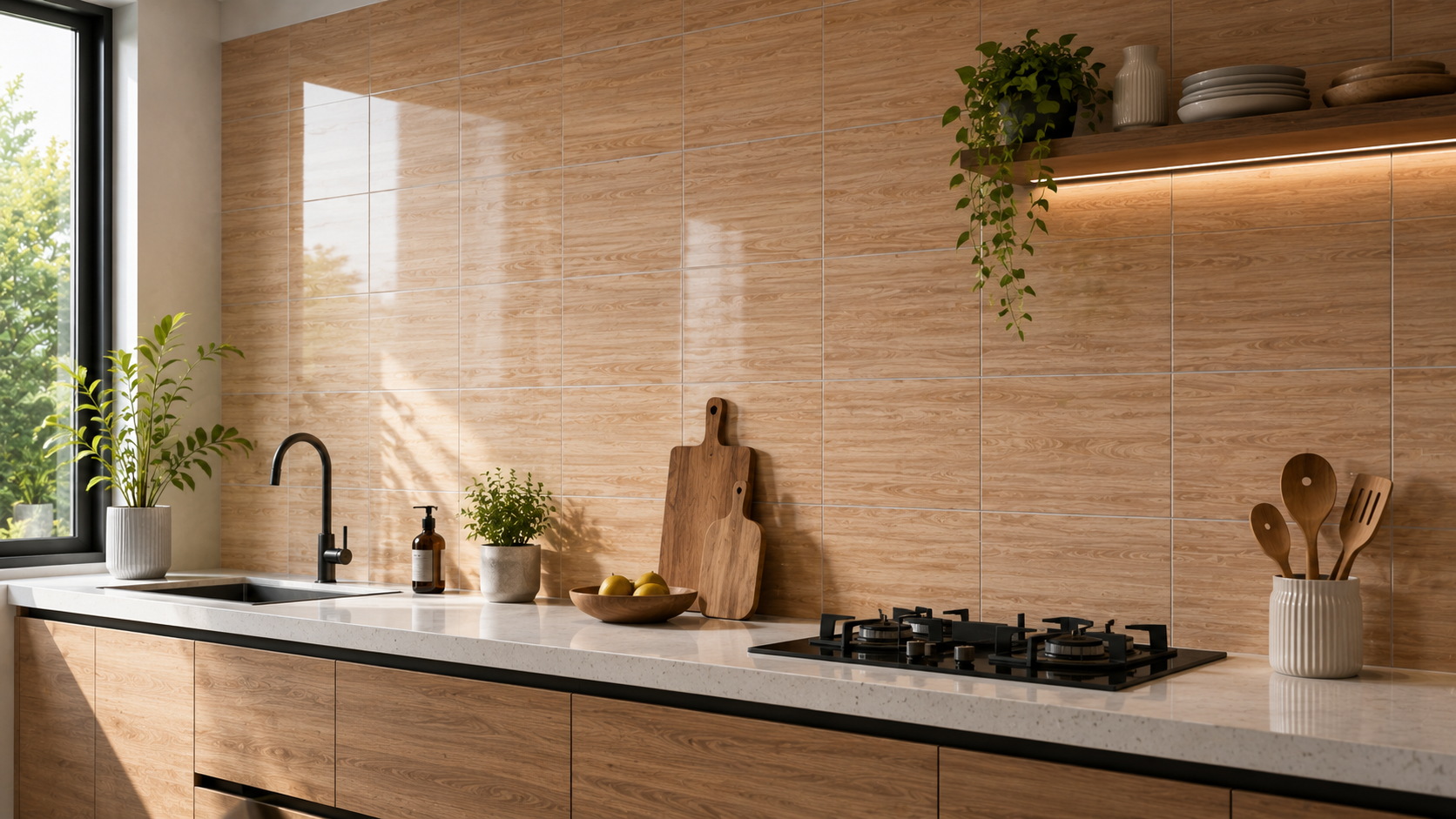
Given its superior moisture resistance, this cement bonded particle board is ideal for bathroom walls, kitchen backsplashes, and areas around water features. Unlike MDF or standard plywood, it won't swell or deteriorate when exposed to splashing water or high humidity. This application is particularly valuable in Indian homes where bathrooms often lack adequate ventilation.
Partition Walls
The 10mm thickness provides sufficient rigidity for creating non-load-bearing partition walls. When properly framed and installed, multiple sheets can be combined to create sturdy, fire-resistant partition systems. This is especially useful in commercial spaces requiring flexible layouts.
Exterior Cladding Systems
In exterior applications, cement bonded particle board can be used as a substrate for cladding systems. The white primer provides initial UV protection, and when combined with appropriate exterior finishes, it creates a durable facade system suitable for Indian climates with intense sun exposure and seasonal rainfall.
Soffit and Fascia Applications
The weather-resistant properties make this material suitable for soffit boards and fascia applications, particularly in regions with high rainfall. The white primer finish also provides aesthetic continuity with architectural details.
Installation and Handling Guidelines
Storage Recommendations
Proper storage is crucial for maintaining material quality. Store sheets in a dry, well-ventilated area, preferably indoors. Avoid direct exposure to rain or excessive moisture. Stack sheets flat with adequate spacing between them to allow air circulation. In India's humid climate, maintaining storage conditions is essential to prevent any moisture-related issues.
Cutting and Fabrication
Cement bonded particle board can be cut using standard woodworking tools. For best results:
Use fine-toothed saw blades to minimize dust and chipping
Wear appropriate personal protective equipment (PPE), including dust masks
Cut in well-ventilated areas to minimize dust inhalation
Use sharp tools to achieve clean, precise cuts
Fastening Methods
This material can be fastened using:
Wood screws (preferred for better holding power)
Corrosion-resistant nails for specific applications
Construction adhesives suitable for cement-based products
Mechanical fasteners spaced at 150-200mm intervals for optimal holding
Finishing Options
The white primer finish provides an excellent base for various finishing options:
Paint: Can be painted with latex or acrylic paints after light sanding
Wallpaper: Suitable for wallpaper application with standard adhesives
Tile: Can serve as a substrate for ceramic or porcelain tiles with appropriate adhesives
Veneer: Can be veneered with wood or decorative laminates
Cost Analysis for Indian Projects
Understanding the cost structure is essential for project budgeting. A single sheet of 10mm x 200mm x 2440mm Bison plank cement bonded particle board typically costs between ₹800 to ₹1,200. For a 100 square foot area requiring this material, you would need approximately 5-6 sheets, bringing the material cost to ₹4,800 to ₹7,200.
When comparing to alternatives:
Premium plywood (12mm): ₹1,200-₹1,500 per sheet
MDF (12mm): ₹700-₹900 per sheet (less durable in wet areas)
Fiber cement boards: ₹1,500-₹2,000 per sheet
The cement bonded particle board offers superior value when considering durability, fire resistance, and moisture performance.
Compliance with Indian Standards and Regulations
Cement bonded particle boards used in India should comply with:
IS 4085:2012: Indian Standard for cement bonded particle boards
National Building Code (NBC): Fire safety and construction requirements
Environmental standards: Low VOC emissions and sustainable sourcing
When sourcing materials, ensure your supplier provides proper certification and testing reports confirming compliance with these standards.
Comparing Bison Plank with Competitors
In the Indian market, several manufacturers offer cement bonded particle boards. Bison plank stands out due to:
Consistent quality and manufacturing standards
White primer finish reducing finishing costs
Availability in standard dimensions suited to Indian construction
Better availability through established distribution networks
Reliable technical support and warranty
Finding Quality Suppliers and Installation Professionals
When undertaking a project using cement bonded particle boards, partnering with experienced professionals is crucial. AECORD, India's leading B2B2C marketplace for AECO professionals, connects you with verified suppliers, contractors, and installation specialists who have experience with cement bonded particle board systems.
On AECORD, you can:
Find verified suppliers of Bison plank and similar products
Connect with experienced installation contractors
Compare quotes from multiple professionals
Access reviews and project portfolios
Ensure compliance with local building codes
Best Practices for Project Success
Planning and Design
Work with architects and designers familiar with cement bonded particle board applications. Proper planning ensures optimal material usage and cost efficiency. Consider the specific requirements of your application—whether it's a wet area, exterior exposure, or interior finishing.
Quality Assurance
Inspect materials upon delivery for any damage or defects. Verify product specifications match your requirements. Request test certificates confirming compliance with Indian standards.
Professional Installation
Engage experienced contractors familiar with cement bonded particle board installation. Proper installation ensures longevity and performance. Improper installation can compromise the material's advantages.
Maintenance Considerations
While cement bonded particle board requires minimal maintenance compared to alternatives, regular cleaning and inspection ensure optimal performance. In wet areas, ensure proper ventilation to prevent moisture accumulation.
Conclusion
The 10mm thickness 200mm x 2440mm Bison plank cement bonded particle board with white primer finish represents a smart choice for Indian construction professionals. Its superior durability, fire resistance, moisture performance, and cost-effectiveness make it suitable for diverse applications from residential interiors to commercial spaces.
Whether you're planning an interior renovation in Bangalore, constructing a commercial space in Mumbai, or working on a residential project in Delhi, this material offers reliable performance backed by Indian standards compliance.
To find the right suppliers and installation professionals for your cement bonded particle board project, visit AECORD today. Our platform connects you with verified AECO professionals who understand the Indian market and can deliver quality results within your budget and timeline. Browse our directory of suppliers, contractors, and specialists to get started on your next project.
Frequently Asked Questions
What is cement bonded particle board and how does it differ from plywood?
Cement bonded particle board (CBPB) is an engineered material that uses Portland cement as the primary binder instead of synthetic adhesives, making it more fire-resistant and moisture-resistant than traditional plywood. This composition allows it to maintain structural integrity in wet environments and meet Indian building safety codes better than conventional wood products.
Is 10mm Bison cement bonded particle board suitable for wet areas?
Yes, 10mm Bison cement bonded particle board is highly suitable for wet areas due to its superior moisture resistance and water absorption rates significantly lower than conventional particle boards. Its non-combustible classification and dimensional stability make it ideal for bathrooms, kitchens, and other moisture-prone environments in Indian construction.
What are the ideal applications for 200x2440mm cement bonded boards?
The 200mm x 2440mm dimensions are particularly useful for accent walls, partition cladding, decorative panels, and applications that align with standard Indian ceiling heights (10-12 feet). The 200mm width minimizes cutting requirements, while the 2440mm length reduces material wastage in typical residential and commercial projects.
Does cement bonded particle board meet Indian building codes?
Yes, 10mm Bison cement bonded particle board meets Indian building codes with its non-combustible fire resistance classification and superior durability properties. Its compressive strength of 8-12 MPa and bending strength of 6-10 MPa make it suitable for load-bearing and structural applications in Indian construction standards.
How does the white primer finish benefit cement bonded boards?
The white primer finish provides initial protection against weathering and environmental exposure while offering aesthetic appeal for visible applications. This coating enhances the board's longevity and reduces the need for additional finishing treatments, making installation more efficient for AECO professionals.