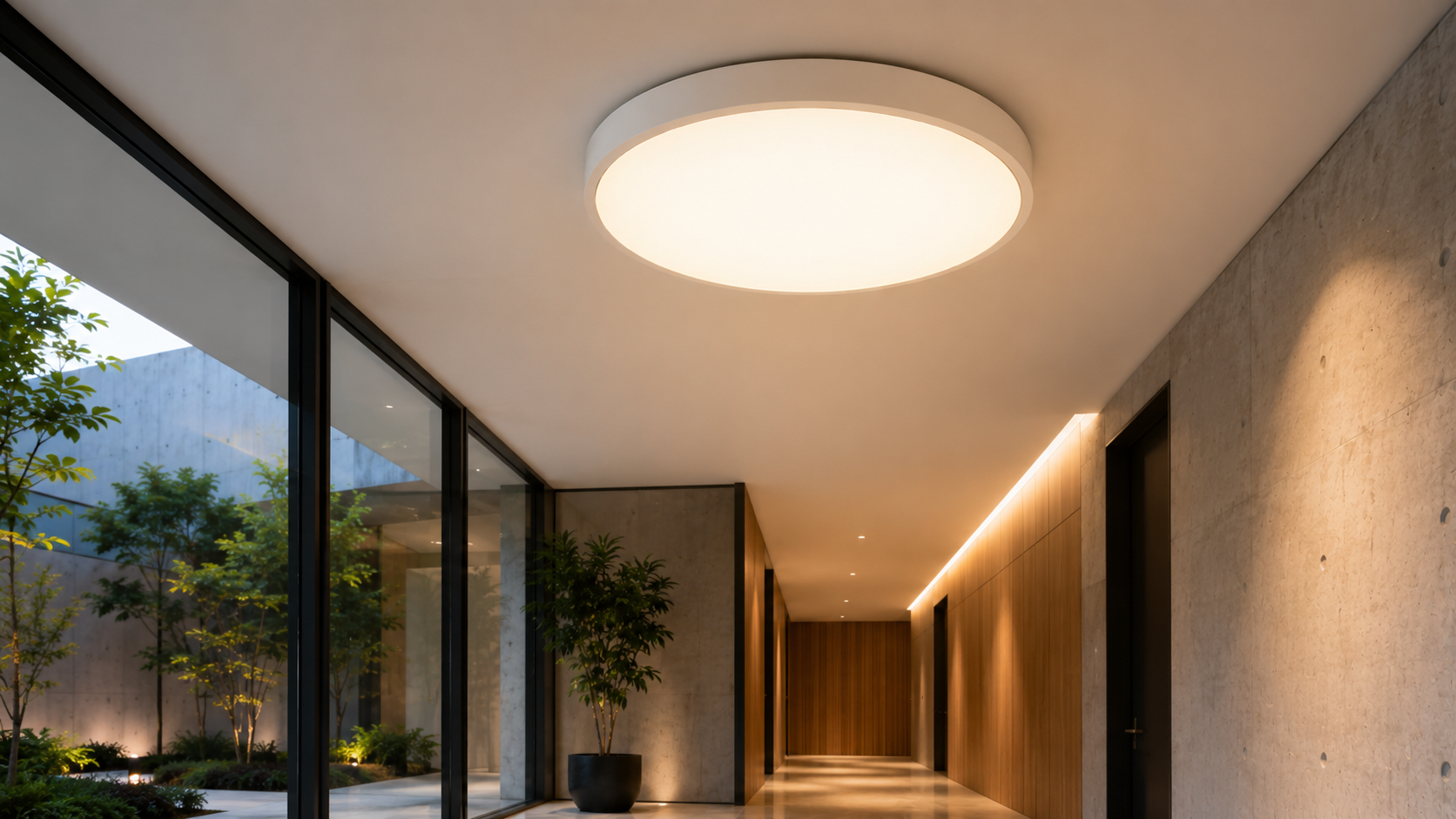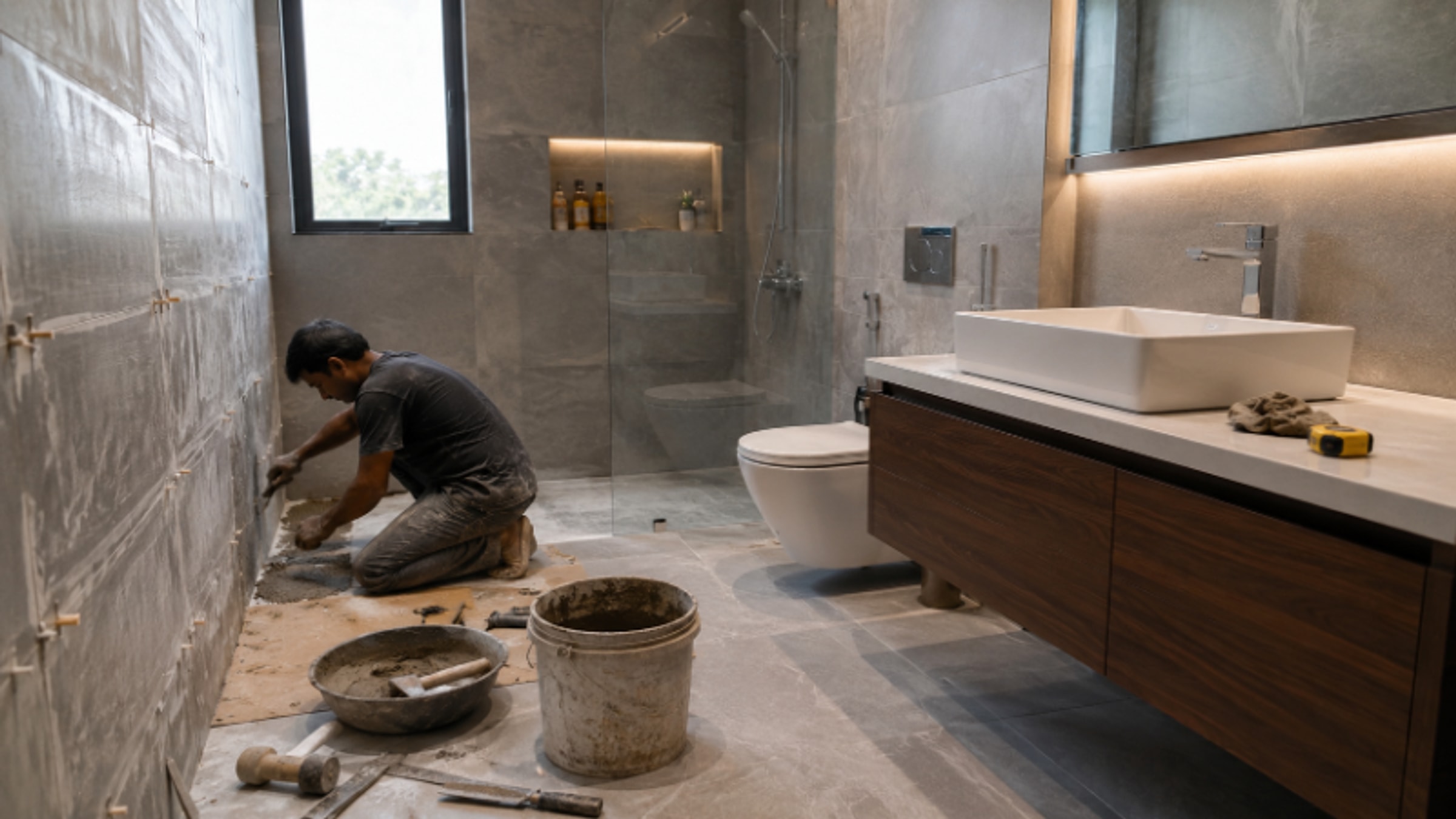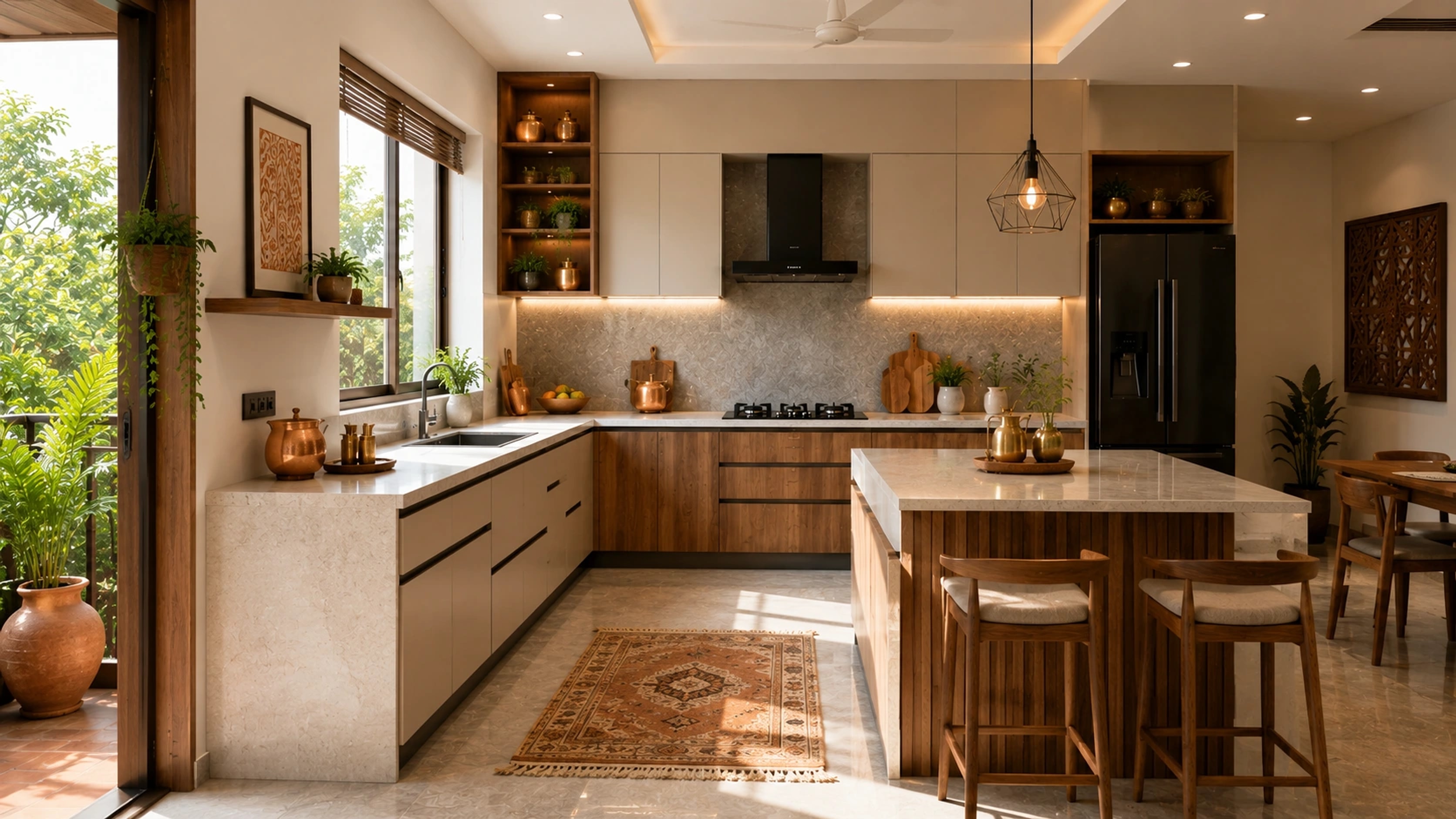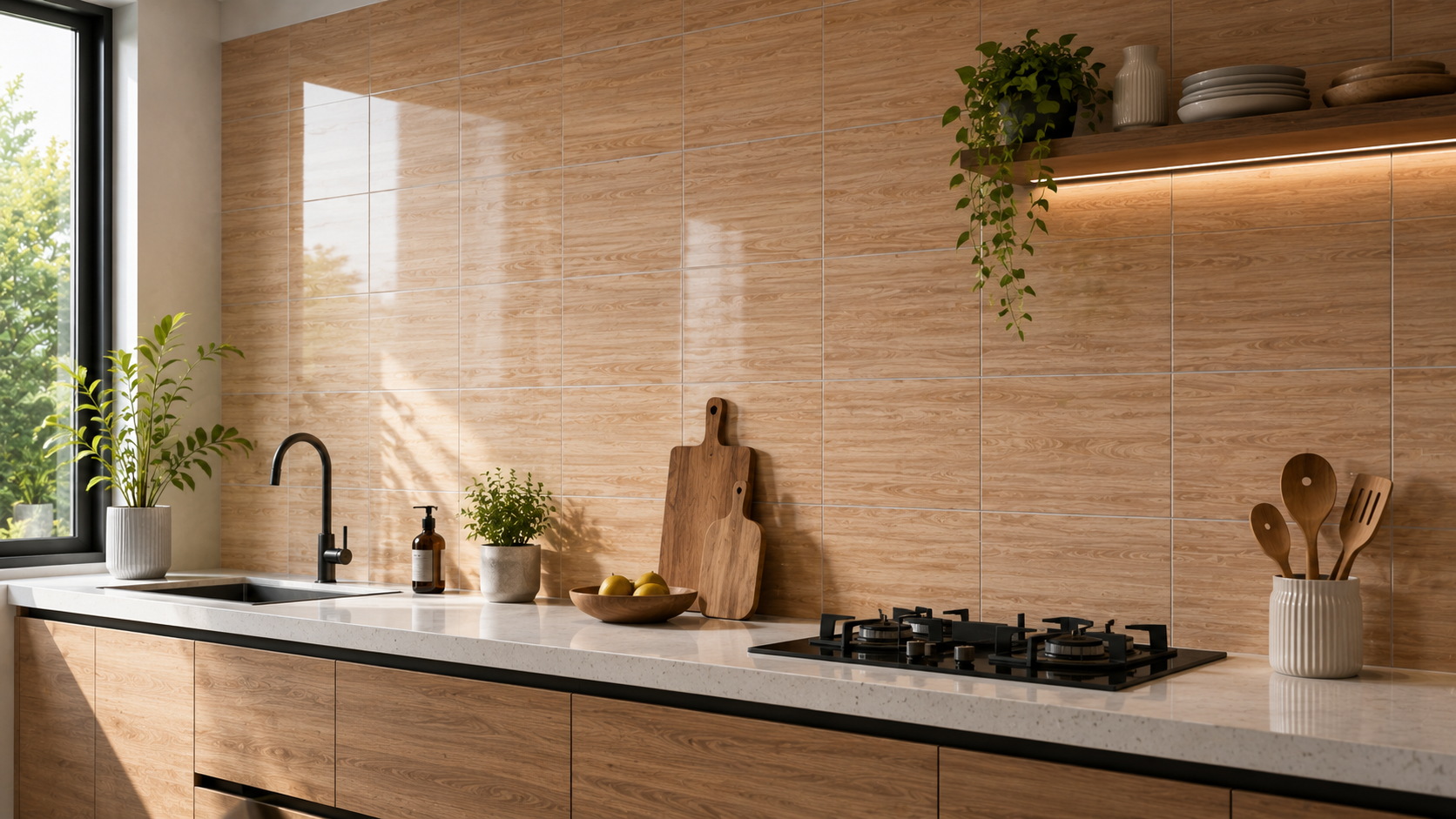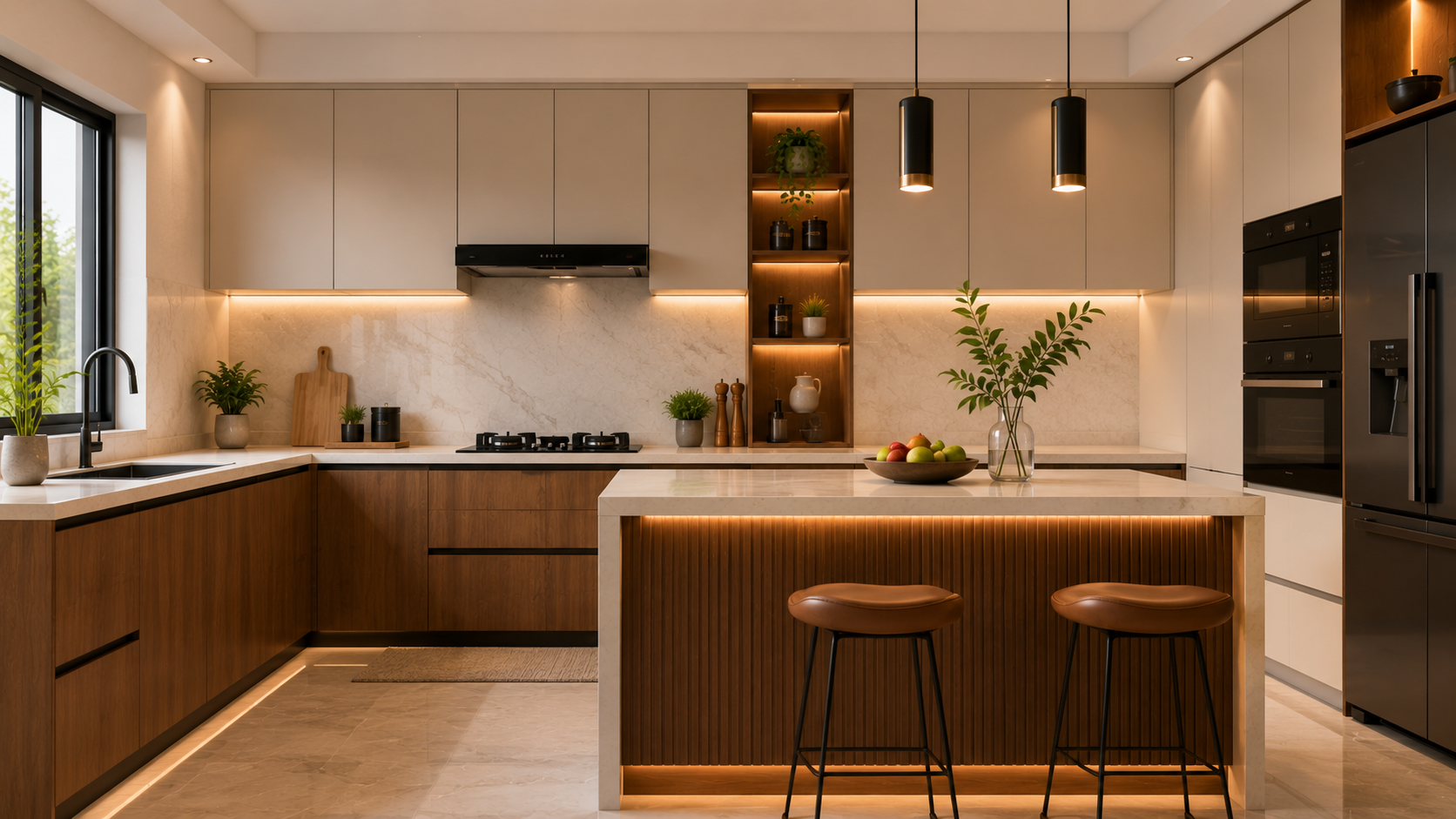


Walk into a beautifully designed space and you might not immediately think, "Wow, someone designed this." Instead, you feel comfortable. The lighting feels natural. The furniture arrangement makes sense. The colors soothe you. Everything seems to flow effortlessly. This is the hallmark of exceptional interior design—when it becomes invisible.
This paradox sits at the heart of great interior design philosophy. The best interiors aren't those that scream "look at my design!" but rather those that enhance how people live, work, and move through spaces. In India's booming real estate and commercial sectors, understanding this principle is crucial for architects, designers, and property developers who want to create spaces that truly resonate with occupants.
The Philosophy Behind Invisible Design
Invisible design is rooted in the concept of "form follows function," a principle established by architect Louis Sullivan over a century ago. It means that the aesthetic choices in a space should emerge naturally from how that space will be used, not the other way around.
When an interior designer approaches a project with this mindset, they're asking fundamental questions: How will people move through this space? What emotions should they feel? What activities will happen here? What are the practical constraints? The design solutions that emerge answer these questions first, and the beauty comes as a byproduct.
Consider a well-designed residential apartment in Bangalore or Mumbai. You might notice that the living room has excellent natural light, the bedroom feels like a sanctuary, the kitchen is efficient, and storage is seamlessly integrated into walls. You don't think about the design decisions that made this possible—you simply feel that the space works perfectly for living.
Build cost · Bengaluru, May 2026
Why Invisible Design Matters More Than Ever
In today's world, where we spend significant time in our homes and workspaces, the quality of our environment directly impacts our wellbeing, productivity, and happiness. Poor design—the kind that announces itself loudly—creates friction in daily life. A poorly planned kitchen layout wastes time. Inadequate lighting causes eye strain. Uncomfortable furniture makes you want to leave the space.
Invisible design eliminates these frictions. It works so well that people don't consciously think about the design at all. They just feel better in the space.
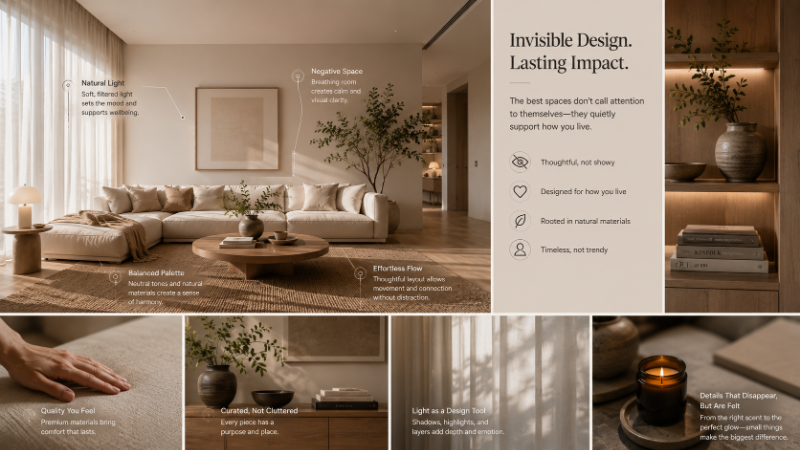
The Core Principles of Invisible Interior Design
1. Understanding the User First
The foundation of invisible design is deep understanding of who will use the space and how. A young professional's apartment in Delhi needs different solutions than a family home in Pune. A corporate office in Gurugram requires different thinking than a creative startup workspace.
The best interior designers spend time understanding their clients—their daily routines, their pain points, their preferences (even if they can't articulate them), and their lifestyle. This research phase often determines whether a design will feel natural or forced.
For example, if a designer learns that a client works from home three days a week but has limited space, the invisible solution isn't a visible "home office" that disrupts the living room. Instead, it might be a desk that folds into a console table, or a shelf arrangement that provides workspace without looking like an office. The function is served, but it doesn't announce itself.
Frequently asked
2. Prioritizing Functionality Over Aesthetics
This doesn't mean ignoring aesthetics—it means aesthetics should serve function, not dominate it. A beautiful sofa that's uncomfortable to sit on is a failure of invisible design. A stunning kitchen that's inefficient to cook in is a missed opportunity.
In Indian homes, where space is often at a premium, this principle becomes even more critical. A well-designed Mumbai apartment maximizes every square meter through smart storage, multi-functional furniture, and intelligent spatial planning. The design is invisible because it simply makes life easier.
3. Using Restraint in Color and Pattern
One of the quickest ways to make design visible is to overwhelm a space with bold colors and patterns. Invisible design typically uses a restrained palette—often neutrals as the base with carefully chosen accent colors that enhance rather than dominate.
This doesn't mean boring. Subtle variations in texture, tone, and material create visual interest without drawing attention to themselves. A cream wall with a textured finish feels richer than a bold orange wall, even though it's more understated. The sophistication is in the restraint.
4. Respecting Proportion and Scale
Invisible design respects the proportions of spaces and chooses furniture and fixtures that align with these proportions. A massive sectional sofa in a modest-sized living room in Hyderabad immediately announces itself as wrong. Appropriately scaled furniture that respects the room's dimensions simply feels right.
This principle extends to architectural elements. Crown molding, baseboards, and ceiling heights should be proportional to the room size. When they are, they enhance the space without calling attention to themselves.
5. Creating Intuitive Circulation Patterns
How people move through a space should feel natural, almost unconscious. In a well-designed home, you don't have to think about your path from the entrance to the living room to the kitchen. The layout guides you intuitively.
This requires careful planning of doorways, hallways, and open spaces. In Indian apartments where space is limited, creating intuitive flow is a significant challenge that separates good design from invisible design. A designer on AECORD who understands spatial planning can help navigate these constraints effectively.
Invisible Design in Different Spaces
Residential Interiors
In homes, invisible design creates spaces that support daily life without friction. A bedroom designed with invisible principles will have:
Blackout options that don't look institutional
Storage that's integrated into the architecture
Lighting that's dimmable and positioned to avoid glare
Temperature control that works quietly
Acoustics that minimize external noise naturally
The occupant simply feels rested and peaceful. They don't think about the design choices that made this possible.
Commercial and Office Spaces
In workspaces, invisible design enhances productivity and collaboration. An office designed with these principles will have:
Intuitive wayfinding that doesn't require signage
Acoustic solutions that enable focus without feeling isolating
Lighting that reduces fatigue and supports circadian rhythms
Furniture that encourages both focus and collaboration
Temperature and air quality management that goes unnoticed
Employees simply feel more productive and less fatigued. They're not consciously thinking about the design, but it's supporting their work.
Retail and Hospitality
Even in commercial establishments across Indian cities, invisible design guides customer behavior and experience. A well-designed retail space makes browsing intuitive. A hotel room makes guests feel welcome and comfortable without obvious design flourishes. A restaurant's layout encourages lingering and enjoying the experience.
The Challenge: Invisible Design Requires More Skill, Not Less
Here's the paradox: creating design that feels invisible is actually harder than creating design that's obviously designed. It requires deeper thinking, more research, and more restraint.
A designer can make a bold statement with a striking color scheme or dramatic architectural feature. Making a space feel perfect without announcing itself requires understanding hundreds of small details and how they interact. It requires knowing when to add and when to subtract. It requires confidence to let the space speak for itself rather than inserting the designer's ego.
This is why working with experienced interior designers—those you can find through platforms like AECORD—makes such a difference. They've developed the skill to think beyond the obvious and create solutions that serve the space and its users first.
Practical Steps to Achieve Invisible Design
Start with Research, Not Sketches
Before any design concept, spend time understanding the space and its users. What's the history of the space? How will it be used? What are the constraints? What are the opportunities? This research phase informs everything that follows.
Create a Functional Program
Document exactly what needs to happen in the space. Not "make it look modern," but "provide workspace for two people working simultaneously," "store seasonal items," "allow flexible furniture arrangement for entertaining." These functional requirements become the foundation for design decisions.
Choose Quality Over Quantity
Invisible design often means fewer pieces, chosen with care. Rather than filling a room with decorative objects, select furniture and accessories that serve a purpose and are beautifully executed. In Indian markets where budget considerations are important, this approach often works better financially too—one excellent piece outperforms three mediocre ones.
Think About Maintenance and Longevity
A design that requires constant upkeep or looks dated in two years isn't invisible—it's constantly announcing its presence through its problems. Good invisible design uses materials and finishes that age gracefully and require reasonable maintenance. In India's climate, this means considering humidity, dust, and temperature fluctuations in material selection.
Test and Refine
Even the best designers can't predict everything. After implementation, observe how the space is actually used. Does the furniture arrangement work? Are the lighting levels right? Is storage adequate? Good design is refined based on real-world use.
The Economic Case for Invisible Design
While invisible design might seem like a luxury consideration, it actually makes economic sense. Spaces designed with these principles:
Last longer: They don't feel dated quickly because they're not trend-dependent
Function better: They reduce friction and waste in daily use
Appeal to more people: They're not polarizing; most people find them comfortable
Increase property value: Well-designed spaces command premium prices in real estate markets across Indian cities
Reduce maintenance costs: Quality materials and thoughtful design mean fewer problems over time
For developers and property investors in India's competitive real estate market, invisible design is increasingly recognized as a value differentiator.
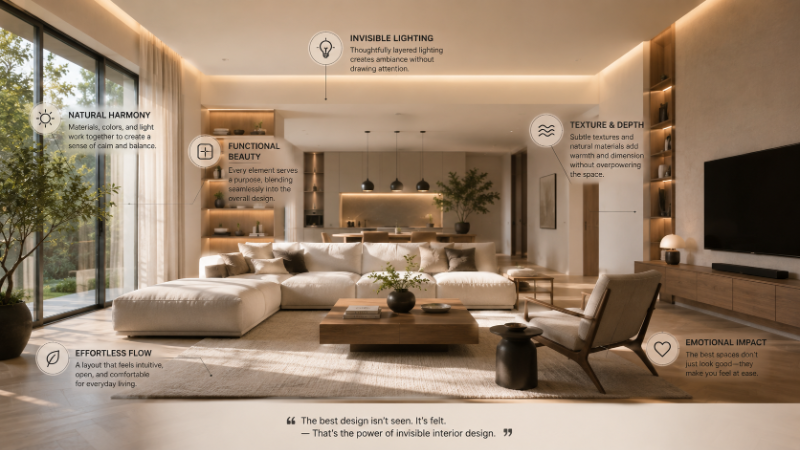
Common Mistakes That Make Design Visible (In Bad Ways)
Understanding what breaks invisible design is as important as knowing what creates it:
Trend chasing: Using design trends that will feel dated quickly
Over-personalization: Inserting the designer's style rather than serving the client's needs
Ignoring constraints: Designing without respect for budget, space, or practical limitations
Prioritizing looks over function: Choosing aesthetics that compromise usability
Cluttering: Adding decorative elements that don't serve a purpose
Ignoring climate and context: Not considering India's diverse climates and cultural contexts
The Future of Interior Design in India
As Indian real estate becomes more sophisticated and residents increasingly value quality of life, invisible design principles are becoming more important. Developers, architects, and interior designers who understand these principles have a significant competitive advantage.
The rise of platforms like AECORD, which connect property professionals with quality designers and specialists, is making it easier for clients to find designers who understand these principles. Whether you're a homeowner in Bangalore wanting to renovate your apartment, a developer in Pune creating residential projects, or a business in Gurugram designing office space, the ability to find professionals who prioritize invisible design is increasingly accessible.
Conclusion: The Highest Compliment
The highest compliment an interior designer can receive isn't "I love your design!" It's "I feel so comfortable here" or "This space just works perfectly for how I live." These comments indicate that the design has disappeared into the background, serving its purpose so well that it's invisible.
In a world of constant visual noise and trend-driven design, this approach stands out precisely because it doesn't try to stand out. It serves the people in the space, respects the constraints, and creates environments where life happens naturally.
If you're planning an interior project—whether residential, commercial, or retail—consider seeking out designers who understand these principles. On AECORD, you can connect with experienced interior designers, architects, and space planners who specialize in creating spaces that feel right, function perfectly, and look beautiful without announcing themselves. That's the true mark of design excellence.
Frequently Asked Questions
What is invisible interior design and why is it important?
Invisible interior design is when a space feels effortless and comfortable without drawing attention to itself—the design enhances how people live and work rather than announcing itself loudly. It's important because it directly impacts wellbeing, productivity, and happiness by eliminating daily friction and creating spaces that simply work perfectly for their intended use.
What does 'form follows function' mean in interior design?
'Form follows function' is a principle established by architect Louis Sullivan meaning that aesthetic choices should emerge naturally from how a space will be used, not the other way around. Designers using this approach ask fundamental questions about movement, emotions, and activities first, with beauty emerging as a natural byproduct of solving these functional needs.
How do designers create invisible design in small spaces?
Designers create invisible design in compact spaces like Mumbai apartments by prioritizing functionality and seamlessly integrating solutions into the existing environment. For example, instead of a visible home office, they might use a desk that folds into a console table or strategically arranged shelving that provides workspace without disrupting the living area.
Why should functionality come before aesthetics in interior design?
Prioritizing functionality over aesthetics ensures that spaces actually work well for their intended purpose—a beautiful but uncomfortable sofa or inefficient kitchen represents failed design. When function is served first, aesthetics naturally follow and create spaces that feel genuinely comfortable rather than forced or impractical.
How does understanding the user improve interior design outcomes?
Deep understanding of who will use a space and how they live determines whether a design feels natural or forced. By researching clients' daily routines, pain points, and lifestyle needs, designers can create tailored solutions that seamlessly integrate into their lives rather than imposing generic design choices.