

Vitrified Wall Tiles: A Complete Guide to Modern Ceramic Solutions for Indian Homes and Commercial Spaces
Vitrified wall tiles have revolutionized interior design across India, offering homeowners and commercial property developers a perfect blend of aesthetics, durability, and affordability. Whether you're renovating a kitchen in Mumbai, designing a corporate office in Bangalore, or upgrading a retail space in Delhi, understanding the nuances of vitrified wall tiles is essential for making informed decisions. This comprehensive guide explores everything you need to know about modern vitrified wall tiles and how they can transform your spaces.
Build cost · Bengaluru, May 2026
What Are Vitrified Wall Tiles?
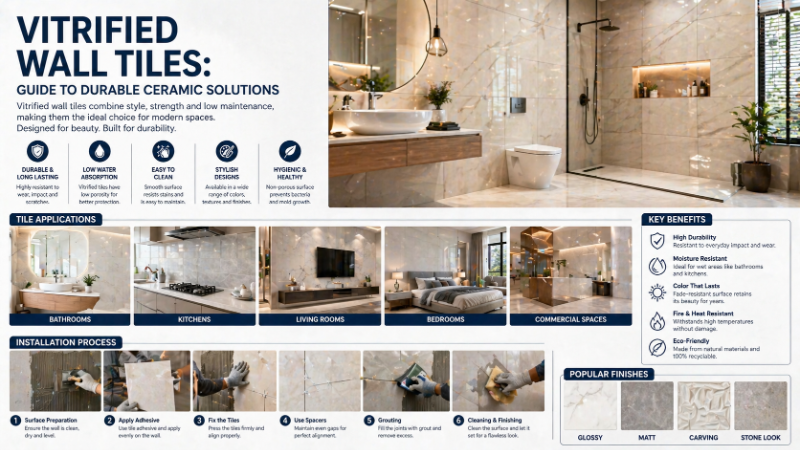
Vitrified wall tiles are ceramic tiles manufactured by fusing raw materials at extremely high temperatures, typically between 1200-1400 degrees Celsius. The vitrification process creates a non-porous, glass-like surface that is significantly more durable than traditional ceramic tiles. Unlike unglazed tiles, vitrified tiles are impervious to moisture, stains, and bacterial growth, making them ideal for kitchens, bathrooms, and commercial spaces.
The composition of vitrified wall tiles typically includes clay, feldspar, and silica, which are mixed, pressed, and fired to create a dense, glass-coated surface. This manufacturing process ensures that the tiles have a water absorption rate of less than 0.5%, making them exceptionally suitable for wet areas and high-traffic zones.
Key Advantages of Vitrified Wall Tiles
Superior Durability and Longevity
One of the most significant advantages of vitrified wall tiles is their exceptional durability. These tiles can last 15-20 years or more with proper maintenance, making them a cost-effective investment for both residential and commercial properties. The vitrification process creates a surface that resists chipping, cracking, and wear, even in high-traffic areas. In Indian cities like Pune and Hyderabad, where commercial spaces experience constant foot traffic, vitrified tiles prove to be an economical choice over time.
Frequently asked
Water and Moisture Resistance
The non-porous nature of vitrified tiles makes them virtually impervious to water absorption. This characteristic is particularly valuable in India's humid climate, where moisture-related damage is a common concern. Whether installed in bathroom walls, kitchen backsplashes, or swimming pool surroundings, vitrified tiles maintain their structural integrity without warping or developing mold.
Easy Maintenance and Hygiene
Vitrified wall tiles require minimal maintenance and can be cleaned with simple water and mild detergent. The non-porous surface prevents bacteria and mold accumulation, making these tiles ideal for healthcare facilities, restaurants, and food processing units across India. Regular sweeping and occasional mopping are sufficient to keep them looking pristine.
Aesthetic Versatility
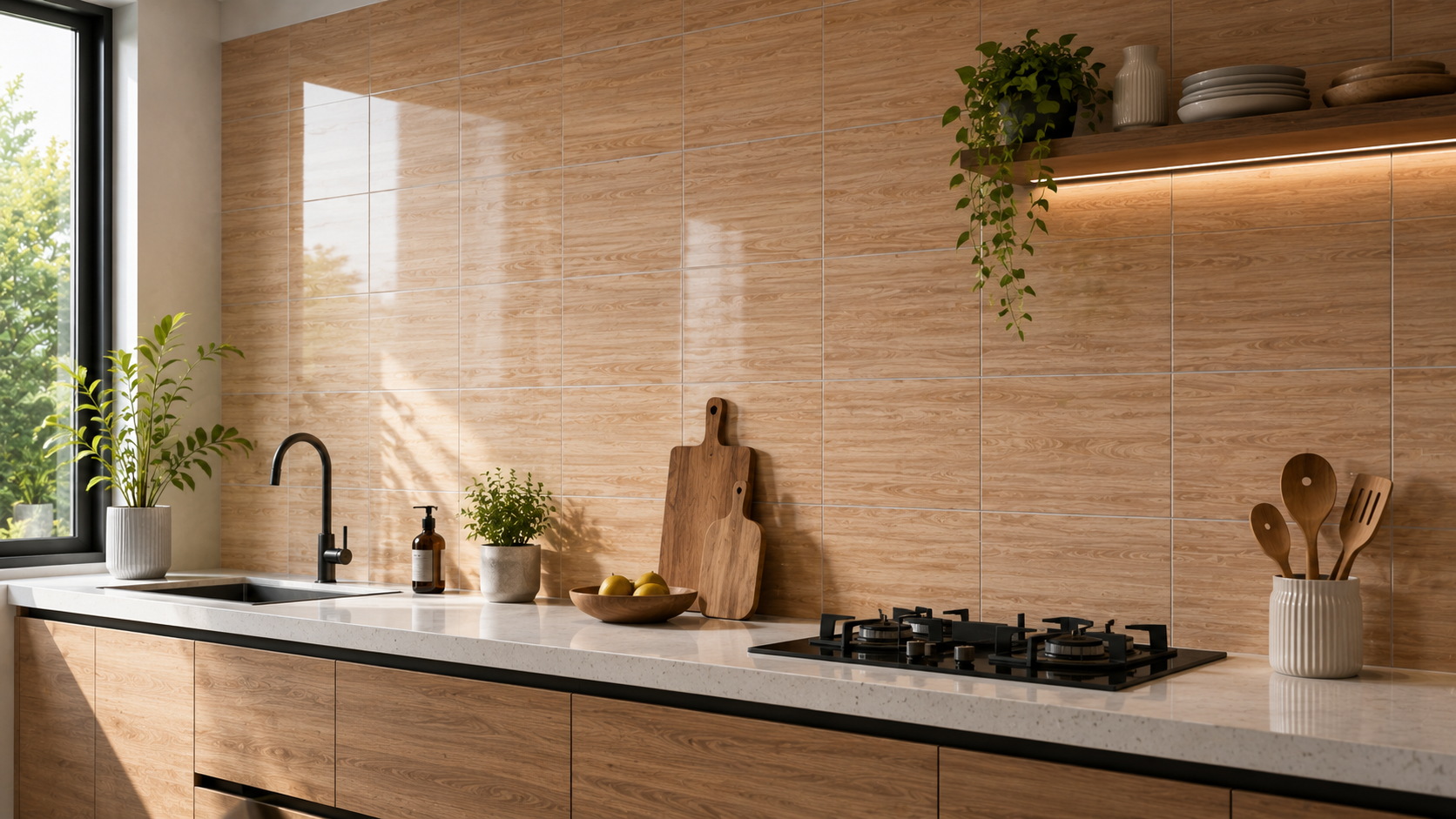
Modern vitrified wall tiles come in an extensive range of colors, patterns, textures, and finishes. From classic white and beige to bold contemporary designs, marble effects, and wood-look finishes, there's something to complement every interior design style. Indian manufacturers now offer tiles inspired by traditional motifs as well as contemporary global designs.
Cost-Effectiveness
Compared to natural stone, marble, or granite, vitrified wall tiles offer exceptional value for money. Prices in India typically range from ₹150 to ₹800 per square foot, depending on quality, design complexity, and brand. This affordability, combined with their longevity, makes them an excellent choice for budget-conscious homeowners and developers.
Types of Vitrified Wall Tiles Available in the Market
Glazed Vitrified Tiles
These tiles feature a glossy or matte glaze coating that adds depth and visual appeal. The glaze layer provides additional protection and allows for more intricate designs and patterns. Glazed vitrified tiles are particularly popular for kitchen walls and decorative applications in Indian homes.
Unglazed Vitrified Tiles
While less common for walls, unglazed vitrified tiles offer a more natural, matte appearance. They're often used in commercial spaces and areas where slip resistance is a priority. These tiles are easier to maintain in terms of fingerprint visibility.
Polished Vitrified Tiles
Polished vitrified tiles have a highly reflective, mirror-like finish that creates an elegant, sophisticated appearance. They're ideal for creating spacious, bright interiors and are commonly used in premium residential and commercial projects across metropolitan areas like Delhi, Mumbai, and Bangalore.
Textured Vitrified Tiles
These tiles feature embossed or textured surfaces that add visual interest and provide better grip. Textured finishes are increasingly popular in modern interior design and work well in contemporary kitchens and bathrooms.
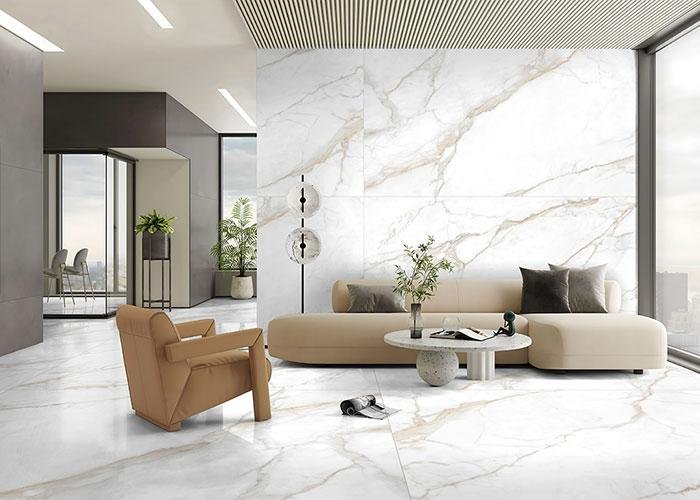
Marble and Stone-Effect Vitrified Tiles
Advanced manufacturing techniques now allow vitrified tiles to replicate the appearance of natural marble, granite, and other stones. These tiles offer the luxury look of premium materials at a fraction of the cost, making high-end design accessible to more homeowners across India.
Applications of Vitrified Wall Tiles in Indian Homes and Commercial Spaces
Kitchen Walls and Backsplashes
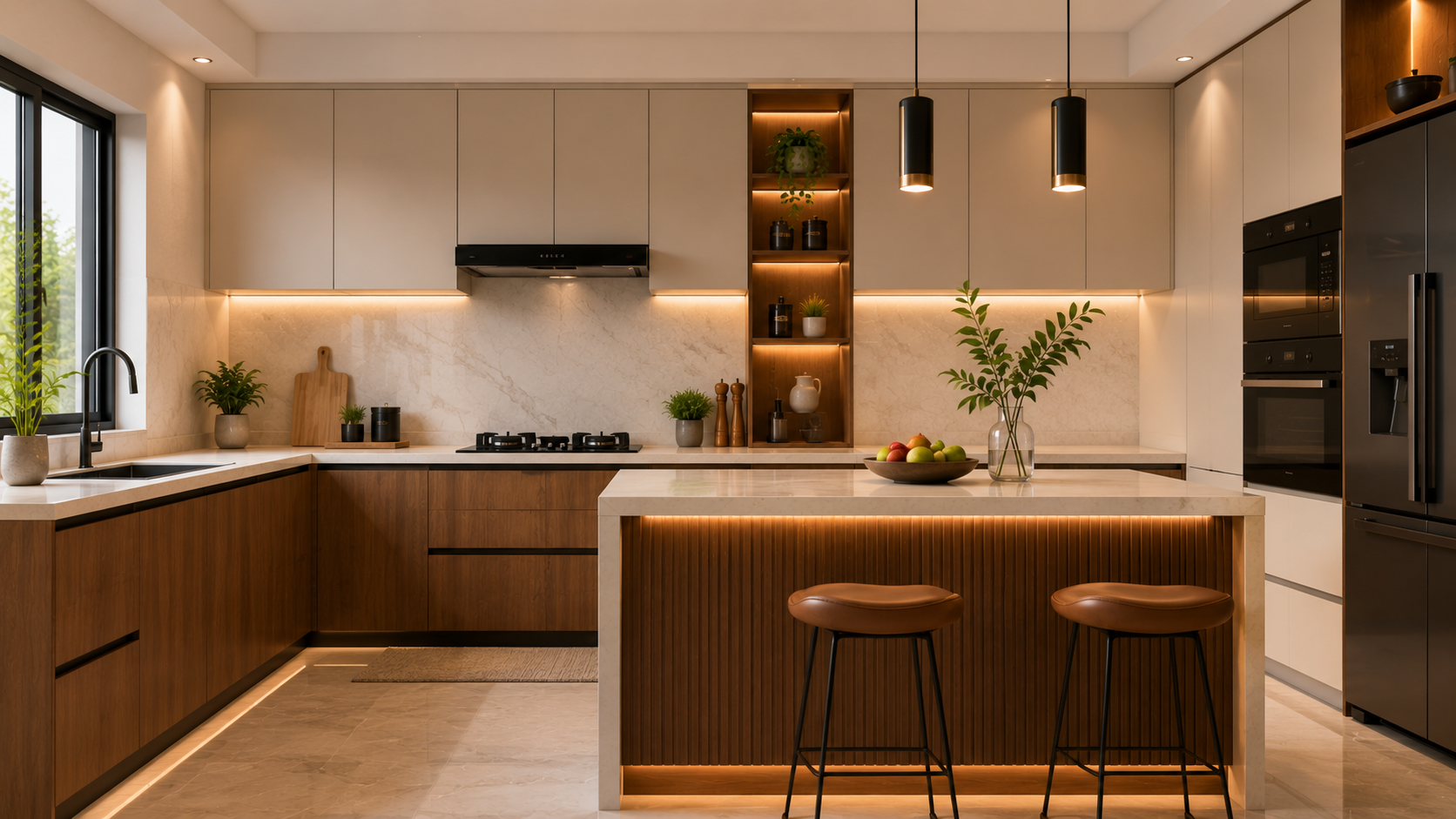
Vitrified tiles are perfect for kitchen backsplashes and wall areas, where they resist heat, moisture, and staining from cooking activities. Their easy-to-clean surface makes kitchen maintenance effortless. Many Indian homeowners prefer tiles with subtle patterns or colors that complement their kitchen cabinetry and appliances.
Bathroom Walls
The moisture-resistant properties of vitrified tiles make them ideal for bathroom applications. They prevent water damage, mold growth, and deterioration over time. From shower walls to vanity areas, vitrified tiles provide both functionality and aesthetic appeal.
Commercial and Retail Spaces
In commercial settings across Indian cities, vitrified wall tiles are used in restaurants, cafes, hospitals, and retail stores. Their durability and hygienic properties make them suitable for high-traffic areas and spaces requiring frequent cleaning.
Swimming Pools and Wet Areas
The non-porous nature of vitrified tiles makes them excellent for pool surrounds and wet recreational areas. They resist chlorine damage and maintain their appearance over extended periods.
Decorative Wall Panels
Modern interior designers use vitrified tiles as decorative wall elements in living rooms, bedrooms, and entryways. Large-format tiles and artistic designs create stunning feature walls that elevate interior aesthetics.
Choosing the Right Vitrified Wall Tiles for Your Project
Consider Your Space and Usage
Evaluate the specific requirements of your space. High-moisture areas like bathrooms and kitchens benefit from glossy finishes that shed water easily. Commercial spaces with high foot traffic require more durable, stain-resistant options. Understanding your space's unique demands helps narrow down the best tile options.
Select Appropriate Size and Format
Vitrified wall tiles come in various sizes, from small 100x100mm tiles to large 600x1200mm format tiles. Larger tiles create a seamless, modern appearance and reduce grout lines, while smaller tiles offer more design flexibility. Consider the wall dimensions and overall aesthetic you want to achieve.
Choose Colors and Patterns Wisely
Light colors make spaces appear larger and brighter, while darker shades add sophistication and hide stains better. Consider your existing décor, lighting conditions, and personal preferences. Neutral tones like whites, beiges, and grays offer timeless appeal, while bold colors and patterns add contemporary character.
Evaluate Finish Options
Polished finishes create elegance but can be slippery in wet areas. Matte finishes offer better grip and hide water spots. Textured finishes add visual interest and tactile appeal. Choose finishes based on both aesthetic preferences and practical safety considerations.
Check Quality Standards and Certifications
Ensure tiles meet Indian Standards (IS) certifications, particularly IS 15622 for vitrified tiles. Quality certifications guarantee consistent manufacturing standards, durability, and performance. Reputable manufacturers provide detailed product specifications and warranty information.
Installation and Maintenance Tips
Professional Installation is Crucial
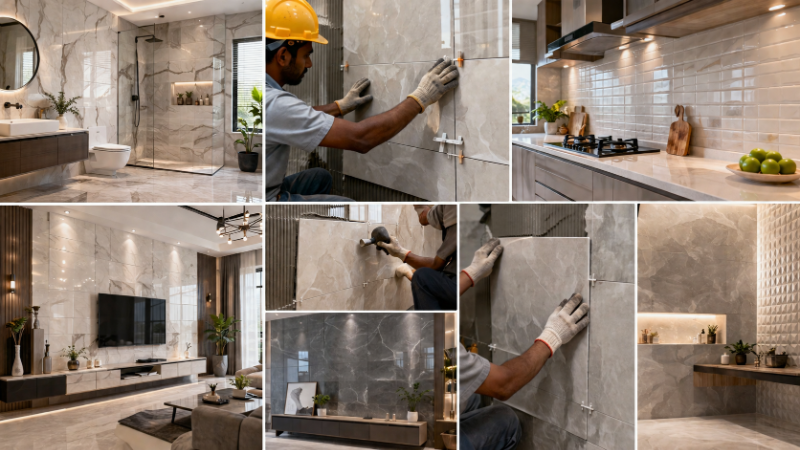
Proper installation is essential for optimal performance and longevity. Hire experienced installers familiar with vitrified tile installation. Incorrect installation can lead to moisture infiltration, tile cracking, and premature failure. When sourcing professionals, platforms like AECORD can connect you with qualified tile installers in your city.
Use Appropriate Adhesives and Grout
Select high-quality cement-based adhesives and epoxy grout suitable for vitrified tiles. Proper adhesive selection ensures tiles bond securely to walls, while quality grout prevents moisture seepage and maintains the tile's aesthetic appeal.
Regular Cleaning and Maintenance
Clean vitrified wall tiles regularly with mild soap and water. For stubborn stains, use specialized tile cleaners. Avoid acidic or abrasive cleaners that might damage the glaze. Periodic sealing of grout lines prevents moisture accumulation and extends tile life.
Address Damage Promptly
If tiles crack or glaze chips, replace them promptly to prevent water infiltration and further damage. Keep spare tiles from your installation for future replacements.
Cost Considerations and Budget Planning
Vitrified wall tile costs in India vary significantly based on quality, design, and brand. Budget-friendly options range from ₹150-₹300 per square foot, mid-range tiles cost ₹300-₹600 per square foot, while premium designer tiles can exceed ₹800 per square foot. Installation costs typically add another ₹50-₹150 per square foot, depending on complexity and labor rates in your region.
For a typical 100 square foot bathroom in Bangalore, Mumbai, or Delhi, expect total costs (materials and labor) between ₹25,000 and ₹100,000, depending on tile selection and installation complexity. Planning your budget carefully and comparing options from multiple suppliers helps optimize value.
Latest Trends in Vitrified Wall Tiles
Large Format Tiles
Contemporary designs favor large-format tiles (600x1200mm and larger) that create seamless, modern interiors with minimal grout lines. These tiles are increasingly popular in premium residential and commercial projects across India.
Sustainable and Eco-Friendly Options
Manufacturers are developing environmentally conscious vitrified tiles using recycled materials and sustainable production methods. These options appeal to eco-conscious homeowners and commercial developers.
3D and Textured Designs
Advanced manufacturing creates three-dimensional effects and complex textures that add depth and visual interest. These tiles serve as statement pieces in contemporary interior design.
Digital Printing Technology
High-resolution digital printing allows for custom designs, photorealistic images, and personalized patterns on vitrified tiles, enabling unique, bespoke interior solutions.
Common Mistakes to Avoid
Avoid selecting tiles based solely on price without considering quality and durability. Don't neglect proper surface preparation before installation, as uneven walls lead to installation problems. Never skip professional installation to save costs, as poor installation compromises performance. Avoid using inappropriate cleaning products that damage tile glaze. Finally, don't ignore grout maintenance, as deteriorated grout allows moisture infiltration.
Finding Quality Vitrified Wall Tiles and Installation Services in India
When sourcing vitrified wall tiles and installation services, AECORD provides a comprehensive platform connecting homeowners and commercial developers with vetted tile suppliers, manufacturers, and installation professionals across India. Whether you're in Pune, Hyderabad, Chennai, or any other major Indian city, AECORD helps you find reliable professionals who understand local market conditions and can deliver quality results.
The platform allows you to compare multiple suppliers, review credentials, and access detailed product information all in one place. Using AECORD simplifies the selection process and ensures you work with trusted professionals who deliver value and quality.
Conclusion
Vitrified wall tiles represent an excellent investment for modern Indian homes and commercial spaces, offering superior durability, aesthetic versatility, and cost-effectiveness. Whether you're renovating a kitchen, upgrading a bathroom, or designing a commercial space, vitrified tiles provide practical solutions that combine functionality with contemporary design.
By understanding the different types available, considering your specific needs, and working with qualified professionals, you can select and install vitrified wall tiles that enhance your space's beauty and functionality for years to come. Start your tile selection journey today by exploring options and connecting with experienced professionals through AECORD, India's trusted marketplace for AECO professionals and services.
Frequently Asked Questions
What are vitrified wall tiles and how are they made?
Vitrified wall tiles are ceramic tiles created by fusing raw materials like clay, feldspar, and silica at extremely high temperatures (1200-1400°C), resulting in a non-porous, glass-like surface. This vitrification process creates tiles with less than 0.5% water absorption, making them far more durable and moisture-resistant than traditional ceramic tiles.
How long do vitrified wall tiles last?
Vitrified wall tiles can last 15-20 years or more with proper maintenance, making them a cost-effective long-term investment. Their exceptional durability comes from the vitrification process, which creates a surface resistant to chipping, cracking, and wear even in high-traffic commercial areas.
Are vitrified wall tiles suitable for bathrooms and kitchens?
Yes, vitrified wall tiles are ideal for bathrooms and kitchens due to their non-porous nature and virtually impervious water resistance. They maintain structural integrity without warping or developing mold, making them particularly valuable in humid climates like India's.
How much do vitrified wall tiles cost in India?
Vitrified wall tiles in India typically range from ₹150 to ₹800 per square foot, depending on quality, design complexity, and brand. This affordability, combined with their longevity and low maintenance requirements, makes them significantly more cost-effective than natural stone alternatives.
What is the difference between glazed and unglazed vitrified tiles?
Glazed vitrified tiles feature a glossy or matte glaze coating that adds visual depth and aesthetic appeal, while unglazed vitrified tiles have a natural finish. Both types offer the same non-porous, durable properties, but glazed tiles provide more design versatility with colors, patterns, and textures.