

Building a home, office, or commercial space in India is a significant financial undertaking. Whether you're constructing a residential apartment in Mumbai, a commercial complex in Bangalore, or an industrial facility in Delhi, understanding where your construction budget goes is crucial for effective project management and cost control. Construction costs in India are influenced by multiple factors, and breaking down these expenses helps you plan better and avoid budget overruns.
Understanding the Overall Construction Cost Structure
Construction costs in India typically comprise several major components that work together to determine your total project budget. On average, construction costs in India range from ₹800 to ₹2,500 per square foot, depending on the location, quality of construction, and project specifications. However, this figure can vary significantly based on whether you're building in tier-1 cities like Mumbai, Delhi, or Bangalore, or in secondary cities.
The construction cost breakdown generally follows a pattern where materials account for roughly 50-60% of total costs, labour contributes 20-30%, and the remaining 10-20% covers overheads, contingencies, and miscellaneous expenses. Understanding this distribution helps you allocate your budget more effectively and identify areas where cost optimization is possible.
Build cost · Bengaluru, May 2026
Material Costs: The Largest Component of Your Budget
Cement and Concrete
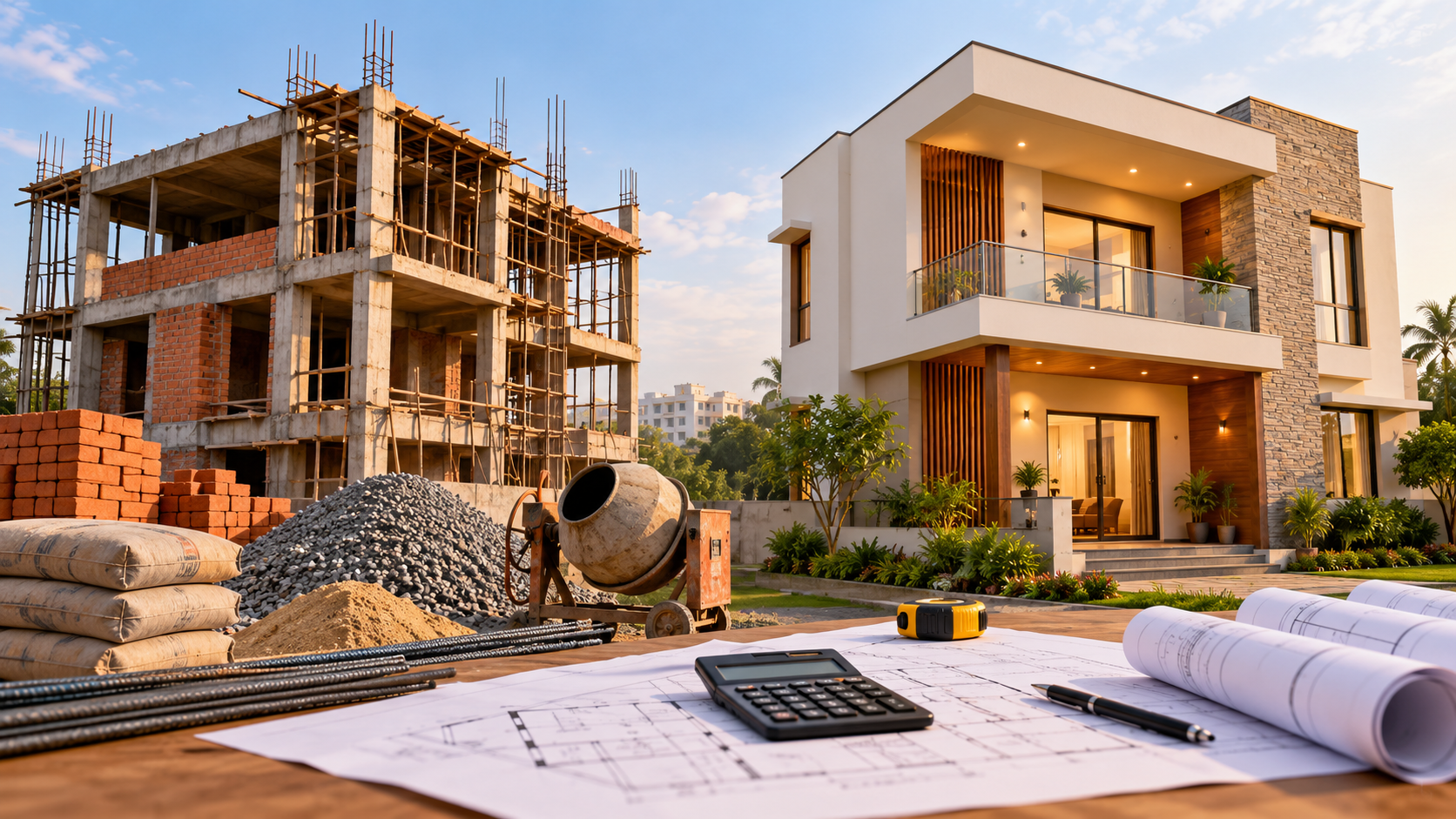
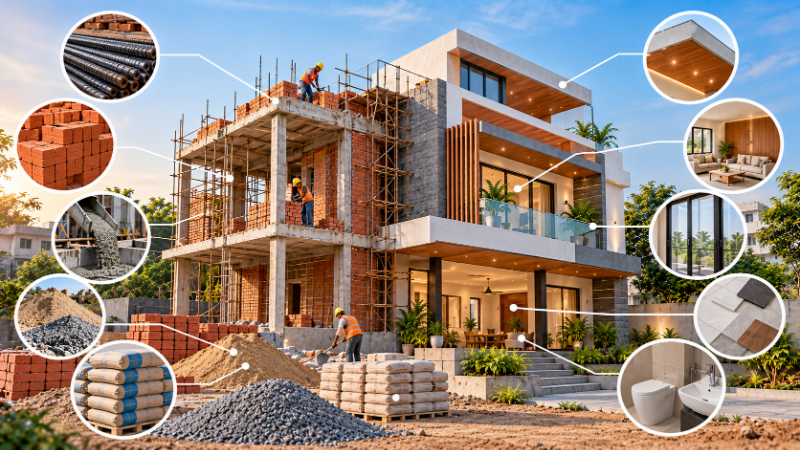
Cement is one of the most essential and expensive materials in any construction project. In India, cement costs approximately ₹400-₹500 per 50kg bag, though prices fluctuate based on market conditions and location. For a typical 1000 sq ft residential construction, you might require 250-300 bags of cement, translating to ₹1,00,000-₹1,50,000 just for cement.
Concrete, which is a mixture of cement, sand, and aggregates, forms the structural backbone of your project. Ready-mix concrete (RMC) costs around ₹4,500-₹6,500 per cubic meter in major Indian cities, while site-mixed concrete is slightly cheaper at ₹3,500-₹5,000 per cubic meter. The choice between these options depends on project size and accessibility.
Steel and Reinforcement
Steel reinforcement (rebar) is critical for structural integrity and currently costs around ₹45,000-₹55,000 per ton in India. A typical residential building requires approximately 60-80 kg of steel per cubic meter of concrete. For a 1000 sq ft building, you might need 8-12 tons of steel, costing ₹3,60,000-₹6,60,000.
The price of steel fluctuates based on global market conditions, iron ore availability, and import duties. Consulting with experienced professionals on AECORD can help you understand current market rates and secure better pricing through bulk procurement.
Frequently asked
Sand and Aggregates
Sand and aggregates form the bulk of your concrete and mortar. River sand costs approximately ₹40-₹80 per cubic foot in most Indian cities, while manufactured sand is ₹30-₹60 per cubic foot. For a 1000 sq ft building, you might need 40-60 cubic meters of sand and aggregates, costing ₹1,20,000-₹2,40,000.
The availability of sand and aggregates has become a concern in many Indian cities due to environmental regulations and mining restrictions. This has led to increased costs in some regions, making it essential to source these materials early in your project planning.
Bricks and Masonry Materials
Bricks are fundamental to wall construction in India. Standard burnt clay bricks cost ₹4-₹8 per piece, while cement blocks cost ₹12-₹20 per piece. A 1000 sq ft building typically requires 8,000-10,000 bricks, costing ₹32,000-₹80,000. The choice between traditional bricks and cement blocks affects both cost and construction speed.
Mortar for masonry work, made from cement and sand, costs approximately ₹200-₹300 per cubic meter. For a 1000 sq ft building, you might need 15-20 cubic meters of mortar, adding ₹3,000-₹6,000 to your budget.
Finishing Materials
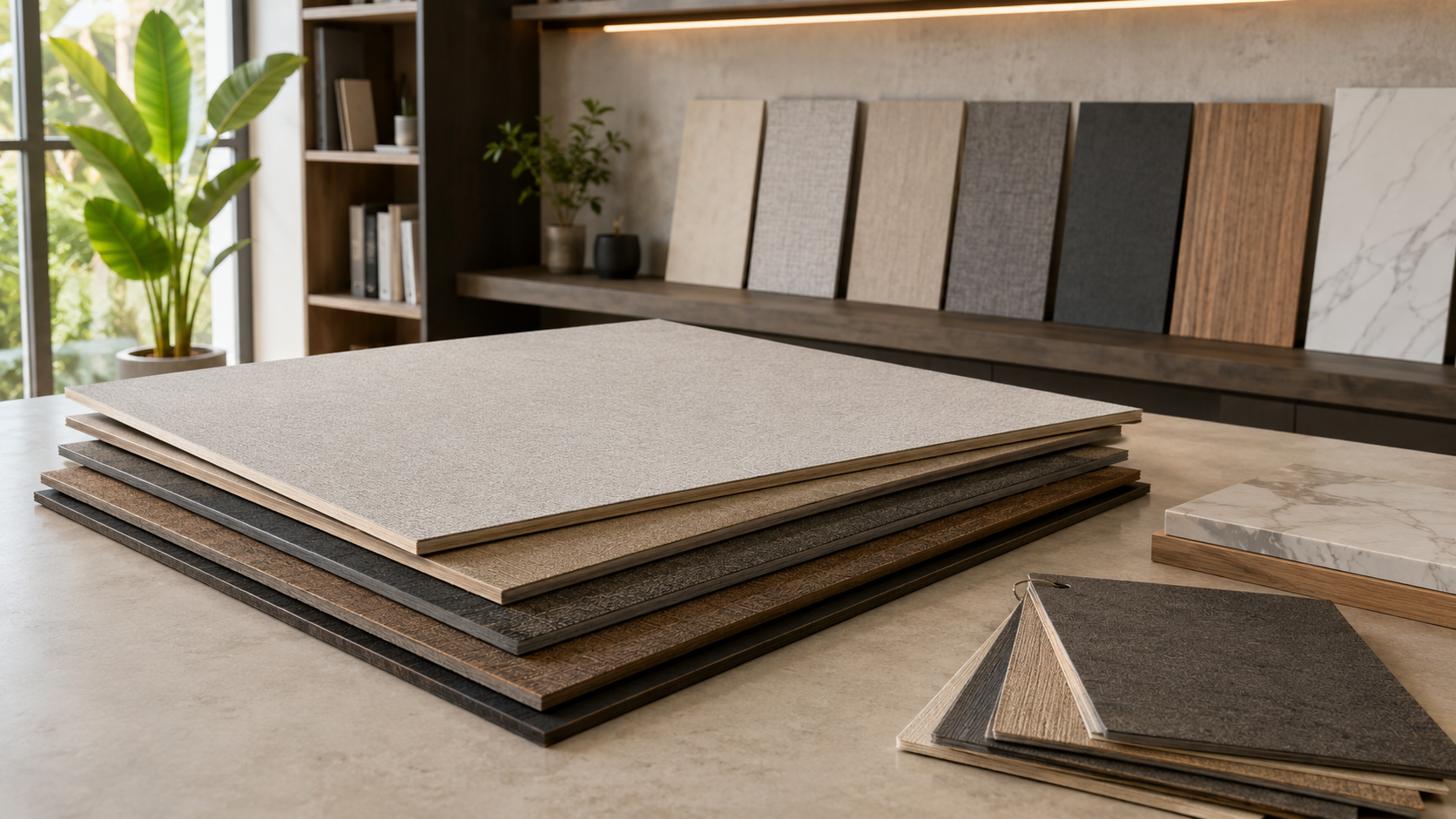
Finishing materials significantly impact your total construction cost. Ceramic tiles range from ₹50-₹300 per square foot, depending on quality and design. Paints cost ₹300-₹800 per liter, with coverage of approximately 350-400 sq ft per liter. For a 1000 sq ft building, you might spend ₹50,000-₹1,50,000 on paint alone.
Plumbing fixtures, electrical fittings, doors, windows, and other finishing materials collectively can account for 15-25% of your total construction cost. Premium brands and imported materials will significantly increase these expenses.
Labour Costs: The Second Major Expense
Skilled Labour Rates
Labour costs in India vary significantly based on location, skill level, and project complexity. In major metros like Mumbai and Bangalore, skilled workers earn ₹600-₹1,200 per day, while semi-skilled workers earn ₹400-₹700 per day. In smaller cities, these rates are 20-40% lower. For a 1000 sq ft building requiring approximately 400-500 labour days, you might spend ₹2,40,000-₹6,00,000 on labour alone.
Labour Categories and Responsibilities
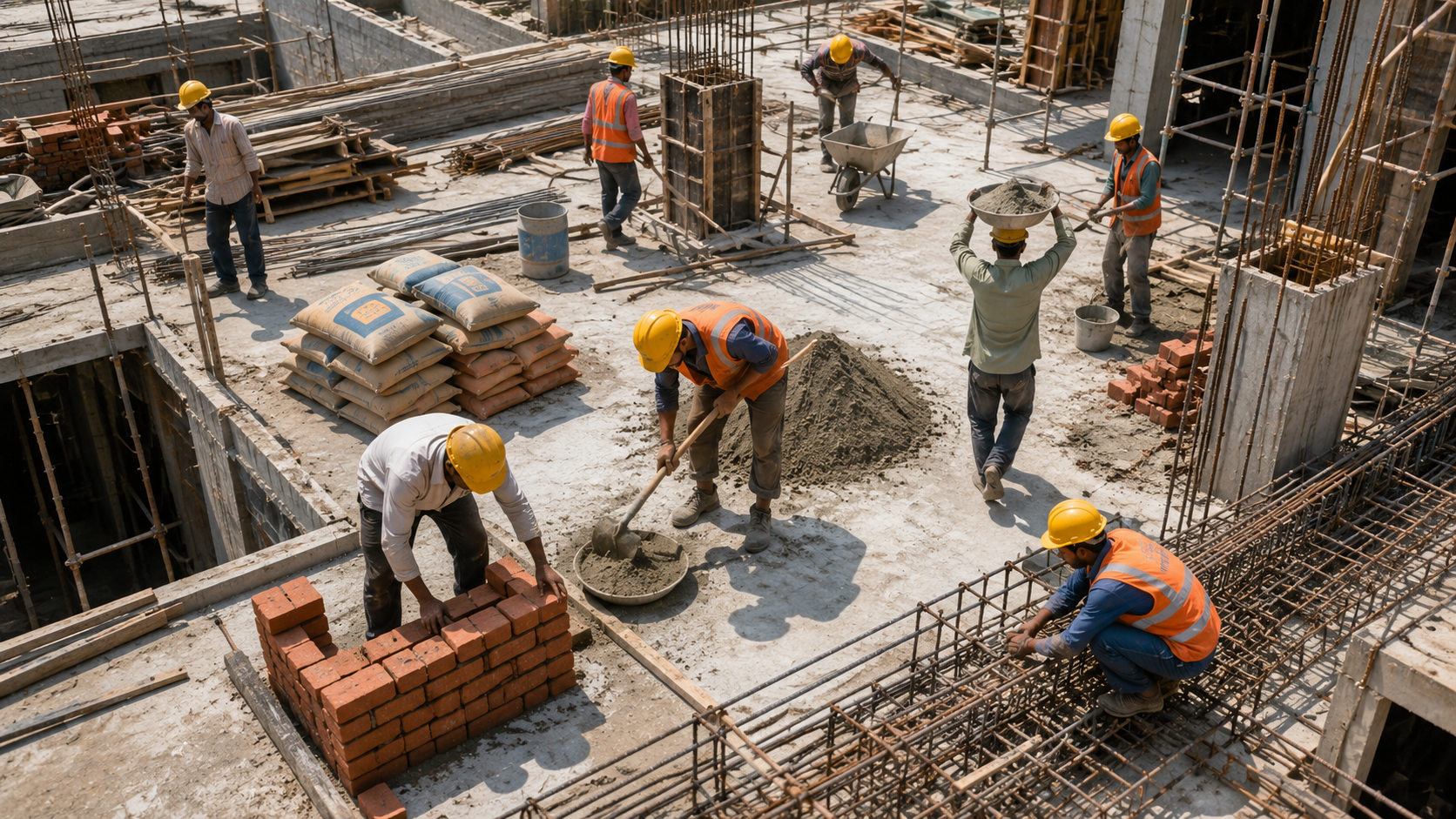
Construction labour is typically categorized into several types: skilled workers (masons, carpenters, electricians, plumbers), semi-skilled workers (helpers, assistants), and unskilled workers (general labourers). Each category has different pay scales and productivity levels. Skilled masons, who are crucial for quality construction, command premium wages, especially in competitive markets.
Contractor margins also form part of labour costs. Contractors typically charge 8-15% of total project cost as their fee, which includes worker management, site supervision, and coordination.
Productivity and Timeline Impact
Labour productivity directly affects costs. Poor site management, material delays, or weather conditions can extend project timelines, increasing labour costs. Experienced contractors and project managers available on AECORD can help optimize labour productivity and keep timelines on track.
Structural Work and Excavation
Foundation Work
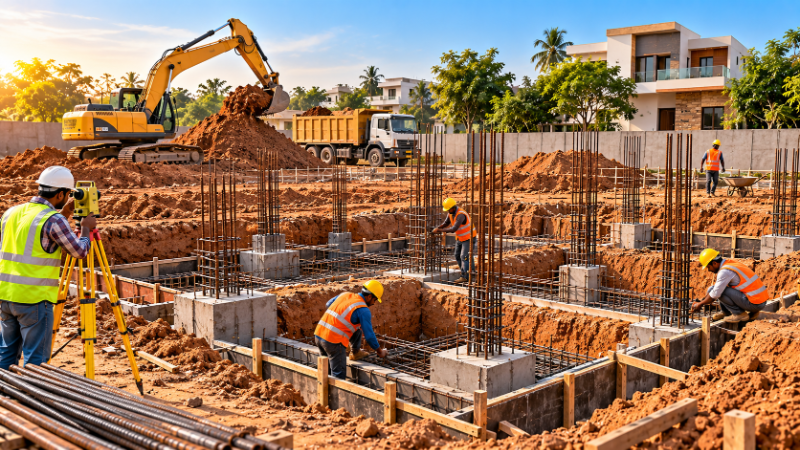
Foundation costs typically represent 8-12% of total construction cost. Shallow foundations cost ₹150-₹300 per square foot, while deep foundations or pile foundations cost ₹400-₹800 per square foot. Soil investigation and foundation design add ₹20,000-₹50,000 to your budget, but this investment prevents costly mistakes later.
Excavation and Site Preparation
Excavation costs depend on soil type and depth. In most Indian cities, excavation costs range from ₹100-₹300 per cubic meter. For a typical residential plot, excavation might cost ₹50,000-₹2,00,000. Dewatering (removing groundwater) can add significant costs in areas with high water tables.
Structural Frame
The structural frame—columns, beams, and slabs—typically accounts for 20-25% of total construction cost. This includes materials, labour, and temporary supports (shuttering and scaffolding). Shuttering alone can cost ₹50-₹100 per square foot of built-up area.
Finishing and Interior Work
Flooring
Flooring is a significant finishing expense. Ceramic tiles cost ₹50-₹150 per sq ft, marble or granite costs ₹100-₹400 per sq ft, and luxury options like imported tiles can exceed ₹500 per sq ft. For a 1000 sq ft building, flooring can cost ₹50,000-₹4,00,000 depending on material choices.
Wall Finishes
Wall finishes include plaster, putty, and paint. Plastering costs ₹20-₹40 per sq ft, while putty and painting add another ₹30-₹80 per sq ft. Wallpapers and decorative finishes can increase costs further. Total wall finishing for 1000 sq ft might range from ₹50,000-₹1,60,000.
Doors, Windows, and Hardware
Quality doors and windows are essential for comfort and security. Wooden doors cost ₹8,000-₹30,000 per unit, while aluminum or steel doors are cheaper at ₹5,000-₹15,000. Windows add another ₹3,000-₹15,000 per unit. Hardware fittings, hinges, and locks add ₹500-₹2,000 per door or window.
Electrical and Plumbing Systems
Electrical Work
Electrical installation typically costs ₹40-₹100 per square foot of built-up area. This includes wiring, conduits, switches, outlets, and the main distribution board. For a 1000 sq ft building, electrical work might cost ₹40,000-₹1,00,000. Additional costs for lighting fixtures, fans, and air conditioning connections can add another ₹20,000-₹60,000.
Plumbing and Water Supply
Plumbing work costs approximately ₹30-₹80 per square foot. This includes pipes, fittings, drainage systems, and water storage solutions. Water tanks, which are essential in most Indian cities, cost ₹15,000-₹50,000 depending on capacity. For a 1000 sq ft building, total plumbing costs might be ₹30,000-₹80,000.
Hidden and Contingency Costs
Permits and Approvals
Municipal approvals, building permits, and regulatory compliance costs vary by city but typically range from ₹50,000-₹5,00,000. In cities like Mumbai and Bangalore, these costs can be substantial due to stringent regulations and complex approval processes.
Insurance and Safety
Construction insurance, worker safety equipment, and compliance with building codes add 1-3% to your total cost. This is often overlooked but essential for protecting your investment and workers.
Contingency Buffer
Industry experts recommend maintaining a 5-10% contingency buffer for unexpected expenses, material price fluctuations, or design changes. For a ₹50 lakh project, this means keeping ₹2.5-₹5 lakh as buffer.
Overhead and Administration
Site office expenses, supervision costs, utilities during construction, and administrative overhead typically add 5-8% to total costs. This includes salaries for site engineers, office staff, and project managers.
Regional Variations in Construction Costs
Metropolitan Cities
In Mumbai, Delhi, and Bangalore, construction costs are highest due to expensive land, high labour costs, and stringent regulations. Expect to pay ₹1,500-₹2,500 per sq ft for quality construction.
Tier-2 Cities
Cities like Pune, Hyderabad, and Kolkata offer moderate costs, typically ₹1,000-₹1,500 per sq ft, with good availability of materials and skilled labour.
Tier-3 Cities and Towns
Smaller cities and towns have lower construction costs (₹800-₹1,200 per sq ft) but may face challenges in sourcing quality materials and skilled workers.
Cost Optimization Strategies
Material Procurement
Bulk purchasing of materials can yield 5-15% savings. Planning procurement timelines and leveraging market fluctuations helps reduce costs. Connecting with suppliers through AECORD can provide access to competitive pricing and quality assurance.
Labour Efficiency
Hiring experienced contractors and maintaining good site management reduces labour costs. Proper planning and coordination minimize wastage and rework.
Design Optimization
Simple, efficient designs reduce material waste and labour requirements. Consulting with architects early in the planning phase can identify cost-saving opportunities without compromising quality.
Tracking and Managing Your Construction Budget
Maintain detailed records of all expenses, get quotations from multiple suppliers, and monitor material prices regularly. Use project management tools to track spending against your budget. Regular site visits and transparent communication with contractors help identify cost overruns early.
Professional project managers and cost consultants available on AECORD can provide valuable guidance on budget management and cost control throughout your construction journey.
Conclusion
Understanding construction cost breakdown in India is essential for effective budget planning and project management. While materials remain the largest expense component, labour, structural work, and finishing costs collectively determine your total investment. Regional variations, material choices, and project complexity further influence final costs.
By comprehensively understanding where your money goes and implementing cost optimization strategies, you can build efficiently while maintaining quality. Whether you need cost consultants, experienced contractors, material suppliers, or project managers, AECORD connects you with verified AECO professionals who can help you navigate construction costs and deliver your project on budget.
Ready to start your construction project with confidence? Explore AECORD's network of experienced professionals today and get expert guidance on managing your construction budget effectively.
```
Frequently Asked Questions
What is the average construction cost per square foot in India?
Construction costs in India typically range from ₹800 to ₹2,500 per square foot, depending on location, quality standards, and project specifications. Tier-1 cities like Mumbai, Delhi, and Bangalore generally have higher costs compared to secondary cities.
How is the construction budget typically divided in India?
Construction costs in India generally break down as: materials account for 50-60% of total costs, labour contributes 20-30%, and the remaining 10-20% covers overheads, contingencies, and miscellaneous expenses. This distribution helps identify areas for cost optimization.
How much does cement cost for a construction project in India?
Cement costs approximately ₹400-₹500 per 50kg bag in India, with prices fluctuating based on market conditions and location. A typical 1000 sq ft residential construction requires 250-300 bags, translating to ₹1,00,000-₹1,50,000 for cement alone.
What is the cost of steel reinforcement in Indian construction?
Steel reinforcement (rebar) currently costs around ₹45,000-₹55,000 per ton in India. A typical 1000 sq ft building requires 8-12 tons of steel, costing ₹3,60,000-₹6,60,000, with prices fluctuating based on global market conditions and import duties.
How much do bricks and masonry materials cost in India?
Standard burnt clay bricks cost ₹4-₹8 per piece, while cement blocks cost ₹12-₹20 per piece. A 1000 sq ft building typically requires 8,000-10,000 bricks, costing ₹32,000-₹80,000 depending on material choice.