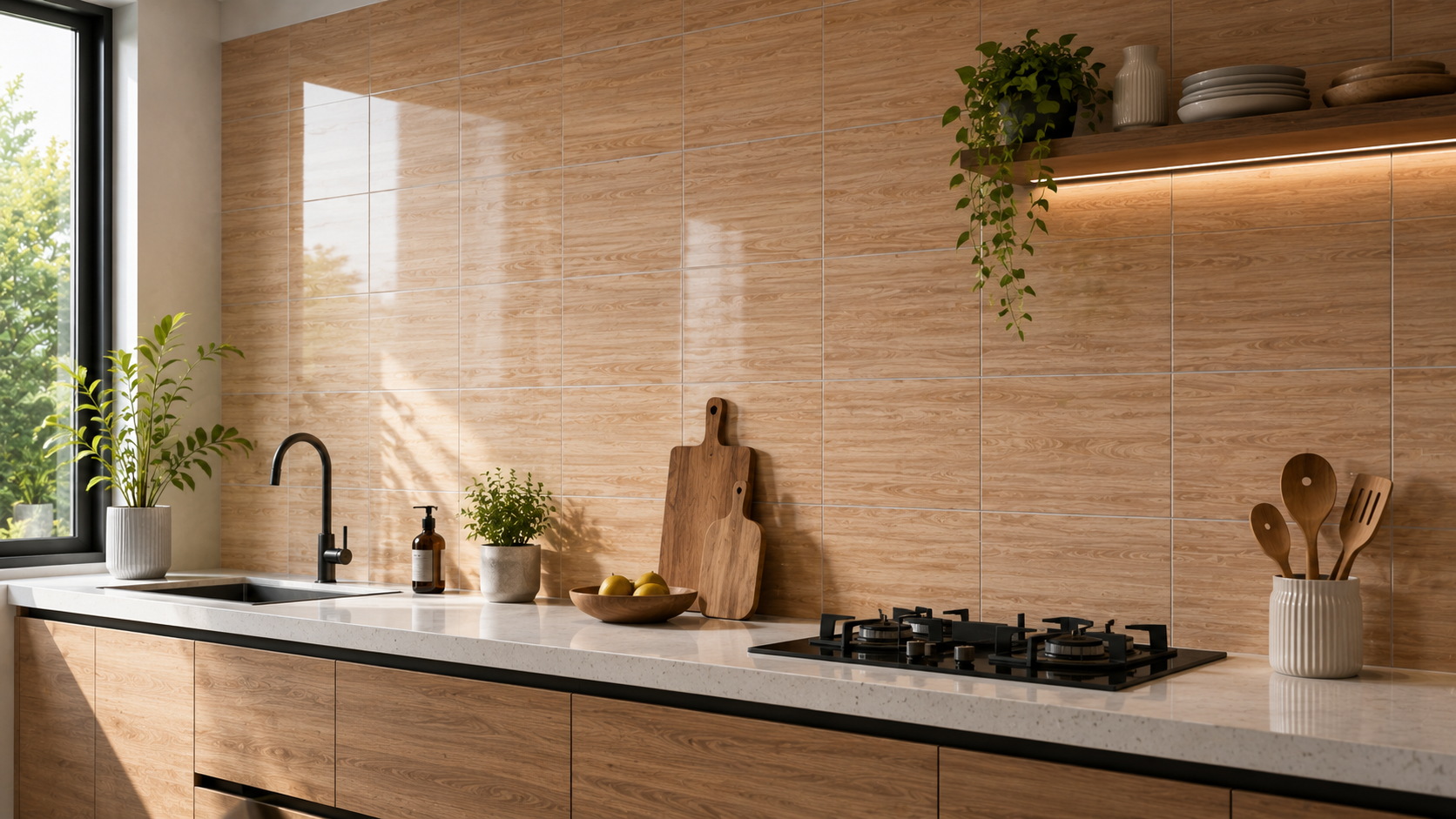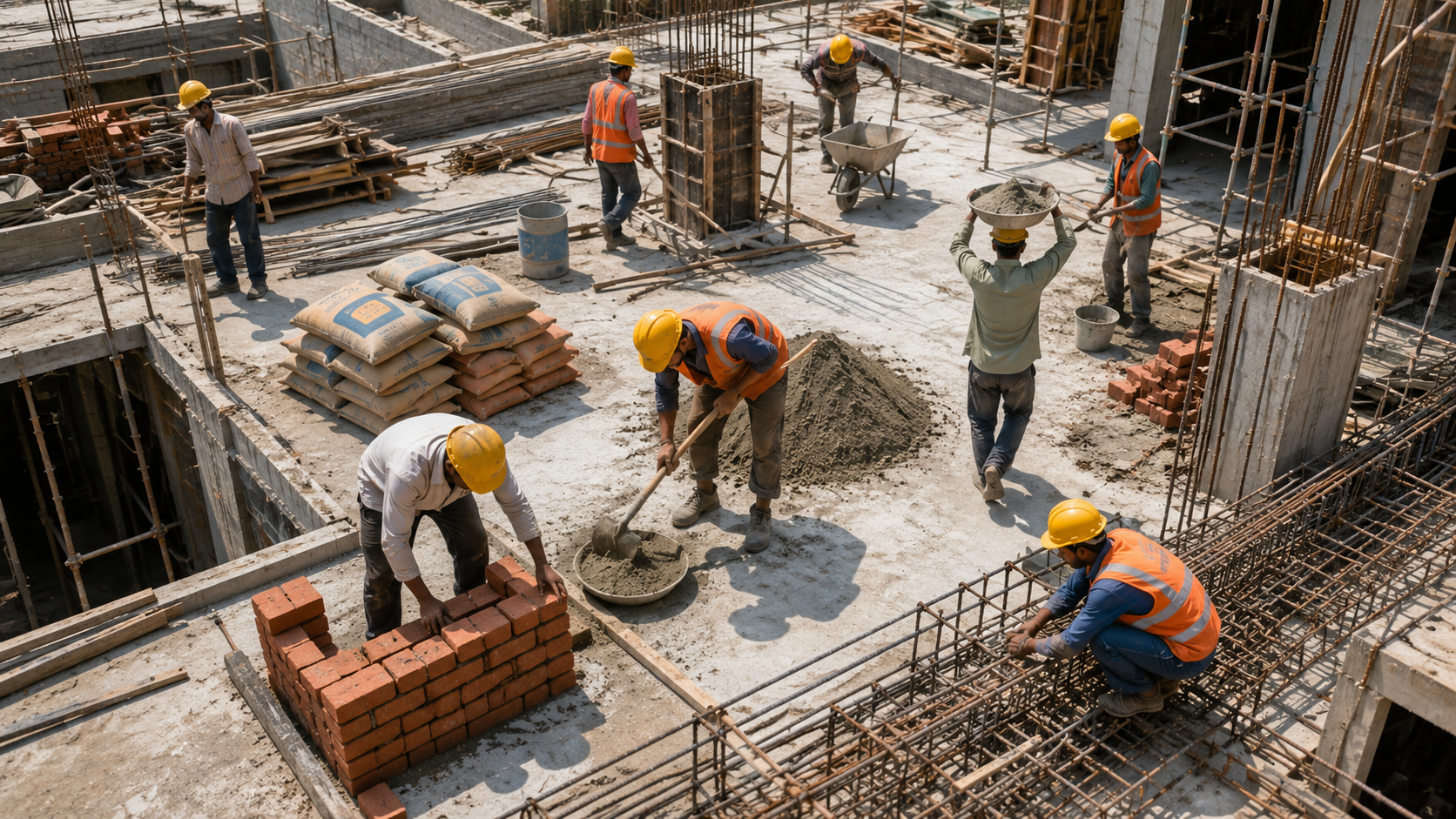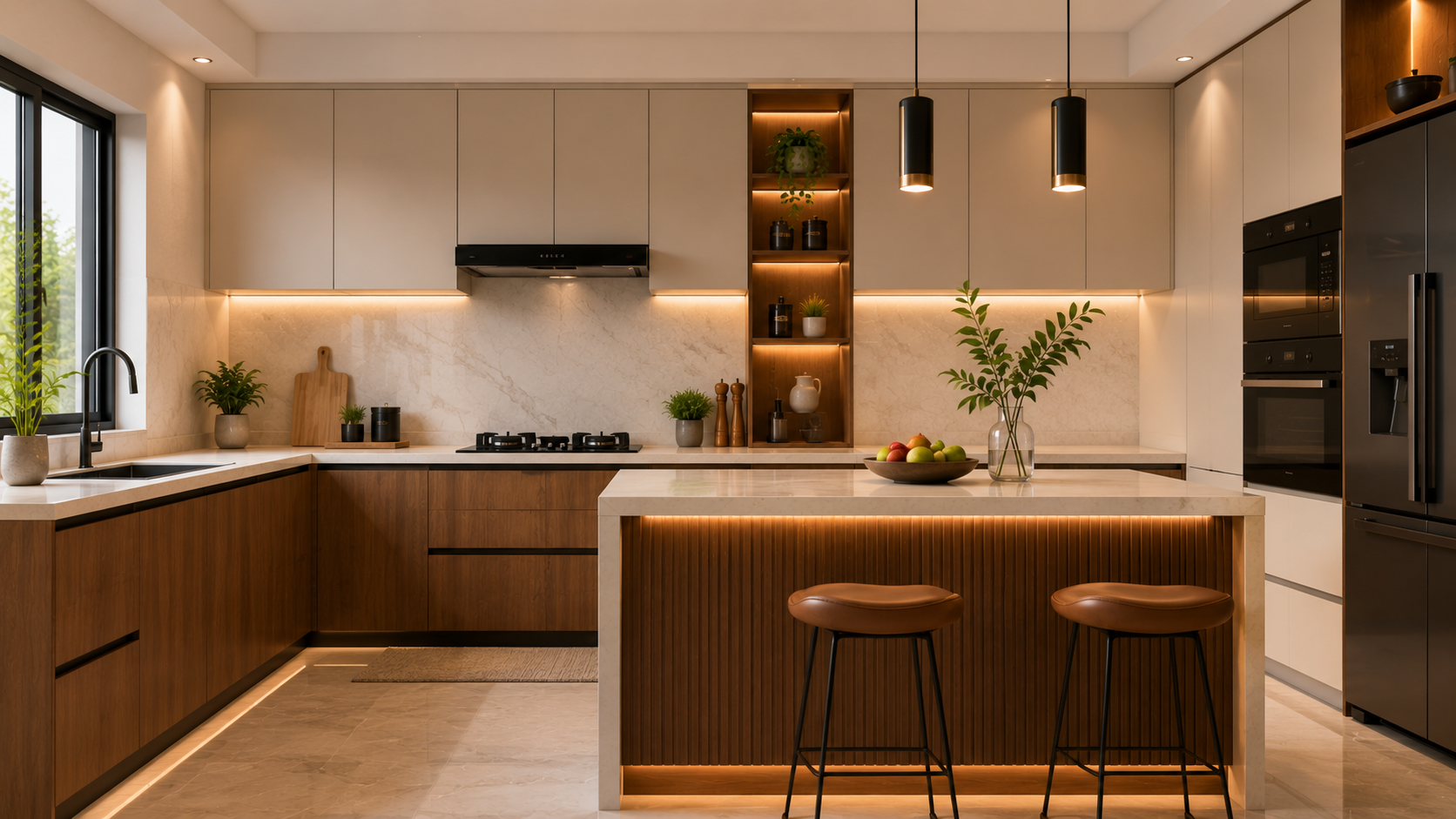


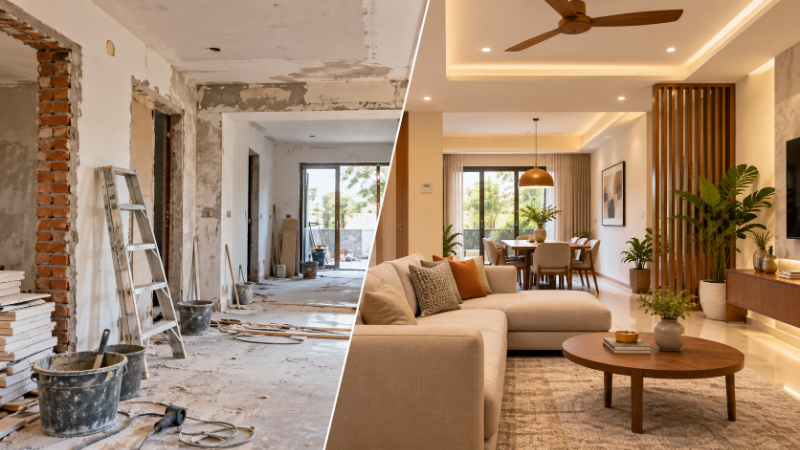
The decision between renovating and redesigning your home is one of the most significant choices a homeowner can make. As we move into 2026, the landscape of home transformation has evolved considerably, with new technologies, sustainable practices, and design trends offering fresh possibilities. Understanding the distinctions between renovation and redesign—and knowing which approach suits your needs, budget, and lifestyle—is crucial for making an informed decision.
Understanding the Fundamental Differences
Before diving into the specifics, it's essential to clarify what renovation and redesign actually mean. While these terms are often used interchangeably, they represent distinctly different approaches to transforming your living space.
Build cost · Bengaluru, May 2026
What is Home Renovation?
Renovation refers to the process of restoring a property to good condition or updating its structural and functional elements. It typically involves replacing worn-out materials, fixing structural issues, and modernizing systems like plumbing, electrical, and HVAC. Renovation is fundamentally about restoration and functionality—making your home work better, last longer, and meet current building codes and standards.
In Indian cities like Mumbai, Delhi, and Bangalore, renovation often means addressing issues like outdated wiring, plumbing leaks, water seepage, and deteriorating concrete. Many older homes in these metropolitan areas require significant renovation work to ensure safety and compliance with current regulations.
What is Home Redesign?
Redesign, on the other hand, focuses on aesthetic transformation and spatial reconfiguration. It's about changing how your space looks and functions without necessarily addressing structural issues. Redesign involves updating interior design elements, reconfiguring room layouts, changing color schemes, updating furnishings, and creating a new visual identity for your home.
Redesign is often more about expressing personal style and optimizing space utilization. It can range from simple cosmetic updates to more comprehensive interior restructuring, but it doesn't typically involve major structural work or system replacements.
Cost Comparison: 2026 Market Rates in India
One of the most critical factors influencing your decision will be budget. The costs associated with renovation and redesign vary significantly in the Indian market.
Frequently asked
Renovation Costs
Home renovation in India typically costs between ₹1,000 to ₹3,000 per square foot, depending on the scope and location. In premium markets like South Mumbai, Gurugram, or Bangalore's upscale neighborhoods, costs can exceed ₹4,000 per square foot.
A typical renovation project for a 1,500 sq ft apartment in a major Indian city might cost:
Basic renovation: ₹15-20 lakhs
Mid-range renovation: ₹25-35 lakhs
Premium renovation: ₹40-50 lakhs or more
These costs include structural repairs, waterproofing, electrical and plumbing upgrades, flooring, and painting. Major renovations involving wall demolition or system overhauls can push costs significantly higher.
Redesign Costs
Redesign projects are generally more budget-friendly, typically ranging from ₹300 to ₹1,200 per square foot. A comprehensive redesign for the same 1,500 sq ft apartment might cost:
Basic redesign: ₹5-8 lakhs
Mid-range redesign: ₹10-15 lakhs
Premium redesign: ₹18-25 lakhs
Redesign costs primarily cover interior design services, furnishings, paint, lighting fixtures, and aesthetic upgrades—not structural or system work.
When to Choose Renovation
Renovation becomes necessary when your home has underlying issues that affect its safety, durability, and functionality. Consider renovation if:
Structural and Safety Issues
If your home shows signs of structural damage—cracks in walls, sagging ceilings, or foundation issues—renovation is essential. These problems won't improve with aesthetic updates and can worsen over time, compromising your home's integrity and safety.
Aging Systems and Infrastructure
Homes with outdated electrical wiring, corroded plumbing, or non-functional HVAC systems require renovation. In India's climate, issues like water seepage and dampness are common in older buildings and demand proper renovation solutions, not just cosmetic fixes.
Regulatory Compliance
Older homes in Indian cities often don't meet current building codes and municipal regulations. Renovation ensures compliance with fire safety standards, electrical codes, and structural requirements mandated by local authorities in cities like Delhi, Mumbai, and Hyderabad.
Long-Term Value Addition
If you plan to sell your property or want to maximize its resale value, renovation is typically a better investment. Structural improvements and system upgrades provide tangible value that potential buyers recognize and appreciate.
Health and Comfort Concerns
Issues like poor ventilation, mold growth, inadequate natural light, or thermal discomfort often require renovation-level interventions. Simply redesigning won't address the root causes of these problems.
When to Choose Redesign
Redesign is the right choice when your home's bones are solid but its appearance and spatial organization need updating. Opt for redesign when:
Your Home is Structurally Sound
If your home has no significant structural issues, adequate plumbing and electrical systems, and good bones, redesign can give it a complete transformation without major expenditure.
You Want Quick Transformation
Redesign projects typically take 4-8 weeks, while renovations can take 3-6 months or longer. If you need to refresh your space quickly, redesign is the faster option.
Budget Constraints
If your budget is limited, redesign offers excellent value. You can achieve dramatic visual changes through strategic use of color, lighting, furniture, and spatial reconfiguration without the expense of structural work.
Frequent Style Updates
If you like to refresh your home's look periodically, redesign is more flexible and cost-effective than renovation. You can update your space as design trends evolve without major financial commitments.
Rental Property Optimization
For rental properties, strategic redesign can increase appeal and rental value without the substantial investment required by renovation. This is particularly relevant in competitive rental markets like Bangalore and Pune.
The 2026 Design Trends Influencing Your Decision

As we move through 2026, several design and renovation trends are shaping homeowner decisions across India:
Sustainable and Eco-Friendly Approaches
Both renovation and redesign increasingly incorporate sustainability. Renovation projects now often include energy-efficient systems, water-saving fixtures, and eco-friendly materials. Redesign embraces sustainable furnishings, natural materials, and energy-efficient lighting solutions.
Multi-Functional Spaces
Post-pandemic work-from-home trends continue to influence how Indians use their homes. Both renovation and redesign now prioritize creating flexible spaces that serve multiple purposes—combining living areas with home offices, for example.
Biophilic Design
Integration of nature into living spaces through plants, natural materials, and natural light is increasingly popular. This can be achieved through redesign (adding plants and natural elements) or renovation (creating better ventilation and light access).
Smart Home Integration
Smart home technology is becoming standard in both renovation and redesign projects. Renovation allows for integrated smart systems during construction, while redesign can incorporate smart devices and automation more flexibly.
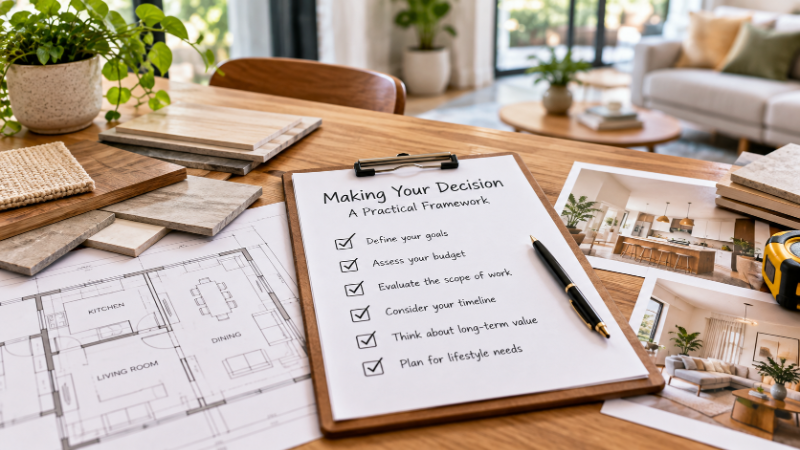
Making Your Decision: A Practical Framework
To determine whether renovation or redesign is right for your situation, consider this framework:
Step 1: Professional Assessment
Before making any decision, get a professional inspection. A structural engineer or experienced contractor can identify hidden issues that might require renovation. This is a crucial first step that prevents costly mistakes later.
Step 2: Define Your Goals
Are you primarily concerned with aesthetics, functionality, longevity, or a combination? Your primary goals will heavily influence whether renovation or redesign makes more sense.
Step 3: Evaluate Your Timeline
How quickly do you need results? Redesign offers faster turnaround, while renovation requires more time for planning and execution.
Step 4: Consider Your Budget Flexibility
Renovations often encounter unexpected costs as hidden issues are discovered. Redesign budgets are typically more predictable. Factor in contingency planning based on your financial comfort level.
Step 5: Think Long-Term
If you plan to stay in your home for 10+ years, renovation's long-term benefits justify the investment. If you might move within 5 years, redesign offers better cost-efficiency.
Hybrid Approach: Combining Renovation and Redesign
Many homeowners find that a hybrid approach works best. This involves addressing necessary structural and functional issues through targeted renovation while simultaneously undertaking comprehensive redesign of other areas.
For example, you might renovate your kitchen and bathrooms (high-impact areas requiring system updates) while redesigning your living and bedroom areas. This balanced approach ensures your home is both functionally sound and aesthetically current, spreading costs across your budget more manageable.
When planning a hybrid approach, working with experienced professionals who understand both renovation and design is crucial. Platforms like AECORD connect you with qualified architects, interior designers, and contractors who can help you navigate this combined approach effectively.
Working with Professionals: Finding the Right Team
Whether you choose renovation, redesign, or a hybrid approach, professional guidance is invaluable. The right team can help you:
Accurately assess your home's condition and needs
Develop a realistic budget and timeline
Navigate local regulations and compliance requirements
Access quality materials and skilled labor
Manage the project efficiently and professionally
On AECORD, India's leading B2B2C marketplace for AECO professionals, you can find vetted architects, interior designers, and contractors specializing in both renovation and redesign projects. The platform makes it easy to compare professionals, review their portfolios, and connect with those who have experience in your specific city and project type.
Common Mistakes to Avoid
As you make your decision, be aware of these common pitfalls:
Underestimating Hidden Issues
Renovation projects often reveal problems not visible during initial inspection. Always budget 10-15% contingency for unexpected costs.
Confusing Cosmetic with Functional
Painting over water stains or rearranging furniture won't fix underlying moisture problems. Ensure you're addressing root causes, not just symptoms.
Ignoring Local Regulations
Indian cities have specific building codes and regulations. Ensure your project complies with local requirements in your area, whether in Hyderabad, Chennai, or Kolkata.
Skimping on Professional Guidance
Attempting major renovation or complex redesign without professional input often leads to costlier mistakes. Professional expertise typically pays for itself through better outcomes and efficient execution.
Your Path Forward in 2026
The choice between renovation and redesign isn't one-size-fits-all. It depends on your home's condition, your goals, your budget, and your timeline. Many homeowners benefit from a careful assessment of their specific situation and professional guidance tailored to their needs.
As you plan your home transformation in 2026, remember that the best choice is the one that aligns with your home's actual needs and your personal priorities. Whether you opt for comprehensive renovation, strategic redesign, or a thoughtful combination of both, investing in quality professional guidance will ensure your investment delivers the results you're hoping for.
Ready to start your home transformation journey? AECORD makes it simple to connect with experienced architects, interior designers, and contractors across India who specialize in both renovation and redesign projects. Browse portfolios, compare professionals, and find the right team to bring your vision to life. Visit AECORD today to explore qualified professionals in your city and take the first step toward transforming your home.
Frequently Asked Questions
What is the difference between home renovation and redesign?
Renovation focuses on restoring a property to good condition by replacing worn-out materials, fixing structural issues, and modernizing systems like plumbing and electrical. Redesign, however, is about aesthetic transformation and spatial reconfiguration without necessarily addressing structural problems, involving updates to interior design, color schemes, and room layouts.
How much does home renovation cost in India in 2026?
Home renovation in India typically costs between ₹1,000 to ₹3,000 per square foot, with premium markets exceeding ₹4,000 per square foot. For a 1,500 sq ft apartment, basic renovation ranges from ₹15-20 lakhs, mid-range from ₹25-35 lakhs, and premium from ₹40-50 lakhs or more.
Is home redesign cheaper than renovation?
Yes, redesign is generally more budget-friendly, ranging from ₹300 to ₹1,200 per square foot compared to renovation's ₹1,000 to ₹3,000 per square foot. A comprehensive redesign for a 1,500 sq ft apartment typically costs ₹5-25 lakhs depending on the scope, versus ₹15-50 lakhs for renovation.
When should homeowners choose renovation over redesign?
Renovation becomes necessary when your home has underlying issues affecting safety, durability, and functionality, such as structural problems, outdated wiring, plumbing leaks, water seepage, or deteriorating concrete that need to meet current building codes and standards.
What does home redesign include?
Home redesign includes interior design services, furnishings, paint, lighting fixtures, and aesthetic upgrades focused on changing how your space looks and functions. It covers reconfiguring room layouts, updating color schemes, and creating a new visual identity without involving major structural work or system replacements.