

Understanding Low-Carbon Concrete: The Basics
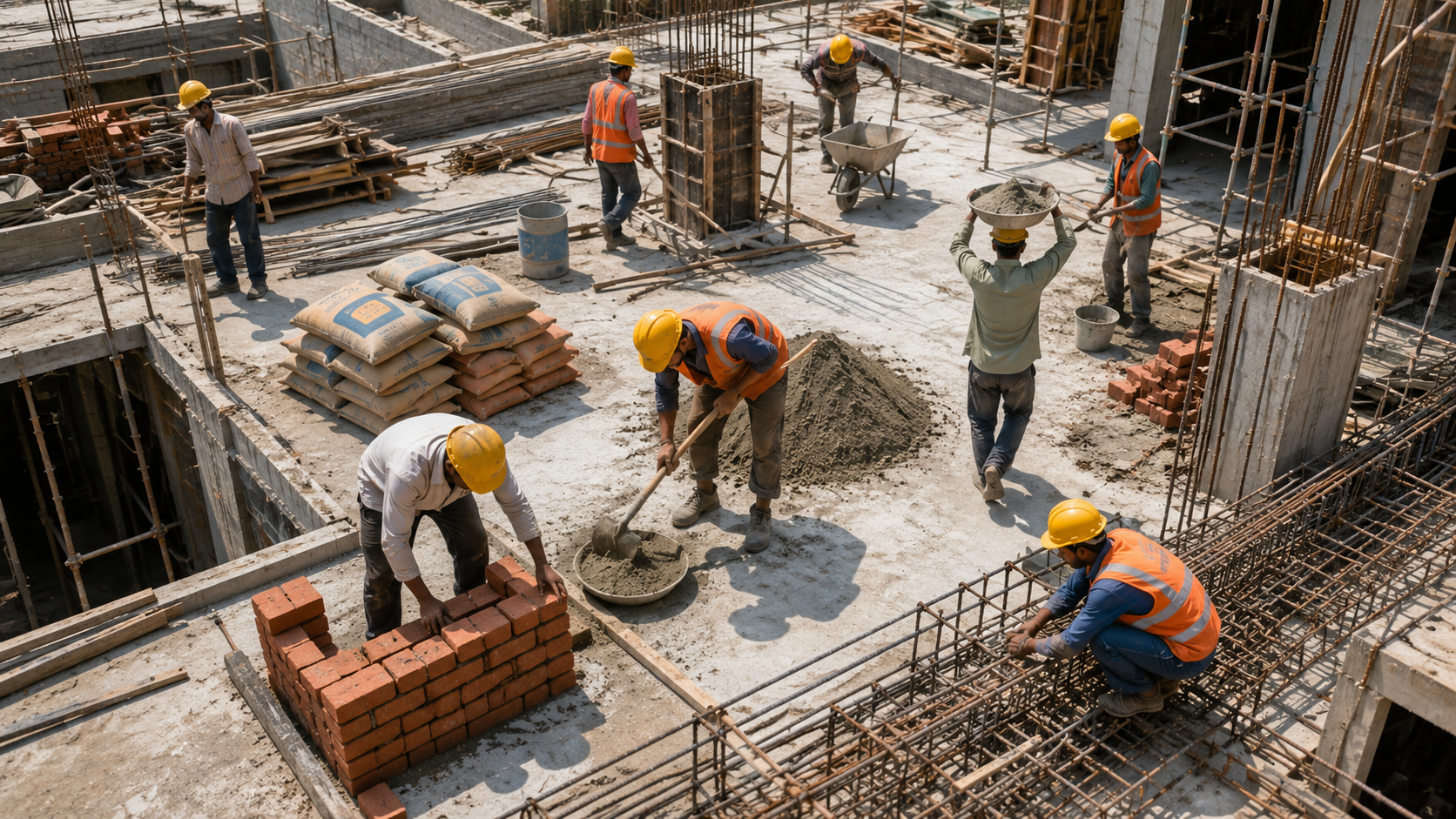
Low-carbon concrete represents a significant shift in how the construction industry approaches building materials in India. As environmental concerns become increasingly important and regulatory frameworks tighten, architects and engineers must understand this sustainable alternative to conventional concrete. Low-carbon concrete is essentially concrete produced with reduced carbon dioxide emissions throughout its lifecycle—from raw material extraction to transportation and curing.
Traditional Portland cement production accounts for approximately 8% of global carbon dioxide emissions. In India, where construction activity is booming across metropolitan areas like Bangalore, Mumbai, Delhi, and Pune, the demand for sustainable building materials has never been more critical. Low-carbon concrete achieves emission reductions through various methods, including the use of supplementary cementitious materials, alternative binders, and optimized mix designs.
The importance of adopting low-carbon concrete extends beyond environmental responsibility. It aligns with India's commitment to the Paris Climate Agreement and supports the government's goal of achieving net-zero emissions by 2070. For architects, specifying low-carbon concrete can enhance project credentials, meet green building certifications like LEED and IGBC, and appeal to environmentally conscious clients and investors.
Build cost · Bengaluru, May 2026
Key Materials Used in Low-Carbon Concrete Production
Supplementary Cementitious Materials (SCMs)
Supplementary cementitious materials are the backbone of low-carbon concrete technology. These materials partially replace Portland cement, reducing the overall carbon footprint of the concrete mix.
Fly Ash: Generated from coal-fired power plants across India, fly ash is an industrial byproduct that possesses pozzolanic properties. When added to concrete, it reacts with calcium hydroxide to form additional cementitious compounds. India produces millions of tonnes of fly ash annually, making it readily available in regions near thermal power stations in states like Odisha, Chhattisgarh, and Jharkhand.
Ground Granulated Blast Furnace Slag (GGBFS): This byproduct from iron manufacturing contains latent hydraulic properties that activate in the presence of alkali. GGBFS is particularly effective in reducing concrete permeability and improving durability. Major steel-producing regions like Jamshedpur and Rourkela have abundant supplies of this material.
Silica Fume: A highly reactive pozzolanic material, silica fume is a byproduct of silicon metal production. Though less readily available than fly ash or GGBFS in India, it offers excellent performance in high-strength, low-carbon applications.
Calcined Clay: An emerging material in the Indian market, calcined clay (metakaolin) is produced by heating natural clay minerals. It's gaining traction as a sustainable alternative to imported materials and is being promoted by various research institutions across India.
Alternative Binders and Cements
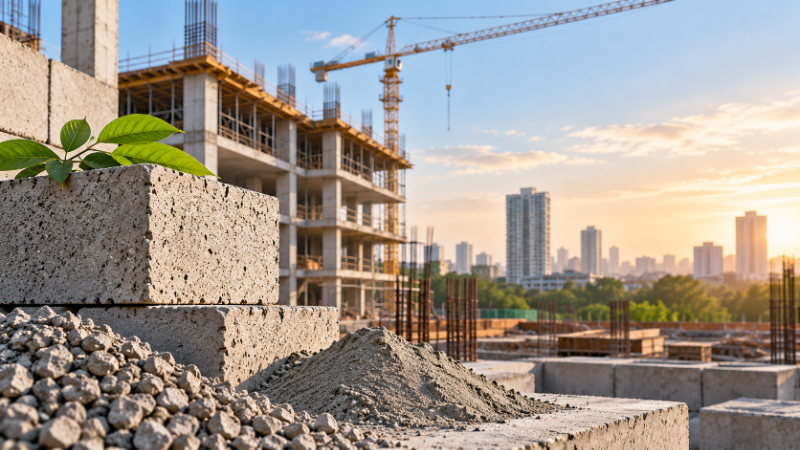
Beyond traditional Portland cement, several alternative binders are reshaping the low-carbon concrete landscape in India:
Limestone Calcined Clay Cement (LC3): This innovative cement type combines limestone, clay, and clinker in optimized proportions. Research institutions in India have demonstrated that LC3 can reduce carbon emissions by up to 40% compared to ordinary Portland cement.
Geopolymer Concrete: Made from industrial waste materials like fly ash and GGBFS, geopolymer concrete offers substantial carbon reductions. However, its adoption in India remains limited due to technical expertise requirements and cost considerations.
Composite Cements: These blended cements combine Portland cement with multiple SCMs, offering flexibility in achieving desired performance characteristics while maintaining lower carbon footprints.
Frequently asked
Environmental Benefits of Low-Carbon Concrete
The environmental advantages of transitioning to low-carbon concrete are substantial and multifaceted. The primary benefit is carbon dioxide reduction—concrete mixes incorporating 30-50% SCMs can reduce embodied carbon by 25-40% compared to conventional concrete. For large-scale projects in Indian cities, this translates to significant environmental impact.
Beyond carbon reduction, low-carbon concrete offers additional environmental advantages. The use of industrial byproducts like fly ash and GGBFS diverts waste from landfills, reducing environmental burden. This circular economy approach is particularly valuable in India, where waste management remains a challenge in rapidly developing urban centers.
Low-carbon concrete also typically requires less water during production and often demonstrates superior durability characteristics, meaning structures require less maintenance and repair over their lifespans. This extended service life reduces the need for reconstruction, further minimizing environmental impact.
Performance Characteristics and Technical Considerations
Strength Development
One common misconception is that low-carbon concrete sacrifices strength. In reality, properly designed low-carbon mixes achieve excellent compressive strengths. However, architects should understand that strength development rates differ from conventional concrete. Mixes with high SCM content typically develop strength more slowly in early ages but achieve comparable or superior long-term strengths.
For projects requiring early formwork removal or rapid construction schedules, engineers can optimize mix designs with accelerators or adjust SCM proportions. This flexibility allows architects to specify low-carbon concrete even for demanding applications across Indian construction sites.
Durability and Longevity
Low-carbon concrete often outperforms conventional concrete in durability metrics. The dense microstructure created by pozzolanic reactions provides superior resistance to chloride penetration, sulfate attack, and carbonation—critical considerations for Indian projects exposed to coastal environments or industrial pollution.
In cities like Mumbai and Kochi, where marine exposure accelerates concrete degradation, low-carbon concrete specifications can significantly extend structure lifespan. This improved durability justifies any marginal cost premiums and delivers better value over the building's lifecycle.
Workability and Construction
Concrete incorporating SCMs may exhibit different workability characteristics than conventional mixes. Fly ash typically improves workability, reducing water demand and enhancing flow. GGBFS can increase viscosity, requiring careful mix design and potentially higher water content. Architects and contractors must communicate closely with concrete suppliers to ensure specifications match site requirements and construction methods.
Cost Implications for Indian Projects
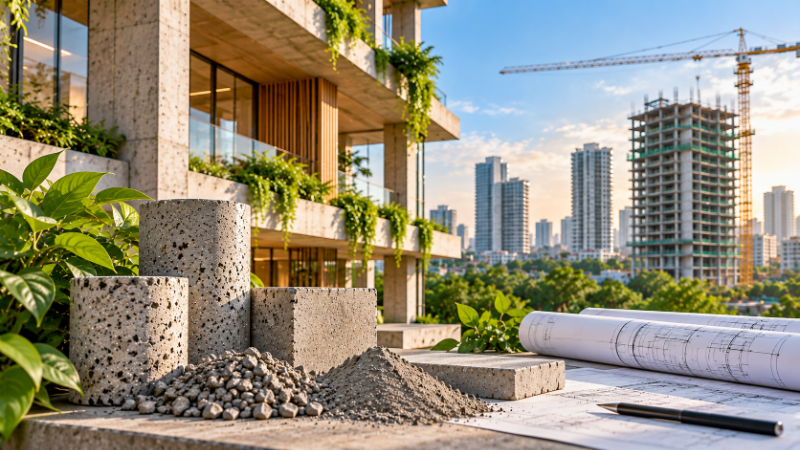
Cost is often the primary concern for architects considering low-carbon concrete. The financial picture is more nuanced than simple material cost comparisons.
Initial concrete costs for low-carbon mixes may range from 5-15% higher than conventional concrete, depending on SCM availability in the region and current market conditions. In 2024, conventional M30 concrete in major Indian cities typically costs ₹4,500-5,500 per cubic meter, while low-carbon variants might range from ₹4,800-6,200 per cubic meter.
However, lifecycle cost analysis often favors low-carbon concrete. Reduced maintenance requirements, extended service life, and potential premium valuations for sustainable buildings offset initial cost premiums. Additionally, as demand increases and supply chains mature, costs are expected to decrease. Projects utilizing locally available materials like fly ash from nearby thermal plants can achieve cost competitiveness more easily than those in regions requiring imported SCMs.
For architects evaluating project economics, considering embodied carbon costs alongside financial costs provides a more complete picture. Many clients increasingly value carbon reduction metrics, potentially justifying slightly higher material costs.
Applications in Indian Architecture and Construction
Commercial and Institutional Buildings
Low-carbon concrete is particularly well-suited for large commercial and institutional projects where volume justifies supply chain optimization. Office towers, shopping centers, and educational institutions in metropolitan areas benefit from both sustainability credentials and durability advantages. Major cities like Bangalore, which hosts numerous tech campuses, have seen increased adoption of low-carbon specifications.
Infrastructure and Transportation
Roads, bridges, and metro rail projects represent significant concrete consumption opportunities. Low-carbon concrete's superior durability makes it ideal for infrastructure requiring minimal maintenance over decades. Several Indian metro systems have begun incorporating low-carbon specifications in recent projects.
Residential Construction
Residential developers increasingly recognize that sustainability features enhance marketability. Multi-story residential complexes in cities like Pune, Hyderabad, and Chennai are incorporating low-carbon concrete as part of comprehensive green building strategies. Buyers increasingly demand sustainable credentials, making low-carbon specifications a competitive advantage.
Industrial and Specialized Applications
Industrial facilities, warehouses, and specialized structures benefit from low-carbon concrete's durability and performance characteristics. Projects requiring chemical resistance or exposure to harsh environments often specify mixes with specific SCM combinations optimized for those conditions.
Regulatory Framework and Green Building Certifications
India's regulatory landscape increasingly supports low-carbon concrete adoption. The Energy Conservation Building Code (ECBC) and various state building codes recognize and encourage sustainable material specifications. Green building certification systems like IGBC (Indian Green Building Council) and LEED provide points for embodied carbon reduction, incentivizing architects to specify low-carbon materials.
The Ministry of Power's guidelines promote fly ash utilization in concrete, and several states have mandated minimum fly ash percentages in government construction projects. Understanding these regulatory drivers helps architects position low-carbon concrete as a compliance necessity rather than an optional upgrade.
When searching for specialized expertise in low-carbon concrete design and specification, architects can leverage platforms like AECORD, India's comprehensive B2B2C marketplace for AECO professionals, to connect with concrete engineers, material suppliers, and sustainability consultants experienced in low-carbon applications.
Challenges and Limitations
Supply Chain Consistency
The availability and quality of SCMs vary significantly across Indian regions. While fly ash is abundant near thermal power plants, availability decreases in remote areas. This geographic variability complicates standardization and requires localized sourcing strategies.
Technical Knowledge Gaps
Many contractors and site engineers lack experience with low-carbon concrete specifications. Training and capacity building are essential for successful implementation. Architects must provide detailed specifications and ensure construction teams understand material characteristics and handling requirements.
Testing and Quality Assurance
Low-carbon concrete requires specialized testing protocols to verify performance characteristics. Not all laboratories in India possess equipment or expertise for comprehensive low-carbon concrete testing, particularly for advanced materials like geopolymer concrete.
Market Perception
Despite environmental benefits, some clients remain skeptical about low-carbon concrete performance. Overcoming perception barriers requires education, case studies, and demonstrated project success in Indian contexts.
Best Practices for Architects Specifying Low-Carbon Concrete
Conduct Early Supplier Engagement: Identify concrete suppliers and material sources before finalizing specifications. Understanding local availability of SCMs influences mix design decisions and cost estimates.
Optimize Mix Design: Work with concrete technologists to develop mixes balancing performance requirements, cost constraints, and carbon reduction goals. One-size-fits-all approaches rarely deliver optimal results.
Provide Comprehensive Documentation: Detailed specifications, drawings, and performance requirements help contractors execute low-carbon concrete properly. Include testing protocols, acceptance criteria, and quality assurance procedures.
Plan for Early-Age Management: If specifying high-SCM mixes with slower strength development, plan construction schedules accordingly. Temporary supports or modified formwork removal schedules may be necessary.
Document and Monitor Performance: Establish monitoring protocols to track concrete performance over time. This data supports future low-carbon specifications and contributes to industry knowledge base in India.
Communicate Value to Stakeholders: Help clients understand lifecycle benefits, regulatory advantages, and market value implications of low-carbon specifications. Clear communication builds confidence in material selection.
Future Trends and Opportunities
The low-carbon concrete market in India is poised for significant growth. Emerging technologies like carbon capture and utilization (CCU) in concrete, recycled aggregate concrete, and advanced binders show promise for even greater carbon reductions. Research institutions across India are actively developing and testing these innovations.
As costs decrease and technical expertise increases, low-carbon concrete will transition from a premium specification to standard practice. Architects who develop expertise now position themselves as thought leaders in sustainable design.
The convergence of regulatory requirements, client demand, and technical advancement creates compelling reasons for architects to embrace low-carbon concrete. Whether designing in Bangalore, Mumbai, Delhi, or emerging metropolitan areas, specifying low-carbon concrete demonstrates commitment to sustainable practice while delivering superior buildings.
Conclusion
Low-carbon concrete represents a practical, performance-proven approach to reducing construction's environmental impact in India. By understanding available materials, technical characteristics, and application strategies, architects can confidently specify low-carbon concrete for diverse project types.
The transition to low-carbon concrete isn't simply an environmental imperative—it's a business opportunity. Projects leveraging these materials achieve better long-term performance, meet regulatory requirements, and appeal to increasingly sustainability-conscious clients.
Ready to incorporate low-carbon concrete into your next project? Connect with experienced concrete engineers, sustainability consultants, and material suppliers through AECORD, where you'll find professionals specializing in low-carbon solutions and sustainable construction practices across India. Whether you're designing a commercial tower in Bangalore, residential complex in Pune, or infrastructure project in any Indian city, AECORD helps you find the right expertise to bring your sustainable vision to life.
Frequently Asked Questions
What is low-carbon concrete and why is it important in India?
Low-carbon concrete is concrete produced with reduced carbon dioxide emissions throughout its lifecycle by using supplementary materials and optimized mix designs. It's important in India because traditional Portland cement production accounts for 8% of global CO2 emissions, and adopting low-carbon alternatives helps India meet its Paris Climate Agreement commitments and net-zero emissions goal by 2070.
What are supplementary cementitious materials in low-carbon concrete?
Supplementary cementitious materials (SCMs) like fly ash, GGBFS, silica fume, and calcined clay partially replace Portland cement to reduce the concrete's carbon footprint. These industrial byproducts are readily available in India from power plants and steel manufacturing regions, making them cost-effective and sustainable alternatives.
How much can LC3 cement reduce carbon emissions compared to regular cement?
Limestone Calcined Clay Cement (LC3) can reduce carbon emissions by up to 40% compared to ordinary Portland cement. This innovative cement type combines limestone, clay, and clinker in optimized proportions and is gaining traction in India as a sustainable alternative.
Can low-carbon concrete help architects achieve green building certifications?
Yes, specifying low-carbon concrete can help projects meet green building certifications like LEED and IGBC. It enhances project credentials, appeals to environmentally conscious clients and investors, and demonstrates commitment to sustainable construction practices.
What is geopolymer concrete and why isn't it widely used in India yet?
Geopolymer concrete is made from industrial waste materials like fly ash and GGBFS and offers substantial carbon reductions. Its adoption in India remains limited due to technical expertise requirements and higher cost considerations compared to traditional low-carbon concrete options.