

Smart Home Design Ideas to Reduce Heat Naturally in Summer

Introduction
Reduce heat in home naturally by using smart home design ideas that improve airflow, block sunlight, and create a cooler indoor space without relying on air conditioning. Keeping your living space comfortable during summer can be challenging due to rising temperatures. Instead of depending fully on air conditioning, smart design strategies can help regulate indoor temperature naturally. By improving airflow, selecting suitable materials, and limiting direct sun exposure, you can create a naturally comfortable and energy-efficient environment to stay cool in the summer. This guide shares practical ways to reduce the temperature, improve indoor comfort, and prevent heat buildup during the Indian summer. These smart design ideas help create a cooler home environment naturally while reducing dependence on air conditioning. During the summer, there are tips to keep your home cool effectively. In an Indian summer, homes often face a significant amount of heat This is due to constant sunlight exposure that can absorb heat. Without proper design, surfaces can trap heat and increase discomfort indoors. Simple strategies can help reduce the temperature and prevent heat buildup, making it easier to keep house balanced in summer and create a naturally refreshing space to stay comfortable during the scorching summer.
Why Your Home Gets Hot in Summer
Many homes face a significant amount of heat during the Indian summer due to poor design and lack of airflow. Surfaces tend to trap heat, increasing indoor discomfort and making it harder to maintain a pleasant temperature inside your home. Using smart solutions can help reduce the temperature and prevent heat buildup effectively. Homes become warm due to constant sun exposure, restricted air movement, and heat-absorbing surfaces, which can reduce heat and make it harder to keep your home well-regulated in the summer. Roofs, walls, and windows store warmth during the day and release it slowly, contributing to heat gain and increasing indoor temperature. Poor circulation adds to discomfort, making it harder to maintain a pleasant indoor environment and increasing the amount of heat entering your home. Best Materials to Keep Homes Cool
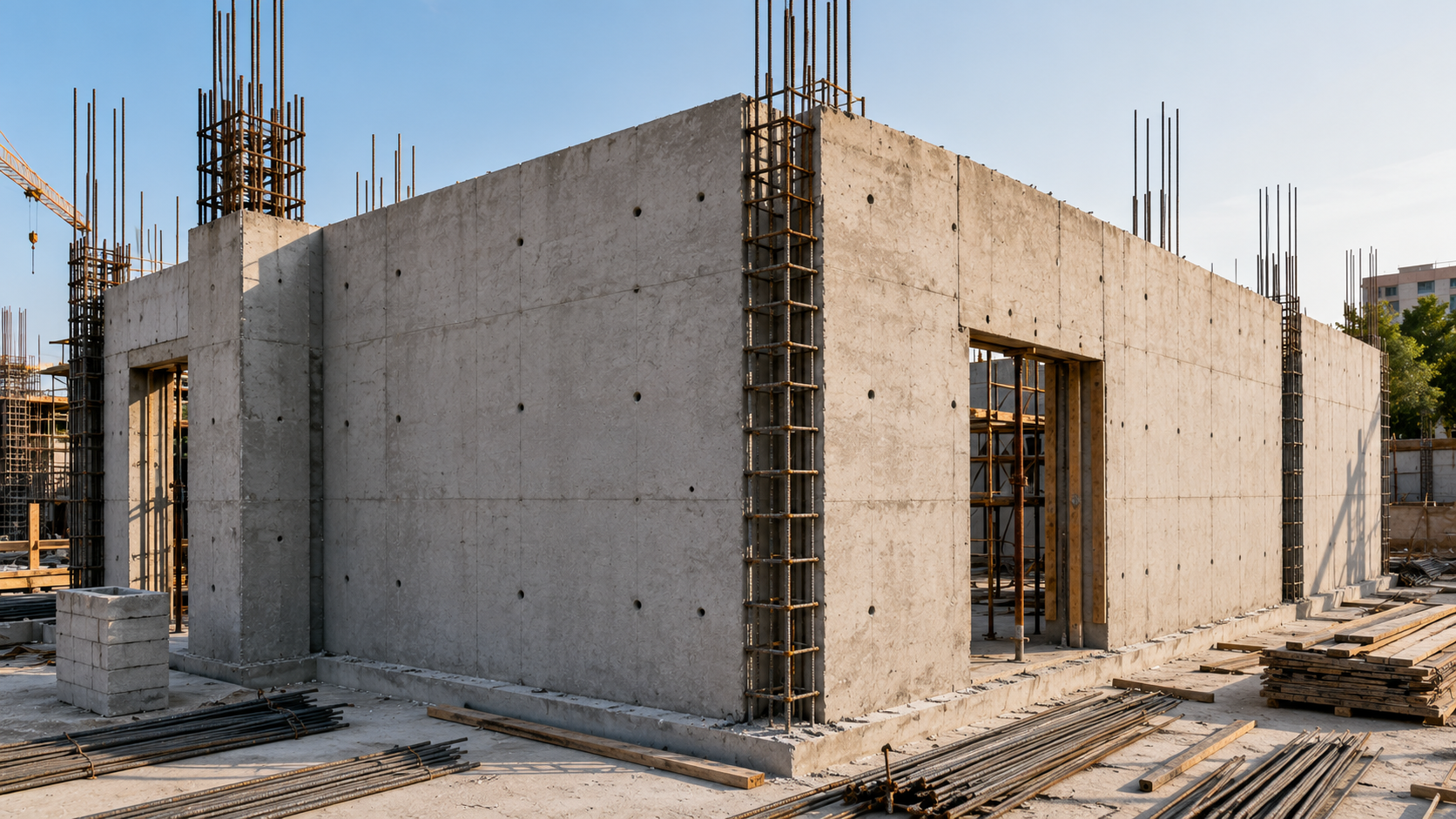
Using materials like clay tiles, reflective paints, and insulated walls can help reduce indoor heat significantly.
Build cost · Bengaluru, May 2026
Improve Ventilation
Cross ventilation allows fresh air to flow through your home and push out hot air.
Smart Ways to Reduce Heat in the Home Naturally
There are practical solutions to improve indoor conditions during hot months to help beat the heat.
Improve air circulation across rooms to enhance the cooling effect and maintain a cool home.
Use light-coloured finishes to reflect sunlight
Limit direct sun exposure during peak hours as a way to keep your home cool and prevent much heat buildup.
Ensure proper ventilation for fresh air movement to help reduce heat gain and maintain a pleasant temperature inside your home.
These steps help create a balanced and comfortable atmosphere while ensuring effective ways to cool your home.
Simple Cooling Tips That Work Without AC
Good air movement plays a major role in maintaining temperature and can help keep your home comfortable in the summer. Fresh airflow removes trapped warmth and allows cooler air to circulate.
Opening windows early in the morning and evening improves airflow and allows cool air to circulate. Creating cross-ventilation between opposite openings enhances circulation and supports a naturally pleasant environment.
This helps maintain a home environment naturally.
“These methods help you stay comfortable during the summer heat using simple techniques.” By employing various well-regulated techniques and tips to keep your house comfortable.
These strategies are useful to keep the house during summer in the summer heat.
Frequently asked
Benefits of Natural Cooling Methods
Material selection directly affects indoor conditions. Reflective surfaces and insulation help control temperature absorption.
Apply reflective coatings on roofs to block heat and help keep your home during summer.
Install proper insulation
Use breathable construction materials
These choices help stabilise indoor conditions and improve comfort.
Smart Window Design
Windows are a major source of heat entry, contributing to the challenges of keeping your house cool. Managing them properly can improve indoor conditions.
Use curtains, blinds, or external shading to block direct sunlight. Double-glazed or tinted glass can also help control temperature and improve efficiency. This helps keep the house cool in summer without heavy energy use.
These methods help you stay cool in the summer heat comfortably.
Proper design helps trap heat less and improves airflow.
Add Plants for Natural in hot weather
Plants enhance comfort by absorbing warmth and improving air quality, making your space naturally cool. Indoor plants, balcony gardens, and terrace greenery help create a fresher environment and support natural temperature balance.
Ventilation Techniques That Work
Effective ventilation helps regulate temperature efficiently, allowing you to stay cool without air conditioning.
Cross-ventilation for better airflow
Exhaust systems to remove warm air can effectively help keep your home cool during the scorching summer.
Opening windows during cooler hours
These methods prevent heat buildup and improve indoor comfort by promoting cool air circulation.
Daily Habits to Manage Temperature
Small lifestyle changes can make a big difference in your ability to keep your home cool:
Avoid heavy appliance use during the day to reduce heat generation and maintain a cooler environment.
Use light fabrics and curtains to reduce heat absorption and help keep your home cooler in the summer heat.
Keep spaces open for better air movement
Minimize internal heat sources to prevent absorbing much heat and help keep your home cool naturally.
These habits support comfort and energy efficiency, helping to cool your home during the summer months.
Benefits of Natural Cooling
Using natural methods offers several advantages, including the ability to cool in summer without excessive energy use.
Lower electricity usage can be achieved by using methods that help keep your home cool in summer.
Improved comfort levels can be achieved by implementing strategies to keep your house cool without AC.
Eco-friendly approach
Reduced dependency on artificial cooling helps keep your home cool in the summer.
These solutions are practical and cost-effective ways to help keep your home cool in the summer.
Tips for Peak Summer Days
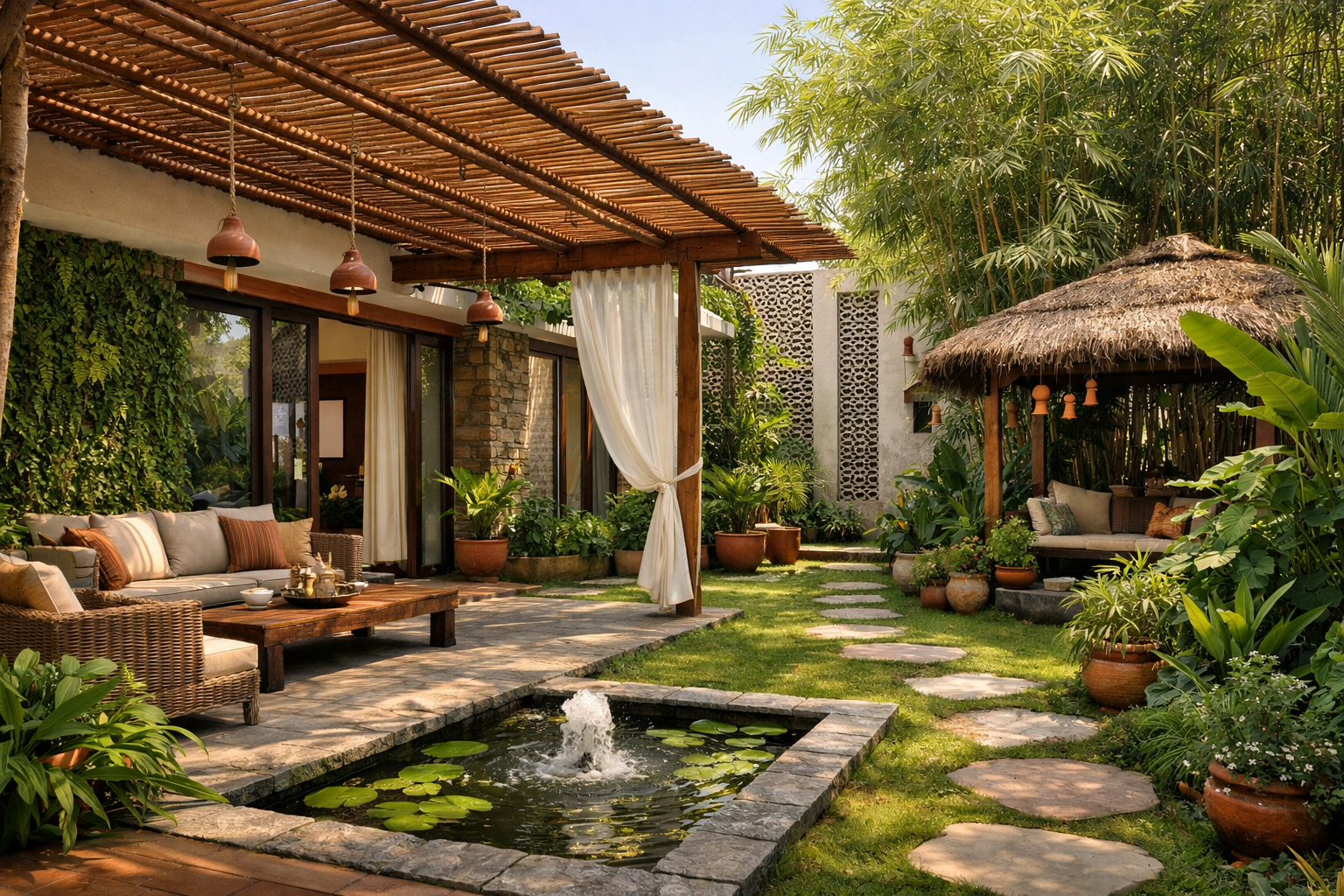
During extreme heat, simple adjustments can help keep your home cool
Use shading elements effectively to keep your home cool in summer
Improve airflow inside rooms
Reduce heat-generating activities to help keep the house cool.
This helps maintain a pleasant indoor environment even during peak conditions.
Common Mistakes to Avoid
Many homes become uncomfortable due to small mistakes:
Using dark-coloured materials
Blocking airflow can trap hot air and reduce the cooling effect in your home.
Ignoring shading solutions can lead to increased heat entering your home, making it harder to stay cool.
Avoiding these helps maintain better indoor conditions.
Smart Design for Better Temperature Control
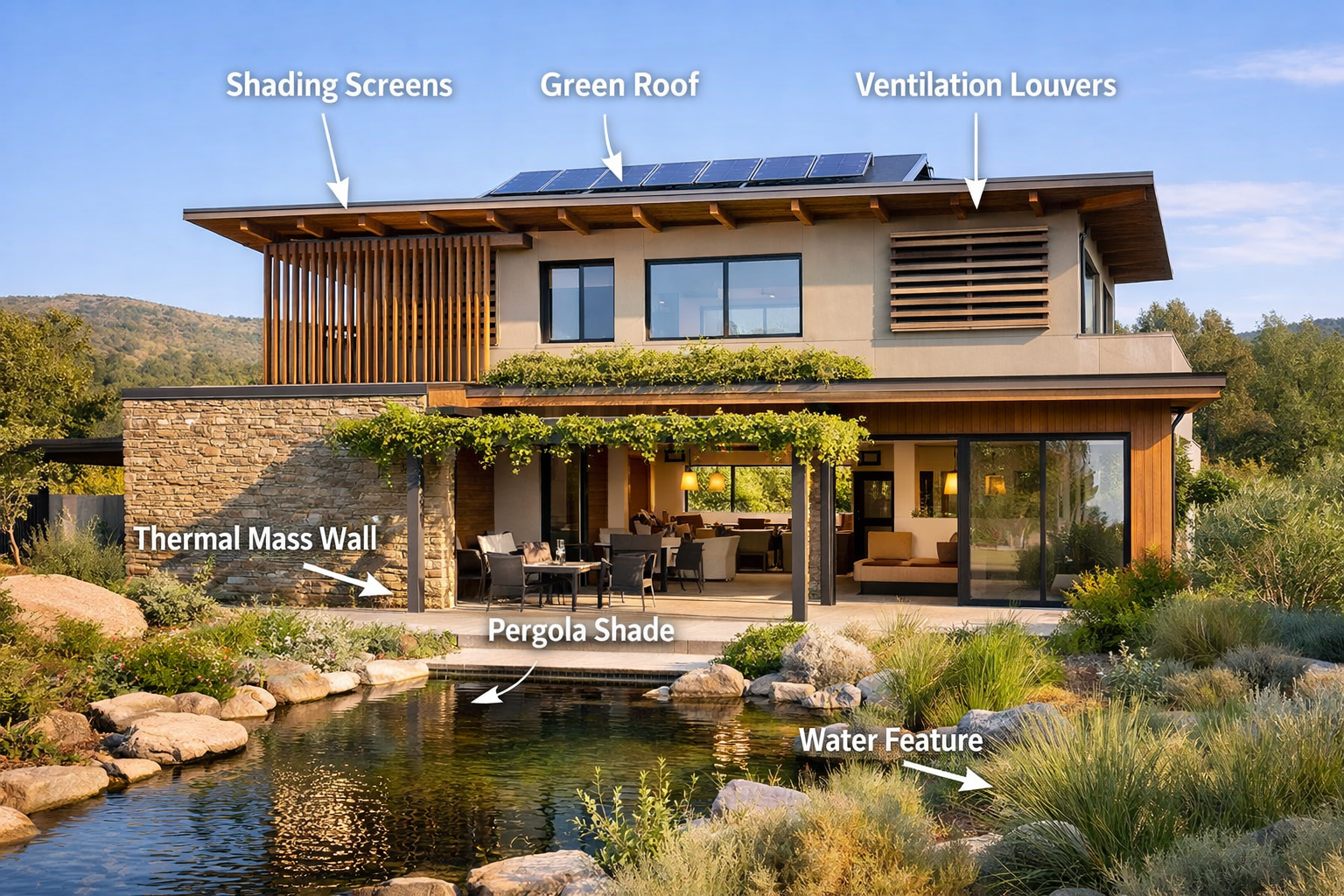
Modern homes use passive cooling techniques to improve efficiency and reduce indoor heat naturally. Design plays a key role in maintaining comfort and ensuring effective cooling techniques are implemented to keep your home cool naturally. Using shading elements, proper airflow planning, and insulated materials can significantly improve temperature control.
Small layout and material changes can create a more energy-efficient and comfortable living space
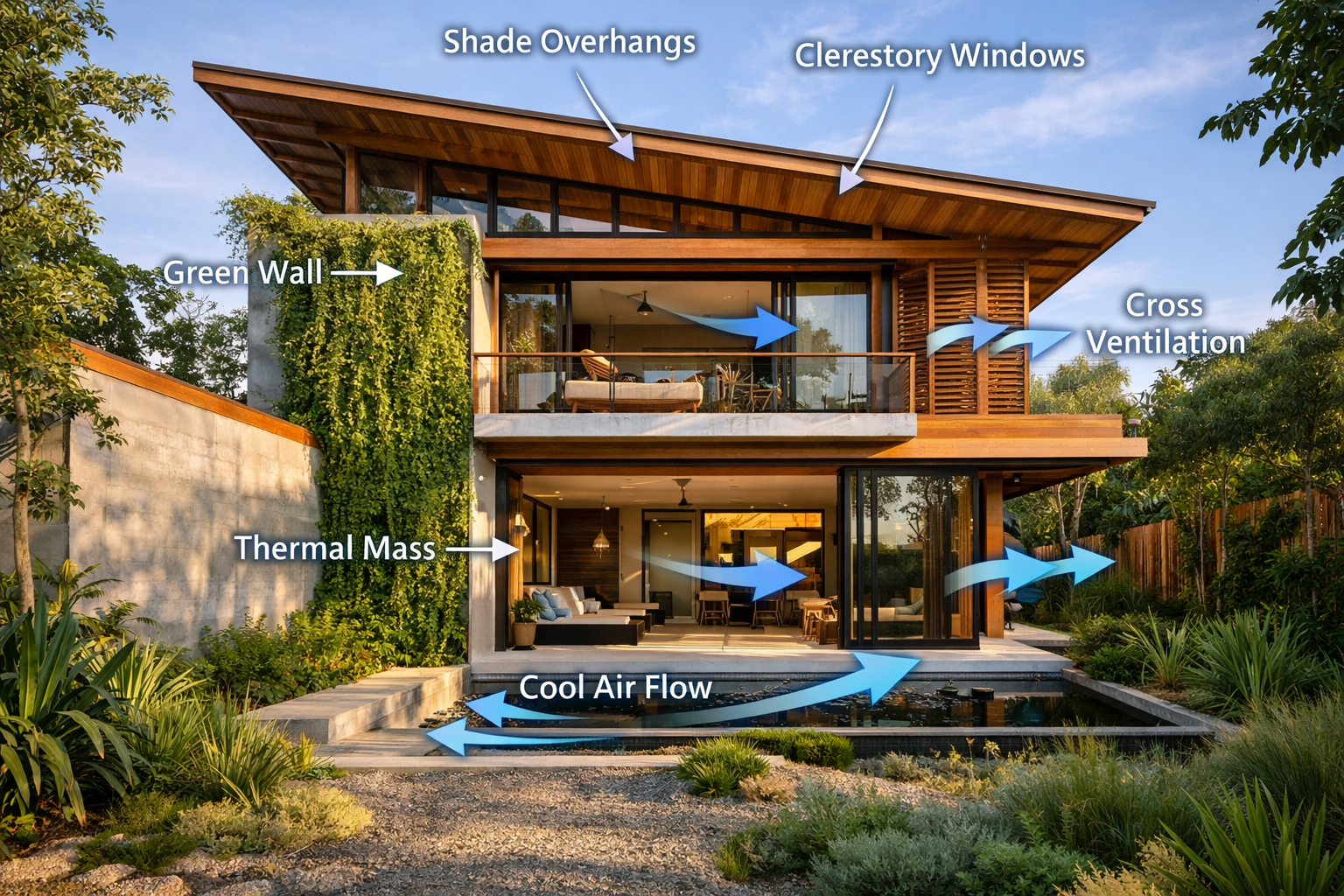
Conclusion Smart home design strategies can help regulate temperature naturally and improve indoor comfort without heavy energy use, ensuring a cool home. By focusing on airflow, shading, materials, and daily habits, you can create a comfortable and sustainable living environment.
Frequently Asked Questions
What are the best materials to keep a home cool in summer?
Clay tiles, reflective paints, and insulated walls are effective materials that help reduce indoor heat significantly. These materials reflect sunlight and prevent heat absorption, making them ideal for naturally cooling your home during summer months.
How does cross ventilation help reduce heat in homes?
Cross ventilation allows fresh air to flow through your home and push out hot air by creating airflow between opposite openings. This natural air circulation removes trapped warmth and helps maintain a cooler indoor temperature without relying on air conditioning.
Why do homes get hot during Indian summers?
Homes become hot due to constant sun exposure, poor airflow, and heat-absorbing surfaces like roofs and walls that store warmth during the day. Without proper design and ventilation, these surfaces trap heat and release it slowly, increasing indoor temperature.
What is the best time to open windows for natural cooling?
Opening windows early in the morning and evening improves airflow and allows cooler air to circulate through your home. Avoiding peak sun hours helps prevent additional heat from entering while maximizing the benefit of cooler outdoor air.
Can light-colored finishes help keep a home cool?
Yes, light-colored finishes reflect sunlight rather than absorbing it, which helps reduce indoor heat significantly. Using light colors on walls, roofs, and exterior surfaces is a simple and effective way to prevent heat buildup naturally.