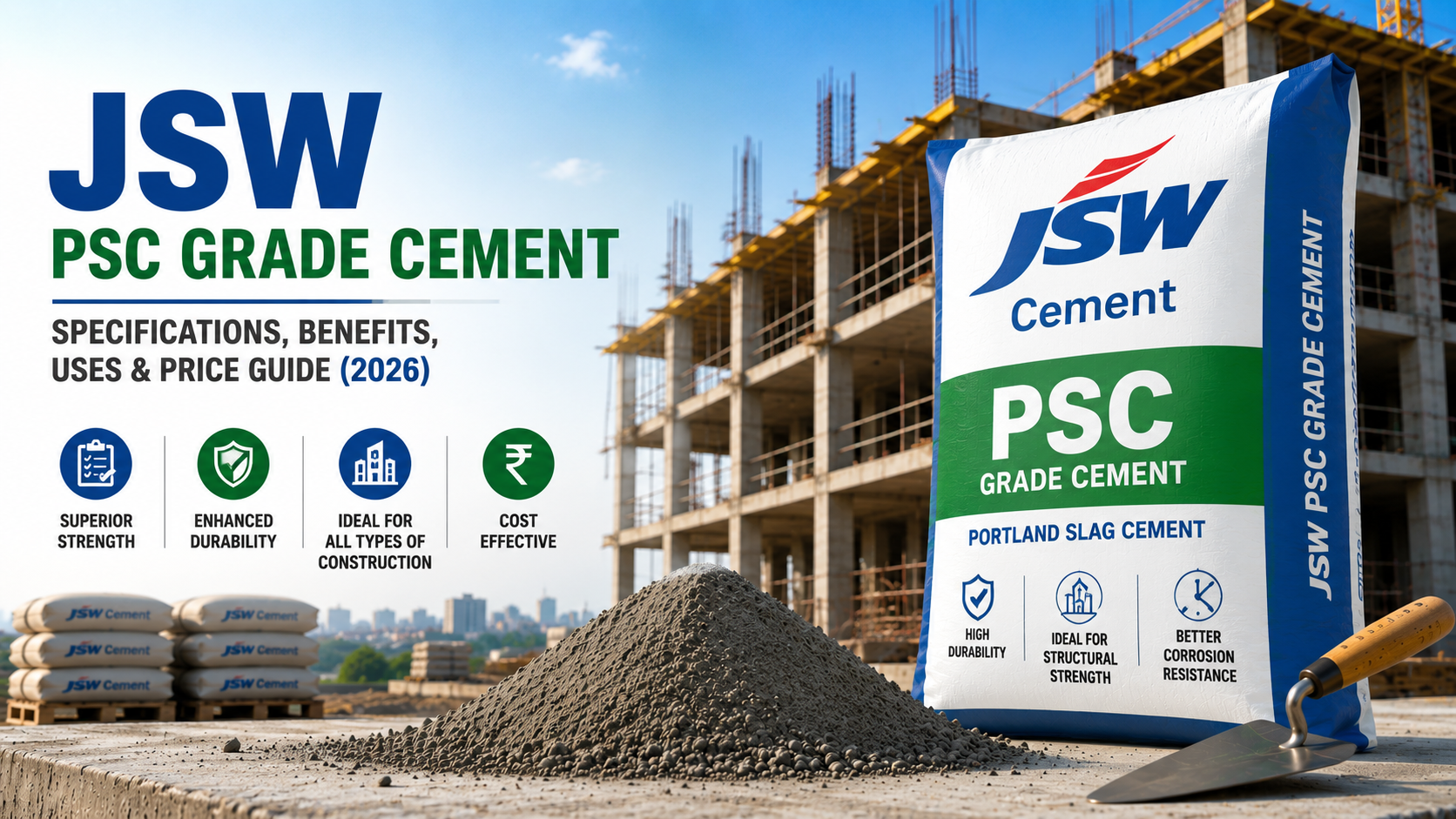


UltraTech OPC 53 Grade Cement in HDPE Bags: A Comprehensive Guide for Construction Professionals
When it comes to concrete construction in India, the quality of cement you choose can make or break your project. UltraTech OPC 53 Grade cement in HDPE bags has become a go-to choice for architects, engineers, and contractors across the country. Whether you're working on residential complexes in Bangalore, commercial projects in Mumbai, or infrastructure development in Delhi, understanding the specifications and benefits of this cement grade is crucial for project success.
Build cost · Bengaluru, May 2026
What is OPC 53 Grade Cement?
Understanding the Basics
OPC stands for Ordinary Portland Cement, and the "53" grade refers to the cement's compressive strength. According to Indian Standards (IS 12269), OPC 53 grade cement must achieve a minimum compressive strength of 53 MPa (megapascals) at 28 days of curing. This makes it stronger and faster-setting compared to OPC 43 grade cement, which is the most commonly used cement in India.
UltraTech, India's largest cement manufacturer, produces OPC 53 grade cement that meets and often exceeds these standards. The cement is manufactured at their state-of-the-art facilities across India, including plants in Rajasthan, Madhya Pradesh, Chhattisgarh, and other regions, ensuring consistent quality and availability.
Key Characteristics of OPC 53 Grade
Higher Early Strength Development: OPC 53 grade develops strength faster than lower grades, allowing for quicker formwork removal and project progression
Better Durability: The higher silicate content provides improved resistance to chemical attacks and environmental degradation
Lower Water Requirement: Requires less water for hydration, resulting in denser concrete with fewer voids
Suitable for Rapid Construction: Ideal for projects with tight timelines where early strength is essential
Cost-Effective: Despite higher initial cost, the reduced timeline often results in overall project savings
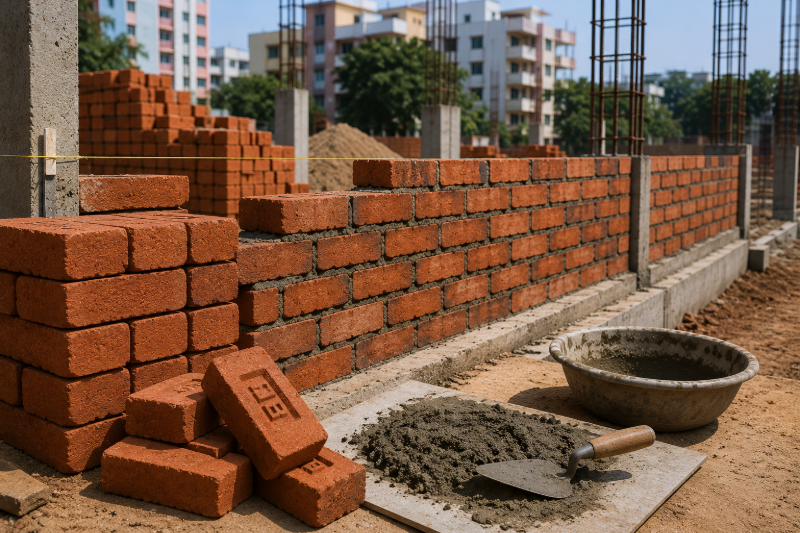
Frequently asked
HDPE Bags: Why They Matter
The Advantages of HDPE Packaging
HDPE (High-Density Polyethylene) bags have revolutionized cement packaging in India. Unlike traditional paper bags, HDPE bags offer superior protection and functionality:
Moisture Protection: HDPE bags prevent moisture ingress, which is critical in India's humid monsoon season. In coastal cities like Mumbai and Chennai, moisture control is particularly important
Durability During Transport: The bags resist tearing and puncturing, reducing cement wastage during transportation across Indian highways and local routes
Environmental Benefits: HDPE bags are recyclable and reduce the environmental footprint compared to paper packaging
Longer Shelf Life: Cement stored in HDPE bags maintains its quality for extended periods, crucial for projects with delayed material consumption
Better Handling: The bags are easier to handle and stack, improving site safety and reducing labor costs
Storage Considerations for HDPE Bags
While HDPE bags offer excellent protection, proper storage practices are essential. Store bags in a dry location, preferably on pallets rather than directly on the ground. In monsoon-prone areas like Kerala and coastal regions, ensure adequate ventilation and protection from direct water exposure. The cement should be used within three months of purchase for optimal performance, though HDPE packaging extends this timeline compared to paper bags.
Technical Specifications and Performance
Compressive Strength Development
One of the primary reasons contractors choose UltraTech OPC 53 grade cement is its reliable strength development. The cement typically achieves:
3-day strength: 27-37 MPa
7-day strength: 37-46 MPa
28-day strength: 53+ MPa
This rapid strength gain is particularly valuable in projects across metropolitan areas like Pune, Hyderabad, and Ahmedabad, where construction schedules are tight and project timelines are critical.
Chemical Composition
UltraTech OPC 53 grade cement contains:
Tricalcium Silicate (C3S): 55-65%
Dicalcium Silicate (C2S): 15-25%
Tricalcium Aluminate (C3A): Less than 8%
Tetracalcium Aluminoferrite (C4AF): 8-14%
The higher C3S content is responsible for the faster early strength development, making it ideal for structures requiring rapid construction progression.
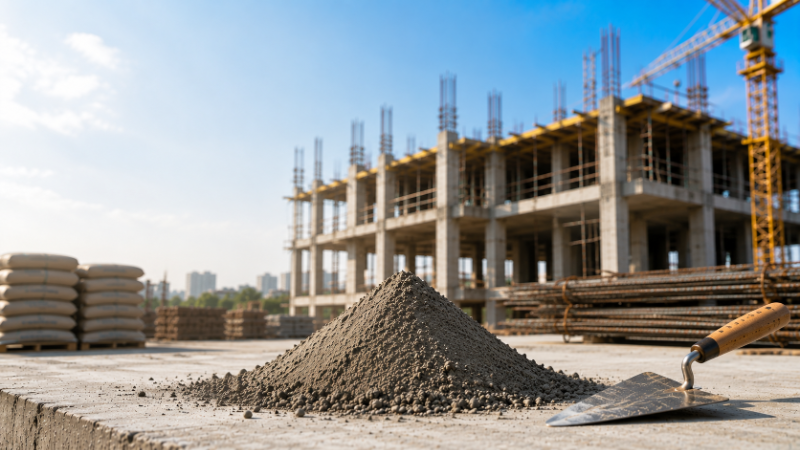
Applications of OPC 53 Grade Cement
Ideal Project Types
OPC 53 grade cement is particularly suitable for:
High-Rise Residential Buildings: In cities like Mumbai, Bangalore, and Delhi, where rapid construction is economically beneficial
Commercial Complexes: Shopping malls, office buildings, and commercial spaces benefit from faster formwork removal
Infrastructure Projects: Roads, bridges, and flyovers across Indian highways require high early strength
Precast Concrete Elements: Manufacturing precast components requires fast strength development for efficient production cycles
Repair and Rehabilitation Work: Quick-setting properties make it ideal for urgent repair projects
RCC Structures: Reinforced concrete construction in seismic zones like Gujarat and Uttarakhand benefits from higher strength
Climate Considerations Across India
Different regions of India present unique challenges. In hot, dry climates like Rajasthan and Gujarat, OPC 53 grade's faster hydration can lead to higher heat generation. Proper curing practices become essential. In cooler regions like Himachal Pradesh and Uttarakhand, the faster strength development is advantageous. In humid coastal areas like Goa and Kerala, the moisture resistance of HDPE bags becomes particularly valuable.
Cost Analysis and Value Proposition
Pricing in the Indian Market
As of recent market data, UltraTech OPC 53 grade cement in HDPE bags typically costs between ₹550-650 per 50 kg bag, depending on location and market conditions. While this is approximately ₹50-100 more per bag compared to OPC 43 grade, the value proposition often justifies the premium:
Reduced Construction Timeline: Faster strength development means formwork can be removed 3-5 days earlier, reducing labor and equipment rental costs
Lower Water Requirement: Reduced water consumption in concrete mix design can save on material costs
Improved Durability: Higher strength often means longer structure lifespan, reducing maintenance costs
Better Workability: Improved concrete quality can reduce rework and quality issues
For a typical residential project in Bangalore or Pune requiring 500 tons of cement, the additional cost of ₹25,000-50,000 for OPC 53 grade might translate to savings of ₹100,000+ through faster project completion.
Quality Assurance and Standards Compliance
Indian Standards Compliance
UltraTech OPC 53 grade cement complies with IS 12269:2013, the Indian Standard for OPC cement. The company conducts rigorous testing including:
Fineness testing (Blaine's method)
Soundness testing (Le Chatelier's method)
Setting time testing (Vicat apparatus)
Compressive strength testing at 3, 7, and 28 days
Chemical composition analysis
Third-Party Testing and Verification
Before using cement on major projects, it's advisable to conduct third-party testing. Many state PWDs (Public Works Departments) and private testing laboratories across India offer cement testing services at reasonable costs (typically ₹2,000-5,000 per test). This ensures the cement meets project specifications and provides documentation for quality assurance.
Practical Tips for Using OPC 53 Grade Cement
Concrete Mix Design Considerations
When using OPC 53 grade cement, adjust your concrete mix design compared to OPC 43 grade:
Reduce Cement Content: You may reduce cement by 5-10% while achieving the same strength, resulting in cost savings
Adjust Water-Cement Ratio: OPC 53 requires less water; maintain a W/C ratio of 0.40-0.45 for optimal results
Monitor Heat Generation: In mass concrete applications, the higher heat of hydration requires careful curing management
Optimize Curing: Ensure adequate water curing for at least 7-14 days to develop full strength potential
Site Management Best Practices
Proper Storage: Stack HDPE bags on wooden pallets in a covered area, away from direct moisture and sunlight
First-In-First-Out System: Implement FIFO inventory management to ensure older cement is used first
Regular Inspection: Check bags for damage or moisture ingress before use
Accurate Batching: Use calibrated weighing systems to ensure correct cement proportions in concrete
Consistent Mixing: Maintain uniform mixing time and procedures to ensure concrete quality
Sustainability and Environmental Impact
UltraTech's OPC 53 grade cement production incorporates sustainable practices. The company uses alternative fuels and raw materials, reducing carbon emissions. HDPE bags are recyclable, and many construction sites now repurpose them for temporary water storage or debris collection. By choosing a premium cement like UltraTech OPC 53 grade, you're indirectly supporting sustainable construction practices.
Comparing OPC 53 Grade with Other Cement Types
OPC 53 vs. OPC 43
While OPC 43 is more economical (₹450-550 per bag), OPC 53 offers superior early strength, making it better for time-sensitive projects. OPC 43 is adequate for most general construction but requires longer curing periods.
OPC 53 vs. PPC (Portland Pozzolana Cement)
PPC is more economical and offers better long-term durability and lower heat generation, making it ideal for mass concrete. However, OPC 53's faster early strength makes it preferable for structural work requiring rapid formwork removal.
OPC 53 vs. PSC (Portland Slag Cement)
PSC offers excellent durability and is suitable for aggressive environments. However, OPC 53 provides faster early strength, making it more suitable for time-critical projects.
Where to Source Quality OPC 53 Grade Cement
For construction professionals in India, sourcing quality cement from reliable suppliers is crucial. While UltraTech is widely available across major cities, connecting with verified suppliers becomes easier through platforms like AECORD, India's B2B2C marketplace for AECO professionals. On AECORD, you can connect with authorized cement distributors, verify their credentials, compare prices across regions, and ensure you're getting genuine UltraTech OPC 53 grade cement at competitive rates.
Whether you're sourcing for a small residential project in Jaipur or a large commercial complex in Hyderabad, finding the right supplier through AECORD ensures transparency, quality assurance, and reliable delivery schedules. The platform allows you to request quotes from multiple suppliers, review their track records, and make informed decisions.
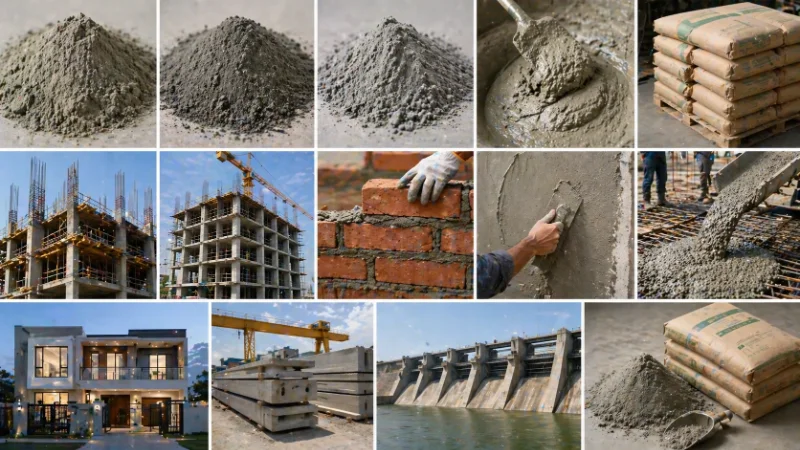
Troubleshooting Common Issues
Lumpy or Discolored Cement
If cement appears lumpy or has unusual discoloration, it may have been exposed to moisture or stored improperly. Do not use such cement, as it may not develop adequate strength. Check the HDPE bag for damage and verify the manufacturing date.
Slower Than Expected Strength Development
If concrete isn't achieving expected strength, check:
Water-cement ratio (should be 0.40-0.45)
Curing conditions (ensure adequate moisture and temperature)
Cement freshness (cement older than 6 months may show reduced performance)
Aggregate quality and gradation
Excessive Heat Generation
In mass concrete applications, manage heat by:
Using ice water or chilled aggregates
Reducing cement content slightly
Implementing proper curing schedules
Considering PPC as an alternative if heat is critical
Conclusion
UltraTech OPC 53 grade cement in HDPE bags represents a premium choice for construction professionals across India. Its superior early strength development, moisture protection, and durability make it ideal for time-sensitive projects in major cities like Mumbai, Delhi, Bangalore, and Pune. While the initial cost is higher than OPC 43 grade, the overall project savings through faster construction timelines and improved concrete quality often justify the investment.
For architects and engineers planning projects, the key is understanding when OPC 53 grade is truly beneficial and when OPC 43 or PPC might be more economical. Proper storage in HDPE bags, correct mix design, and adequate curing are essential for achieving optimal performance.
To source quality UltraTech OPC 53 grade cement and connect with reliable suppliers across India, explore AECORD today. The platform simplifies procurement for construction professionals, offering verified suppliers, competitive pricing, and transparent transactions. Whether you're working on a small renovation or a large infrastructure project, AECORD helps you find the right materials and professionals to ensure project success.
Ready to source premium cement for your project? Visit AECORD to connect with verified UltraTech distributors and cement suppliers in your region. Get quotes, compare prices, and ensure quality materials for your construction projects.
Frequently Asked Questions
What is the difference between OPC 53 grade and OPC 43 grade cement?
OPC 53 grade cement achieves a minimum compressive strength of 53 MPa at 28 days, compared to OPC 43 grade which achieves 43 MPa. OPC 53 develops strength faster, making it ideal for rapid construction projects and situations where early formwork removal is needed.
Why are HDPE bags better than paper bags for cement storage?
HDPE bags provide superior moisture protection, which is critical in India's humid monsoon climate, and resist tearing during transport. They also offer longer shelf life, are recyclable, and reduce cement wastage compared to traditional paper packaging.
How long can UltraTech OPC 53 cement be stored in HDPE bags?
While cement should ideally be used within three months of purchase for optimal performance, HDPE packaging extends the storage timeline significantly compared to paper bags by preventing moisture ingress and maintaining cement quality.
Is OPC 53 grade cement suitable for all types of construction projects?
OPC 53 grade is particularly ideal for projects with tight timelines, rapid construction needs, and applications requiring early strength development. Its higher cost is often offset by reduced project timelines and overall savings.
What is the proper way to store UltraTech OPC 53 cement bags on site?
Store HDPE bags in a dry location on pallets rather than directly on the ground. In monsoon-prone areas, ensure adequate ventilation and protection from direct water exposure to maintain cement quality and prevent moisture damage.