

Understanding the Indian Tile Market: A Comprehensive Price Guide
The tile industry in India is a multi-billion rupee sector that plays a crucial role in both residential and commercial construction projects. Whether you're planning a home renovation, designing a commercial space, or managing a large-scale construction project, understanding tile pricing is essential for accurate budgeting and smart purchasing decisions. This comprehensive guide will help you navigate the Indian tile market and make informed choices for your next project.
Build cost · Bengaluru, May 2026
Current Tile Market Overview in India
India's tile industry has experienced significant growth over the past decade, with the market valued at approximately ₹45,000-50,000 crores in 2023. The market is expected to grow at a CAGR of 8-10% over the next five years, driven by increased urbanization, rising disposable incomes, and growing demand for premium finishes in residential and commercial spaces.
Major tile manufacturing hubs in India include Gujarat (particularly Morbi, which accounts for nearly 60% of India's tile production), Rajasthan, Andhra Pradesh, and Tamil Nadu. This regional concentration significantly impacts pricing and availability across different parts of the country. When sourcing tiles for projects in cities like Mumbai, Delhi, Bangalore, or Hyderabad, understanding these supply chains can help you optimize costs.
Types of Tiles and Their Price Ranges
Ceramic Tiles
Ceramic tiles are the most affordable and widely used option in India, making them popular for residential projects across all budget segments. These tiles are made from clay and other materials, fired at high temperatures to create a durable, water-resistant product.
Price Range: ₹30-150 per square foot
Budget Range (₹30-60/sq ft): Basic ceramic tiles suitable for bathrooms, kitchens, and utility areas. These typically come in standard sizes (30x30 cm or 30x45 cm) with basic finishes.
Mid-Range (₹60-100/sq ft): Better quality ceramic tiles with improved durability and aesthetic appeal. Often available in various colors and patterns, suitable for living areas and bedrooms.
Premium Ceramic (₹100-150/sq ft): High-quality ceramic tiles with advanced finishes, better water absorption rates, and superior durability. Often imported or manufactured by premium Indian brands.
Frequently asked
Vitrified Tiles
Vitrified tiles offer superior durability and water resistance compared to ceramic tiles. They undergo a vitrification process that makes them harder and less porous, making them ideal for high-traffic areas and wet spaces. These tiles are increasingly popular in Indian homes and commercial spaces.
Price Range: ₹50-250 per square foot
Standard Vitrified (₹50-100/sq ft): Basic vitrified tiles suitable for kitchens, bathrooms, and moderate traffic areas. Available in various sizes from 30x30 cm to 60x60 cm.
Premium Vitrified (₹100-180/sq ft): High-quality vitrified tiles with enhanced finishes, better color consistency, and improved durability. Often feature textured or glossy surfaces.
Luxury Vitrified (₹180-250/sq ft): Top-tier vitrified tiles, often imported or from premium manufacturers, featuring sophisticated designs and superior craftsmanship.
Porcelain Tiles
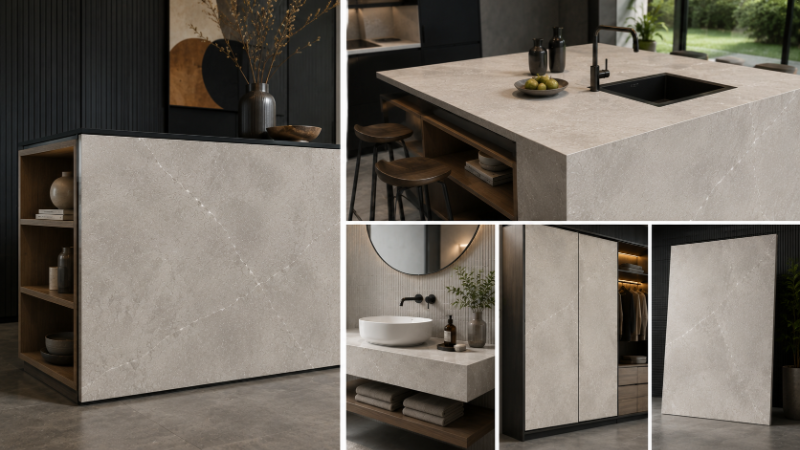
Porcelain tiles are among the most durable and versatile options available in the Indian market. They're made from refined clay and minerals fired at extremely high temperatures, resulting in a non-porous, highly durable product. Porcelain tiles are increasingly popular for luxury residential projects and high-end commercial spaces.
Price Range: ₹100-400 per square foot
Standard Porcelain (₹100-180/sq ft): Quality porcelain tiles suitable for residential applications, available in various finishes including matte, glossy, and textured.
Premium Porcelain (₹180-280/sq ft): High-quality porcelain with sophisticated designs, often mimicking natural stone. Popular for luxury apartments in metros like Mumbai, Delhi, and Bangalore.
Luxury/Designer Porcelain (₹280-400/sq ft): Top-of-the-line porcelain tiles, often imported from Europe or manufactured by premium brands, featuring unique designs and exceptional quality.
Natural Stone Tiles
Natural stone tiles, including marble, granite, limestone, and slate, offer unparalleled aesthetic appeal and luxury. However, they come at a premium price point and require specialized installation and maintenance.
Price Range: ₹150-600+ per square foot
Marble Tiles (₹200-400/sq ft): Popular for luxury residential and commercial spaces. Indian marble from Rajasthan is competitively priced compared to imported varieties.
Granite Tiles (₹150-350/sq ft): Extremely durable and suitable for high-traffic areas. Available in various colors and finishes.
Limestone and Slate (₹180-450/sq ft): Premium options for contemporary designs, often used in luxury projects in major cities.
Mosaic and Decorative Tiles
These specialty tiles are used for accent walls, borders, and decorative applications, adding visual interest to spaces.
Price Range: ₹100-500+ per square foot
Pricing varies significantly based on complexity, materials used, and whether they're handcrafted or mass-produced.
Size Variations and Impact on Pricing
Tile size significantly affects both the per-square-foot cost and the overall project expense. Larger tiles generally cost more per piece but cover more area, while smaller tiles may be cheaper per piece but require more material and labor.
Small Tiles (20x20 cm to 30x30 cm): ₹30-100/sq ft - Most economical option, though installation is more labor-intensive
Medium Tiles (30x45 cm to 45x45 cm): ₹50-150/sq ft - Balanced option in terms of cost and installation efficiency
Large Format Tiles (60x60 cm and above): ₹100-300+/sq ft - Premium option, offers modern aesthetic and faster installation, but requires skilled labor
Regional Price Variations Across India
Tile prices vary significantly across Indian cities due to transportation costs, local demand, and regional manufacturing capabilities.
North India (Delhi, NCR, Punjab)
Tiles in North India are typically 5-15% more expensive than in manufacturing hubs due to transportation costs. Average ceramic tiles cost ₹40-80/sq ft, while vitrified tiles range from ₹70-150/sq ft. Premium porcelain tiles command ₹150-350/sq ft.
West India (Mumbai, Gujarat)
Being closer to major manufacturing hubs like Morbi, West India enjoys relatively competitive pricing. Mumbai, despite being a major metro, offers tiles at ₹35-90/sq ft for ceramics and ₹80-200/sq ft for vitrified tiles. However, premium segments command higher prices due to luxury market demand.
South India (Bangalore, Hyderabad, Chennai)
South India experiences moderate pricing, with good availability of both local and imported tiles. Bangalore and Hyderabad show competitive pricing for premium tiles due to strong commercial real estate demand. Expect ₹40-100/sq ft for ceramics and ₹90-220/sq ft for vitrified tiles.
East India (Kolkata, Bhubaneswar)
East India typically sees 10-20% higher prices due to longer supply chains from manufacturing hubs. Local availability of premium tiles is more limited, affecting pricing and variety.
Factors Affecting Tile Prices
Raw Material Costs
The primary raw materials for tile manufacturing include clay, feldspar, and silica. Fluctuations in commodity prices directly impact tile costs. Recent inflation in raw material costs has pushed tile prices up by 8-12% across the industry.
Manufacturing Process
Advanced manufacturing techniques, quality control measures, and energy costs influence pricing. Premium manufacturers investing in modern technology often charge 15-25% more but deliver superior quality and consistency.
Brand and Reputation
Established brands like Kajaria, Somany, Nitco, and Orient Bell command 20-40% premiums over unbranded tiles due to quality assurance, warranty, and after-sales service. When planning projects in cities like Mumbai or Delhi, brand reputation often justifies the premium.
Import Duties and Taxes
Imported tiles face customs duties, GST (18% for most tiles), and logistics costs, making them 30-50% more expensive than domestic equivalents. However, premium imported tiles often offer unique designs unavailable locally.
Market Demand and Seasonality
Tile prices fluctuate based on seasonal demand. Summer months (April-June) typically see higher prices due to increased construction activity, while monsoon season (July-September) may offer slight discounts. Planning purchases during off-peak seasons can yield 5-10% savings.
Hidden Costs Beyond Tile Pricing
When budgeting for a tile project, consider these additional expenses beyond the tile cost itself:
Installation Labor
Skilled tile installation labor in major Indian cities ranges from ₹50-150 per square foot, depending on complexity, tile size, and regional labor rates. Large-format tiles and intricate patterns command higher labor costs.
Adhesives and Grouting Materials
Quality tile adhesives cost ₹300-800 per bag (25 kg), while grout typically costs ₹200-600 per bag. Budget approximately ₹15-30 per square foot for these materials.
Surface Preparation and Leveling
Uneven surfaces require additional preparation, potentially adding ₹50-150 per square foot to your project cost. This is particularly important in older buildings or renovation projects in cities like Mumbai and Kolkata.
Waste and Breakage
Typically, account for 5-10% waste during installation. For large-format tiles or complex patterns, this can increase to 10-15%, significantly impacting your total project cost.
Tips for Cost Optimization
Buy in Bulk
Purchasing tiles in larger quantities often yields 10-15% discounts from manufacturers and retailers. Coordinating purchases across multiple projects or with neighbors can help achieve bulk pricing.
Source Directly from Manufacturers
Buying directly from manufacturers in Morbi or other production centers can save 15-25% compared to retail prices. Many manufacturers now offer direct-to-consumer sales through AECORD and similar B2B platforms.
Standardize Tile Sizes and Designs
Using standard sizes and designs reduces manufacturing waste and special orders, resulting in lower costs. Custom or non-standard tiles can cost 30-50% more.
Compare Multiple Suppliers
Get quotes from at least 3-5 suppliers before finalizing your purchase. Prices can vary by 20-30% for similar quality tiles. Using platforms like AECORD can help you connect with multiple verified suppliers efficiently.
Plan Installation Timing
Scheduling installation during off-peak seasons can reduce labor costs by 10-15%. Also, ensure proper surface preparation to avoid costly rework.
Quality Assurance and Certifications
When evaluating tiles, look for these quality indicators:
ISI Certification: Indian Standard Institute certification ensures tiles meet national quality standards
Water Absorption Rate: Lower is better; premium tiles have <0.5% absorption
Mohs Hardness Scale: Higher ratings (7-9) indicate greater durability
Warranty: Reputable manufacturers offer 5-10 year warranties
Future Price Trends
Industry experts predict the following trends for the Indian tile market:
Continued growth in the premium and luxury segment, particularly in metros like Bangalore and Mumbai
Increased demand for sustainable and eco-friendly tiles, potentially commanding 10-20% premiums
Technological innovations in manufacturing may stabilize prices or create new product categories
E-commerce platforms are expected to increase price transparency and competition, potentially benefiting consumers
Conclusion
Understanding tile pricing in India requires knowledge of different tile types, regional variations, quality factors, and hidden costs. Whether you're working on a budget renovation in Pune or a luxury project in Mumbai, careful planning and smart sourcing can significantly impact your project's financial outcome.
The Indian tile market offers options for every budget and aesthetic preference, from economical ceramic tiles at ₹30/sq ft to luxury porcelain at ₹400+/sq ft. By considering your specific needs, project timeline, and location, you can make informed decisions that balance cost, quality, and design.
To connect with verified tile suppliers, manufacturers, and installation professionals across India, explore AECORD, India's leading B2B2C marketplace for AECO professionals. AECORD helps you access multiple suppliers, compare prices, and find specialized professionals for your tile projects, ensuring you get the best value for your investment. Whether you're sourcing materials for a small residential project or managing a large commercial development, AECORD's platform streamlines the procurement process and helps you achieve your project goals efficiently.
Start your tile sourcing journey today on AECORD and connect with India's most trusted construction material suppliers and installation experts.
Frequently Asked Questions
What is the current size of India's tile market in 2024?
India's tile industry was valued at approximately ₹45,000-50,000 crores in 2023 and is expected to grow at a CAGR of 8-10% over the next five years. This growth is driven by increased urbanization, rising disposable incomes, and growing demand for premium finishes in residential and commercial construction projects.
Which Indian city produces the most tiles?
Morbi in Gujarat is India's largest tile manufacturing hub, accounting for nearly 60% of the country's tile production. Other major manufacturing centers include Rajasthan, Andhra Pradesh, and Tamil Nadu, with this regional concentration significantly impacting pricing and availability across different parts of India.
What is the price range for ceramic tiles in India?
Ceramic tiles in India range from ₹30-150 per square foot, with budget options at ₹30-60/sq ft for basic tiles, mid-range at ₹60-100/sq ft with better durability, and premium ceramic at ₹100-150/sq ft with advanced finishes. Ceramic tiles are the most affordable and widely used option for residential projects across all budget segments.
How much do vitrified tiles cost compared to ceramic tiles?
Vitrified tiles cost between ₹50-250 per square foot, which is generally higher than ceramic tiles (₹30-150/sq ft) due to their superior durability and water resistance. The vitrification process makes them harder and less porous, making them ideal for high-traffic areas and wet spaces.
What is the price difference between porcelain and ceramic tiles?
Porcelain tiles are significantly more expensive than ceramic tiles, ranging from ₹100-400 per square foot compared to ceramic's ₹30-150 per square foot. Porcelain's higher cost reflects its superior durability, non-porous composition, and suitability for luxury residential and high-end commercial applications.