

The Wellness Bathroom of 2026: How to Design a Spa Retreat at Home
The bathroom has transformed from a purely functional space into a personal wellness sanctuary. As we move toward 2026, the concept of a spa-quality bathroom at home is no longer a luxury reserved for five-star hotels—it's becoming an essential element of modern home design, especially in India's rapidly growing metropolitan areas like Mumbai, Bangalore, Delhi, and Pune. Creating a wellness bathroom that promotes relaxation, rejuvenation, and mental well-being requires thoughtful planning, the right materials, and an understanding of contemporary design principles.
In this comprehensive guide, we'll explore how to design a spa retreat in your own home, incorporating elements that enhance both physical comfort and mental wellness. Whether you're renovating an existing bathroom or building a new one, these insights will help you create a space that serves as your personal sanctuary.
Build cost · Bengaluru, May 2026
Understanding the Wellness Bathroom Concept
What Makes a Bathroom "Wellness-Focused"?
A wellness bathroom goes beyond aesthetics—it's designed to engage all your senses and create an environment that promotes relaxation and self-care. The key characteristics include:
Sensory comfort: Soft lighting, soothing colors, pleasant scents, and tactile materials
Functionality: Features that support daily wellness routines without clutter
Sustainability: Water-efficient fixtures and eco-friendly materials
Technology integration: Smart features that enhance comfort without overwhelming the space
Personalization: Elements that reflect individual preferences and wellness goals
The wellness bathroom trend reflects a broader shift in how Indians approach self-care and mental health. Urban professionals in cities like Bangalore and Mumbai are increasingly investing in home spaces that support their well-being, recognizing that a spa-like bathroom can significantly improve daily stress levels and overall quality of life.
Design Principles for Your Spa Bathroom
Frequently asked
Color Psychology and Ambiance
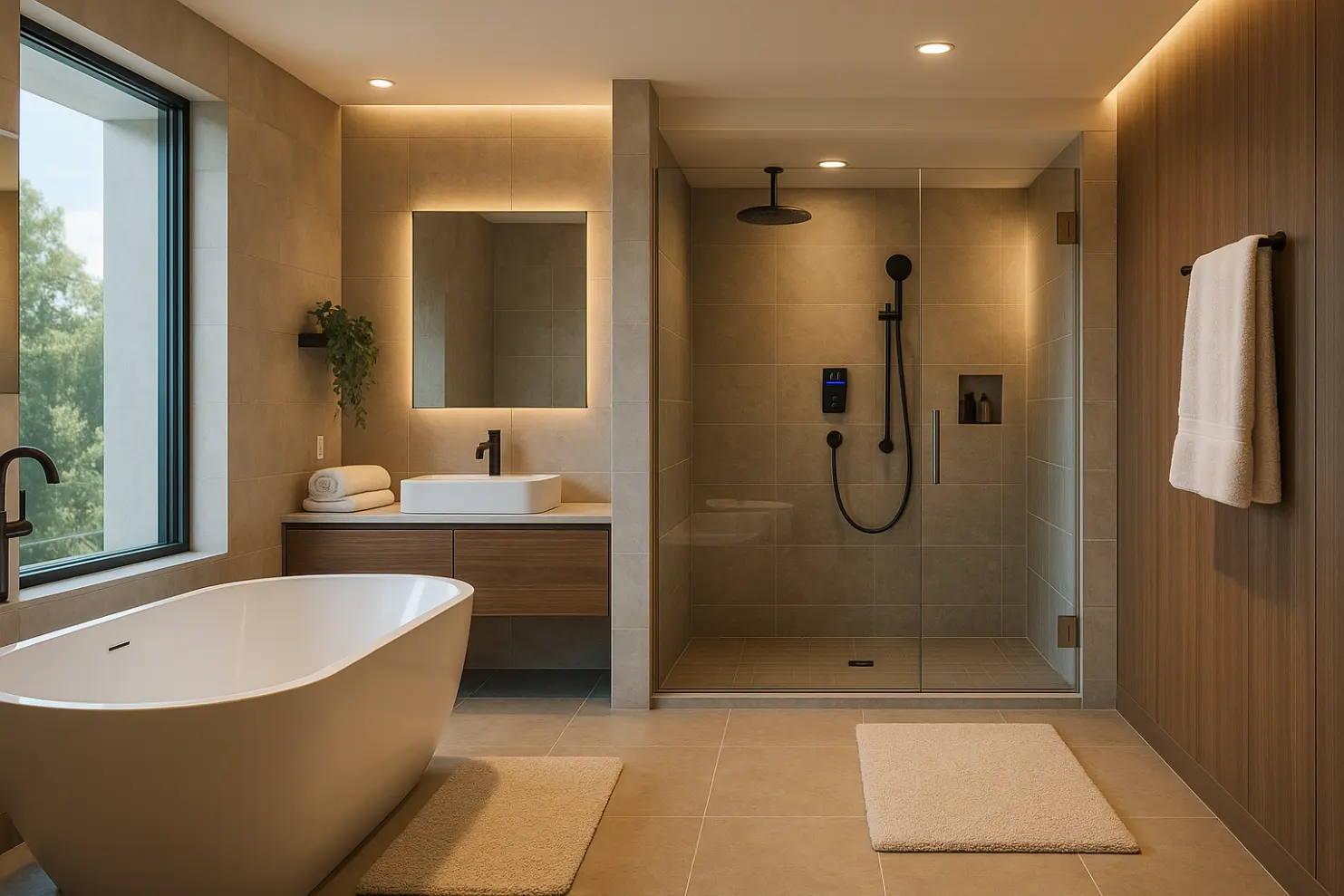
Colors play a crucial role in creating a calming environment. For a wellness bathroom in 2026, consider these palettes:
Soft neutrals: Whites, creams, and warm grays create a clean, serene backdrop. These are versatile and work well in Indian homes of all sizes.
Spa-inspired greens: Soft sage, eucalyptus, and seafoam greens evoke nature and promote relaxation
Warm earth tones: Terracotta, warm beige, and sandy browns connect to natural elements and work beautifully with traditional Indian design
Accent colors: Muted blues or soft lavender can be introduced through accessories without overwhelming the space
Avoid bright, jarring colors that stimulate rather than calm. The goal is to create a space where your mind naturally shifts into relaxation mode the moment you enter.
Lighting: The Foundation of Wellness
Proper lighting is essential for a wellness bathroom. In 2026, the trend is moving toward layered, adjustable lighting systems:
Ambient lighting: Soft, diffused overhead lighting (2700-3000K color temperature) that mimics natural light
Task lighting: Focused lighting around mirrors for grooming, typically 4000K for clarity
Accent lighting: Subtle LED strips or wall sconces that create visual interest and warmth
Dimmable controls: Allow you to adjust brightness based on time of day and mood
Consider installing smart lighting systems that can be controlled via smartphone, allowing you to create different scenes—energizing light for morning routines, warm dimmed light for evening relaxation. In Indian homes, where natural light varies significantly by region and season, this flexibility is invaluable.
Essential Spa Features for Your Wellness Bathroom
The Shower Experience
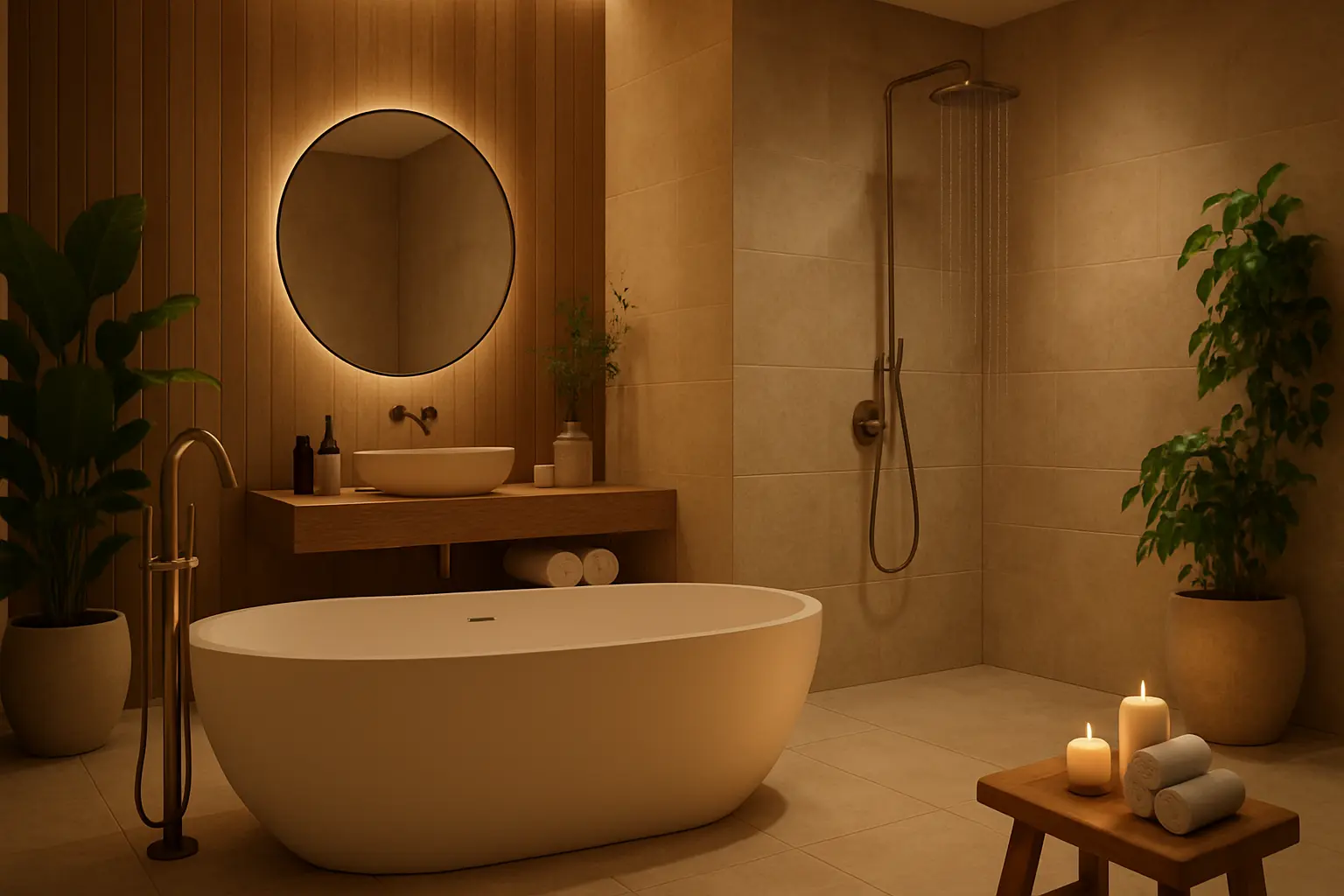
The shower is the centerpiece of any spa bathroom. Modern wellness showers incorporate several advanced features:
Rainfall showerheads: Large, overhead showerheads (typically 200-300mm diameter) that simulate natural rainfall. Prices in India range from ₹3,000 to ₹15,000 depending on material and brand.
Body spray jets: Multiple jets positioned at different heights to massage and relax muscles
Thermostatic mixing valves: Maintain consistent water temperature, preventing sudden hot or cold surges
Water pressure regulation: Allows customization of water flow for different moods and needs
Steam shower capabilities: For those with space and budget, a steam shower enclosure provides spa-quality treatments at home
In Indian cities like Delhi and Mumbai where water quality can be a concern, consider installing a water filtration system in your shower to ensure clean, soft water that's better for skin and hair.
The Soaking Bathtub
While showers are essential, a dedicated soaking tub elevates your bathroom to true spa status. Key considerations:
Freestanding tubs: Modern sculptural designs in materials like acrylic, stone, or composite create focal points. Prices range from ₹50,000 to ₹3,00,000+ depending on material and design.
Depth and dimensions: Look for tubs at least 600mm deep for proper soaking. Standard lengths are 1500-1700mm.
Material selection: Acrylic is affordable and practical (₹50,000-₹100,000), while natural stone offers luxury (₹200,000+). Composite materials offer a middle ground.
Hydrotherapy features: Air jets and water jets provide therapeutic massage benefits
Heating systems: Built-in heating maintains water temperature for longer, more luxurious soaks
Positioning your tub near a window (with privacy considerations) allows you to soak while enjoying natural light and views, enhancing the wellness experience.
Smart Toilet Technology
Modern wellness bathrooms incorporate smart toilets that enhance comfort and hygiene:
Heated seats for comfort, especially important in cooler climates
Bidet functionality with adjustable water pressure and temperature
Self-cleaning nozzles with UV sterilization
Soft-close seats that prevent noise and damage
Air-drying features
While premium smart toilets can cost ₹80,000-₹200,000, they significantly enhance daily comfort and reduce the need for toilet paper, making them both luxurious and environmentally conscious.
Materials That Enhance Wellness
Natural and Sustainable Choices
The wellness bathroom of 2026 prioritizes materials that feel good and have minimal environmental impact:
Natural stone: Marble, granite, and limestone add luxury and durability. Indian marble from Rajasthan is particularly prized. Costs range from ₹300-₹1,000 per square foot.
Teak and other hardwoods: Provide warmth and natural beauty. Sustainable sourcing is crucial. Expect to pay ₹500-₹2,000 per square foot for quality wood finishes.
Terrazzo and concrete: Modern, durable options that can be customized with colors and patterns. Cost-effective at ₹200-₹600 per square foot.
Cork and bamboo: Sustainable, warm, and naturally antimicrobial. Prices are ₹400-₹1,200 per square foot.
Large format tiles: Minimize grout lines, creating clean, spa-like aesthetics. Premium ceramic and porcelain tiles range from ₹150-₹800 per square foot.
The key is selecting materials that feel pleasant to touch and create a cohesive, calming aesthetic throughout the space.
Sensory Elements and Wellness Features
Aromatherapy Integration
Scent is a powerful wellness tool. Incorporate aromatherapy through:
Essential oil diffusers: Ultrasonic or nebulizing diffusers (₹1,500-₹8,000) that disperse therapeutic scents
Scented candles: High-quality, natural wax candles (₹300-₹1,500) with essential oils
Eucalyptus and mint plants: Live plants that naturally freshen air and connect you to nature
Shower steamers: Tablets that release aromatherapy benefits when activated by shower steam
Sound and Silence
Acoustic design is often overlooked but crucial for wellness:
Install sound-absorbing materials to minimize echo and create a quiet retreat
Consider a small waterfall feature or water fountain for gentle, meditative sounds
Use soft-close fixtures to eliminate jarring noises
If desired, integrate a small, waterproof speaker system (₹5,000-₹20,000) for meditation music or nature sounds
Temperature Control
Comfort requires proper temperature management:
Heated floors: Radiant floor heating (₹500-₹1,500 per square foot) provides comfort underfoot and maintains overall warmth
Heated towel rails: Warm towels (₹3,000-₹15,000) enhance the spa experience
Ventilation systems: Proper exhaust systems prevent moisture buildup while maintaining warmth
Climate control: Smart thermostats allow you to set the perfect temperature before entering
Storage and Organization for Wellness
A cluttered bathroom disrupts the sense of calm. Design storage that keeps wellness products and daily essentials organized and out of sight:
Built-in cabinetry: Floating vanities with integrated storage (₹30,000-₹100,000) create clean lines
Recessed shelving: Integrated into walls to maximize space without visual clutter
Spa-style baskets: Natural woven baskets for organizing towels and products
Drawer dividers: Keep small items organized and easily accessible
Hidden ventilation: Ensure moisture control without visible equipment
The goal is a minimalist aesthetic where everything has its place, supporting mental clarity and relaxation.
Wellness Amenities and Accessories
Towels and Textiles
Quality textiles significantly impact the sensory experience:
Egyptian or Turkish cotton towels (₹500-₹2,000 per towel) offer superior softness and absorbency
Bamboo towels (₹400-₹1,500) are hypoallergenic and sustainable
Plush bathrobes (₹2,000-₹8,000) add luxury and comfort
Heated towel racks ensure towels are warm and dry
Mirrors and Lighting Accessories
Quality mirrors are both functional and aesthetic:
Large, frameless mirrors (₹5,000-₹25,000) create a sense of space and light
Anti-fog mirrors with integrated heating maintain clarity during steamy showers
Magnifying sections assist with grooming tasks
Backlit mirrors (₹15,000-₹40,000) add ambient lighting and modern appeal
Wellness Products and Amenities
Stock your bathroom with quality wellness products:
Natural soaps and body washes (₹300-₹1,000)
Face masks and exfoliants for spa treatments at home
Bath salts and essential oils (₹200-₹800)
Luxury hand creams and body lotions
Natural loofahs and bath brushes
Budget Considerations for Indian Homeowners
Creating a wellness bathroom requires investment, but you can tailor it to your budget:
Budget bathroom (₹2,00,000-₹5,00,000): Focus on quality fixtures, good lighting, neutral colors, and essential spa features like a rainfall showerhead
Mid-range bathroom (₹5,00,000-₹15,00,000): Add a soaking tub, heated floors, smart lighting, and premium materials
Luxury bathroom (₹15,00,000+): Include steam showers, smart toilets, premium natural stone, and comprehensive automation
Prioritize investments in items you'll use daily—quality showerheads, lighting, and flooring—before splurging on less-used features.
Working with Design Professionals
Designing a wellness bathroom is complex, involving plumbing, electrical work, ventilation, and aesthetics. When planning your renovation, consider working with experienced architects and interior designers who understand wellness design principles. Platforms like AECORD connect homeowners with qualified professionals in major Indian cities who specialize in bathroom design and renovation. These experts can help you navigate local building codes, source quality materials, manage budgets, and ensure your vision becomes reality.
Future Trends for 2026 and Beyond
The wellness bathroom continues to evolve. Expect these trends in 2026:
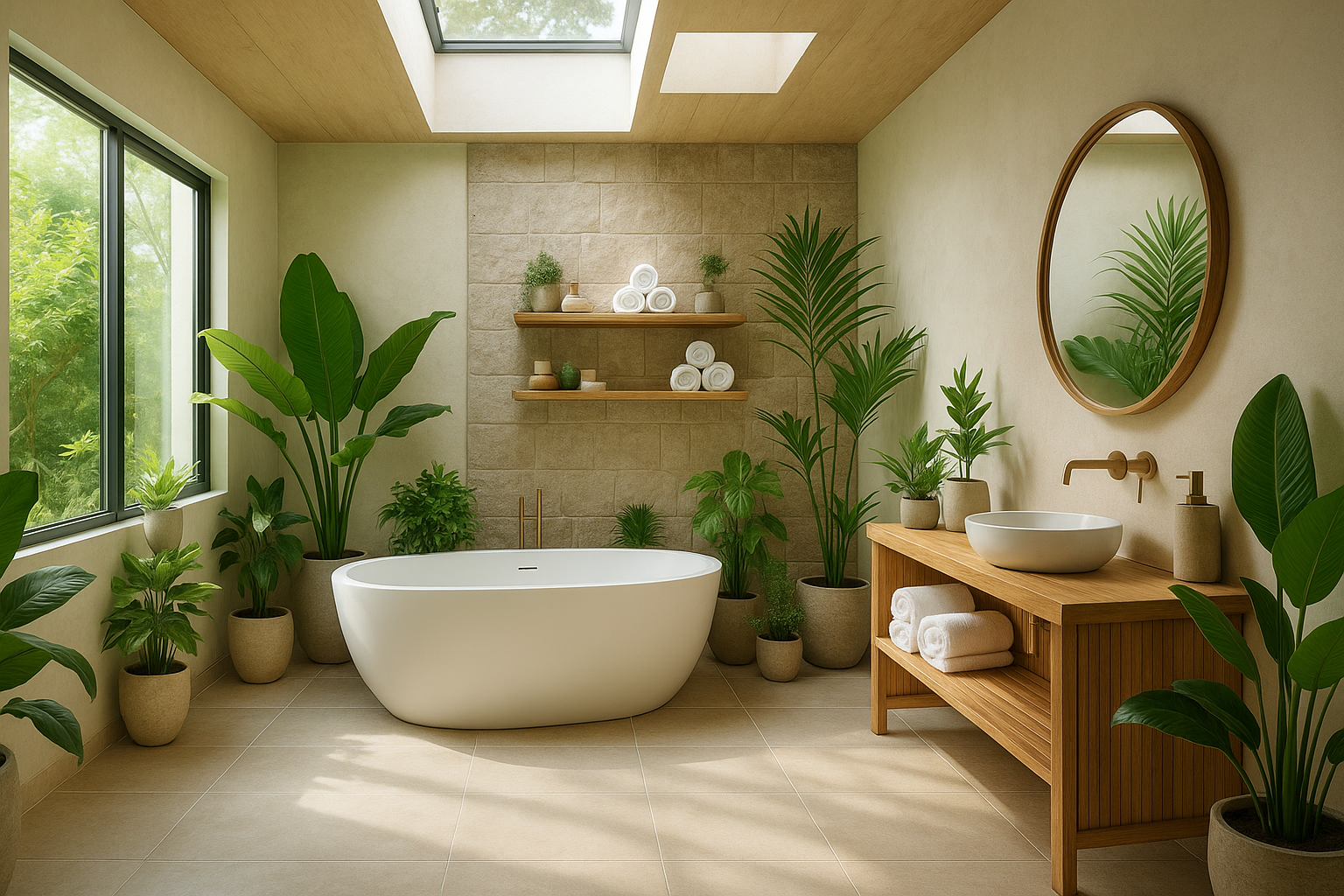
Biophilic design: More natural elements, living walls, and connections to nature
AI-powered personalization: Smart systems that learn your preferences and adjust lighting, temperature, and ambiance automatically
Water conservation: Advanced filtration and recycling systems that reduce environmental impact
Wellness tracking: Integration with health apps to monitor and optimize wellness routines
Modular systems: Flexible, upgradeable components that allow bathrooms to evolve with changing needs
Conclusion: Your Personal Wellness Sanctuary
Creating a spa-like wellness bathroom at home is an investment in your physical health and mental well-being. By thoughtfully combining quality fixtures, calming aesthetics, sensory elements, and smart design, you can transform your bathroom into a personal sanctuary that supports relaxation, rejuvenation, and self-care.
Whether you're in Mumbai, Delhi, Bangalore, or any other Indian city, the principles of wellness bathroom design remain consistent: prioritize comfort, embrace natural materials, control sensory inputs, and create a space that feels distinctly yours.
Ready to start your wellness bathroom journey? AECORD makes it easy to find experienced architects, interior designers, and contractors who specialize in bathroom renovations. Browse profiles of vetted professionals in your city, compare their expertise and portfolios, and connect with the right team to bring your spa retreat vision to life. Your perfect wellness bathroom is just a few clicks away.
Frequently Asked Questions
What exactly is a wellness bathroom and how is it different from a regular bathroom?
A wellness bathroom is designed to engage all your senses and promote relaxation through sensory comfort, functionality, sustainability, and personalization—going beyond basic aesthetics to create a spa-like sanctuary that supports self-care and mental well-being.
What are the best colors for a spa-inspired wellness bathroom?
Soft neutrals like whites and warm grays, spa-inspired greens such as sage and eucalyptus, and warm earth tones like terracotta work best for wellness bathrooms. Avoid bright, jarring colors and use muted accent colors like soft lavender or blue through accessories.
How should I design the lighting in a wellness bathroom?
Use layered, adjustable lighting with ambient lighting (2700-3000K), task lighting around mirrors (4000K), accent lighting for visual interest, and dimmable controls. Smart lighting systems allow you to create different scenes for various times of day and moods.
What features make a bathroom wellness-focused in 2026?
Key features include sensory comfort elements (soft lighting, soothing colors, pleasant scents), water-efficient fixtures, eco-friendly materials, smart technology integration, and personalized elements that reflect individual wellness goals.
Is a spa-like bathroom design practical for Indian homes?
Yes, wellness bathroom design is increasingly popular in Indian metropolitan areas like Mumbai, Bangalore, and Pune, with urban professionals investing in spa-like bathrooms that reduce stress and improve quality of life while incorporating traditional Indian design elements.