

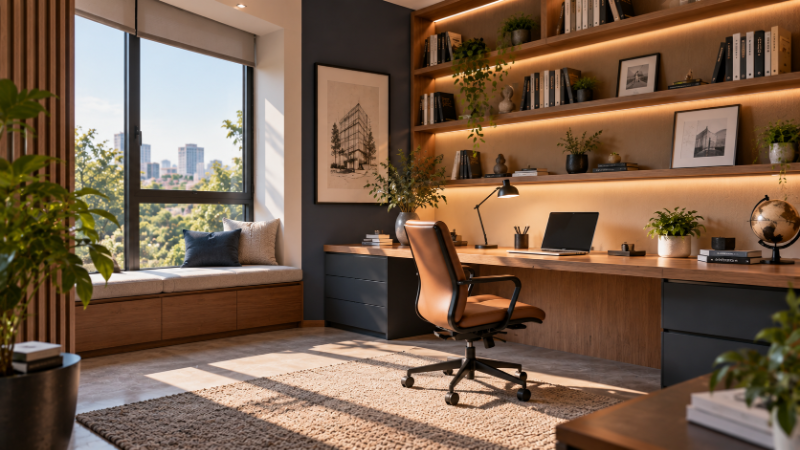
Creating an effective study room is essential for students, professionals, and anyone who needs a dedicated space for focused work. Whether you're designing a study room for a child, teenager, or adult, the right interior design can significantly enhance productivity, concentration, and overall learning outcomes. In India, where space is often at a premium, thoughtful study room design becomes even more critical. This comprehensive guide explores practical study room interior design ideas that work perfectly for Indian homes and offices.
Understanding the Importance of Study Room Design
A well-designed study room goes far beyond aesthetics. The layout, color scheme, lighting, and furniture arrangement directly impact your ability to focus and retain information. Studies show that environmental factors can improve productivity by up to 25%. In Indian cities like Bangalore, Mumbai, Delhi, and Pune, where space constraints are common, maximizing your study area's functionality becomes crucial.
Before diving into specific design ideas, consider your study room's primary purpose. Are you creating a space for competitive exam preparation, professional work, creative projects, or general academics? Your answer will influence decisions about layout, storage, and ambiance. Many professionals now work from home, making dedicated study spaces more important than ever.
Build cost · Bengaluru, May 2026
Choosing the Right Colour Palette
Colour psychology plays a vital role in creating a productive study environment. Different colors evoke different mental states and can either enhance or hinder concentration.
Best Colours for Study Rooms
Light Blue: Promotes calmness and concentration. It's ideal for reducing anxiety and creating a serene atmosphere. This color works well in Indian homes where natural light may be limited.
Soft Green: Associated with growth, balance, and reduced eye strain. Green is particularly beneficial if you spend long hours reading or working on screens.
Warm Neutrals: Beige, soft gray, and warm white create a professional, distraction-free environment. These colors are practical for Indian homes as they reflect light and keep rooms cooler.
Pale Yellow: Stimulates mental activity and creativity without being overwhelming. It's an excellent choice for creative professionals.
Colours to Avoid: Bright red, intense orange, and dark colors can be overstimulating and may increase stress levels. While these colors have their place in design, they're best avoided as primary study room colours.
For a typical study room in Delhi or Bangalore, consider painting three walls in a neutral tone and using an accent wall in soft blue or green. This approach maintains focus while adding visual interest without overwhelming the space.
Optimizing Lighting Conditions
Proper lighting is perhaps the most critical factor in study room design. Poor lighting causes eye strain, headaches, and reduced productivity. Indian study rooms must account for the intense summer sun and monsoon darkness.
Frequently asked
Natural Light Maximization
Position your desk near windows to leverage natural light during daytime hours
Use light, sheer curtains or blinds that allow light penetration while reducing glare
Keep windows clean to maximize light entry
Consider reflective surfaces like light-colored walls to bounce natural light throughout the room
Artificial Lighting Solutions
Since Indian weather often limits natural light availability, invest in quality artificial lighting:
Task Lighting: A good desk lamp with 40-60 watts is essential. LED lamps are energy-efficient and produce minimal heat, important for Indian summers. Expect to spend ₹1,500-₹4,000 for a quality desk lamp.
Ambient Lighting: Overhead lights or wall-mounted fixtures provide general illumination. Dimmable lights offer flexibility for different times of day.
Accent Lighting: Subtle background lighting reduces the contrast between your work area and surroundings, reducing eye fatigue.
The ideal study room has a combination of all three types. Avoid placing lights directly overhead where they create shadows on your work surface. Position task lighting at an angle to illuminate your desk without causing glare on screens.
Selecting Functional Furniture
Furniture selection directly impacts comfort and productivity. In India, where budget considerations are important, you can find quality study furniture ranging from ₹5,000 to ₹50,000+ depending on materials and design.
Essential Furniture Pieces
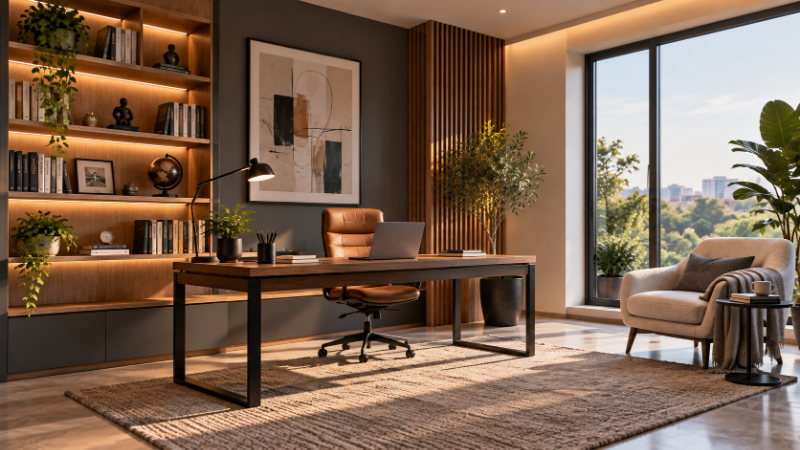
Study Desk: This is your most important piece. The desk should be:
Spacious enough for your laptop, books, and materials (minimum 4 feet wide)
At an appropriate height (28-30 inches is standard)
Sturdy and stable to prevent wobbling
Made from materials that withstand India's humidity and temperature fluctuations
In compact Indian apartments, consider L-shaped desks or corner desks that maximize space. Brands available across Indian cities offer options from ₹8,000 to ₹30,000.
Ergonomic Chair: You'll spend hours sitting, so invest in a good chair. Key features include:
Proper lumbar support to prevent back pain
Adjustable height to maintain proper posture
Breathable fabric suitable for Indian climate
Armrests to reduce shoulder strain
Quality ergonomic chairs cost between ₹6,000 and ₹25,000. Remember that a good chair is an investment in your health and productivity.
Storage Solutions: Clutter destroys concentration. Include:
Bookshelves for textbooks and reference materials
Desk organizers for pens, papers, and supplies
Filing cabinets for important documents
Wall-mounted shelves to save floor space in smaller rooms
Creating an Organized Layout
The arrangement of your study room significantly affects workflow and focus. An organized layout reduces distractions and creates a professional atmosphere.
The Work Triangle Concept
Arrange your primary work areas (desk, storage, reference materials) in a triangular layout to minimize movement and maximize efficiency. Your desk should be the focal point, with frequently used items within arm's reach.
Positioning Your Desk
In Vastu Shastra, which many Indian homeowners follow, the northeast direction is considered auspicious for study. Practically speaking:
Face the entrance when possible to avoid feeling trapped
Position the desk away from the door to minimize distractions
Ensure you're not directly facing a wall, which can feel confining
Keep the area behind you supported (a wall rather than open space)
Storage Placement
Place frequently used items at eye level and arm's reach. Reference materials should be easily accessible without leaving your desk. Less frequently used items can be stored higher or lower. This organization principle, often called the "zone system," significantly improves productivity.
Minimizing Distractions
A productive study room eliminates unnecessary distractions. This is particularly important in Indian homes where multiple family members may be present.
Sound Management
Use heavy curtains or acoustic panels to dampen external noise from busy Indian streets
Consider a white noise machine or soft background music if silence feels too stark
Use noise-canceling headphones when necessary
Inform family members of your study schedule to minimize interruptions
Visual Distractions
Keep the room clutter-free with everything having a designated place
Avoid placing the desk facing windows with interesting views
Remove unnecessary decorations that might catch your attention
Use a screen or partition if the room is part of a larger space
Digital Distractions
Keep your phone in another room or in a drawer during study sessions
Use website blockers to prevent browsing during work time
Close unnecessary browser tabs and applications
Create a separate workspace if possible to mentally separate work from leisure
Incorporating Comfort Elements
While minimizing distractions is important, your study room should also feel comfortable and inviting. Discomfort leads to avoidance and procrastination.
Temperature Control
In India's hot climate, proper temperature management is crucial. Consider:
A ceiling fan or pedestal fan for air circulation
An air conditioner for intense summer months (particularly important in cities like Delhi and Hyderabad)
Thermal curtains to regulate temperature and reduce energy costs
Proper ventilation to maintain air quality during long study sessions
Plants and Natural Elements
Adding indoor plants improves air quality and creates a calming atmosphere. Low-maintenance options suitable for Indian homes include:
Snake plants (require minimal water and light)
Pothos (adaptable to various conditions)
Spider plants (improve air quality)
Bamboo palm (adds height and elegance)
Plants also reduce stress and improve focus, making them valuable additions beyond their aesthetic appeal.
Personalizing Your Study Space
While maintaining a professional atmosphere, personalization makes your study room feel like your own space, increasing motivation and comfort.
Motivational Elements
Display inspirational quotes or your goals on the wall
Use a vision board to visualize your objectives
Frame certificates or achievements to remind yourself of past successes
Include a small item that brings you joy without creating clutter
Functional Decor
Choose decorative elements that serve a purpose:
A wall calendar to track deadlines and schedules
A bulletin board for important notes and reminders
A whiteboard for brainstorming and planning
Artwork that complements your color scheme
Budget-Friendly Design Tips for Indian Homeowners
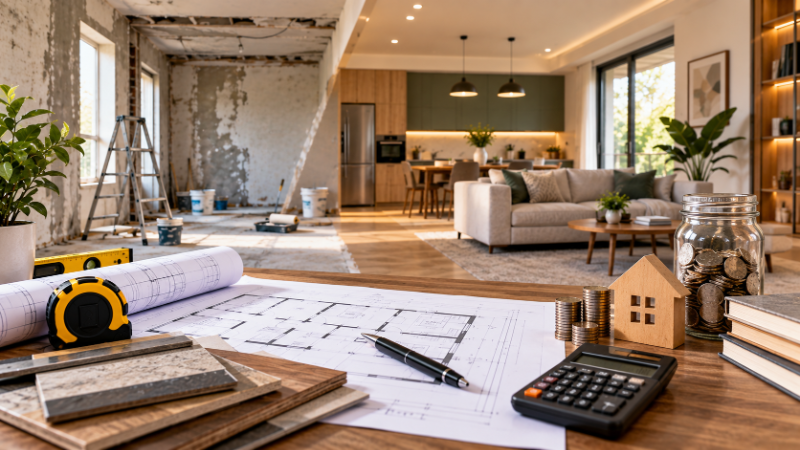
Creating an effective study room doesn't require a large budget. Here are practical ways to design a productive space affordably:
DIY Storage: Use wooden crates, cardboard boxes, or repurposed furniture for storage solutions
Paint and Wallpaper: A fresh coat of paint (₹2,000-₹5,000 for a small room) transforms the space dramatically
Thrift and Repurpose: Indian second-hand markets offer excellent furniture deals
Lighting Upgrades: LED bulbs are inexpensive (₹100-₹300) and energy-efficient
Online Marketplaces: Websites popular in India offer competitive prices on study furniture and accessories
A functional study room can be created with a budget of ₹15,000-₹30,000, making it accessible for most Indian households.
Adapting Design for Different Study Room Sizes
Small Study Rooms (Under 100 sq ft)
In compact Indian apartments, maximize vertical space with wall-mounted shelves, use corner desks, and employ multifunctional furniture. Light colors and mirrors create an illusion of space.
Medium Study Rooms (100-200 sq ft)
With more space, you can include separate zones for different activities—a focused work area, a reading nook, and storage space. This separation improves organization and reduces distractions.
Large Study Rooms (Over 200 sq ft)
Larger spaces allow for more elaborate designs. Consider creating distinct zones for different purposes, adding a comfortable reading area, and including decorative elements that inspire creativity.
Implementing Technology in Your Study Room
Modern study rooms should accommodate technology effectively:
Cable Management: Use cable organizers and clips to keep wires neat and organized
Power Outlets: Ensure adequate outlets for devices, or use power strips with surge protection
Monitor Stands: Position screens at eye level to prevent neck strain
Charging Stations: Designate a specific area for charging devices
Internet Connectivity: Ensure strong Wi-Fi signal throughout the room
Conclusion: Creating Your Ideal Study Room
Designing an effective study room is an investment in your productivity and success. By thoughtfully considering color, lighting, furniture, layout, and organization, you can create a space that enhances focus and motivation. Whether you're in Mumbai, Bangalore, Delhi, or any other Indian city, these principles apply universally.
Remember that your study room should evolve with your needs. Regularly assess what's working and what isn't, making adjustments as necessary. The goal is to create a personalized space that supports your specific goals and learning style.
If you're looking for professional interior designers, architects, or contractors to help bring your study room vision to life, consider exploring AECORD. AECORD connects you with qualified AECO professionals across India who can provide expert guidance on study room design tailored to your space and budget. Whether you need help with layout planning, material selection, or full-scale interior design services, AECORD makes it easy to find and hire the right professionals for your project.
Start implementing these ideas today, and watch as your study room becomes a catalyst for improved focus, productivity, and success. Your dedicated space is waiting to transform your learning and professional journey.