

Stair nosing is one of the most critical yet often overlooked components in building design and construction. Whether you're designing a residential apartment in Mumbai, a commercial office in Bangalore, or a public institution in Delhi, understanding stair nosing specifications is essential for safety, durability, and compliance with Indian building codes.
In this comprehensive guide, we'll explore everything you need to know about stair nosing—from materials and installation to regulations and cost considerations specific to the Indian market.
What is Stair Nosing?
Stair nosing refers to the protruding edge of a stair tread that extends beyond the riser below it. This overhang, typically ranging from 25mm to 40mm, serves multiple critical functions in stair design and safety.
The nosing is the first point of contact for a person's foot when ascending or descending stairs. It defines the visual edge of each step and plays a crucial role in preventing trips and falls—making it one of the most important safety features in any staircase.
Build cost · Bengaluru, May 2026
Why Stair Nosing Matters: Safety and Functionality
Safety Considerations
Stair-related accidents account for a significant portion of home and workplace injuries in India. According to safety statistics, improper stair design—including inadequate or missing nosing—contributes to thousands of preventable injuries annually.
Proper stair nosing provides several safety benefits:
Clear visual definition: The nosing creates a distinct edge that helps users identify each step, reducing missteps and falls
Foot support: It provides a clear landing surface for the heel and ball of the foot
Slip resistance: Modern nosing materials can include anti-slip properties crucial in high-traffic areas
Accessibility: Proper nosing dimensions ensure compliance with accessibility standards for elderly and differently-abled individuals
Durability and Maintenance
In Indian climates—especially in humid coastal cities like Mumbai and Goa, or monsoon-affected regions—stair nosing protects the tread and riser edges from water damage and wear. The nosing bears the brunt of foot traffic and weather exposure, making it a sacrificial component that extends the life of the entire staircase.
Frequently asked
Indian Building Code Requirements for Stair Nosing
The National Building Code of India (NBC) and various state building codes specify requirements for stair design, including nosing dimensions.
Key NBC Specifications
Nosing projection: Typically 25mm to 40mm is recommended
Nosing shape: Should be rounded or beveled to prevent sharp edges
Slip resistance: A coefficient of friction of at least 0.6 is recommended for public buildings
Visibility: Contrasting colors should be used to make nosing clearly visible, especially in public buildings
Consistency: All steps in a flight must have uniform nosing dimensions
Different states may have additional requirements. For instance, Tamil Nadu and Karnataka have specific provisions for heritage buildings and institutional structures. Always consult with local municipal authorities or building departments in your city—whether it's the BMC in Mumbai, BBMP in Bangalore, or MCD in Delhi—before finalizing stair designs.
Types of Stair Nosing Materials
The choice of nosing material depends on the building type, climate, budget, and aesthetic requirements. India's diverse climate zones demand different material considerations.
Marble and Granite Nosing
Natural stone nosing remains popular in Indian residential and commercial buildings, particularly in North India.
Advantages:
Elegant appearance suitable for premium residential projects
Excellent durability in dry climates
Easy to clean and maintain
Cost-effective in regions near quarries (e.g., Rajasthan, Karnataka)
Disadvantages:
Can be slippery when wet—problematic in monsoon regions
Prone to chipping at the edges with heavy foot traffic
Requires regular sealing in humid climates like Mumbai or Kolkata
Installation costs can be high (₹150-400 per running meter depending on stone quality)
Ceramic and Porcelain Tile Nosing
Ceramic and porcelain nosing is increasingly popular for both residential and commercial applications across India.
Advantages:
Excellent slip resistance, especially with textured finishes
Water-resistant and ideal for humid climates
Available in numerous colors and designs
Cost-effective (₹80-250 per running meter)
Easy installation and maintenance
Disadvantages:
Can crack under heavy impact
Grout joints may require periodic maintenance
Limited premium options compared to natural stone
Metal Nosing (Aluminum and Stainless Steel)
Metal nosing is common in commercial buildings, offices, hospitals, and public institutions across Indian cities.
Advantages:
Highly durable and long-lasting
Excellent slip resistance with textured or rubber-insert options
Modern aesthetic suitable for contemporary designs
Ideal for high-traffic commercial areas
Easy to clean and maintain
Disadvantages:
Higher initial cost (₹200-600 per running meter)
Aluminum can corrode in coastal areas (requires anodizing)
Stainless steel is more expensive but superior for coastal regions
May require professional installation
Rubber and Composite Nosing
Rubber and composite nosing materials are ideal for institutional buildings, schools, and healthcare facilities.
Advantages:
Excellent slip resistance
Sound-dampening properties
Comfortable underfoot
Cost-effective (₹100-300 per running meter)
Durable in all Indian climate zones
Disadvantages:
May show wear with heavy traffic
Limited color options
Requires replacement more frequently than stone or metal
Wooden Nosing
Wooden nosing is used in premium residential projects and heritage buildings, particularly in hill stations and traditional architectural designs.
Advantages:
Warm, aesthetic appeal
Natural grip and comfortable feel
Blends well with wooden stairs
Disadvantages:
Not suitable for humid climates like Mumbai, Kolkata, or coastal areas
Requires regular maintenance and sealing
Susceptible to termites and rot in monsoon regions
Higher cost and limited availability
Stair Nosing Dimensions and Design Specifications
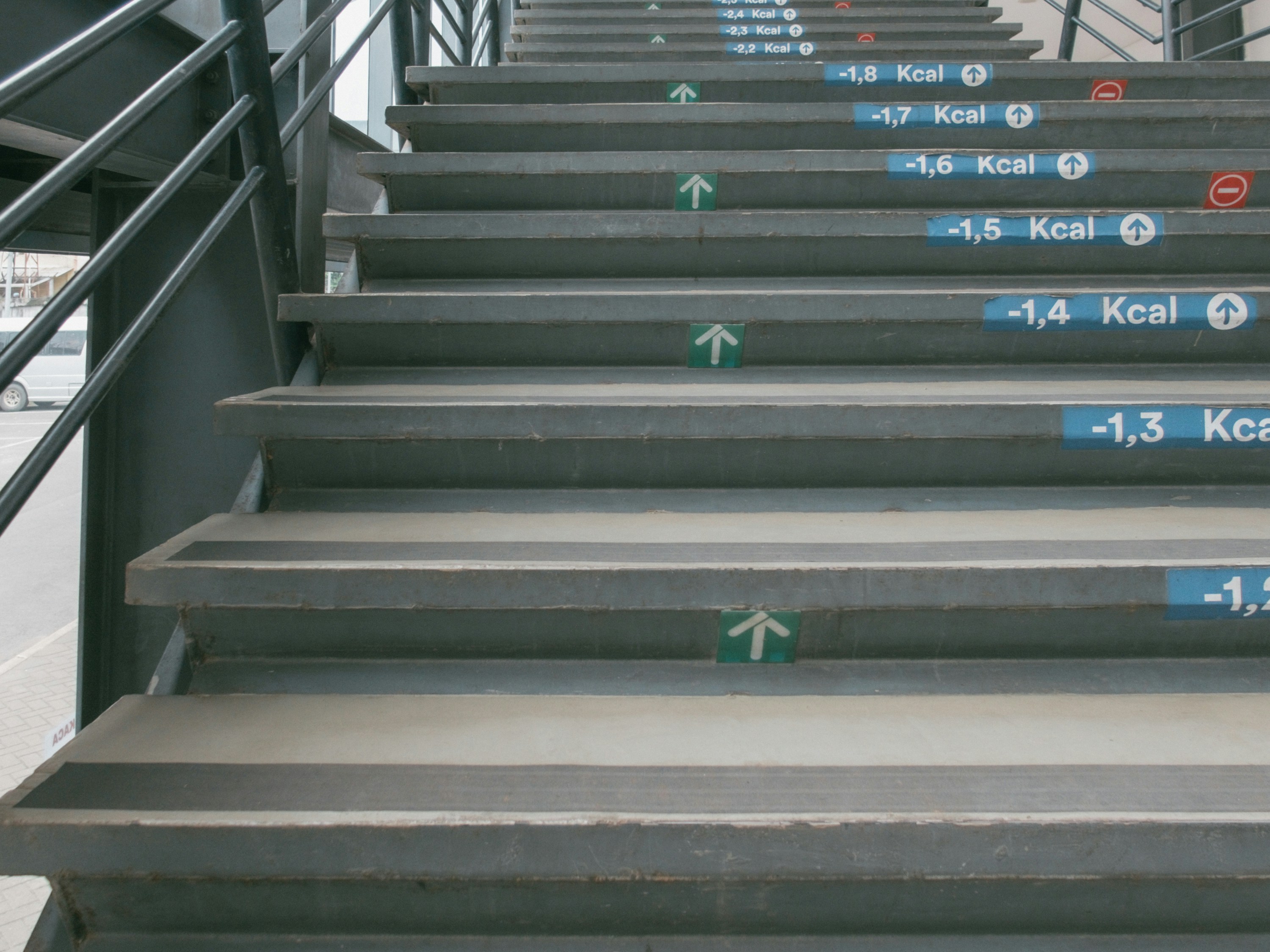
Standard Measurements
According to NBC and international standards, here are the key dimensional requirements:
Nosing projection: 25-40mm (most commonly 30-35mm)
Tread depth: Minimum 250mm (measured from nosing to nosing)
Riser height: 150-190mm (with 175mm being standard)
Stair width: Minimum 900mm for residential, 1200mm for commercial
Radius of nosing: 6-12mm for rounded edges
These dimensions ensure that an average adult's foot can comfortably land on each step without slipping off or catching the nosing.
Consistency is Critical
One of the most important rules in stair design is that all steps in a flight must have identical nosing dimensions. Variations of even 5-10mm can cause trips and falls. This is particularly important in commercial buildings and public spaces where users may be moving quickly or in low-light conditions.
Installation Best Practices
Preparation
Ensure the stair structure is completely level and stable before installing nosing
Clean all surfaces thoroughly to remove dust, debris, and old adhesive
In humid climates like Mumbai or Goa, allow concrete to cure fully (28 days) before installation
Use appropriate primers for moisture-prone regions
Installation Methods
Adhesive Installation: For ceramic, porcelain, and some metal nosing, high-quality tile adhesive or construction adhesive is used. In India, products like Sika, Fosroc, and Mapei are commonly recommended.
Mechanical Fastening: Metal nosing often uses screws or bolts for secure attachment, particularly important in high-traffic commercial areas.
Mortar Bedding: Traditional stone nosing may be set in cement mortar, though modern adhesives are increasingly preferred for better water resistance.
Climate Considerations for India
Monsoon regions (Mumbai, Goa, Kolkata): Use waterproof adhesives and ensure proper drainage behind nosing
Dry regions (Delhi, Rajasthan): Standard adhesives work well, but ensure proper curing time
Coastal areas: Use corrosion-resistant materials and adhesives to prevent salt damage
High-altitude areas: Account for temperature fluctuations that may affect material expansion
Slip Resistance and Safety Features
In India, where many buildings experience wet conditions during monsoons, slip resistance is paramount. The coefficient of friction (CoF) measures how slippery a surface is:
Dry CoF: Should be minimum 0.5
Wet CoF: Should be minimum 0.4 (critical for Indian climate)
Public buildings: NBC recommends minimum 0.6 wet CoF
To enhance slip resistance, consider:
Textured or anti-slip coatings on nosing surfaces
Rubber or composite inserts in metal nosing
Grooved or ridged ceramic finishes
Contrasting color nosing for better visibility in low-light conditions
Cost Considerations in the Indian Market
Stair nosing costs vary significantly based on material, quality, and location:
Ceramic/Porcelain: ₹80-250 per running meter
Natural stone (marble/granite): ₹150-400 per running meter
Aluminum nosing: ₹200-400 per running meter
Stainless steel nosing: ₹300-600 per running meter
Rubber/Composite: ₹100-300 per running meter
Installation labor: ₹30-100 per running meter (varies by city and complexity)
For a typical residential staircase with 12-15 steps (approximately 5-6 running meters), total nosing costs typically range from ₹5,000 to ₹25,000 including installation.
Common Mistakes to Avoid
Inconsistent dimensions: Varying nosing projection or height between steps
Poor adhesion: Using substandard materials that fail in humid climates
Inadequate slip resistance: Installing slippery materials without anti-slip treatment
Sharp edges: Failing to round or bevel nosing edges
Ignoring local codes: Not consulting municipal building regulations
Improper sealing: In humid regions, failing to seal joints and edges
Cheap materials: Selecting materials that deteriorate quickly in monsoon conditions
Stair Nosing for Different Building Types
Residential Buildings
In residential projects across Indian cities, aesthetic appeal combined with safety is important. Marble or high-quality ceramic nosing with subtle color contrasts works well. Ensure at least 0.5 wet CoF for safety in monsoon regions.
Commercial Buildings
Office buildings and commercial spaces benefit from durable metal or high-grade ceramic nosing. Stainless steel is preferred in Tier-1 cities like Mumbai, Bangalore, and Delhi for its longevity and professional appearance.
Healthcare and Educational Institutions
Hospitals, clinics, schools, and colleges require maximum slip resistance and easy maintenance. Rubber or composite nosing with textured surfaces is ideal, with clear color contrasts for visibility.
Public Buildings
Government buildings, libraries, and public facilities must comply strictly with NBC accessibility requirements. Contrasting color nosing and high slip resistance (minimum 0.6 wet CoF) are mandatory.
Maintenance and Long-term Care
Proper maintenance extends the life of stair nosing significantly:
Regular cleaning: Sweep daily and mop with appropriate cleaners for your material type
Seal joints: In humid regions, reseal grout joints and edges every 1-2 years
Inspect for damage: Check for cracks, chips, or loose sections quarterly
Replace worn sections: Address damage promptly to prevent further deterioration
Climate-specific care: In coastal areas, use corrosion-resistant products; in monsoon regions, ensure proper drainage
Finding Professional Help for Stair Nosing Installation
Installing quality stair nosing requires expertise in material selection, measurement precision, and climate-appropriate techniques. Whether you're planning a residential renovation in Pune, a commercial office in Hyderabad, or a public building in Kolkata, working with experienced professionals is essential.
AECORD connects you with verified architects, engineers, and construction specialists across India who understand local building codes and climate requirements. On AECORD, you can find professionals experienced in stair design and nosing installation who can recommend the best materials and specifications for your specific project and location.
When selecting a contractor through AECORD, look for professionals who can demonstrate:
Experience with projects in your region and climate zone
Knowledge of local building codes and NBC requirements
Portfolio of completed staircase projects
Understanding of material properties and durability in Indian conditions
Proper warranty and after-sales support
Conclusion
Stair nosing may seem like a minor detail, but it's a critical component that impacts safety, durability, and compliance with Indian building codes. The right choice of material, proper installation, and adherence to specifications can prevent accidents and ensure your staircase lasts for decades.
Whether you're building a new structure or renovating existing stairs, invest time in understanding your options and consulting with qualified professionals. Consider your local climate, building type, budget, and safety requirements when making decisions about stair nosing.
Ready to find the right professionals for your stair design and installation project? Explore AECORD today to connect with experienced architects, engineers, and construction experts in your city who can guide you through every aspect of stair nosing selection and installation.
Frequently Asked Questions
What is stair nosing and why is it important?
Stair nosing is the protruding edge of a stair tread that extends 25-40mm beyond the riser below it. It's critical for safety as it creates a distinct visual edge that helps prevent trips and falls, provides clear foot support, and offers slip resistance in high-traffic areas.
What are the Indian Building Code requirements for stair nosing?
The National Building Code of India (NBC) specifies that nosing projection should be 25-40mm with rounded or beveled edges, a slip resistance coefficient of at least 0.6 for public buildings, contrasting colors for visibility, and uniform dimensions across all steps. Local municipal authorities may have additional state-specific requirements.
What materials are best for stair nosing in Indian climates?
Material choice depends on climate and building type. Marble and granite are popular for residential buildings in North India, while materials with anti-slip properties and water resistance are essential for humid coastal cities like Mumbai and monsoon-affected regions to prevent water damage and wear.
How does proper stair nosing prevent accidents?
Proper stair nosing prevents accidents by creating clear visual definition of each step, providing adequate foot support for heels and balls of feet, offering anti-slip properties, and ensuring accessibility compliance for elderly and differently-abled individuals. Inadequate nosing contributes to thousands of preventable injuries annually in India.
Why is stair nosing considered a sacrificial component?
Stair nosing bears the brunt of foot traffic and weather exposure, especially in humid and monsoon-affected Indian regions, making it wear faster than other stair components. By protecting the tread and riser edges from water damage and deterioration, it extends the overall lifespan of the entire staircase.