



Sir M. Visvesvaraya Terminal: Bangalore's Landmark in Sustainable Railway Infrastructure
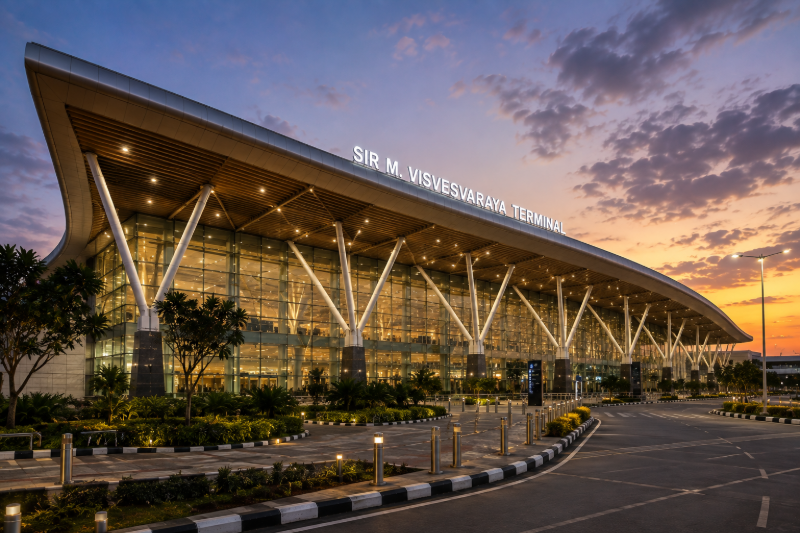
The Sir M. Visvesvaraya Terminal (SMVT) in Bangalore stands as a testament to India's commitment to sustainable urban infrastructure development. Named after the legendary engineer and statesman Mokshagundam Visvesvaraya, this modern railway terminal represents a significant leap forward in how India designs and operates public transportation hubs. Completed in 2022, the terminal has become a benchmark for eco-friendly construction practices in the Indian railway sector, attracting attention from architects, engineers, and sustainability professionals across the country.
For professionals in the architecture, engineering, and construction (AECO) sectors, understanding the design and operational principles of SMVT offers valuable insights into implementing sustainable practices in large-scale infrastructure projects. This comprehensive guide explores the innovative features, engineering solutions, and sustainability measures that make this terminal a model for future development.
Build cost · Bengaluru, May 2026
Overview and Historical Significance
The Vision Behind the Terminal
The Sir M. Visvesvaraya Terminal was conceived as part of Bangalore's broader infrastructure modernization strategy. Located strategically to serve the city's growing population and increasing passenger traffic, the terminal was designed to accommodate the expansion of railway services while maintaining environmental responsibility. The project represents a collaboration between Indian Railways, the Government of Karnataka, and various private contractors, all committed to creating a facility that honors both functionality and sustainability.
The terminal's naming after Sir M. Visvesvaraya is particularly symbolic, as the engineer was a pioneer in advocating for technological advancement and sustainable development in India during the early 20th century. His legacy of innovation directly influenced the architectural and engineering decisions made for this modern facility.
Key Project Statistics
The terminal project involved an investment of approximately ₹1,000+ crores, making it one of the significant infrastructure investments in Bangalore's recent history. The facility spans over 1.3 lakh square meters, with capacity to handle 20,000+ passengers daily. The project took approximately 6-7 years to complete, involving multiple phases of construction and continuous refinement of design elements to incorporate the latest sustainable technologies.
Frequently asked
Architectural Design and Layout
Modern Infrastructure Design
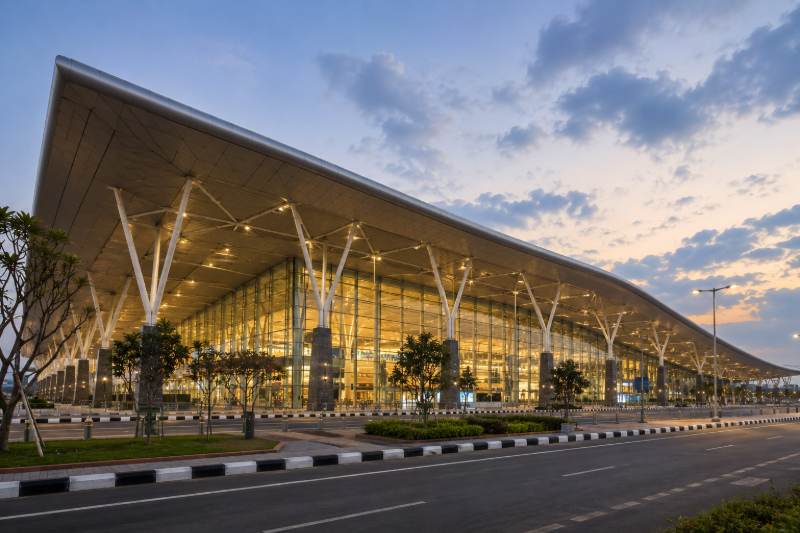
The architectural design of SMVT reflects contemporary principles of passenger-centric facility planning. The terminal features a spacious, well-lit main concourse with high ceilings that create an open, welcoming atmosphere. The layout prioritizes passenger flow efficiency, with clear wayfinding systems that reduce confusion and congestion. Multiple entry and exit points have been strategically positioned to distribute passenger traffic evenly throughout the facility.
The building's structure incorporates seismic design principles, essential for a city like Bangalore that lies in a seismic zone. Engineers designed the terminal to withstand earthquakes up to 6.5 magnitude, ensuring passenger safety and structural integrity during natural disasters. This consideration reflects the professional standards expected by AECORD members working on critical infrastructure projects.
Integration with Urban Landscape
Rather than creating an isolated structure, the terminal's design integrates seamlessly with Bangalore's urban fabric. The building features landscaped plazas, pedestrian pathways, and public spaces that encourage community engagement. The exterior design uses local architectural elements while maintaining a contemporary aesthetic, creating a structure that feels both modern and contextually appropriate for Bangalore.
The terminal's connectivity extends beyond just railway services. It provides integrated access to bus terminals, auto-rickshaw stands, and private vehicle parking, creating a true multi-modal transportation hub. This comprehensive approach to urban mobility planning demonstrates the kind of integrated thinking that modern AECO professionals need to embrace.
Sustainable Design Features
Green Building Certification
The Sir M. Visvesvaraya Terminal achieved LEED (Leadership in Energy and Environmental Design) Gold certification, a significant accomplishment for a railway facility in India. This certification validates the implementation of sustainable practices across all aspects of the terminal's design and operation. The achievement places SMVT among India's most environmentally responsible public transportation facilities.
The LEED certification process involved rigorous assessment of water usage, energy consumption, material sourcing, indoor environmental quality, and sustainable site development. Each category required innovative solutions tailored to the Indian context, demonstrating how global sustainability standards can be adapted for local conditions.
Energy Efficiency Systems
Energy management represents one of the terminal's most impressive sustainability features. The facility utilizes LED lighting throughout, reducing energy consumption by approximately 40% compared to traditional fluorescent systems. Motion sensors integrated with the lighting system ensure that lights operate only in areas with active use, further optimizing energy consumption.
The terminal's HVAC (Heating, Ventilation, and Air Conditioning) systems employ advanced technologies including variable air volume systems that adjust based on occupancy and weather conditions. During Bangalore's moderate climate periods, the system reduces cooling loads significantly, contributing to overall energy savings. The facility's annual energy consumption has been optimized to approximately 150 kWh per square meter, well below the national average for similar facilities.
Renewable Energy Integration
Solar panels installed on the terminal's roof and auxiliary structures generate approximately 500 kW of power during peak sunlight hours. This renewable energy source supplements the facility's grid connection, reducing dependence on fossil fuels and contributing to carbon emission reductions. The solar installation was designed to be visually integrated into the architecture rather than appearing as an afterthought, demonstrating how renewable energy systems can enhance rather than detract from building aesthetics.
The terminal also explores rainwater harvesting potential, with plans for expanding solar capacity as technology evolves and costs decrease. This forward-thinking approach reflects the kind of adaptive design philosophy that AECORD professionals should incorporate into their projects.
Water Management and Conservation
Rainwater Harvesting Systems
Given Bangalore's water scarcity challenges, the terminal incorporates comprehensive rainwater harvesting systems. The facility captures rainwater from all roof surfaces and directs it to underground storage tanks with a capacity of 500,000 liters. This harvested water serves multiple purposes: toilet flushing, landscape irrigation, and cooling system makeup water.
The harvesting system includes filtration and treatment mechanisms to ensure water quality. During Bangalore's monsoon season (June to September), the system can meet approximately 60-70% of the facility's non-potable water requirements, significantly reducing the load on municipal water supplies.
Water-Efficient Fixtures
All restrooms and water-using facilities in the terminal feature low-flow fixtures. Sensor-based taps reduce water wastage compared to manual faucets, while dual-flush toilets optimize water usage based on necessity. These fixtures reduce water consumption by approximately 35% compared to conventional systems, translating to annual savings of over 50 million liters.
Landscape irrigation systems employ drip irrigation techniques rather than sprinklers, further minimizing water waste. Native plant species selected for landscaping require minimal supplemental irrigation, reducing overall water demand while creating habitat for local flora and fauna.
Material Selection and Construction Practices
Sustainable Material Sourcing
The terminal's construction prioritized locally-sourced materials wherever possible, reducing transportation costs and environmental impact. Approximately 70% of construction materials were sourced from suppliers within 500 kilometers of Bangalore. This approach supported local businesses while reducing the carbon footprint associated with material transportation.
Steel components were sourced from manufacturers using electric arc furnaces powered by renewable energy, reducing embodied carbon compared to traditional blast furnace production. Concrete used in the project incorporated fly ash, a byproduct from thermal power plants, reducing the proportion of virgin cement required and diverting industrial waste from landfills.
Waste Management During Construction
The construction phase implemented rigorous waste management protocols. Construction and demolition waste was segregated into categories including concrete, wood, metal, and hazardous materials. Approximately 85% of construction waste was diverted from landfills through recycling and reuse programs. This comprehensive waste management approach became a model for other major construction projects in Bangalore.
The project also implemented a materials tracking system to monitor resource consumption and identify optimization opportunities. This data-driven approach to construction management has become increasingly important for AECORD professionals seeking to demonstrate sustainability credentials to clients and regulatory bodies.
Indoor Environmental Quality
Air Quality Management
The terminal's design ensures excellent indoor air quality through multiple mechanisms. Advanced HVAC systems incorporate HEPA filtration to remove particulate matter, essential given Bangalore's air quality challenges. The system includes carbon filters to address gaseous pollutants, creating a healthier environment for passengers and staff.
Natural ventilation strategies complement mechanical systems. High ceilings and strategic window placement facilitate natural air circulation, reducing dependence on mechanical cooling and improving occupant comfort. During cooler months, the facility can operate with minimal mechanical ventilation, further reducing energy consumption.
Daylighting and Illumination
The terminal maximizes natural daylighting through extensive use of skylights and large windows. These design elements reduce reliance on artificial lighting while creating psychologically beneficial spaces that research shows improve passenger comfort and reduce stress. The daylighting design was carefully calculated to avoid glare and excessive heat gain, particularly important in Bangalore's tropical climate.
Artificial lighting complements natural daylighting with color-tuned LED systems that mimic natural daylight characteristics. This approach maintains circadian rhythm alignment for staff working extended shifts, contributing to better health outcomes and operational efficiency.
Transportation and Connectivity
Multi-Modal Integration
The terminal serves as a comprehensive transportation hub integrating multiple modes of transit. Passengers can seamlessly transfer between trains, buses, auto-rickshaws, and private vehicles. This integration reduces the number of separate trips required, encouraging public transportation use and reducing overall carbon emissions from the city's transportation network.
The terminal includes dedicated facilities for electric vehicles, with charging stations strategically positioned for taxis and private vehicles. This infrastructure supports Bangalore's transition toward electric mobility, aligning with the city's and India's broader climate goals.
Pedestrian and Cycling Infrastructure
Recognizing that many passengers walk or cycle to the terminal, the design includes protected pedestrian pathways and dedicated cycling infrastructure. Secure bicycle parking facilities with weather protection encourage last-mile connectivity through cycling. These facilities acknowledge that sustainable transportation extends beyond the railway itself to include active mobility options.
Operational Sustainability
Waste Management Operations
Beyond construction, the terminal implements comprehensive operational waste management. Segregated waste collection throughout the facility enables recycling and composting of organic materials. The facility has achieved a waste diversion rate of 65%, with ongoing efforts to reach 75% through improved passenger awareness and staff training.
Vendor contracts include sustainability requirements, ensuring that food vendors and retail operators maintain waste management standards consistent with the terminal's environmental goals. This supply chain approach extends sustainability principles throughout the facility's operations.
Staff Training and Community Engagement
The terminal's operational team receives regular training on sustainability practices, ensuring that environmental goals translate into daily operations. Staff understand their role in maintaining the facility's green credentials and can educate passengers about sustainable practices.
Community engagement programs help passengers understand and appreciate the terminal's sustainable features. Informational displays explain the environmental benefits of various systems, encouraging behavior changes such as using public transportation and conserving water and energy.
Economic and Social Impact
Job Creation and Local Development
The terminal's construction and operation have generated significant employment, with approximately 5,000+ jobs created during the construction phase and 800+ permanent positions in operations and maintenance. Many positions prioritize hiring from local communities, contributing to Bangalore's economic development.
The facility has catalyzed development in surrounding areas, attracting retail, hospitality, and service businesses that create additional employment and economic activity. This ripple effect demonstrates how well-designed infrastructure can generate broader economic benefits beyond its primary function.
Accessibility and Inclusivity
The terminal incorporates universal design principles ensuring accessibility for passengers with mobility challenges, visual impairments, and hearing impairments. Wheelchair-accessible pathways, elevators, and restrooms meet and exceed Indian accessibility standards. Audio and visual announcements help all passengers navigate the facility effectively.
Dedicated spaces for nursing mothers, prayer facilities for various faiths, and family restrooms demonstrate the terminal's commitment to inclusive design. These features recognize that sustainable development must consider social dimensions alongside environmental and economic factors.
Lessons for Future Projects
Scalability of Sustainable Design
The Sir M. Visvesvaraya Terminal demonstrates that sustainable design is feasible and economically viable for large-scale infrastructure projects in India. The initial investment premium for green features (approximately 8-10% above conventional construction) is offset by operational savings and improved passenger satisfaction. Over a 30-year lifecycle, the terminal's sustainable features are projected to save approximately ₹50+ crores in operational costs.
AECORD professionals working on similar projects can reference SMVT's design principles, material selections, and operational strategies. The terminal's documentation and case studies provide valuable resources for justifying sustainability investments to clients and stakeholders.
Regulatory and Policy Implications
The terminal's success has influenced policy discussions around railway infrastructure development in India. The Indian Railways has adopted sustainability guidelines based partly on SMVT's experience, encouraging other terminals and stations to incorporate similar features. This regulatory evolution creates opportunities for AECORD members to develop expertise in sustainable railway infrastructure design.
Challenges and Ongoing Improvements
Operational Challenges
Despite its sophisticated systems, the terminal faces ongoing challenges in maintaining optimal performance. Occupancy variations affect energy and water efficiency calculations, requiring continuous system adjustments. Staff training must be continuous as personnel changes occur, ensuring that sustainability practices remain embedded in operations.
Maintenance of renewable energy systems and water treatment equipment requires specialized expertise, necessitating partnerships with qualified service providers. AECORD professionals with expertise in sustainable building operations and maintenance are increasingly in demand for such facilities.
Future Enhancement Opportunities
The terminal's design includes provisions for future enhancements, including expanded solar capacity, advanced energy storage systems, and emerging water treatment technologies. This forward-thinking approach ensures that the facility can evolve with technological advancements without requiring major structural modifications.
Conclusion
The Sir M. Visvesvaraya Terminal represents a significant achievement in sustainable infrastructure development in India. Its integration of advanced engineering, environmental responsibility, and social consideration provides a comprehensive model for future projects. From energy-efficient HVAC systems to comprehensive water management, from sustainable material sourcing to inclusive design, SMVT demonstrates that large-scale public infrastructure can be both functionally excellent and environmentally responsible.
For AECO professionals seeking to advance their expertise in sustainable infrastructure, studying SMVT's design and operational principles offers invaluable insights. The terminal's success validates the business case for green building practices while demonstrating the technical feasibility of implementing sophisticated sustainability systems in Indian conditions.
If you're an architect, engineer, or construction professional working on sustainable infrastructure projects in India, consider connecting with experienced specialists who have contributed to landmark projects like SMVT. On AECORD, you can find vetted professionals with expertise in sustainable design, renewable energy integration, water management systems, and green building certification. Whether you're designing your next terminal, commercial facility, or residential complex, accessing the right expertise can make the difference between conventional construction and truly transformative sustainable development. Explore AECORD's network of sustainability experts today and bring world-class sustainable design principles to your next project.