

The Complete Guide to Choosing the Right Paint for Your Construction Project in India
Paint is often overlooked as a mere finishing touch in construction projects, yet it plays a critical role in protecting structures, enhancing aesthetics, and ensuring long-term durability. Whether you're working on residential apartments in Bangalore, commercial complexes in Mumbai, or industrial facilities in Delhi, selecting the right paint can make a significant difference in both cost-effectiveness and project longevity. This comprehensive guide will help you navigate the Indian paint market and make informed decisions for your AECO projects.
Build cost · Bengaluru, May 2026
Understanding Different Types of Paints Available in India
Emulsion Paints
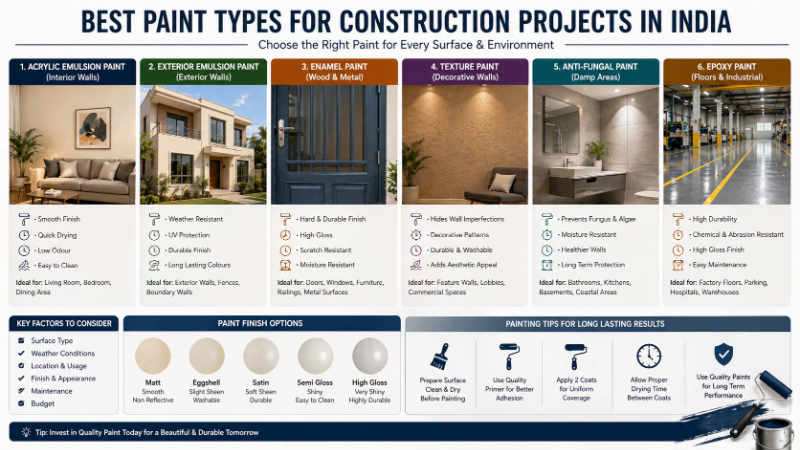
Emulsion paints, also known as water-based paints, are the most commonly used paints in Indian residential and commercial construction. These paints are environmentally friendly, have low volatile organic compound (VOC) emissions, and offer excellent coverage. In India, emulsion paints typically cost between ₹150-400 per liter, depending on the brand and quality.
Emulsion paints are ideal for interior walls and ceilings. They dry quickly (within 2-4 hours), have minimal odor, and are easy to clean up with water. Popular brands in India include Asian Paints, Berger, Nippon Paint, and Kansai Nerolac. When selecting emulsion paint for your project, consider the sheen level—matte finishes hide imperfections, while glossy finishes offer better durability and are easier to clean.
Enamel Paints
Enamel paints are oil-based or synthetic paints that provide a hard, glossy, and durable finish. These paints are excellent for high-traffic areas, bathrooms, and kitchens where moisture resistance is crucial. In the Indian market, enamel paints range from ₹200-500 per liter.
The main advantage of enamel paints is their superior durability and water resistance. However, they take longer to dry (6-24 hours) and require solvents for cleanup. They also emit stronger odors during application, so proper ventilation is essential. Enamel paints are particularly popular for doors, windows, and metal surfaces in Indian construction projects.
Frequently asked
Acrylic Latex Paints
Acrylic latex paints are water-based paints that combine the benefits of emulsion and enamel paints. They offer better adhesion, durability, and flexibility compared to traditional emulsions. These paints cost approximately ₹250-450 per liter in India and are increasingly popular for both interior and exterior applications.
Acrylic latex paints resist cracking and peeling, making them ideal for exterior walls that experience temperature fluctuations. They also provide excellent color retention and can withstand harsh Indian weather conditions, including heavy monsoons and intense sun exposure.
Texture Paints and Specialty Finishes
Texture paints add visual interest and can hide wall imperfections. These include sand finish, stone finish, and roller finish paints, which cost between ₹300-600 per liter. Specialty finishes like metallic, pearl, and matte paints offer unique aesthetic options for premium projects.
In Indian cities like Mumbai and Bangalore, texture paints are increasingly used in high-end residential projects and commercial spaces. They provide better acoustic properties and can enhance the overall design aesthetic of a space.
Key Factors to Consider When Selecting Paint
Surface Type and Preparation
The surface you're painting significantly influences paint selection. Different surfaces—concrete, plaster, wood, metal, or previously painted surfaces—require different paint types and preparation methods. For new concrete in Indian construction, you may need a concrete primer before applying the final coat.
Proper surface preparation is crucial for paint longevity. This includes cleaning, filling cracks, sanding rough areas, and applying primer. Skipping this step can result in poor adhesion and premature paint failure, potentially costing you more in maintenance and repainting.
Climate and Weather Conditions
India's diverse climate zones require careful paint selection. Coastal cities like Chennai and Goa experience high humidity and salt spray, necessitating paints with superior moisture and corrosion resistance. Interior paints may not be suitable for these conditions.
In northern cities like Delhi and Chandigarh, extreme temperature variations can cause paint to crack and peel. Acrylic latex paints with good flexibility are recommended. For areas with heavy rainfall during monsoon season, water-resistant and fungus-resistant paints are essential.
Durability and Maintenance
Consider the expected lifespan of the paint finish. Premium paints may cost 20-30% more initially but can last 5-7 years compared to 2-3 years for budget options. For high-traffic commercial spaces, investing in durable paints reduces long-term maintenance costs.
Some paints include additives for fungus and algae resistance, which is particularly valuable in humid Indian climates. These paints typically cost ₹100-150 more per liter but can significantly extend the paint's lifespan.
VOC Content and Environmental Impact
Low-VOC and zero-VOC paints are increasingly popular in India, especially for residential projects. These paints emit fewer harmful chemicals, making them safer for occupants and the environment. While they may cost slightly more, they align with India's growing emphasis on sustainable construction practices.
Several Indian states have begun implementing stricter environmental regulations regarding paint emissions. Choosing low-VOC paints ensures compliance with current and future regulations while creating healthier indoor environments.
Paint Specifications and Standards in India
Indian Standards for Paint Quality
The Bureau of Indian Standards (BIS) has established specifications for various paint types. BIS IS 2454 covers emulsion paints, while BIS IS 97 covers enamel paints. Checking for BIS certification ensures the paint meets quality and safety standards established for the Indian market.
When sourcing paints for projects, always verify BIS certification. This certification guarantees that the paint has undergone rigorous testing for color fastness, adhesion, durability, and other critical properties.
Color Selection and Matching
Color selection impacts both aesthetics and functionality. Light colors reflect heat, making them ideal for hot Indian climates and helping reduce cooling costs. Darker colors absorb heat and may be less suitable for exterior applications in southern India.
Most major paint manufacturers offer color-matching services. Brands like Asian Paints and Berger provide extensive color palettes with Indian-specific recommendations. It's advisable to test paint samples on your walls before committing to a full project.
Cost Estimation and Budgeting for Paint Projects
Calculating Paint Quantity
Proper quantity estimation prevents wastage and budget overruns. As a general rule, one liter of paint covers approximately 80-100 square feet with two coats, depending on the surface and paint type. For a 1000 square feet apartment in Mumbai, you'd typically need 10-15 liters for walls and ceilings.
Always add 10-15% extra to your calculations for wastage and touch-ups. For textured surfaces or porous materials, coverage may be lower, requiring additional paint.
Budget Breakdown for Indian Projects
For a typical residential project in India, paint costs include:
Paint material: ₹200-400 per liter for quality emulsion (₹2,000-6,000 for a small apartment)
Primer: ₹150-300 per liter (₹500-1,500 for the project)
Labor costs: ₹15-40 per square foot depending on location and complexity
Additional materials: Brushes, rollers, tape, and drop cloths (₹1,000-3,000)
For a 1000 square feet apartment, total paint costs typically range from ₹25,000-50,000, depending on paint quality and labor rates in your city.
Best Practices for Paint Application in Indian Construction
Surface Preparation
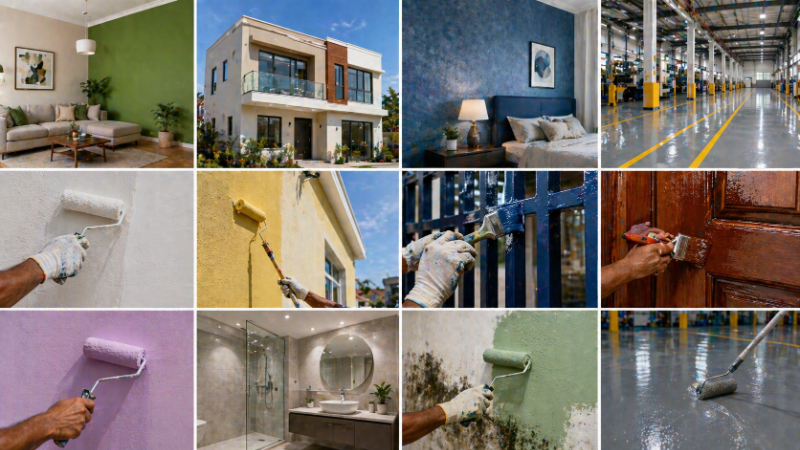
Never underestimate the importance of surface preparation. Clean all surfaces thoroughly, remove dust, and repair any cracks or holes. In humid Indian climates, ensure walls are completely dry before painting to prevent moisture-related issues.
Apply primer to all new surfaces and areas with stains or previous paint. Quality primer improves paint adhesion and coverage, ultimately reducing the amount of paint needed and improving durability.
Weather Considerations
In India, avoid painting during monsoon season when humidity levels are high. The ideal time for exterior painting is during dry seasons—October to March in most regions. Temperature should ideally be between 10-35°C for optimal paint application.
High humidity can cause paint to dry slowly and may result in poor adhesion. If you must paint during monsoon, ensure adequate ventilation and use paints specifically formulated for humid conditions.
Application Techniques
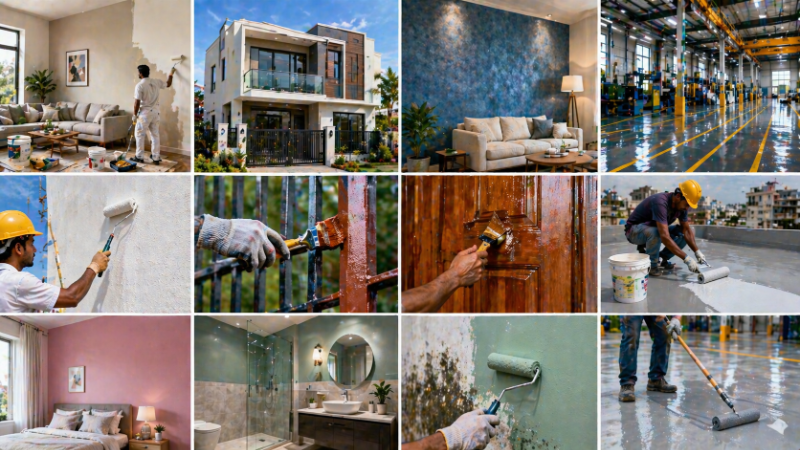
Use quality brushes and rollers for better finish and efficiency. Apply paint in thin, even coats rather than one thick coat. Typically, two coats are recommended for most applications. Allow adequate drying time between coats—check the manufacturer's specifications, as this varies by paint type and weather conditions.
For large projects, consider hiring experienced painters. In cities like Bangalore and Hyderabad, professional painters typically charge ₹20-35 per square foot for skilled labor, which ensures better quality and faster completion.
Finding Quality Paint Suppliers and Professionals on AECORD
Selecting the right paint is only half the battle; finding reliable suppliers and skilled painters is equally important. AECORD, India's leading B2B2C marketplace for AECO professionals, connects you with verified paint suppliers, distributors, and application specialists across major Indian cities.
On AECORD, you can browse through multiple paint suppliers in your area, compare prices and specifications, read reviews from other professionals, and connect directly with vendors. Whether you're sourcing bulk paints for a large commercial project in Delhi or finding a skilled painter for residential work in Pune, AECORD simplifies the procurement process.
The platform also allows you to find color consultants and interior designers who can provide expert recommendations based on your project requirements and local climate conditions. This ensures that your paint selection aligns with both aesthetic goals and practical durability requirements.
Common Paint-Related Issues and Solutions
Peeling and Flaking
Paint peeling is often caused by poor surface preparation, moisture issues, or incompatible paint types. If you experience peeling, remove all loose paint, address any underlying moisture problems, and reapply with appropriate primer and paint.
Cracking and Crazing
Fine cracks in paint can result from paint applied too thickly, poor adhesion, or substrate movement. Use flexible acrylic paints in areas prone to temperature fluctuations, and ensure proper surface preparation.
Color Fading
Intense Indian sunlight can cause exterior paint to fade. Choose paints with UV protection and light-fast pigments. Premium paints with superior color retention may cost more but maintain their appearance significantly longer.
Fungal and Algal Growth
In humid regions, fungal and algal growth on painted surfaces is common. Use paints with built-in fungicide and algaecide, and ensure proper ventilation in damp areas. Regular cleaning and maintenance can also prevent growth.
Future Trends in Indian Paint Market
The Indian paint industry is evolving with increasing emphasis on sustainability, health-conscious formulations, and innovative finishes. Smart paints that can regulate temperature, antimicrobial paints for healthcare facilities, and self-cleaning paints are emerging in the premium segment.
As India's construction industry grows and becomes more regulated, eco-friendly paints and low-VOC formulations will likely become standard rather than premium options. Staying informed about these trends helps you make future-proof decisions for your projects.
Conclusion
Selecting the right paint for your construction project in India requires careful consideration of multiple factors—from climate and surface type to budget and durability requirements. By understanding the different paint types available, following best practices for application, and sourcing materials from reliable suppliers, you can ensure professional results that stand the test of time.
For comprehensive support in sourcing quality paints and connecting with skilled professionals, explore AECORD's network of verified suppliers and service providers. Whether you're managing a small residential project or a large commercial development, AECORD helps you find the right materials and expertise to bring your vision to life.
Ready to find the perfect paint supplier or professional painter for your project? Visit AECORD today and connect with verified AECO professionals in your city who can help you select and apply the ideal paint solutions for your specific needs.
Frequently Asked Questions
What is the best paint type for interior walls in Indian construction projects?
Emulsion paints (water-based) are the most commonly used for interior walls in India due to their quick drying time (2-4 hours), low odor, easy cleanup, and cost-effectiveness (₹150-400 per liter). They offer excellent coverage and come in various sheen levels, with matte finishes hiding imperfections and glossy finishes providing better durability.
Which paint is best for bathrooms and kitchens in Indian homes?
Enamel paints are ideal for bathrooms and kitchens because they provide superior water resistance and durability in high-moisture areas. Although they take longer to dry (6-24 hours) and require solvents for cleanup, their moisture-resistant properties make them the best choice for these wet areas.
What paint should I use for exterior walls in India's climate?
Acrylic latex paints are recommended for exterior walls in India as they resist cracking and peeling, offer excellent color retention, and withstand harsh weather conditions including heavy monsoons and intense sun exposure. They cost approximately ₹250-450 per liter and provide superior durability compared to traditional emulsions.
How much does paint typically cost for construction projects in India?
Paint costs in India vary by type: emulsion paints range from ₹150-400 per liter, enamel paints from ₹200-500 per liter, acrylic latex paints from ₹250-450 per liter, and specialty texture paints from ₹300-600 per liter. Prices depend on brand quality and specific product specifications.
What preparation is needed before painting concrete surfaces in Indian construction?
New concrete surfaces in Indian construction typically require a concrete primer before applying the final paint coat. Proper surface preparation is essential and includes cleaning, filling cracks, and sanding rough areas to ensure paint longevity and proper adhesion.