

Old House Renovation Tips for India: A Budget-Friendly Guide
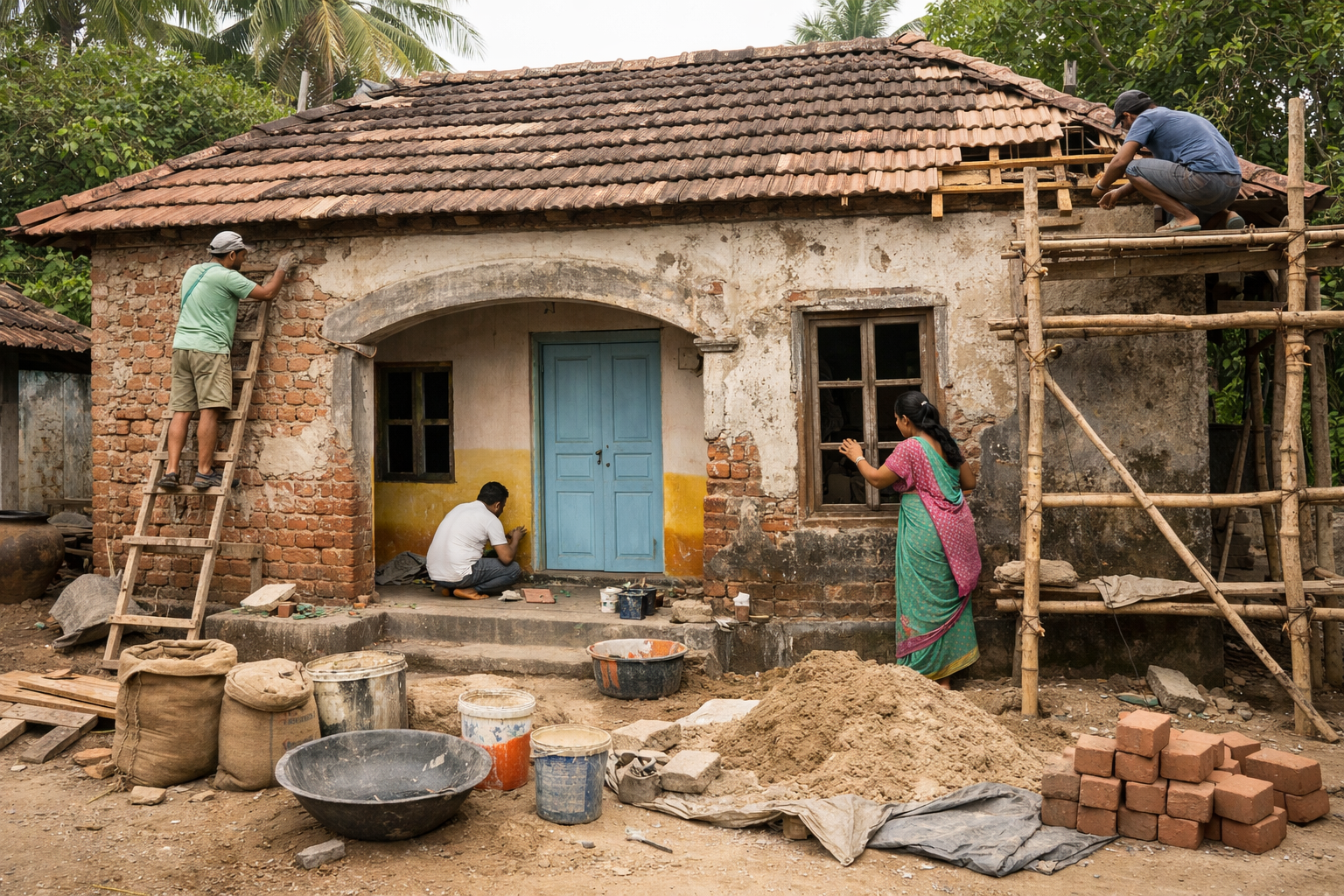
Renovating an old house in India can be both exciting and overwhelming, especially when managing costs in today's economy. Whether you're dealing with a decades-old bungalow in Mumbai, a heritage property in Delhi, or a colonial-era home in Bangalore, understanding how to renovate smartly can save you anywhere from 15-30% on your total project budget.
The Indian real estate market shows that homeowners spend an average of ₹2,000 to ₹5,000 per square foot on renovation, depending on the scope and location. However, with proper planning and strategic decisions, you can achieve quality results while keeping costs under control.
Build cost · Bengaluru, May 2026
Assess Your Property Before Starting
Conduct a Structural Audit
Before spending a single rupee, get a professional structural assessment done. This is non-negotiable for old houses. Structural issues that go undetected can multiply costs exponentially. A structural engineer's inspection typically costs ₹5,000 to ₹15,000 but can save you from costly surprises later.
Key areas to inspect include:
Foundation cracks and settlement issues
Load-bearing walls and their integrity
Roof condition and water seepage
Plumbing and electrical systems
Pest infestations (termites are common in old Indian homes)
Moisture and dampness patterns
Identify Priority vs. Cosmetic Work
Separate essential repairs from aesthetic upgrades. Priority work includes structural repairs, waterproofing, electrical safety, and plumbing. Cosmetic work like painting, flooring, and fixtures can be phased over time if budget is tight.
Many homeowners in Pune and Hyderabad have successfully completed renovations in phases—addressing critical issues first and tackling aesthetic improvements when funds allow. This approach spreads costs across 12-24 months rather than demanding everything upfront.
Frequently asked
Budget Planning and Cost Estimation
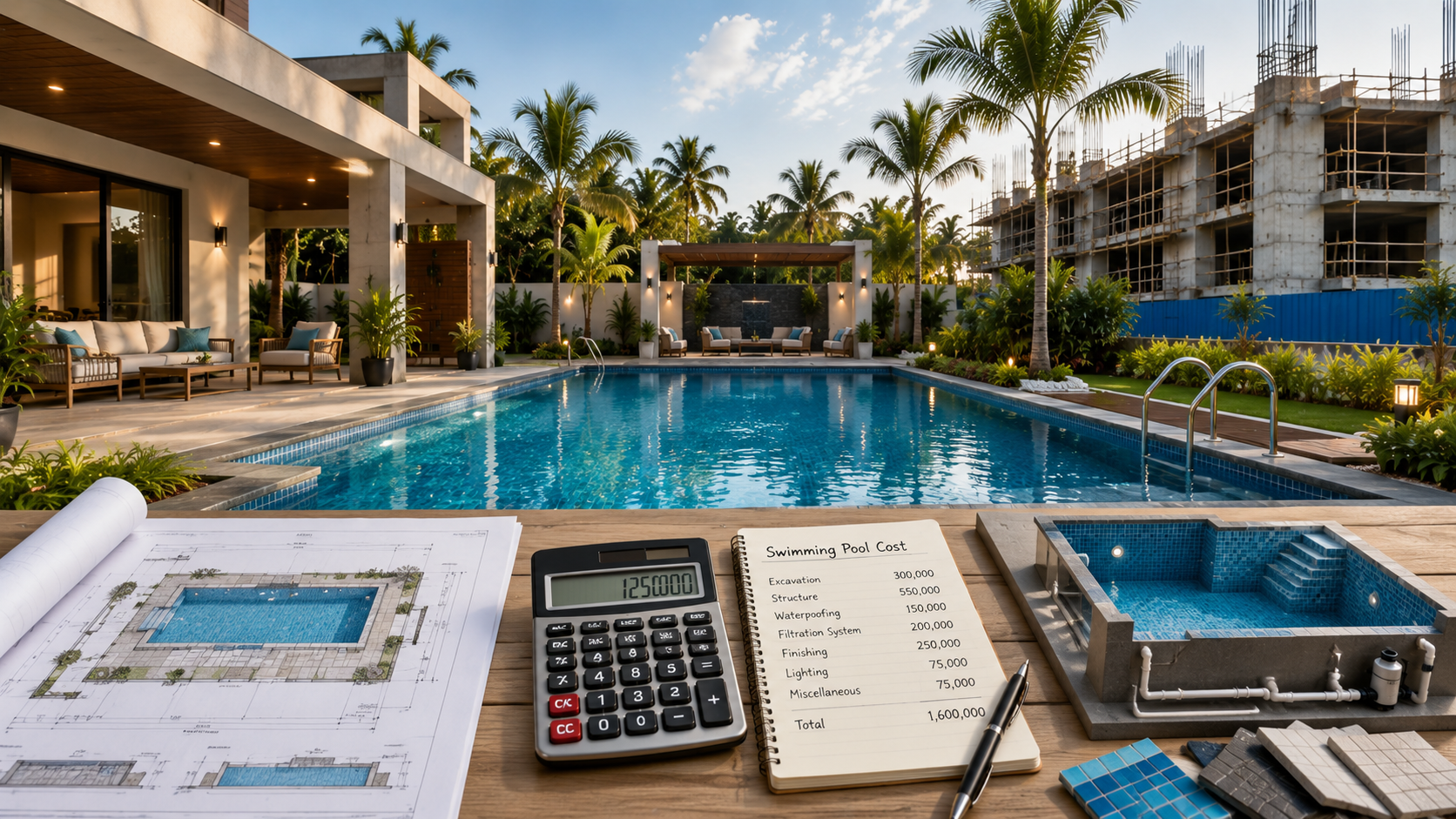
Create a Detailed Breakdown
Here's a realistic cost breakdown for a 1,500 sq ft old house renovation in major Indian cities (as of 2024):
Structural Repairs (20-25%): ₹6,00,000 to ₹9,00,000
Waterproofing & Dampness Treatment (10-12%): ₹3,00,000 to ₹4,50,000
Electrical & Plumbing (15-18%): ₹4,50,000 to ₹6,75,000
Flooring (12-15%): ₹3,60,000 to ₹5,62,500
Painting & Surface Finishes (8-10%): ₹2,40,000 to ₹3,75,000
Doors, Windows & Fittings (10-12%): ₹3,00,000 to ₹4,50,000
Contingency (10-15%): ₹3,00,000 to ₹5,62,500
These figures can vary significantly based on location. Renovation costs in Delhi and Mumbai are 20-30% higher than in Tier-2 cities like Indore or Nagpur.
Set a Realistic Contingency Fund
Always allocate 10-15% of your total budget as a contingency. Old houses frequently reveal hidden issues during renovation—a wall cavity might harbor termites, or plumbing might need complete replacement. Having a buffer prevents project stalling.

Smart Material Selection and Sourcing
Choose Materials Wisely
You don't need premium materials everywhere. Prioritize quality in high-traffic areas and areas prone to wear. For instance:
Kitchen & Bathroom Tiles: Invest in good quality here (₹100-300 per sq ft). These areas face constant moisture exposure.
Main Living Area Flooring: Vitrified tiles (₹60-150 per sq ft) offer excellent value compared to marble (₹200-500 per sq ft).
Bedroom Flooring: Laminate or wooden look tiles (₹40-100 per sq ft) work well and are budget-friendly.
Paint: Choose mid-range brands like Asian Paints or Berger (₹800-1,200 per liter) over premium or ultra-budget options.
Source Materials Locally
Sourcing materials locally can reduce costs by 15-20%. In Bangalore, buying materials from local suppliers in Jayanagar or Indiranagar is cheaper than importing. Similarly, Chennai's T. Nagar and Mumbai's Dadar areas have competitive material suppliers.
However, for specialized items like waterproofing membranes or structural materials, national brands often provide better value and warranty protection.
Buy in Bulk and Negotiate
Get quotes from at least 3-4 suppliers. Many will offer 10-15% discounts on bulk orders. Building material suppliers in industrial areas (like Chikhalwadi in Mumbai or Bhagirath Palace in Delhi) offer better prices than retail showrooms.
Waterproofing: A Critical Investment
Why It's Non-Negotiable
Water damage is the primary reason old houses deteriorate. Waterproofing should never be compromised. Indian cities experience varying monsoon intensities—from heavy rains in Mumbai and Bangalore to moderate rainfall in Delhi.
Proper waterproofing costs ₹30-50 per sq ft for terraces and ₹15-25 per sq ft for walls but saves you ₹2,00,000+ in long-term structural repairs.
Waterproofing Strategy
Terrace: Use liquid-applied membranes (₹40-60 per sq ft) rather than traditional cement coatings
Bathrooms: Apply waterproofing before tiling (₹20-30 per sq ft)
External Walls: Use silicone-based waterproof coatings (₹25-40 per sq ft)
Basement/Ground Floor: Critical in areas prone to flooding; invest in proper drainage and tanking systems
Electrical and Plumbing Updates
Complete Rewiring is Usually Necessary
Old electrical systems in houses built before 2000 are often inadequate for modern loads. Complete rewiring typically costs ₹8-15 per sq ft. While expensive, it's a safety essential. Outdated wiring causes 40% of house fires in India.
During rewiring:
Install modular switches and outlets (₹150-400 each)
Use 2-3mm copper wiring (non-negotiable)
Install proper earthing and surge protection
Plan for future loads (AC, heaters, kitchen appliances)
Plumbing Upgrades
Old galvanized pipes corrode and contaminate water. Replacement with PVC or CPVC pipes costs ₹20-30 per running meter. While this seems expensive, consider:
Improved water quality
Reduced maintenance costs
Better pressure and flow
Longevity (25-30 years vs. 10-15 years for old pipes)
Flooring Options for Old Houses
Best Value Options
For old houses, consider:
Vitrified Tiles: ₹60-150 per sq ft. Durable, easy to maintain, and ideal for Indian climate. Best for kitchens and bathrooms.
Ceramic Tiles: ₹40-100 per sq ft. Good for bathrooms and kitchens, though less durable than vitrified.
Wooden Look Tiles: ₹50-120 per sq ft. Gives wooden flooring aesthetic at a fraction of the cost.
Laminate Flooring: ₹40-80 per sq ft. Affordable but not suitable for moisture-prone areas.
Natural Stone: ₹150-400 per sq ft. Beautiful but requires sealing and maintenance.
Avoid expensive options like real marble (₹200-500 per sq ft) or premium wooden flooring (₹300-600 per sq ft) for old houses undergoing renovation—structural settling might cause cracks.
Hiring Contractors and Managing Labor Costs
Find the Right Contractor
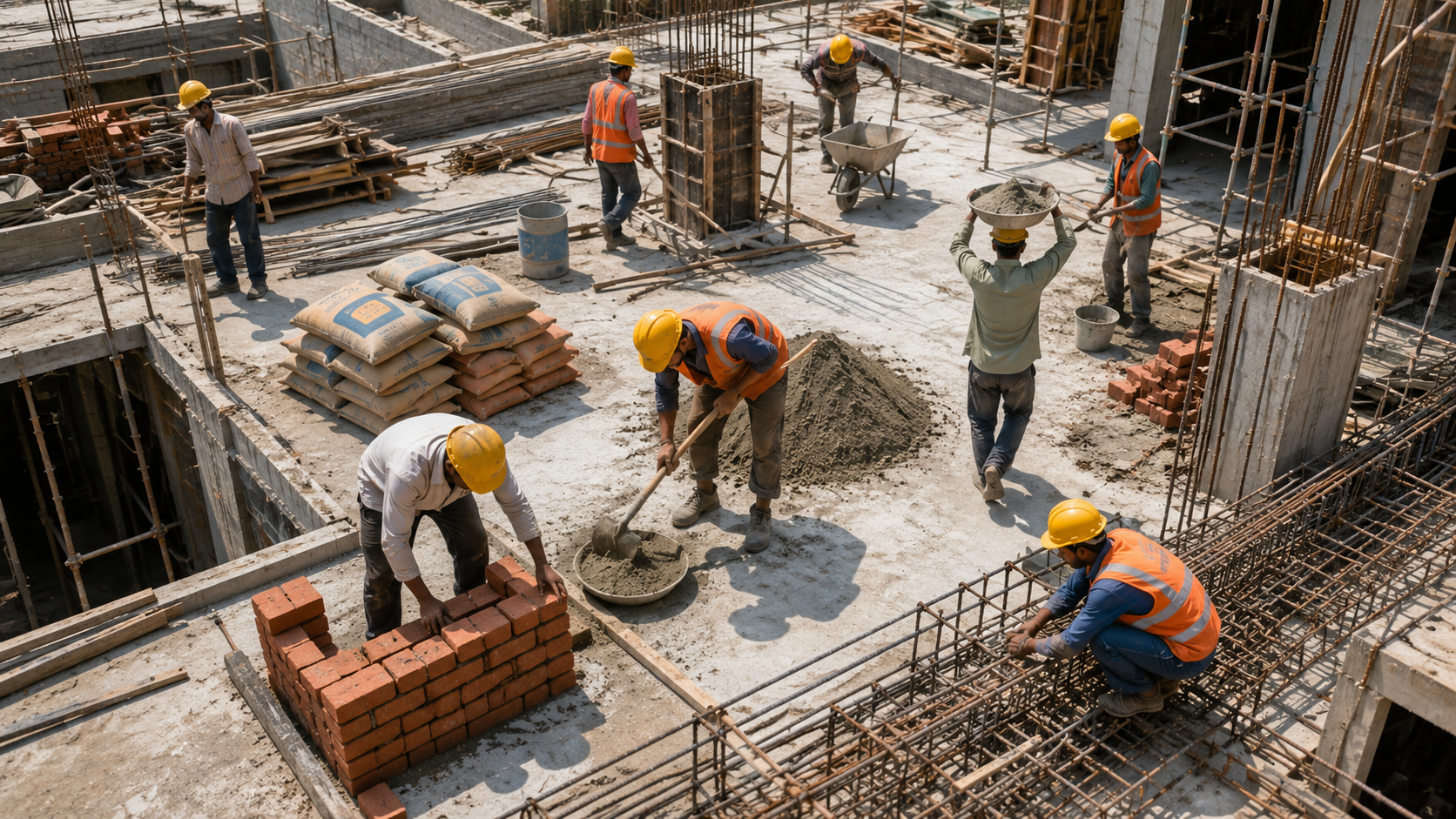
Labor costs typically account for 30-40% of renovation budgets. Hiring a good contractor is crucial. Look for:
Verified experience with old house renovations
References from recent projects in your city
Proper licensing and insurance
Detailed written quotes (not verbal estimates)
In cities like Pune and Bangalore, platforms like AECORD connect you with verified contractors who specialize in renovation projects. This reduces the risk of hiring unreliable workers.
Negotiate Rates
Contractor rates vary by city and specialization:
Delhi/Mumbai: ₹400-600 per sq ft (all-inclusive)
Bangalore/Hyderabad: ₹350-500 per sq ft
Pune/Ahmedabad: ₹300-450 per sq ft
Tier-2 Cities: ₹250-400 per sq ft
Get 3-4 quotes and negotiate. A 10-15% reduction is often possible if you're flexible on timelines or can provide materials yourself.
Phased Renovation Approach
Spread Costs Over Time
If your budget is limited, phase the renovation:
Phase 1 (Months 1-3): Structural repairs, waterproofing, electrical rewiring, plumbing (₹20-30 lakhs). These are non-negotiable and form the foundation.
Phase 2 (Months 4-6): Flooring, painting, basic fixtures (₹10-15 lakhs). The house becomes livable after this phase.
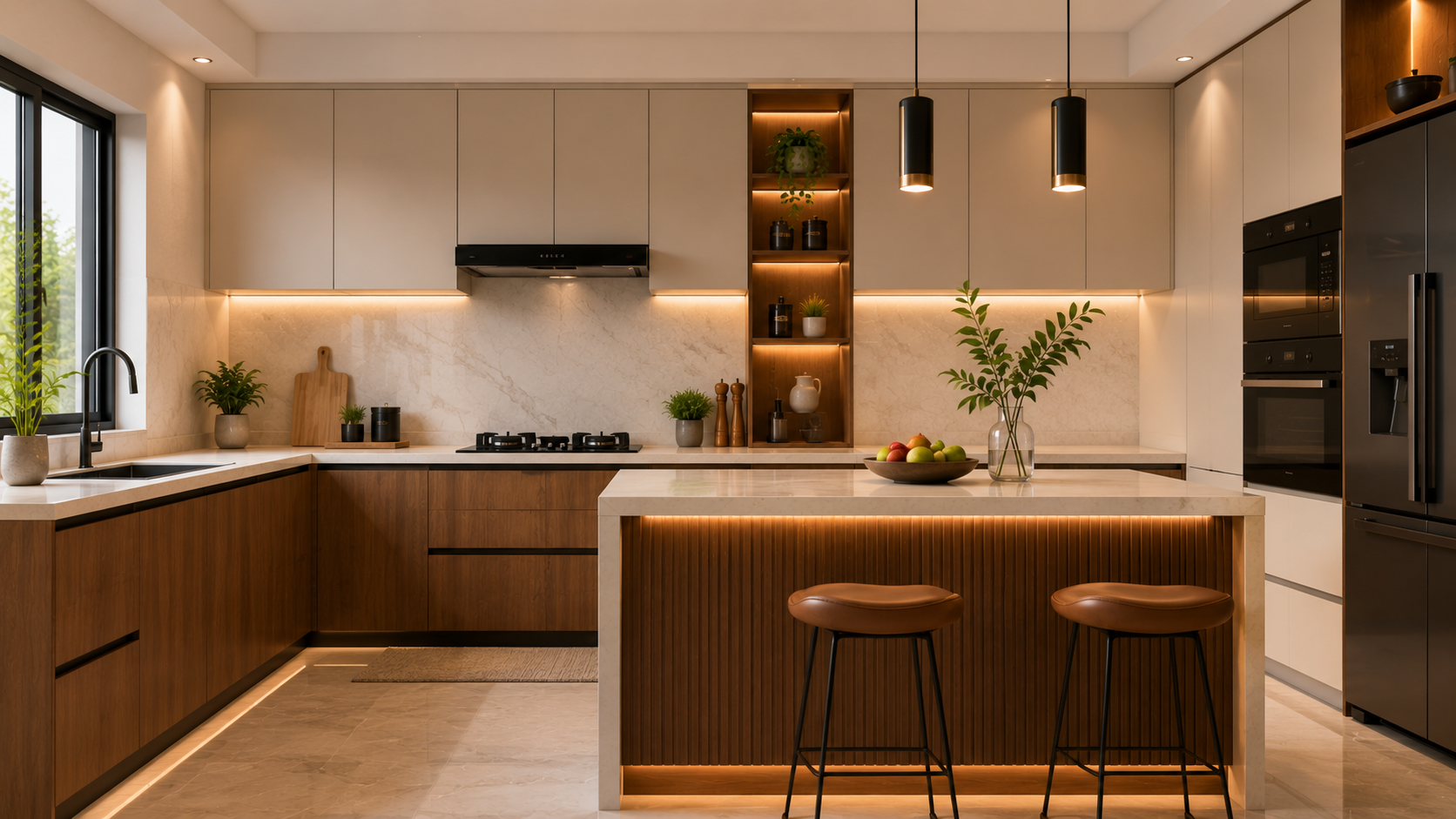
Phase 3 (Months 7-12): Aesthetic upgrades, modular kitchen, premium fixtures (₹10-20 lakhs). Do this when funds are available.
This approach allows you to live in the house while completing work and prevents budget overruns from derailing the entire project.
Regulatory and Compliance Considerations
Obtain Necessary Approvals
Before starting, check with your local municipal corporation:
Does the renovation require structural approval?
Are there heritage building restrictions? (Important in cities like Delhi, Jaipur, Lucknow)
What's the process for electrical and plumbing inspections?
Are there any property tax implications?
Non-compliance can result in fines of ₹50,000 to ₹5,00,000 depending on the violation and city.
Insurance and Safety
Ensure your contractor has:
Worker's compensation insurance
General liability insurance
A safety plan for the renovation site
Common Mistakes to Avoid
Skipping structural assessment: This leads to catastrophic costs later.
Underestimating timelines: Old houses always take 20-30% longer than expected.
Compromising on waterproofing: Saves money now, costs thousands later.
Hiring unverified contractors: Poor workmanship requires expensive rework.
Ignoring ventilation: Old houses need improved ventilation for modern living.
Over-specifying materials: Premium materials don't always provide proportional value.
Technology and Project Management
Use Digital Tools
Manage your renovation efficiently using:
Project Management Apps: Track timelines and budgets
Material Sourcing Platforms: Compare prices and suppliers
Digital Contracts: Maintain clear documentation with contractors
Progress Tracking: Regular photo documentation prevents disputes
Platforms like AECORD allow you to access vetted contractors, material suppliers, and project management tools from one place, streamlining the entire renovation process.
Final Thoughts
Renovating an old house in India requires patience, planning, and pragmatism. The key is prioritizing essential work, making smart material choices, and hiring reliable professionals. A well-executed renovation not only improves your living quality but also increases property value by 25-40%.
Start with a detailed assessment, create a realistic budget with contingency, and don't rush the process. Your future self will thank you for investing time in planning rather than money in corrections.
Frequently Asked Questions
How much does it cost to renovate an old house in India?
In India, old house renovation typically costs ₹2,000 to ₹5,000 per square foot depending on location and scope. For a 1,500 sq ft property, expect ₹30-75 lakhs total, with costs 20-30% higher in metros like Delhi and Mumbai compared to Tier-2 cities.
What should I check before starting an old house renovation?
Conduct a professional structural audit (₹5,000-15,000) to inspect foundation cracks, load-bearing walls, roof condition, plumbing, electrical systems, and pest infestations. This assessment prevents costly surprises and helps prioritize essential repairs over cosmetic work.
How much contingency budget should I set aside for old house renovation?
Allocate 10-15% of your total renovation budget as contingency. Old houses frequently reveal hidden issues like termites, faulty plumbing, or structural damage during renovation, and this buffer prevents project delays.
Can I renovate an old house in phases to save money?
Yes, many homeowners successfully phase renovations over 12-24 months by addressing critical structural, electrical, and plumbing work first, then tackling cosmetic improvements like painting and flooring when funds allow.
Which areas of an old house renovation need premium materials?
Prioritize quality materials in high-moisture areas like kitchens and bathrooms (₹100-300 per sq ft for tiles) and high-traffic zones. For bedrooms and living areas, vitrified tiles (₹60-150 per sq ft) offer better value than marble without compromising durability.