



Understanding Natural Wood Polymer Modified Architectural Shingles
Architectural shingles have revolutionized the roofing industry by combining aesthetic appeal with enhanced durability and performance. Among the most innovative options available today are natural wood polymer modified architectural shingles, which represent a sophisticated evolution in roofing materials. These shingles blend the timeless beauty of natural wood with cutting-edge polymer technology, creating a solution that addresses the limitations of traditional roofing materials while meeting the demanding requirements of modern Indian construction projects.
For architects, builders, and property owners across India, understanding the properties and benefits of these shingles is essential for making informed decisions about long-term roofing investments. Whether you're working on residential projects in Bangalore, commercial developments in Mumbai, or heritage restorations in Delhi, natural wood polymer modified architectural shingles offer a compelling alternative to conventional options.
Build cost · Bengaluru, May 2026
What Are Natural Wood-Polymer-Modified Architectural Shingles?
Composition and Manufacturing Process
Natural wood polymer modified architectural shingles are engineered roofing materials that combine genuine wood fibers or particles with advanced polymer resins. The manufacturing process involves carefully selected wood materials—often sourced from sustainable forestry—that are processed and mixed with high-performance polymer compounds. This combination creates a composite material that retains the visual warmth and character of authentic wood while gaining the resilience of modern polymers.
The polymer modification serves several critical functions. It acts as a protective barrier against moisture penetration, prevents wood degradation, and enhances the overall structural integrity of the shingle. The result is a material that looks remarkably similar to premium wood shakes or cedar shingles but performs significantly better in challenging weather conditions.
Key Characteristics
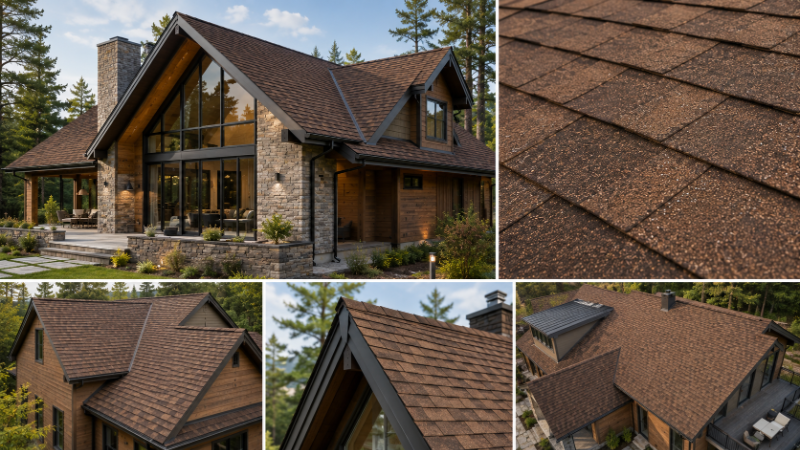
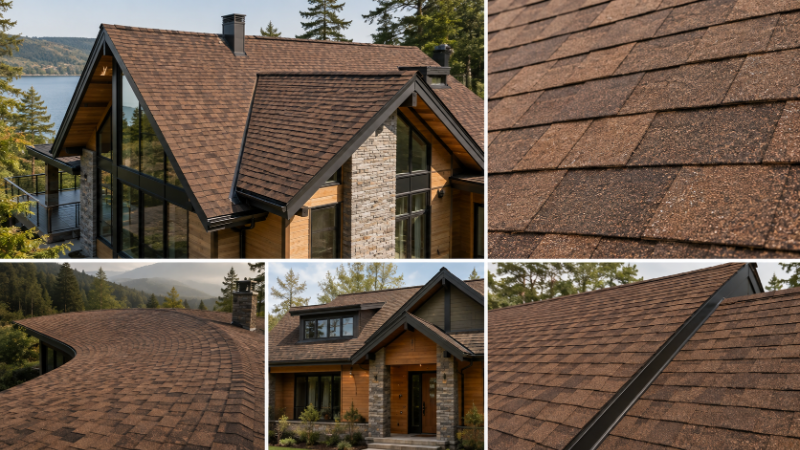
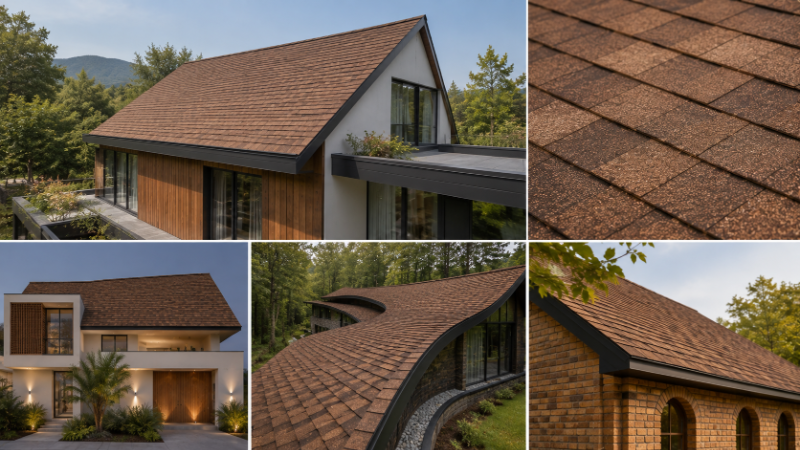
Aesthetic Appeal: These shingles capture the authentic grain patterns, color variations, and three-dimensional texture of natural wood. They're available in multiple finishes ranging from traditional rustic appearances to contemporary sophisticated looks, making them suitable for diverse architectural styles across Indian residential and commercial projects.
Durability: The polymer modification dramatically extends the lifespan of wood-based shingles. While traditional wood shingles may require replacement every 20-25 years, polymer-modified versions can last 40-50 years or longer with proper maintenance, significantly reducing lifecycle costs.
Weather Resistance: These shingles demonstrate exceptional resistance to the environmental challenges prevalent in India's diverse climate zones—from intense UV radiation and heavy monsoon rains to temperature fluctuations and humidity variations.
Frequently asked
Why Indian Builders and Architects Are Choosing These Shingles
Climate Performance in Indian Conditions
India's varied climate presents unique challenges for roofing materials. The intense monsoon rains, particularly in coastal regions and the Western Ghats, demand materials with superior water resistance. Natural wood polymer modified shingles excel in these conditions because the polymer coating prevents water absorption that would typically cause traditional wood to swell, warp, or develop fungal growth.
In cities like Bangalore, Chennai, and Cochin, where humidity levels remain high year-round, these shingles maintain their structural integrity and appearance far better than untreated wood alternatives. The polymer matrix also provides excellent UV protection, preventing the color fading and degradation that occurs when traditional wood shingles are exposed to India's intense sun.
Cost-Effectiveness Over Time
While the initial investment in natural wood polymer modified architectural shingles is higher than some conventional options—typically ranging from ₹400 to ₹800 per square foot depending on quality and specifications—the long-term value proposition is compelling. The extended lifespan means fewer replacement cycles, lower maintenance costs, and reduced labor expenses over the building's lifetime.
When evaluating roofing projects across Indian metros and tier-2 cities, contractors and developers increasingly recognize that the total cost of ownership favors these premium shingles. A roof installed in 2005 using polymer-modified shingles may still be performing optimally in 2045, whereas traditional materials might have required replacement by 2025-2030.
Aesthetic Versatility
Indian architecture encompasses an extraordinary range of styles—from colonial heritage buildings in cities like Kolkata and Jaipur to modern minimalist residences in Pune and Hyderabad. Natural wood polymer modified shingles adapt seamlessly to this diversity. They're equally at home on a contemporary villa in Gurgaon or a traditionally-styled haveli restoration project.
The shingles are available in color palettes that complement both warm and cool architectural tones. Manufacturers offer options ranging from deep charcoal and rich brown tones to lighter weathered gray finishes, allowing architects to specify materials that enhance their design vision.
Technical Advantages and Performance Metrics
Water Resistance and Moisture Management
The polymer modification creates a hydrophobic surface that actively resists water penetration. This is particularly valuable in India's monsoon regions, where traditional materials struggle with moisture-related deterioration. The shingles' engineering ensures that water runs off quickly rather than pooling or being absorbed.
Laboratory testing demonstrates that these shingles maintain their water resistance properties even after decades of exposure. The polymer coating doesn't degrade or wear away like paint-based treatments on traditional wood shingles.
Impact and Hail Resistance
Indian regions occasionally experience severe weather events, including hailstorms. Natural wood polymer modified shingles demonstrate superior impact resistance compared to traditional materials. The polymer component provides flexibility and cushioning that prevents the cracking and splitting common in standard wood shingles when exposed to hail or falling debris.
Fire Performance
Building codes across Indian states increasingly require roofing materials to meet specific fire safety standards. Many natural wood polymer modified shingles achieve Class A fire ratings, the highest safety classification. This is achieved through the use of fire-retardant treatments integrated into the polymer matrix, providing protection without compromising the material's aesthetic qualities.
Thermal Properties
In India's hot climate, roofing materials that minimize heat absorption are valuable for reducing cooling costs. The color options available in polymer-modified shingles can be selected to reflect rather than absorb solar radiation, contributing to improved energy efficiency in residential and commercial buildings.
Installation and Maintenance Considerations
Installation Requirements
Installing natural wood polymer modified architectural shingles requires skilled professionals familiar with the material's specific properties. While the installation process shares similarities with conventional asphalt or wood shingles, there are important distinctions. The shingles must be fastened according to manufacturer specifications, typically using corrosion-resistant fasteners suitable for India's humid climate.
Proper ventilation beneath the shingles remains critical. The roof structure should be designed to allow air circulation, preventing moisture accumulation that could compromise performance. This is particularly important in tropical regions where humidity levels are consistently high.
When selecting contractors for installation, ensure they have experience with polymer-modified materials. Improper installation can void warranties and compromise the shingles' performance benefits. On platforms like AECORD, you can connect with roofing specialists across India who have certified expertise with these advanced materials.
Maintenance and Care
One of the significant advantages of natural wood polymer modified shingles is their low maintenance requirements compared to traditional wood alternatives. Unlike untreated wood shingles, these don't require regular staining, sealing, or protective treatments.
Routine maintenance involves:
Annual inspections to check for any debris accumulation or damage
Gentle cleaning using low-pressure washing (avoiding high-pressure methods that could damage the shingles)
Prompt removal of moss or algae growth, particularly in humid regions
Inspection and maintenance of flashing and gutters to ensure proper water drainage
Occasional touch-up of fasteners if needed
The polymer coating eliminates the need for the periodic re-staining that traditional wood shingles require every 5-7 years, representing substantial cost and labor savings over the material's lifespan.
Comparing Natural Wood Polymer Shingles to Alternatives
Versus Traditional Wood Shingles
Traditional cedar or teak wood shingles offer undeniable aesthetic appeal but require regular maintenance, are vulnerable to rot and insect damage, and have shorter lifespans. In India's climate, untreated wood shingles can deteriorate rapidly. The polymer-modified versions provide the look without these liabilities.
Versus Asphalt Shingles
Standard asphalt shingles are more affordable initially but lack the distinctive aesthetic character of wood. They also tend to show age more obviously, with color fading and granule loss becoming apparent after 10-15 years. Polymer-modified wood shingles age more gracefully, developing a weathered patina that many find more attractive.
Versus Concrete and Clay Tiles
While concrete and clay tiles are durable and popular in many Indian regions, they're significantly heavier, requiring stronger structural support. They're also more expensive and can be challenging to replace individual units if damage occurs. Polymer-modified shingles are lighter, easier to install, and simpler to repair.
Versus Metal Roofing
Metal roofing offers excellent durability but has a distinctly different aesthetic. In regions where architectural character and traditional appearance are valued—such as heritage districts in Jaipur, Udaipur, or Lucknow—polymer-modified wood shingles provide superior aesthetic alignment with existing structures.
Specifications and Selection Criteria
Key Specifications to Evaluate
When specifying natural wood polymer modified architectural shingles for projects, consider:
Polymer Content: Higher polymer content typically indicates better durability and weather resistance
Thickness: Thicker shingles provide better impact resistance and longevity
Color Fastness: Verify UV fade resistance ratings, particularly important in India's intense sunlight
Warranty Coverage: Reputable manufacturers offer 25-50 year warranties; understand what's covered
Installation Requirements: Confirm compatibility with local roofing practices and available skilled labor
Fire Rating: Ensure compliance with relevant Indian building codes and state regulations
Regional Considerations
Different Indian regions have specific requirements. Coastal areas require materials with enhanced salt-spray resistance. High-altitude regions in Himachal Pradesh or Uttarakhand need materials that withstand temperature extremes and snow loads. Tropical regions require superior fungal and algae resistance. When selecting shingles, ensure they're specified for your region's specific environmental challenges.
Regulatory Compliance and Standards
In India, roofing materials must comply with relevant building codes and standards. The National Building Code of India specifies requirements for roofing materials, including fire safety, water resistance, and structural performance. Natural wood polymer modified shingles from reputable manufacturers typically meet or exceed these requirements.
It's essential to verify that products have appropriate certifications and that installation follows code requirements. Working with experienced professionals through platforms like AECORD ensures compliance with local regulations and building standards across different states and municipalities.
Cost Analysis and Budget Planning

Material Costs
In the Indian market, natural wood polymer modified architectural shingles typically cost between ₹400-₹800 per square foot, depending on quality, brand, and specifications. Premium options from international manufacturers may exceed ₹1000 per square foot, while locally-manufactured alternatives may be available at lower price points.
Installation Costs
Installation labor in major Indian cities typically ranges from ₹100-₹300 per square foot, depending on roof complexity, local wage rates, and contractor expertise. Sloped roofs, multiple penetrations, and architectural complexity increase labor costs.
Lifecycle Cost Advantages
While the upfront investment is significant, the lifecycle cost analysis typically favors polymer-modified shingles. Over a 50-year period, the cost per year of roof service is often lower than alternatives requiring earlier replacement or more frequent maintenance.
Finding Expert Professionals for Your Project
Successful implementation of natural wood polymer modified architectural shingles depends on working with knowledgeable professionals. Whether you need architects familiar with specifying these materials, experienced roofing contractors skilled in their installation, or suppliers who can source quality products, connecting with the right professionals is crucial.
AECORD provides a comprehensive platform for finding vetted AECO professionals across India. You can identify roofing specialists, contractors, architects, and material suppliers with proven expertise in natural wood polymer modified shingles. The platform allows you to review credentials, compare proposals, and connect with professionals who understand the specific requirements of your project and region.
When evaluating professionals on AECORD, look for those with specific experience in polymer-modified roofing materials, strong track records in your region, proper certifications, and positive client reviews.
Future Trends and Innovations
The market for natural wood polymer modified shingles continues evolving. Manufacturers are developing improved formulations with enhanced sustainability profiles, better color retention, and even greater durability. Some innovations include bio-based polymers derived from renewable sources and improved manufacturing processes that reduce environmental impact.
As Indian construction becomes increasingly focused on sustainability and long-term value, these advanced materials are gaining prominence in premium residential and commercial projects.
Conclusion
Natural wood polymer modified architectural shingles represent a sophisticated solution for architects, builders, and property owners seeking to combine aesthetic excellence with superior performance. They address the limitations of traditional roofing materials while delivering exceptional value over extended timeframes—particularly important in India's challenging climate conditions.
Whether you're planning a residential project in Bangalore, a commercial development in Delhi, or a heritage restoration in Jaipur, these shingles merit serious consideration. Their aesthetic versatility, durability, low maintenance requirements, and long-term cost effectiveness make them an increasingly popular choice across India's diverse construction landscape.
To move forward with your roofing project, connect with experienced professionals who can guide material selection, ensure proper installation, and deliver results that exceed expectations. Visit AECORD today to find qualified roofing specialists, architects, and suppliers in your region who can help bring your project vision to life with natural wood polymer modified architectural shingles.
Frequently Asked Questions
What is the difference between natural wood polymer modified shingles and traditional wood shingles?
Natural wood polymer modified shingles combine genuine wood fibers with advanced polymer resins, creating a composite that looks like authentic wood but lasts 40-50 years compared to 20-25 years for traditional wood shingles. The polymer coating prevents moisture absorption, warping, fungal growth, and UV degradation that affects untreated wood.
How long do natural wood polymer modified architectural shingles last?
These shingles typically last 40-50 years or longer with proper maintenance, significantly extending the lifespan compared to traditional wood shingles. This durability makes them a cost-effective long-term roofing investment for Indian construction projects.
Are natural wood polymer modified shingles suitable for India's monsoon climate?
Yes, these shingles are specifically designed to excel in India's challenging climate conditions, including heavy monsoon rains, high humidity, and intense UV radiation. The polymer coating prevents water absorption and provides superior protection against swelling, warping, and fungal growth common in tropical regions.
What aesthetic options are available for natural wood polymer modified shingles?
These shingles are available in multiple finishes that capture authentic wood grain patterns, color variations, and three-dimensional textures, ranging from traditional rustic appearances to contemporary sophisticated looks. This variety makes them suitable for diverse architectural styles in both residential and commercial projects.
Why should architects choose polymer modified shingles over conventional roofing materials?
These shingles offer the timeless aesthetic appeal of natural wood combined with enhanced durability, weather resistance, and low maintenance requirements. For Indian architects and builders, they provide a sophisticated solution that addresses the limitations of traditional materials while meeting modern construction demands and climate challenges.