

Understanding Maha PPC Grade Cement Laminated Bags: A Complete Guide for Indian Construction Professionals
In the Indian construction industry, the choice of cement is one of the most critical decisions that architects, engineers, and contractors must make. Among the various options available, Maha PPC (Portland Pozzolana Cement) grade cement in laminated bags has become increasingly popular for its durability, cost-effectiveness, and environmental benefits. This comprehensive guide will help you understand everything you need to know about Maha PPC grade cement laminated bags, particularly the 50 kg variant, and how it can benefit your construction projects across India.
Build cost · Bengaluru, May 2026
What is Maha PPC Grade Cement?
Understanding the Basics
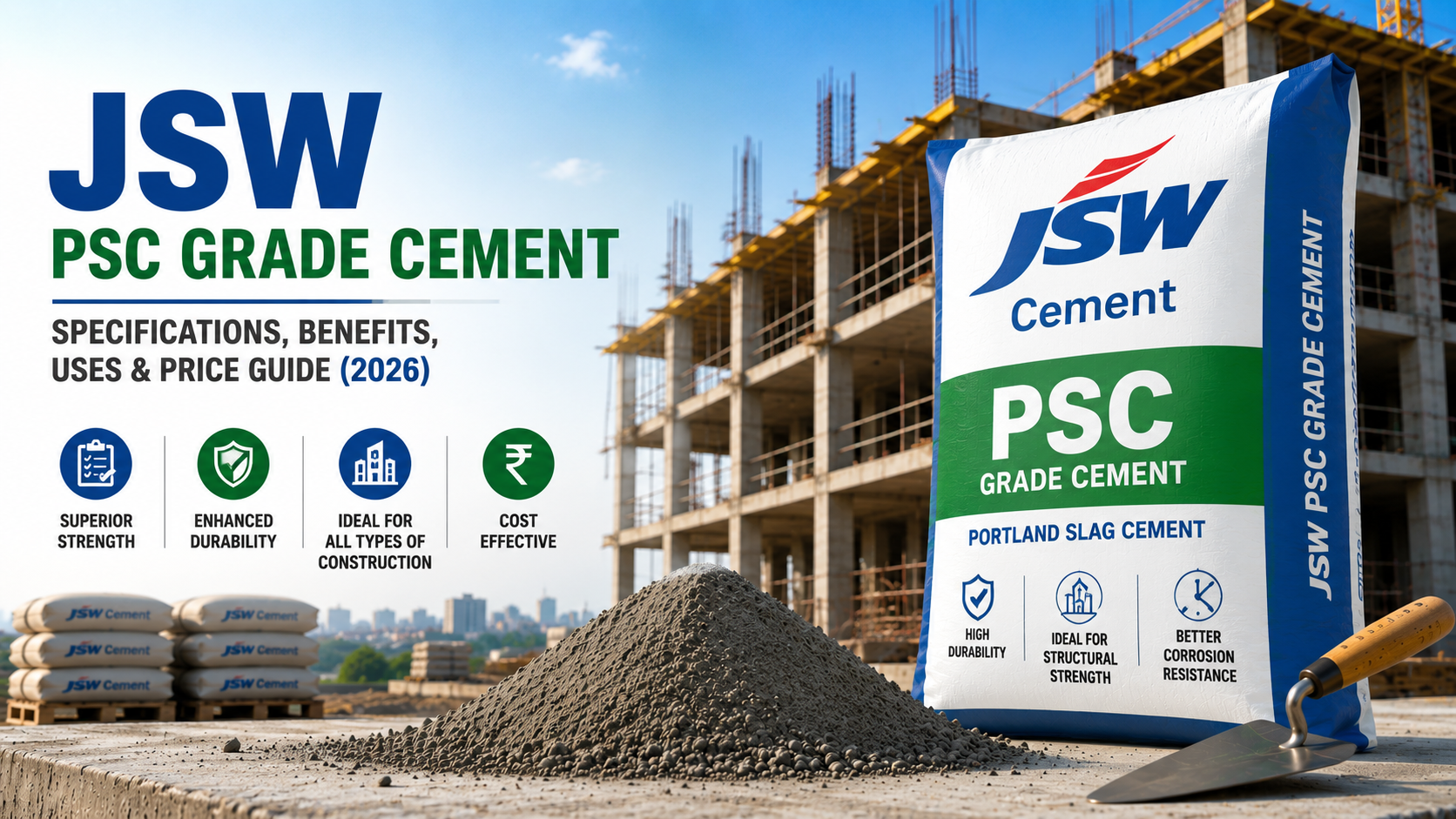
Maha PPC (Portland Pozzolana Cement) is a blended cement that combines ordinary Portland cement with pozzolanic materials such as fly ash. This combination creates a cement that offers superior performance characteristics compared to standard OPC (Ordinary Portland Cement). The PPC grade cement is manufactured in accordance with Indian Standards (IS 1489:2015), which ensures consistent quality and reliability across all batches.
The Maha brand, a well-known cement manufacturer in India, produces PPC grade cement that is specifically formulated to meet the demanding requirements of Indian construction projects. The 50 kg laminated bag variant is particularly popular among contractors, builders, and construction professionals because it offers excellent handling, storage, and application benefits.
Key Characteristics of Maha PPC Grade Cement
Maha PPC grade cement possesses several distinctive characteristics that make it suitable for a wide range of construction applications:
Lower heat of hydration: This makes it ideal for mass concrete structures and reduces the risk of thermal cracking in large pours
Enhanced durability: The pozzolanic reaction provides better long-term strength and resistance to aggressive environments
Improved workability: The finer particles result in better flow and easier placement of concrete
Reduced permeability: This leads to better protection against water ingress and corrosion of reinforcement steel
Environmental sustainability: The use of fly ash reduces carbon footprint compared to OPC cement
Frequently asked
The Laminated Bag Advantage
Why Choose Laminated Bags?
The laminated bag packaging for cement has revolutionized how construction materials are stored and transported in India. The Maha PPC grade cement laminated bag offers numerous advantages over traditional jute or paper bags:
Superior moisture protection: The laminated material creates a barrier against moisture and humidity, which is particularly important in India's varied climate conditions. In monsoon-prone areas like Mumbai, Kerala, and Goa, moisture protection is critical to maintaining cement quality.
Extended shelf life: Laminated bags can preserve cement quality for longer periods, reducing wastage and ensuring better value for money. Cement stored in laminated bags can maintain its strength and performance characteristics for up to 3-4 months, compared to 2-3 months in traditional bags.
Improved handling: The laminated bags are more durable and resistant to tearing, making them easier to handle during transportation and storage. This is particularly beneficial in large construction projects across Indian cities like Bangalore, Delhi, and Mumbai where logistics efficiency is crucial.
Cost-effectiveness: While laminated bags may have a slightly higher initial cost, the reduced wastage and better preservation of cement quality often result in overall cost savings. For a 50 kg bag, the price difference is typically ₹10-20, which is minimal compared to the benefits.
Storage and Handling Best Practices
To maximize the benefits of Maha PPC grade cement laminated bags, proper storage and handling practices are essential:
Store bags in a dry, well-ventilated area away from direct sunlight
Stack bags no more than 10-12 bags high to prevent crushing and damage
Keep bags elevated from the ground using wooden pallets to prevent moisture absorption from below
Maintain adequate spacing between stacks to ensure air circulation
Regularly inspect bags for any signs of damage or moisture infiltration
Follow the FIFO (First In, First Out) principle to ensure older stock is used first
Applications of Maha PPC Grade Cement in Indian Construction
Residential Construction
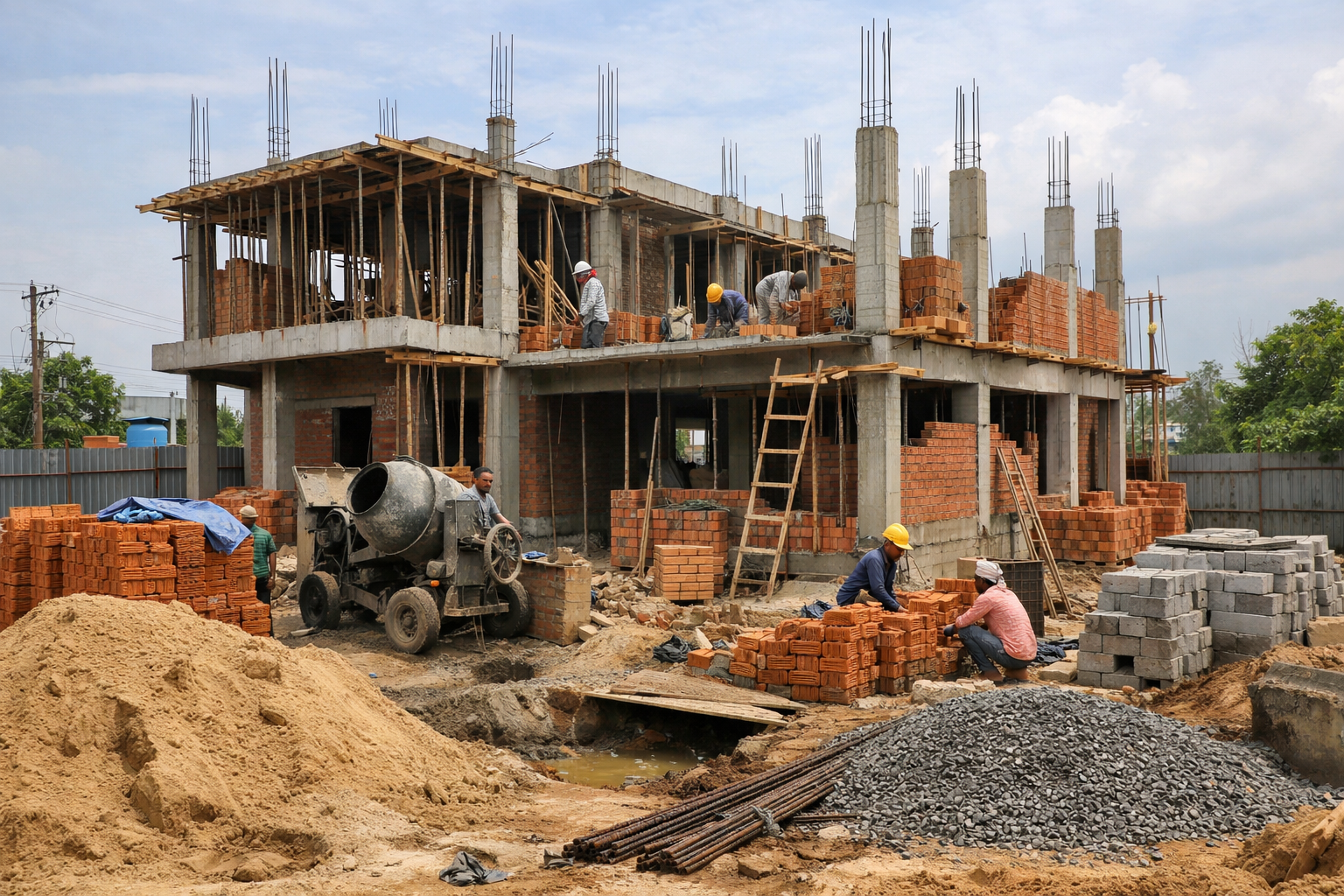
In residential projects across Indian cities like Pune, Hyderabad, and Chennai, Maha PPC grade cement is widely used for:
Foundation and basement construction
RCC framing and structural elements
Brick masonry and plastering
Flooring and finishing works
Water-resistant applications in bathrooms and kitchens
The improved durability and workability of PPC cement make it particularly suitable for residential construction, where long-term performance and minimal maintenance are important considerations.
Commercial and Infrastructure Projects
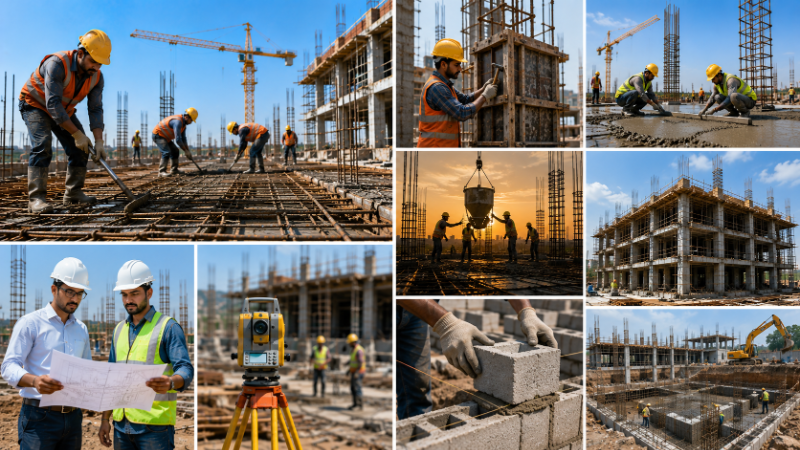
For larger commercial and infrastructure projects, Maha PPC grade cement offers significant advantages:
High-rise building construction
Bridge and flyover construction
Tunnel and underground structures
Water treatment plants and sewage systems
Industrial structures and manufacturing facilities
The lower heat of hydration is particularly valuable in these applications, as it reduces the risk of thermal cracking in massive concrete sections.
Specialized Applications
Maha PPC grade cement is also suitable for specialized construction applications:
Marine structures: Coastal projects in Mumbai, Goa, and Kochi benefit from the enhanced durability and reduced permeability
Agricultural structures: Dams, canals, and irrigation systems across rural India use PPC cement for its durability in water-exposed conditions
Repair and restoration: Historical building restoration projects often prefer PPC cement for its compatibility and long-term performance
Technical Specifications and Performance Standards
Conformance to Indian Standards
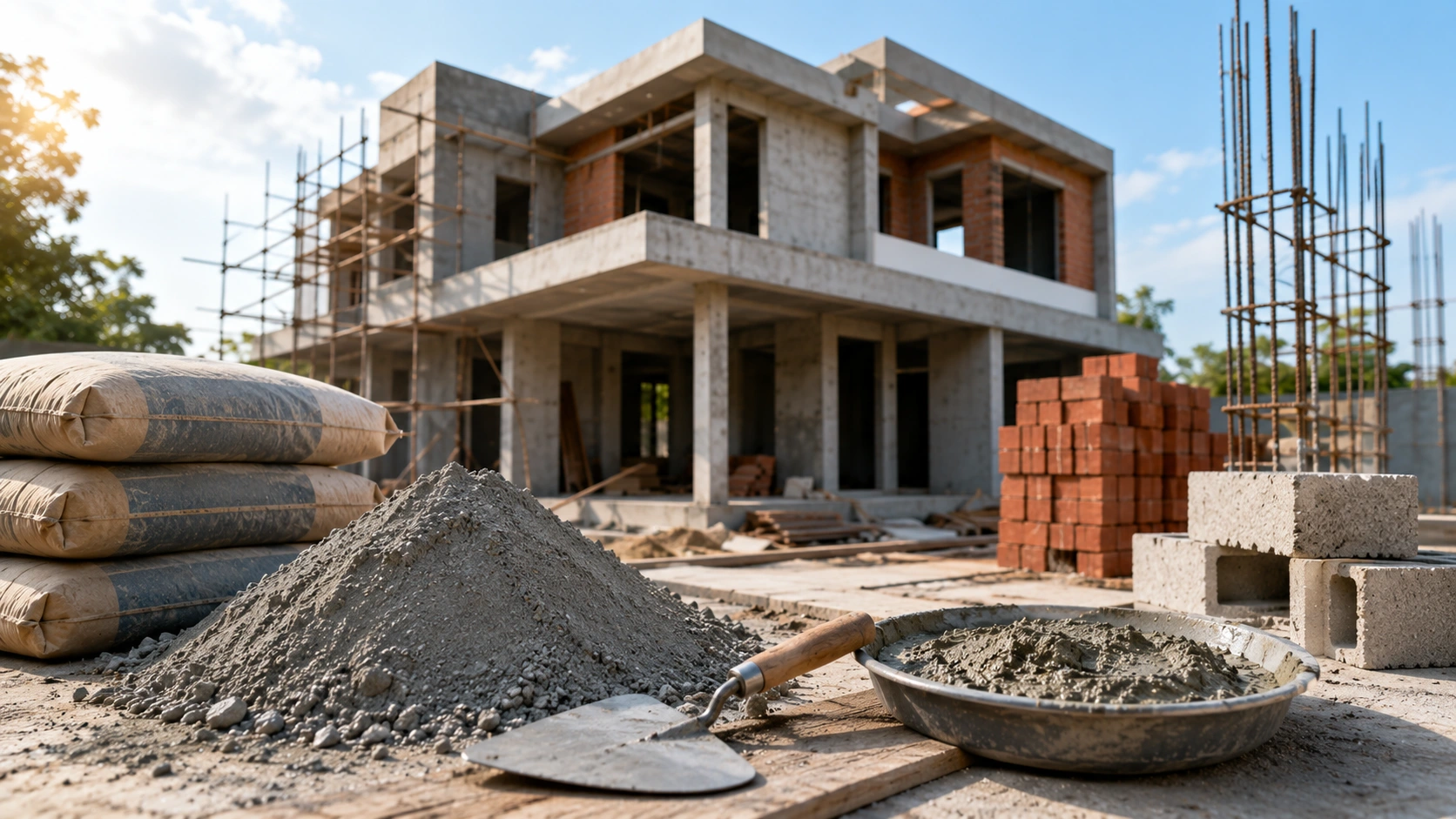
Maha PPC grade cement is manufactured in strict compliance with IS 1489:2015, which specifies the following requirements:
Compressive strength at 28 days: Minimum 33 MPa (Grade 33) or 43 MPa (Grade 43)
Initial setting time: Between 30-90 minutes
Final setting time: Not more than 600 minutes
Fineness: Specific surface area of 225-325 m²/kg
Soundness: Le Chatelier expansion not more than 10 mm
Quality Assurance
Reputable manufacturers like Maha ensure quality through:
Regular testing of raw materials and finished products
Compliance with BIS (Bureau of Indian Standards) certification
Third-party testing and verification
Traceability of each batch through unique identification systems
Adherence to environmental and safety standards
Cost Considerations and Pricing in India
Current Market Pricing
As of 2024, the pricing for Maha PPC grade cement laminated bags varies across different regions in India:
Northern India (Delhi, Haryana): ₹340-380 per 50 kg bag
Western India (Mumbai, Pune, Gujarat): ₹350-390 per 50 kg bag
Southern India (Bangalore, Chennai, Hyderabad): ₹330-370 per 50 kg bag
Eastern India (Kolkata, Odisha): ₹320-360 per 50 kg bag
These prices fluctuate based on raw material costs, transportation expenses, and market demand. It's advisable to check current prices from local suppliers or AECORD, where you can connect with verified cement suppliers and distributors across India.
Cost-Benefit Analysis
While PPC cement may cost slightly more than OPC cement (typically ₹5-15 per bag more), the long-term benefits often justify the investment:
Reduced maintenance costs due to enhanced durability
Lower replacement and repair expenses over the structure's lifetime
Better performance in challenging environmental conditions
Reduced wastage through better preservation in laminated bags
Environmental and Sustainability Aspects
Reduced Carbon Footprint
Maha PPC grade cement contributes to environmental sustainability in several ways:
The incorporation of fly ash reduces the amount of clinker required, which directly decreases CO₂ emissions from the cement manufacturing process. Studies indicate that PPC cement can reduce carbon emissions by approximately 15-20% compared to OPC cement. This is particularly important for large-scale construction projects in India that are increasingly adopting green building practices.
Waste Utilization
The pozzolanic materials used in PPC cement, primarily fly ash from thermal power plants, represent effective utilization of industrial waste. This helps reduce the environmental burden of waste disposal while creating a valuable construction material. India's abundant fly ash from coal-fired power plants makes PPC cement an environmentally responsible choice.
Selecting the Right Cement for Your Project
Factors to Consider
When deciding whether Maha PPC grade cement laminated bags are suitable for your project, consider the following factors:
Climate conditions: PPC cement performs exceptionally well in hot and humid climates common across India
Water exposure: Projects involving water contact benefit significantly from PPC's reduced permeability
Project timeline: PPC's lower heat of hydration is beneficial for large pours but may require longer curing times for early strength applications
Budget constraints: While slightly more expensive, PPC offers better long-term value
Structural requirements: Consult with your structural engineer to determine the appropriate cement grade
Quality Verification
Before purchasing, verify that the cement meets the following criteria:
BIS certification mark clearly visible on the bag
Manufacturing date within the last 3 months
Proper sealing of the laminated bag without any tears or damage
Clear labeling with batch number and strength grade
Purchase from authorized distributors or verified suppliers on AECORD
Working with Professional Suppliers and Contractors
For construction projects across India, sourcing quality materials from reliable suppliers is crucial. AECORD provides a comprehensive platform where architects, engineers, and contractors can connect with verified cement suppliers, distributors, and construction professionals. Whether you're managing a residential project in Pune, a commercial complex in Bangalore, or an infrastructure project in Delhi, you can find trusted suppliers of Maha PPC grade cement and other construction materials through AECORD's B2B2C marketplace.
When sourcing Maha PPC grade cement laminated bags, ensure that your supplier provides:
Transparent pricing and bulk discounts
Reliable delivery schedules
Quality certifications and test reports
Responsive customer support
Proper documentation for GST and accounting purposes

Common Misconceptions About PPC Cement
Myth 1: PPC Cement is Weaker than OPC
This is false. While PPC cement may develop strength slightly more slowly initially, it achieves comparable or superior long-term strength due to the pozzolanic reaction that continues over extended periods.
Myth 2: Laminated Bags are Unnecessarily Expensive
The marginal cost difference is offset by reduced wastage and better preservation, making laminated bags more economical in the long run.
Myth 3: PPC Cement Cannot be Used for All Applications
PPC cement is suitable for the vast majority of construction applications in India. Only specialized applications requiring very early strength might prefer OPC.
Conclusion
Maha PPC grade cement in laminated bags represents an excellent choice for construction professionals across India seeking durability, cost-effectiveness, and environmental responsibility. The combination of superior cement quality and protective laminated packaging ensures optimal performance in India's diverse climate conditions.
Whether you're involved in residential, commercial, or infrastructure construction, understanding the benefits and applications of Maha PPC grade cement will help you make informed decisions that enhance project quality and longevity. By sourcing materials from verified suppliers and following best practices in handling and storage, you can maximize the benefits of this premium cement product.
Ready to source quality Maha PPC grade cement for your next project? Connect with verified cement suppliers and construction professionals on AECORD, India's leading B2B2C marketplace for AECO professionals. Browse supplier profiles, compare prices, read reviews, and find the perfect materials and expertise for your construction needs today.
Frequently Asked Questions
What is the difference between Maha PPC cement and regular OPC cement?
Maha PPC (Portland Pozzolana Cement) is a blended cement that combines ordinary Portland cement with pozzolanic materials like fly ash, offering lower heat of hydration, enhanced durability, and better resistance to aggressive environments compared to standard OPC cement. PPC is manufactured according to Indian Standards (IS 1489:2015) and is more environmentally sustainable due to reduced carbon footprint.
Why should I choose laminated bags for cement storage?
Laminated bags provide superior moisture protection, extended shelf life (3-4 months vs 2-3 months in traditional bags), improved durability during handling and transportation, and better overall cost-effectiveness by reducing wastage. This is especially important in India's varied climate conditions, particularly in monsoon-prone areas.
Is Maha PPC grade cement suitable for mass concrete structures?
Yes, Maha PPC grade cement is ideal for mass concrete structures due to its lower heat of hydration, which reduces the risk of thermal cracking in large pours. The pozzolanic reaction also provides better long-term strength and improved durability for such applications.
What are the key benefits of PPC cement for construction projects?
Maha PPC cement offers lower heat of hydration, enhanced durability, improved workability, reduced permeability for better water resistance, and environmental sustainability. These characteristics make it suitable for a wide range of construction applications across Indian projects.
How long can cement be stored in laminated bags?
Cement in laminated bags can maintain its strength and performance characteristics for 3-4 months, compared to only 2-3 months in traditional jute or paper bags, thanks to superior moisture protection and barrier properties.