

Understanding Maha PPC Grade Cement HDPE Bag: A Complete Guide for Construction Professionals
In the construction industry, cement is one of the most critical materials that determine the quality and longevity of any structure. Whether you're building a residential complex in Mumbai, a commercial establishment in Bangalore, or an industrial facility in Pune, choosing the right cement grade is essential. Maha PPC Grade Cement in HDPE bags, specifically this variant, has become increasingly popular among construction professionals across India. This comprehensive guide will help you understand everything you need to know about this cement type and how it can benefit your construction projects.
Build cost · Bengaluru, May 2026
What is Maha PPC Grade Cement?
Understanding PPC (Portland Pozzolana Cement)
PPC, or Portland Pozzolana Cement, is a specialized type of cement that combines Portland cement clinker with pozzolanic materials such as fly ash. Maha PPC Grade Cement represents a high-quality variant of this cement type, manufactured to meet or exceed Indian Standards (IS 1489-1994). The inclusion of pozzolanic materials makes PPC cement more sustainable, cost-effective, and environmentally friendly compared to ordinary Portland cement (OPC).
The pozzolanic materials in Maha PPC cement react with calcium hydroxide produced during the hydration of Portland cement, creating additional binding compounds. This secondary reaction improves the long-term strength of concrete and enhances its durability, making it ideal for various construction applications across different climatic conditions in India.
The HDPE Bag Advantage
The HDPE (High-Density Polyethylene) bag packaging for Maha PPC Grade Cement offers significant advantages over traditional paper bags. HDPE bags provide superior protection against moisture ingress, which is crucial in India's diverse climate—from the humid coastal regions of Kerala and Goa to the dry plains of Rajasthan and Gujarat. These bags ensure that the cement maintains its quality throughout transportation and storage, reducing wastage and ensuring consistent performance in your construction projects.
Frequently asked
Specifications and Properties of Maha PPC Grade Cement
Chemical Composition
Maha PPC Grade Cement contains a carefully balanced composition of Portland cement clinker and pozzolanic materials. The typical composition includes:
Portland Cement Clinker: 50-65%
Fly Ash (Pozzolanic Material): 20-35%
Gypsum and Other Minor Constituents: Remaining percentage
This composition ensures that the cement develops strength gradually while providing excellent long-term durability. The presence of fly ash also reduces the heat of hydration, making it particularly suitable for large concrete pours and mass concrete applications.
Physical Properties and Strength Development
Maha PPC Grade Cement exhibits the following key physical properties:
Fineness: Typically between 320-400 m²/kg, ensuring good workability
Setting Time: Initial setting time of 60-90 minutes, final setting time of 8-10 hours
Soundness: Le Chatelier expansion less than 10 mm
Compressive Strength: 3-day strength of 16-20 MPa, 28-day strength of 33-43 MPa
This variant is specifically designed to meet the requirements for general-purpose construction work across India. The strength development pattern makes it ideal for projects where moderate early strength is acceptable, and you can benefit from lower costs compared to OPC cement.
Applications of Maha PPC Grade Cement in Indian Construction
Residential Construction
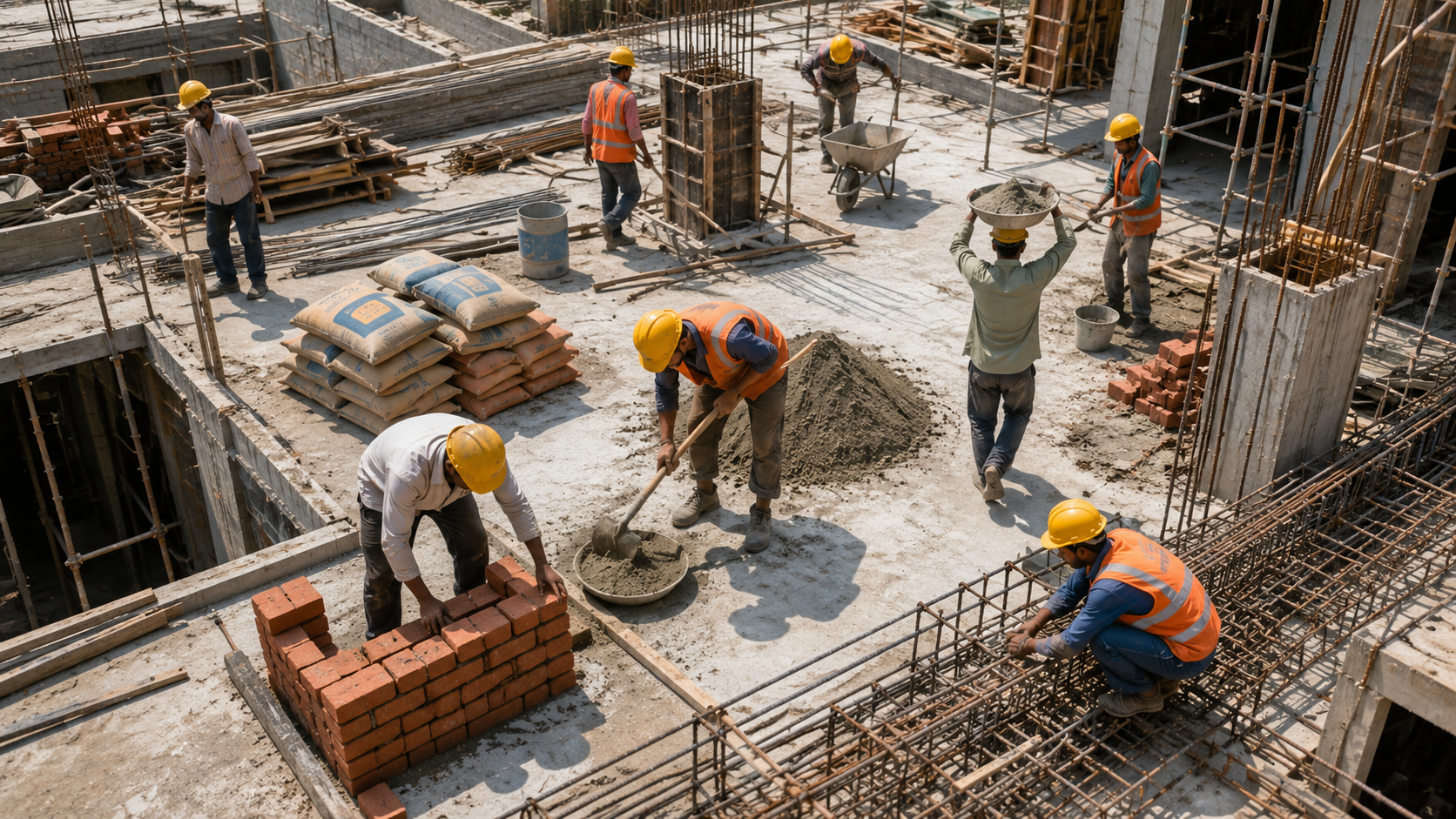
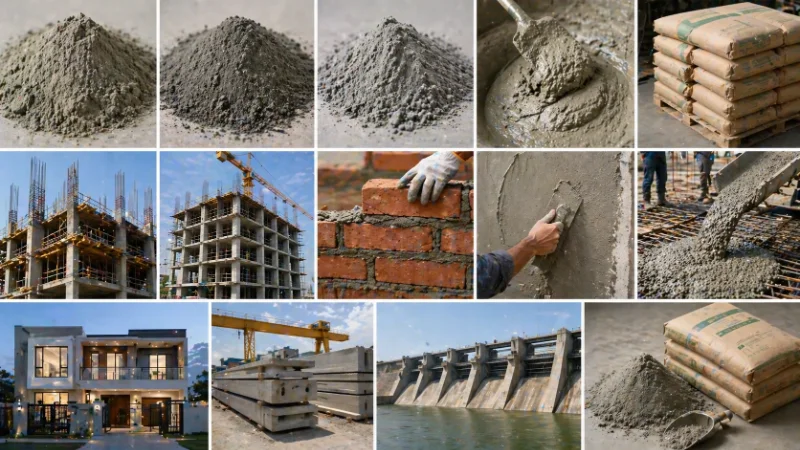
Maha PPC Grade Cement is extensively used in residential construction projects across Indian cities. Whether you're constructing a single-story home in a tier-2 city or a multi-story apartment complex in Delhi, Mumbai, or Bangalore, this cement provides excellent performance. The reduced heat of hydration makes it particularly suitable for monsoon construction in regions like Maharashtra, Karnataka, and Tamil Nadu, where moisture management is critical.
Commercial and Institutional Projects
For commercial buildings, shopping centers, and institutional structures, Maha PPC Grade Cement offers reliable performance. The long-term strength gain ensures that structures maintain their integrity over decades. Many architects and structural engineers across India prefer PPC cement for projects where durability and reduced maintenance costs are priorities.
Infrastructure and Civil Works
Infrastructure projects including roads, bridges, dams, and water supply systems benefit significantly from PPC cement. The improved durability against sulfate attack and reduced permeability make it ideal for structures exposed to harsh environmental conditions. Projects in coastal areas, industrial zones, and regions with aggressive groundwater conditions frequently specify PPC cement.
Sustainable Construction Initiatives
With India's growing focus on sustainable construction practices and green building standards, Maha PPC Grade Cement is increasingly preferred. The higher fly ash content reduces the carbon footprint compared to OPC cement, helping projects achieve better ratings under LEED, IGBC, and other green building certification systems.
Cost Considerations and Economic Benefits
Pricing in the Indian Market
As of 2024, Maha PPC Grade Cement in HDPE bags typically costs between ₹450-₹550 per bag (50 kg) depending on your location and market conditions. In major metros like Mumbai, Delhi, and Bangalore, prices tend to be on the higher end due to transportation costs. Regional variations exist, with prices being relatively lower in cities closer to cement manufacturing units like Jaipur, Indore, and Nagpur.
Comparing this to OPC cement, which costs approximately ₹550-₹650 per bag, PPC cement offers better value for most general construction applications. When you factor in reduced water requirement, lower heat generation, and improved long-term durability, the total cost of ownership becomes significantly favorable.
Calculating Project Economics
For a typical residential construction project in India requiring 300 bags of cement, choosing Maha PPC Grade Cement over OPC can save ₹30,000-₹50,000 directly on material costs. Additional savings come from:
Reduced cooling requirements during hydration (important in summer construction)
Lower water demand, reducing water consumption costs
Better durability, reducing future maintenance and repair expenses
Improved concrete quality, potentially reducing rework and wastage
Quality Standards and Compliance
Indian Standards Compliance
Maha PPC Grade Cement is manufactured in compliance with IS 1489-1994, the Indian Standard for Portland Pozzolana Cement. This standard ensures that the cement meets specific requirements for composition, fineness, strength development, and chemical properties. When procuring cement for your projects, always verify that the bags carry the ISI mark and that the manufacturer's test certificates are available.
Third-Party Testing and Verification
Before using any cement in your construction projects, it's recommended to conduct third-party testing, especially for large projects. Testing parameters should include compressive strength at 3, 7, and 28 days, setting time, soundness, and chemical analysis. Many reputable testing laboratories across Indian cities offer these services at reasonable costs (typically ₹2,000-₹5,000 per test).
Storage and Handling Best Practices
Proper Storage Conditions
The HDPE bag packaging of Maha PPC Grade Cement provides excellent protection, but proper storage remains essential. Keep bags in a dry location away from direct moisture exposure. In India's monsoon regions, store cement in covered warehouses with good ventilation. The ideal storage temperature is between 15-30°C, and humidity should be kept below 70%.
Shelf Life Considerations
While cement doesn't expire, its strength can deteriorate if exposed to moisture over extended periods. Maha PPC Grade Cement maintains its strength for approximately 3-6 months when stored properly. For projects with longer timelines, plan your cement procurement accordingly to ensure you're using fresh material.
Transportation and Handling
When transporting cement bags, ensure they're protected from rain and excessive moisture. The HDPE bags are durable, but rough handling can cause tears. Stacking should be limited to 8-10 bags high to prevent damage to bags at the bottom. This is particularly important during monsoon season in regions like Kerala, Tamil Nadu, and Maharashtra.
Technical Advantages for Construction Professionals
Workability and Ease of Use
Maha PPC Grade Cement offers excellent workability in concrete mixes. The finer particles and pozzolanic materials contribute to better cohesion and reduced segregation. This means your construction teams will find it easier to achieve consistent concrete quality across different pours, reducing the need for rework and improving overall project timelines.
Durability Benefits
The long-term durability advantages of PPC cement are particularly significant in India's diverse climatic conditions. In coastal areas prone to salt spray, PPC cement's resistance to sulfate attack prevents deterioration. In areas with aggressive groundwater, the reduced permeability of concrete made with PPC cement protects reinforcement from corrosion.
Thermal Properties
The lower heat of hydration is advantageous in several scenarios: during summer construction when controlling concrete temperature is critical, in large concrete pours where heat accumulation can cause cracking, and in projects near sensitive structures where thermal control is necessary.
Finding Quality Suppliers and Professionals on AECORD
When sourcing Maha PPC Grade Cement for your construction projects, quality and reliability are paramount. AECORD, India's leading B2B2C marketplace for AECO professionals, connects you with verified suppliers, manufacturers, and distributors of quality cement products across India. Whether you're in Mumbai, Delhi, Bangalore, Chennai, or any other Indian city, you can find reliable suppliers through AECORD's platform.
Beyond just cement suppliers, AECORD also connects you with experienced structural engineers, architects, and construction professionals who can provide expert guidance on cement selection for your specific project requirements. If you're unsure whether Maha PPC Grade Cement is suitable for your application, you can consult with specialists on AECORD who understand local conditions and project-specific needs.
The platform also helps you compare prices, verify certifications, and read reviews from other construction professionals who have worked with specific suppliers. This transparency ensures you're making informed decisions about your material procurement.
Comparing PPC with Other Cement Types
PPC vs. OPC (Ordinary Portland Cement)
While OPC offers faster early strength development, PPC provides better long-term durability and lower costs. OPC is preferable only when rapid strength gain is critical, such as in precast manufacturing or urgent repairs. For most general construction in India, PPC offers superior value.
PPC vs. PSC (Portland Slag Cement)
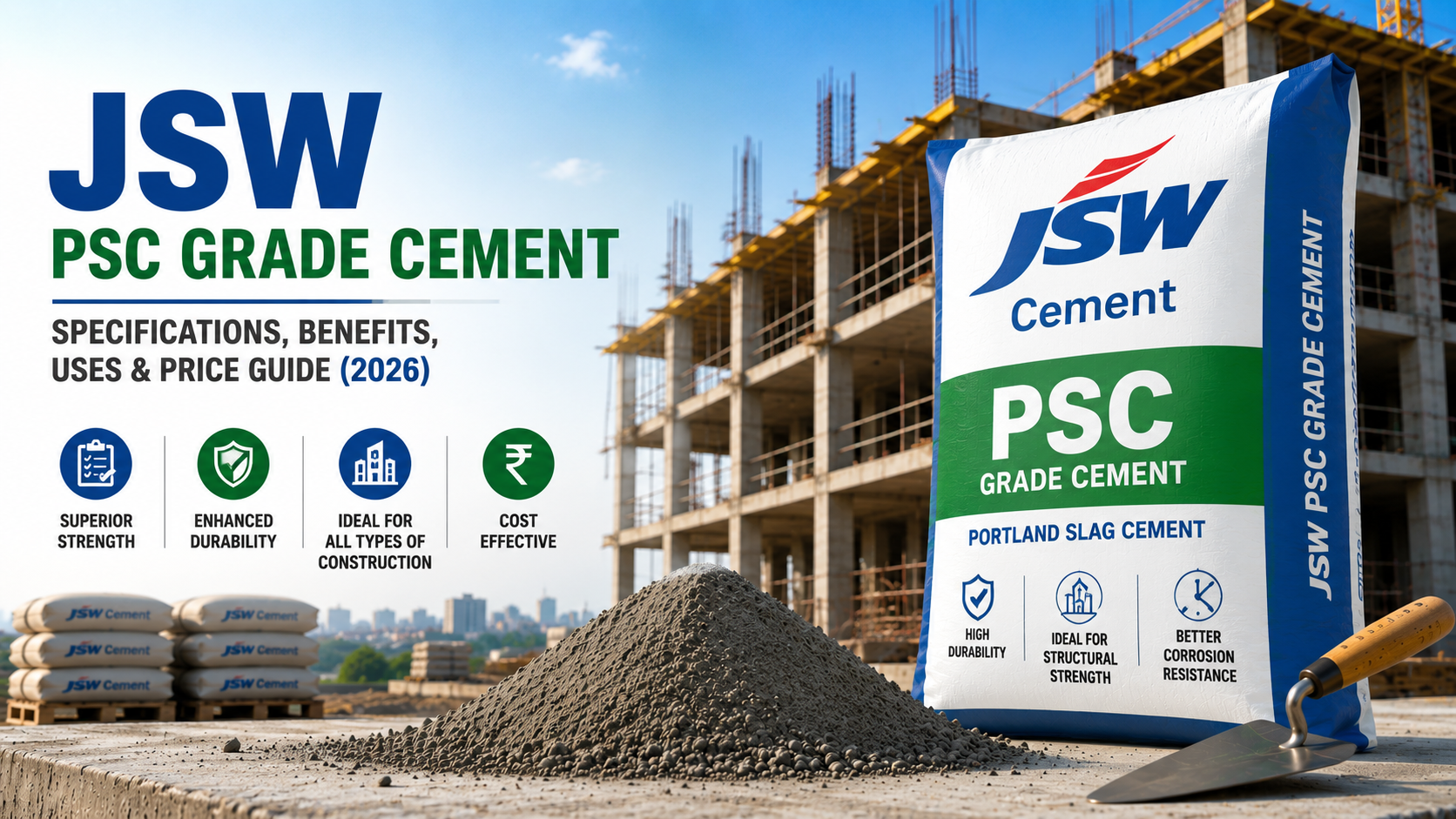
PSC, made with blast furnace slag, offers similar benefits to PPC. The choice between PPC and PSC often depends on regional availability and cost. In areas near steel plants, PSC might be more economical, while in other regions, PPC is the standard choice.
Environmental and Sustainability Considerations
Maha PPC Grade Cement contributes positively to sustainable construction practices. The use of fly ash (a byproduct from thermal power plants) reduces the demand for raw materials and prevents fly ash from ending up in landfills. For every ton of PPC cement used instead of OPC, approximately 200-300 kg of CO2 emissions are avoided, making it an environmentally responsible choice for conscious builders.
Troubleshooting Common Issues
Slow Strength Development
If you notice slower-than-expected strength development with Maha PPC Grade Cement, ensure proper curing practices. PPC cement requires adequate moisture for the pozzolanic reaction to occur. Ensure concrete is kept moist for at least 7-14 days after placement, especially in dry climates.
Concrete Discoloration
PPC cement may produce slightly different color concrete compared to OPC due to the fly ash content. This is normal and doesn't affect structural properties. If color consistency is critical for exposed concrete finishes, source all cement from the same batch.
Conclusion and Call to Action
Maha PPC Grade Cement HDPE Bag represents an excellent choice for most construction applications across India. Its combination of cost-effectiveness, durability, environmental benefits, and reliable performance makes it the preferred option for architects, engineers, and contractors nationwide. The HDPE packaging ensures quality preservation, and the cement's properties make it suitable for diverse applications from residential buildings to infrastructure projects.
Whether you're planning a small residential project or a large commercial development, understanding cement specifications and selecting the right product is crucial for project success. To find quality suppliers of Maha PPC Grade Cement and connect with experienced construction professionals who can guide your material selection, visit AECORD today. Our platform connects you with verified suppliers, manufacturers, and experts across all major Indian cities. Get in touch with multiple suppliers, compare quotes, and make informed decisions for your construction projects. Register on AECORD now and streamline your material procurement process.