

Introduction: Navigating Home Renovation in 2026
Embarking on a home renovation project in India requires navigating a shifting landscape of material prices, labor wage inflation, and regional variations. Whether you are modernizing a 15-year-old apartment in South Mumbai, upgrading an ancestral independent house in Bengaluru, or reconfiguring a builder floor in Delhi NCR, understanding the real financial outlays is critical.
With metropolitan real estate valuations hitting historic highs, major structural teardowns and new relocations are often economically impractical. Instead, strategic home renovation has emerged as the preferred path, offering a 30% to 40% cost saving over purchasing new inventory.However, outdated pricing data can throw budgets completely off course.
This comprehensive, fully updated 2026 guide breaks down exact costs per square foot, room-by-room expenses, regional Tier-1 pricing matrices, labor trends, and step-by-step budgeting strategies to ensure your project is executed smoothly and cost-effectively.
Renovation Scope & Finish | Cost Range (per sq. ft.) | Typical 1,000 Sq. Ft. Budget | Key Inclusions |
Basic Cosmetic / Surface Refresh | ₹900 – ₹1,400 | ₹9 Lakhs – ₹14 Lakhs | Painting, basic flooring touch-ups, minor electrical fixture upgrades, surface polishing. |
Standard Mid-Range Remodel | ₹1,500 – ₹2,300 | ₹15 Lakhs – ₹23 Lakhs | Complete tile replacement, modular kitchen installation, plumbing rerouting, updated false ceilings. |
Luxury / Premium Overhaul | ₹2,400 – ₹3,500+ | ₹24 Lakhs – ₹35 Lakhs+ | Structural layout reconfiguration, Italian marble flooring, smart home automation, custom woodwork. |
1. Macro-Level Cost Overview: National Estimates for 2026
Nationwide, full-scale home renovations in India range anywhere from ₹1,200 to ₹5,000+ per square foot, depending heavily on the scope of civil modifications, MEP (Mechanical, Electrical, Plumbing) replacements, and the tier of interior finishes chosen.
Renovation Tier / Scope | Cost Range per Sq. Ft. (₹) | Typical Total Budget (1,200 sq. ft. Home) | Major Inclusions |
Cosmetic / Basic Refresh | ₹700 – ₹1,500 | ₹8,40,000 – ₹18,00,000 | Repainting, basic flooring touch-ups, light fixture changes, minor bathroom hardware updates. |
Mid-Range Renovation | ₹1,500 – ₹3,000 | ₹18,00,000 – ₹36,00,000 | Full interior overhaul, modular kitchen, false ceilings, wardrobe installations, partial tile replacement, basic electrical rewiring. |
Premium / Luxury Overhaul | ₹3,500 – ₹6,000+ | ₹42,00,000 – ₹72,00,000+ | Complete gut renovation, structural layout alterations, imported marble/hardwood flooring, smart home automation, architectural lighting, luxury modular kitchen and bathrooms. |
Build cost · Bengaluru, May 2026
Room-by-Room Cost and Scope Breakdown
The bulk of any renovation budget is absorbed by high-utility wet zones—specifically kitchens and bathrooms.
[Kitchen & Bathrooms: 55-60%] --- [Living & Bedrooms: 25-30%] --- [MEP & Civil Upgrades: 15-20%]
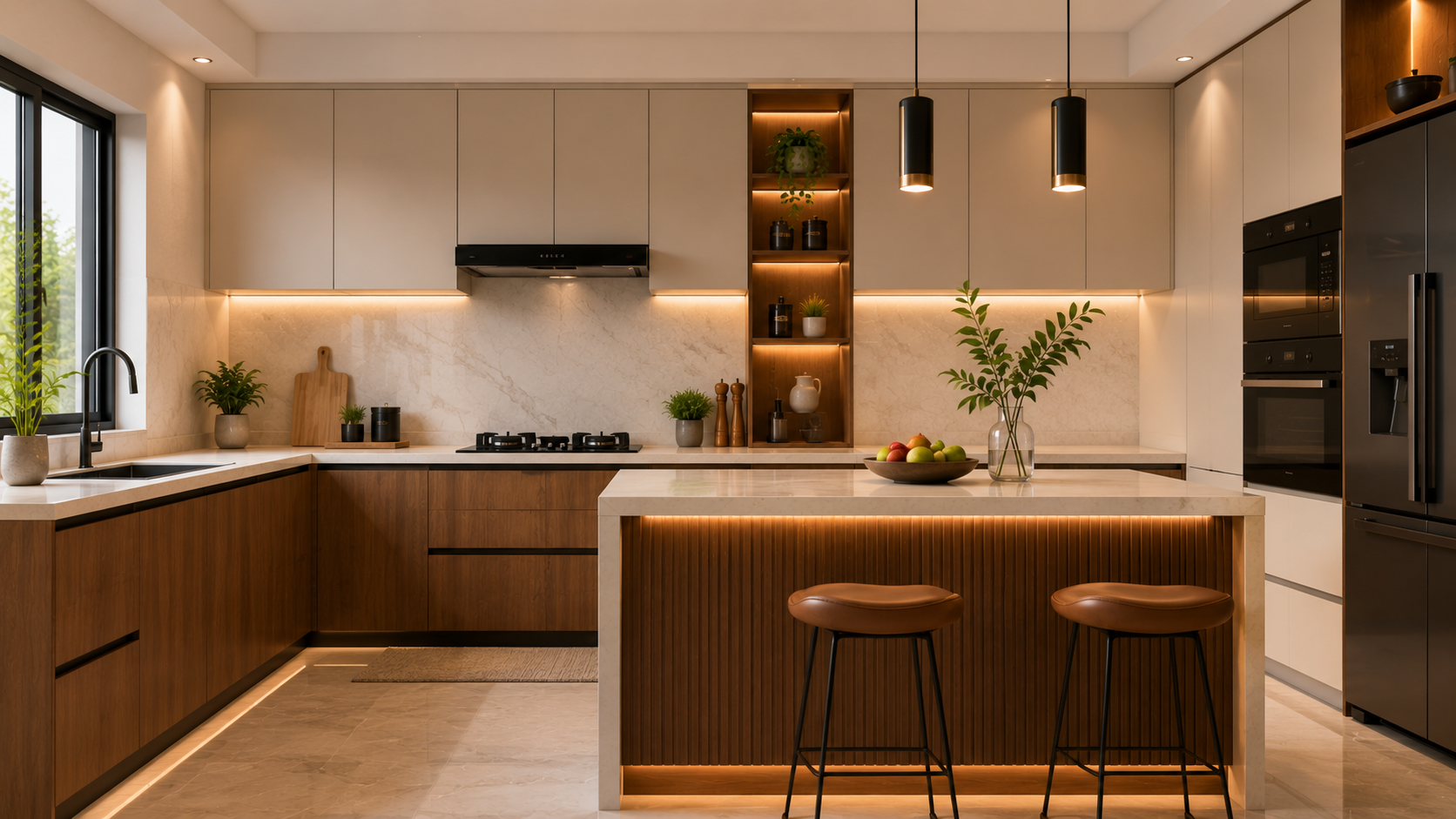
Kitchen Renovation (₹1,50,000 – ₹6,000,00+)
Scope: Complete teardown of old cabinetry, installation of BWR/BWP grade modular carcasses, acrylic or PU laminate shutters, quartz or granite countertops, backsplashes, and integrated task lighting.
Timeline: 4 to 8 weeks.
Bathroom Upgrade (₹80,000 – ₹3,500,00 per bathroom)
Scope: Chipping down old tiles, re-doing sunken floor waterproofing (crucial for leak prevention), replacing concealed CPVC/UPVC plumbing lines, wall-hung WC installation, diverters, and glass shower partitions.
Timeline: 3 to 5 weeks per bathroom.
Frequently asked
Living & Dining Rooms (₹1,00,000 – ₹5,00,000)
Scope: False ceilings with cove lighting, media wall paneling, statement painting textures, and vitrified or engineered wooden flooring integration.
Timeline: 2 to 4 weeks.
Bedrooms (₹1,00,000 – ₹4,00,000 per room)
Scope: Floor-to-ceiling custom wardrobes with sliding mechanisms, bed back panels, study niches, and optimized electrical points for modern devices.
Timeline: 2 to 3 weeks.
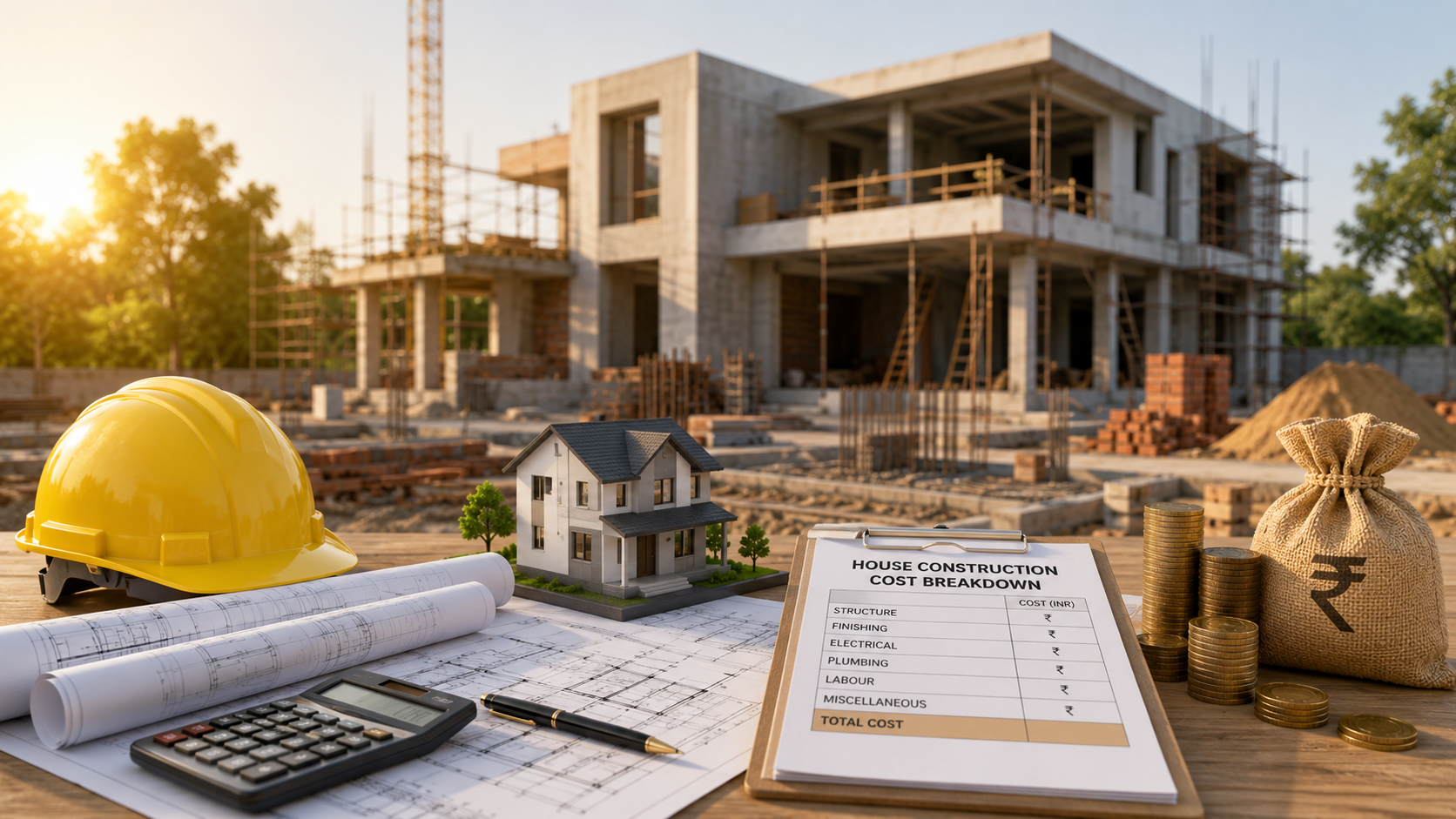
Regional Cost Variations in India
Renovation costs vary substantially across Indian cities due to differences in labor rates, material availability, and regulatory requirements.
Metro cities (Delhi, Mumbai, Bangalore, Hyderabad): ₹1,200-3,000 per sq ft
Tier-2 cities (Pune, Ahmedabad, Chandigarh, Jaipur): ₹800-1,800 per sq ft
Tier-3 cities: ₹600-1,200 per sq ft
These variations reflect not just labor costs but also the availability of quality materials and skilled contractors. Finding experienced professionals through AECORD becomes particularly valuable in tier-2 and tier-3 cities where vetting contractors is more challenging.
Hidden Costs and Contingencies
Most renovation projects face unexpected expenses. Industry experts recommend budgeting 15-20% contingency on top of your estimated costs.
Common hidden costs include:
Structural surprises: Discovering termite damage, asbestos, or structural issues during demolition (₹50,000-5,00,000+)
Regulatory compliance: Obtaining NOCs, permits, and approvals (₹10,000-1,00,000)
Temporary accommodation: If you need to vacate during renovation (₹20,000-50,000+ per month)
Material price fluctuations: Especially for imported items and steel
Delays and extended labor: Weather, supply chain issues, or unforeseen complications
Quality upgrades: Changing specifications mid-project
Cost-Saving Strategies
Plan Thoroughly Before Starting
Detailed planning reduces changes and delays. Invest in professional design consultations (₹20,000-1,00,000) to create comprehensive plans before construction begins.
Source Materials Wisely
Compare prices across suppliers, but don't compromise on quality. Bulk purchases sometimes offer discounts. For example, buying tiles directly from manufacturers can save 15-20%.
Prioritize Essential Work
Complete structural, electrical, and plumbing work first. Cosmetic upgrades can be phased or deferred if budget constraints arise.
Hire Experienced Contractors
Inexperienced contractors often cause delays and rework, increasing costs by 20-30%. Platforms like AECORD help you connect with verified professionals with proven track records.
Negotiate and Get Multiple Quotes
Always obtain 3-4 detailed quotes before deciding. Compare scope, materials, timeline, and warranty terms, not just price.
Consider DIY for Non-Technical Work
Painting, minor repairs, and finishing touches can sometimes be DIY projects, though this requires time and effort.
Timeline and Budget Management
A typical home renovation timeline spans 4-8 months for a 1,000 sq ft apartment, depending on complexity. Budget management should include:
Detailed cost breakdown by phase
Payment schedules tied to milestones (typically 30% advance, 40% mid-project, 30% completion)
Regular progress tracking and cost monitoring
Documentation of all expenses and agreements
Regulatory and Compliance Costs
Don't overlook regulatory requirements, which vary by city:
Municipal approvals: ₹5,000-50,000 (varies by city and project scope)
Fire safety compliance: ₹10,000-1,00,000
Environmental clearances: ₹20,000-2,00,000 (for larger projects)
Building permissions: ₹5,000-30,000
Failure to comply with local regulations can result in fines, legal issues, or forced removal of non-compliant work, making this a critical budget item.
Financing Your Renovation
Several financing options are available for Indian homeowners:
Home improvement loans: Available from most banks at 8-12% interest rates
Home equity loans: Using your property as collateral
Personal loans: Higher interest (12-16%) but faster approval
Contractor financing: Some contractors offer payment plans
Calculate the true cost of borrowing by considering interest rates, tenure, and processing fees.
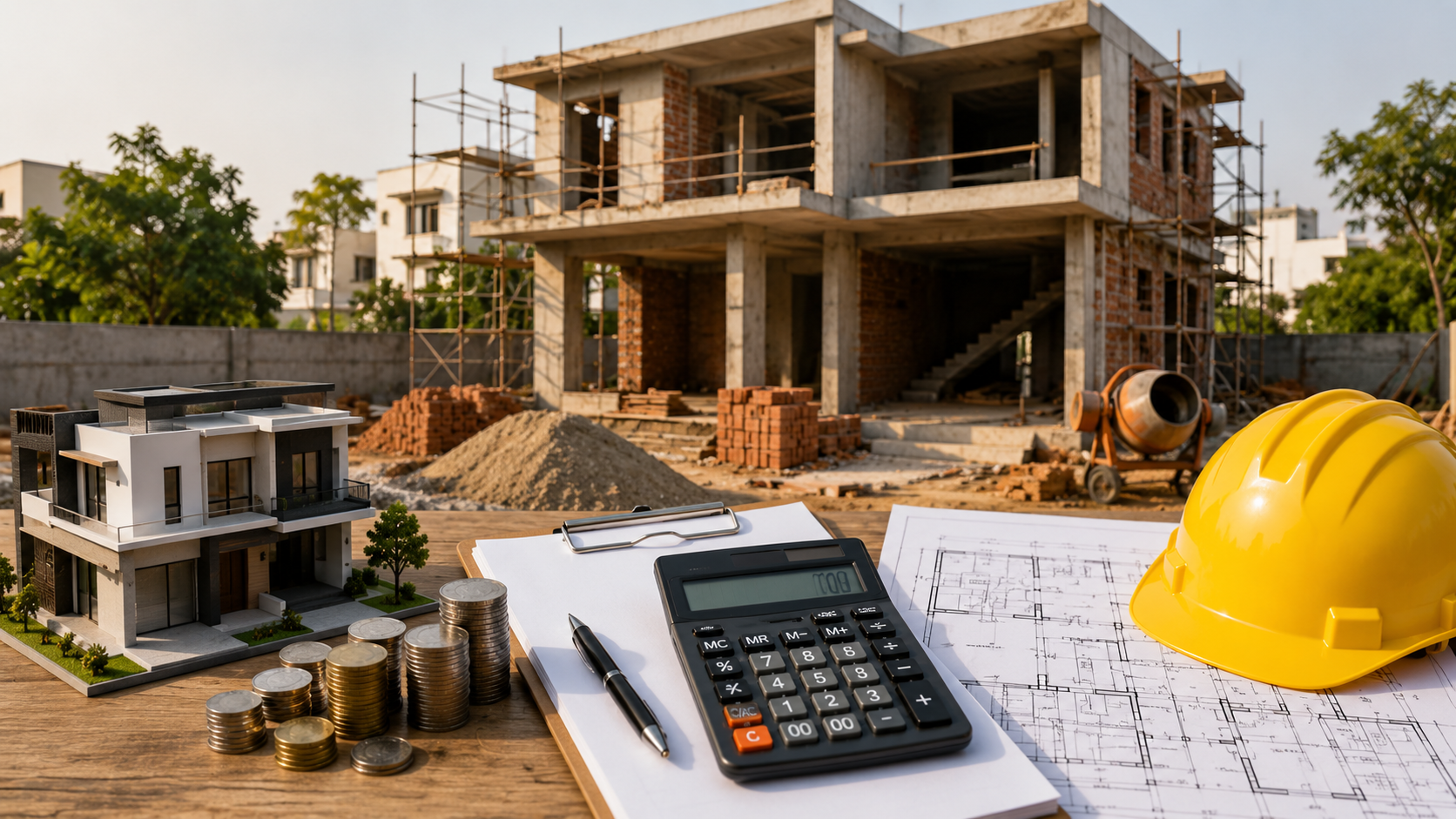
Detailed Cost Breakdown (Where Your Renovation Budget Goes)
For a standard mid-range 1,000 sq. ft. home renovation project valued at ₹18 Lakhs, expenses distribute across these core phases:
[Civil & Demolition: 30%] ---> [Kitchen & Bathrooms: 25%] ---> [Flooring & Finishes: 20%] ---> [Electrical & Plumbing: 15%] ---> [Contingency: 10%]
Demolition & Civil Alterations (25–30%): Removal of old walls, old flooring tiles, bathroom fixtures, and safe debris disposal. (Approx. ₹5.0 Lakhs)
Kitchen & Bathroom Remodeling (20–25%): Complete overhaul including waterproofing, sanitaryware, and modular cabinetry. Compare specifications with our dedicated kitchen renovation guide. (Approx. ₹4.2 Lakhs)
Flooring, Tiling & Wall Finishes (18–22%): Vitrified tile or wooden flooring installation, wall putty, primer, and multi-coat plastic emulsion painting. (Approx. ₹3.5 Lakhs)
Electrical & Plumbing Rewiring (12–15%): Upgrading concealed conduits, switchboards, MCB distribution boxes, and CPVC water supply lines. (Approx. ₹2.5 Lakhs)
Contingency Buffer (8–10%): Unforeseen structural repairs, material price fluctuations, and municipal permissions. (Approx. ₹1.8 Lakhs)
Step-by-Step Renovation Process (HowTo Guide)
Phase 1: Inspection & Structural Audit: Assess load-bearing walls, dampness levels, and electrical load capacity with a licensed structural engineer before touching hammer to concrete.
Phase 2: Architectural Planning & Budgeting: Finalize 2D/3D layouts, secure society/municipal permissions, and lock in a 10% contingency buffer.
Phase 3: Demolition & Rough-in Work: Strip out old finishes, execute wall channeling for electrical/plumbing conduits, and complete primary waterproofing.
Phase 4: Finishing & Fixture Installation: Lay new flooring, install door frames, complete painting, mount modular cabinetry, and test electrical circuits.
Expert E-E-A-T Insights & Case Study
"Never skip the waterproofing stage in wet areas during a renovation. 80% of post-renovation disputes arise from seepage traveling from remodeled bathrooms into adjacent living spaces." — Er. Manish Sharma, Senior Structural Auditor
Real-World Case Study: 1,200 Sq. Ft. Apartment Renovation (Bangalore)
Project Scope: Complete gut-reno including kitchen layout expansion, master bathroom reconfiguration, and full electrical rewiring.
Execution Timeline: 3.5 Months (Completed mid-2026).
Total Expenditure: ₹21.60 Lakhs.
Key Takeaway: By sourcing materials in milestone batches through the AECORD material price comparison tool, the homeowner saved nearly 12% on tile and hardware procurement compared to retail market estimates.
4. Material and Labor Price Benchmarks
Key Building Materials (Q3/Q4 2026 Estimates)
TMT Steel Rebars (Fe 500D/550D): ₹62,000 to ₹70,000 per metric ton depending on brand (Tata Tiscon, JSW Neosteel, Jindal Panther).
Ordinary Portland/Composite Cement: ₹360 to ₹420 per 50kg bag (UltraTech, ACC, Ambuja).
Vitrified Tiles (600x1200mm): ₹65 to ₹180 per sq. ft. based on finish (Glossy, Matte, Carving).
Daily Labor Wages (Metropolitan Averages)
Mason (Rajmistri): ₹700 – ₹1,200 / day
Carpenter / Woodwork Specialist: ₹800 – ₹1,500 / day
Electrician / Plumber: ₹600 – ₹1,200 / day
Helper / Unskilled Hand: ₹450 – ₹700 / day
5. Step-by-Step Strategic Renovation Process
Condition Audit & Structural Integrity Test: Hire a structural engineer for any home over 15 years old to inspect column health, dampness, and load-bearing walls.
Detailed Scope & BOQ Formulation: Draft a room-by-room Bill of Quantities (BOQ) covering demolition, civil work, finishing, and fixture procurement.
Contractor Vetting: Review past site executions, verify local GST registrations, and sign an airtight contract stipulating penalty clauses for timeline delays.
Execution & Phased Quality Control: Monitor milestones closely—specifically checking waterproofing layer ponding tests before tiling begins.
Handover & Punch Listing: Complete a comprehensive walkthrough to identify paint touch-ups, hardware adjustments, and debris clearing.
6. Smart Cost-Saving Tips for Your Project
Retain the Shell, Upgrade the Skin: Avoid moving structural walls unless absolutely necessary; rerouting main plumbing stacks and breaking columns inflates engineering budgets exponentially.
Procure Raw Materials Directly: Buying tiles, bathroom fixtures, and electrical wiring in bulk through direct distributor channels can save 12% to 18% over retail contractor markups.
Keep a 15% Financial Contingency: Hidden issues such as corroded internal wiring or concealed seepage invariably emerge once demolition begins. Always buffer your budget accordingly.