

Understanding East-Facing Houses in Vastu Shastra
East-facing houses hold a special significance in Vastu Shastra, the ancient Indian science of architecture and design. According to Vastu principles, an east-facing property is considered highly auspicious as it receives the first rays of the sun, symbolizing new beginnings, prosperity, and positive energy. In India, many homeowners prioritize east-facing plots, particularly in cities like Bangalore, Delhi, Mumbai, and Pune, where real estate markets have shown consistent demand for such properties.
The eastern direction is associated with the sun god Surya and represents growth, health, and illumination. When designed according to Vastu guidelines, an east-facing house can harness these benefits while maintaining modern architectural functionality. However, designing such a home requires careful planning of room placement, entrance orientation, and natural light management.
This comprehensive guide explores how to plan and design an east-facing house that respects Vastu principles while meeting contemporary living standards. Whether you're constructing a new home or renovating an existing property, understanding these guidelines will help you create a balanced, harmonious living space.
Build cost · Bengaluru, May 2026
Key Vastu Principles for East-Facing Houses
The Importance of the Main Entrance
In Vastu Shastra, the main entrance is considered the mouth of the house—the primary channel through which energy enters your home. For east-facing properties, the ideal entrance location is in the northeast or east direction. This placement allows positive solar energy to enter the house throughout the day.
The entrance should ideally face due east or slightly towards the northeast (between 0° to 45° from east). Avoid placing the main door in the southeast corner, as this is considered inauspicious according to traditional Vastu principles. The entrance gate and door should be well-lit, welcoming, and proportionate to the house size. A typical residential entrance in Indian cities costs between ₹15,000 to ₹50,000 for quality wooden or steel doors, depending on design complexity.
Ensure the entrance has a small threshold or step, which symbolically separates the external world from the sanctity of your home. Many modern architects now integrate Vastu-compliant entrances seamlessly into contemporary designs, making it possible to honor these principles without compromising aesthetic appeal.
Room Placement and Orientation
Vastu recommends specific placements for different rooms based on their functions and the energy associated with each direction:
- Master Bedroom: Should be located in the southwest corner of the house. This placement promotes stability, security, and peaceful sleep. The bed should be positioned so that your head faces south or east while sleeping.
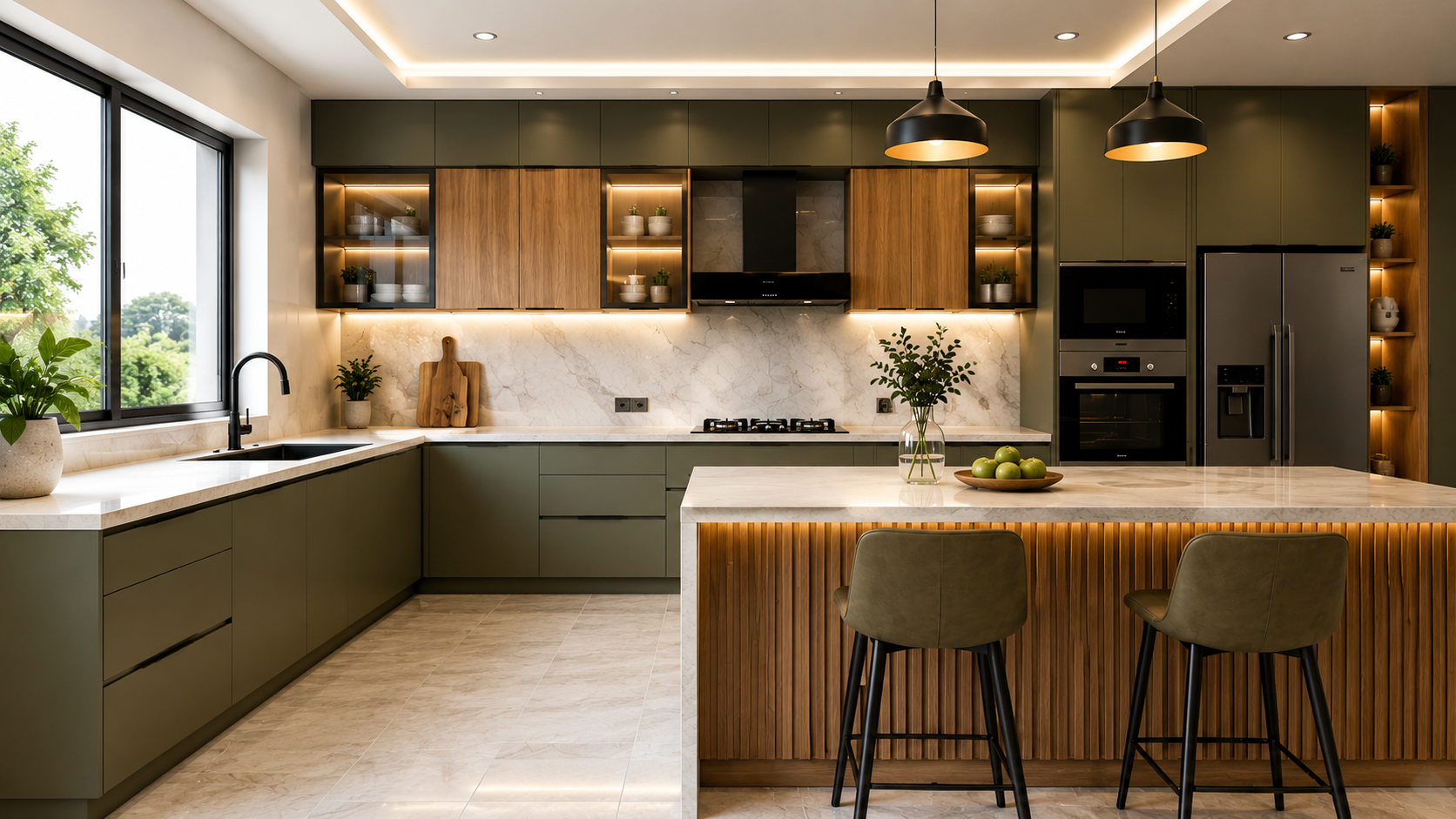
- Kitchen: Ideally positioned in the southeast corner. This direction is associated with fire element and is considered auspicious for cooking. The cooking stove should face east, allowing the cook to face the rising sun.
- Pooja Room: Place in the northeast corner or center of the house. This is the most sacred space and should be elevated slightly and kept clean and clutter-free.
- Children's Bedroom: Best located in the west or northwest direction, promoting creativity and focus on studies.
- Guest Room: Can be positioned in the northwest corner, as this direction welcomes guests and visitors.
- Bathroom and Toilet: Should be in the south or southeast direction, away from the northeast corner which is reserved for pure spaces.
- Dining Area: Ideally in the west or northwest, or in an extension of the kitchen towards the south.
Following these guidelines helps create a home where each room's energy aligns with its purpose. When consulting with architects on AECORD for your east-facing house design, you can specifically request Vastu-compliant room layouts that maintain functional efficiency.
Frequently asked
Natural Lighting and Ventilation Strategy
Maximizing East-Facing Advantages
One of the primary advantages of an east-facing house is abundant natural light from sunrise. However, this needs to be managed strategically to avoid excessive heat in afternoons. Design your home with large windows and glass doors on the eastern facade to capture morning sunlight, which is cooler and energetically beneficial.
Install adjustable shading solutions such as:
- Wooden or metal jali screens (traditional latticed panels) that allow light and air while reducing heat
- Motorized blinds or roller shutters (₹200-500 per square foot in Indian markets)
- Overhanging eaves or pergolas that provide shade during peak afternoon hours
- Deciduous trees planted on the east side that provide seasonal shade
Cross-ventilation is crucial in Indian climates. Design your east-facing house with windows on opposite walls to allow air flow from east to west. In cities like Delhi and Bangalore, where summers are intense, this natural ventilation can reduce cooling costs by 20-30%.
Window Placement According to Vastu
Vastu suggests that windows should be placed symmetrically and proportionately. For an east-facing house, position windows to face the rising sun while maintaining privacy. Avoid placing windows directly opposite each other in a straight line, as this allows energy to rush through without settling in the home.
The size of windows should not exceed one-third of the wall area. In Indian residential construction, typical window sizes range from 3x4 feet to 4x5 feet, with costs varying from ₹2,000 to ₹8,000 per window depending on material and design.
Practical Design Considerations for Modern Living
Balancing Vastu with Contemporary Architecture
Modern Indian homes need to accommodate contemporary lifestyles—home offices, entertainment spaces, and open-plan living—while respecting Vastu principles. This balance is achievable through thoughtful design:
- Open-Plan Living: If you prefer an open kitchen-dining-living area, ensure the kitchen zone is in the southeast, living area in the center-east, and dining towards the west. Use subtle design elements like level changes or partial walls to define spaces without blocking energy flow.
- Home Office: Position in the north or northeast direction. North is associated with prosperity and business growth, making it ideal for work-from-home setups.
- Staircase: Should be in the south or southwest corner, never in the center or northeast. Spiral staircases are preferred over straight ones in Vastu.
- Parking Area: If integrated into the design, keep it in the southeast or south direction, away from the main entrance.
Material Selection and Color Schemes
Vastu recommends specific colors for different directions and rooms. For an east-facing house:
- Eastern Facade: Light colors like white, cream, or pale yellow reflect the morning sun beautifully and symbolize purity and freshness.
- Master Bedroom: Warm, grounding colors like terracotta, beige, or soft browns promote relaxation.
- Kitchen: Warm colors like orange, yellow, or red stimulate appetite and energy.
- Pooja Room: White, gold, or light yellow creates a spiritual atmosphere.
- Children's Room: Light green or sky blue encourages creativity and calm focus.
In India, quality interior paint costs range from ₹150 to ₹400 per square foot, while premium finishes can reach ₹600 per square foot.
Water Features and Landscaping
Water Element Placement
According to Vastu, water features should be placed in the northeast or north direction of the property. A small fountain, water channel, or pond in the northeast corner attracts prosperity and positive energy. Water should always flow towards the center or south of the property, symbolizing wealth flowing into the home.
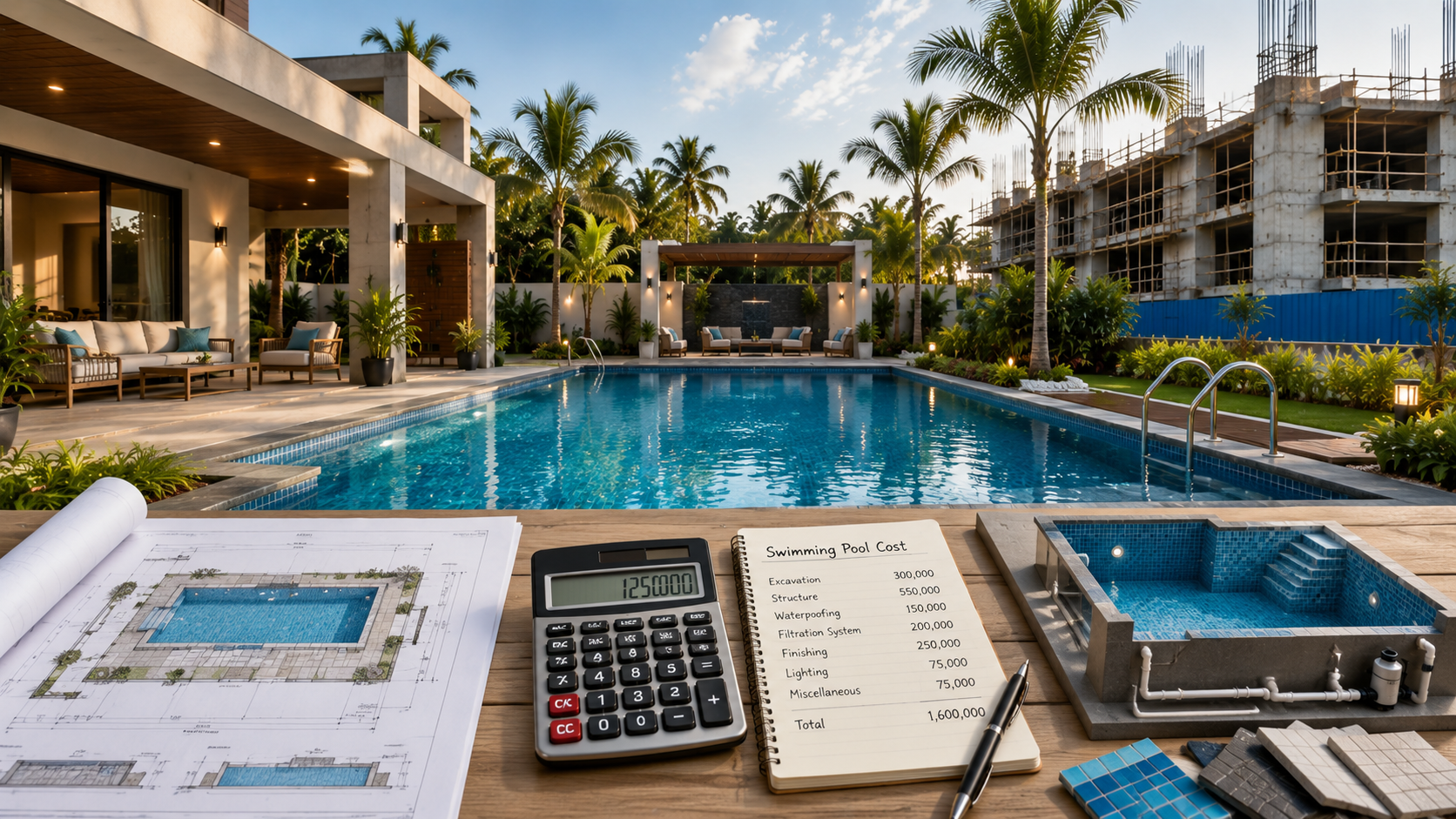
If you're planning a swimming pool—increasingly common in metropolitan Indian homes—place it in the east, southeast, or south direction, never in the center or northeast. Ensure proper drainage systems are installed to manage water flow correctly.
Garden and Landscaping Guidelines
Vastu recommends planting specific trees and plants in different directions:
- Northeast: Tulsi (holy basil) plant—considered sacred and purifying
- East: Ashoka, Neem, or Coconut trees—promoting health and prosperity
- Southeast: Lemon or orange trees—bringing positive energy
- South: Mango or Peepal trees—providing shade and spiritual benefits
- Southwest: Larger trees for protection and stability
Avoid planting thorny plants like cactus or bougainvillea near the main entrance or in the northeast. Maintain the garden regularly, as overgrown or neglected landscaping is believed to invite negative energy.
Specific Considerations for Indian Cities
Climate Adaptation for Different Regions
For Bangalore and South India: The moderate climate allows for larger windows and outdoor spaces. Design deep verandas on the east side to manage the relatively intense sun while maximizing natural light.
For Delhi and North India: Extreme summers and winters require strategic design. Use thick walls (9-inch brick or equivalent), install double-glazed windows (₹400-800 per square foot), and plan for seasonal adjustments with removable screens and shutters.
For Mumbai and Coastal Areas: High humidity and salt air require weather-resistant materials. Use aluminum or stainless steel frames instead of wood, and ensure proper ventilation to prevent moisture accumulation.
For Pune: The moderate climate and growing real estate market make it ideal for implementing Vastu principles. Many new residential projects in Pune are now incorporating Vastu-compliant designs as a selling point.
Regulatory Compliance
While implementing Vastu principles, ensure compliance with local building bylaws. Most Indian cities have specific regulations regarding:
- Setback requirements from the road
- Floor Area Ratio (FAR) and building height restrictions
- Open space requirements (typically 20-30% of plot area)
- Parking space norms (usually 1 space per 100 sq. ft. of built area)
Consult with local municipal authorities in your city before finalizing designs. Professional architects familiar with both Vastu and local regulations can help navigate these requirements efficiently.
Cost Implications of Vastu-Compliant Design
Designing an east-facing house according to Vastu principles doesn't necessarily increase construction costs significantly. The primary expenses include:
- Architectural Design Fees: ₹50,000-200,000 depending on project complexity
- Quality Doors and Windows: Additional ₹100-300 per square foot for proper placement and materials
- Specialized Shading Solutions: ₹50,000-150,000 for quality jali screens or pergolas
- Landscaping: ₹100-500 per square foot depending on plant selection and maintenance
- Water Features: ₹50,000-500,000 depending on scale and complexity
These costs are often offset by improved energy efficiency, better natural lighting, and reduced cooling expenses over the building's lifetime.
Working with AECORD Professionals
Designing an east-facing house that harmonizes Vastu principles with modern functionality requires expertise in both traditional knowledge and contemporary architecture. On AECORD, you can connect with architects, Vastu consultants, and engineers who specialize in creating homes that respect these ancient principles while meeting current lifestyle needs.
When posting your project on AECORD, provide details about:
- Your plot's exact orientation and size
- Your preference for Vastu compliance
- Required spaces and modern amenities
- Your budget and timeline
- Your city's specific building regulations
AECORD professionals can review your requirements and provide customized design solutions that integrate Vastu wisdom with practical, sustainable design.
Common Mistakes to Avoid
When designing an east-facing house according to Vastu, avoid these common pitfalls:
- Placing the main entrance in the southeast or southwest corner
- Positioning the kitchen in the north or northeast
- Locating the master bedroom in the north or east
- Installing windows that create direct sight lines through the house
- Neglecting proper drainage and water management
- Ignoring local climate conditions in favor of strict Vastu adherence
- Over-darkening the east-facing facade with excessive shading
- Placing water features in inauspicious directions
Conclusion
An east-facing house designed according to Vastu Shastra can be a beautiful, harmonious, and functional home that honors traditional wisdom while meeting modern living requirements. The key lies in understanding Vastu principles deeply, adapting them to your specific context, and working with skilled professionals who can balance these ancient guidelines with contemporary architecture and local regulations.
By carefully planning room placement, managing natural light and ventilation, selecting appropriate materials and colors, and incorporating water features and landscaping strategically, you can create a home that feels both spiritually aligned and practically comfortable.
Whether you're in Bangalore, Delhi, Mumbai, Pune, or any other Indian city, the principles outlined in this guide provide a solid foundation for your east-facing house design. Ready to start your project? Connect with experienced architects and Vastu consultants on AECORD who can help you transform your vision into reality. Post your project details today and receive customized design proposals from qualified professionals in your area.
Frequently Asked Questions
Why are east-facing houses considered auspicious in Vastu Shastra?
East-facing houses are considered highly auspicious in Vastu because they receive the first rays of the sun, symbolizing new beginnings, prosperity, and positive energy. The eastern direction is associated with Surya (the sun god) and represents growth, health, and illumination, making it ideal for residential properties.
Where should the main entrance be placed in an east-facing house according to Vastu?
The ideal main entrance for an east-facing house should be located in the northeast or east direction, ideally facing due east or slightly towards the northeast (between 0° to 45° from east). Avoid placing the main door in the southeast corner, as this is considered inauspicious according to traditional Vastu principles.
Which room should be in the southwest corner of an east-facing house?
The master bedroom should be located in the southwest corner of an east-facing house, as this placement promotes stability, security, and peaceful sleep. The bed should be positioned so that your head faces south or east while sleeping.
What is the best location for a kitchen in a Vastu-compliant east-facing house?
According to Vastu principles, the kitchen should be positioned in the southeast corner of an east-facing house, as this direction is associated with the fire element. The cooking stove should face east, allowing the cook to face the rising sun.
Where should the Pooja room be placed in an east-facing house?
The Pooja room should be placed in the northeast corner or center of the house, as this is considered the most sacred space. It should be elevated slightly and kept clean and clutter-free to maintain its spiritual significance.