

Ceramic Wall Tiles: A Complete Guide to Choosing, Installing, and Maintaining
Ceramic wall tiles have become one of the most popular choices for interior and exterior wall finishes across India. Whether you're renovating a residential kitchen, upgrading a commercial bathroom, or designing a new property, ceramic tiles offer an excellent combination of aesthetics, durability, and affordability. This comprehensive guide will help you understand everything you need to know about ceramic wall tiles, from selection to installation and maintenance.
Build cost · Bengaluru, May 2026
Understanding Ceramic Wall Tiles
What Are Ceramic Wall Tiles?
Ceramic wall tiles are manufactured products made from clay, minerals, and other raw materials that are shaped, dried, and fired in kilns at high temperatures. This process creates a hard, non-porous surface that is resistant to moisture, stains, and wear. Unlike natural stone tiles, ceramic tiles are engineered products that offer consistent quality, uniform sizing, and predictable performance.
The manufacturing process involves mixing clay with water, pressing the mixture into molds, and then firing them in kilns at temperatures between 1,100°C to 1,200°C. This firing process transforms the raw clay into a durable, glass-like surface that makes ceramic tiles ideal for wet areas like bathrooms and kitchens.
Types of Ceramic Wall Tiles
Understanding the different types of ceramic tiles will help you make an informed decision for your specific project needs:
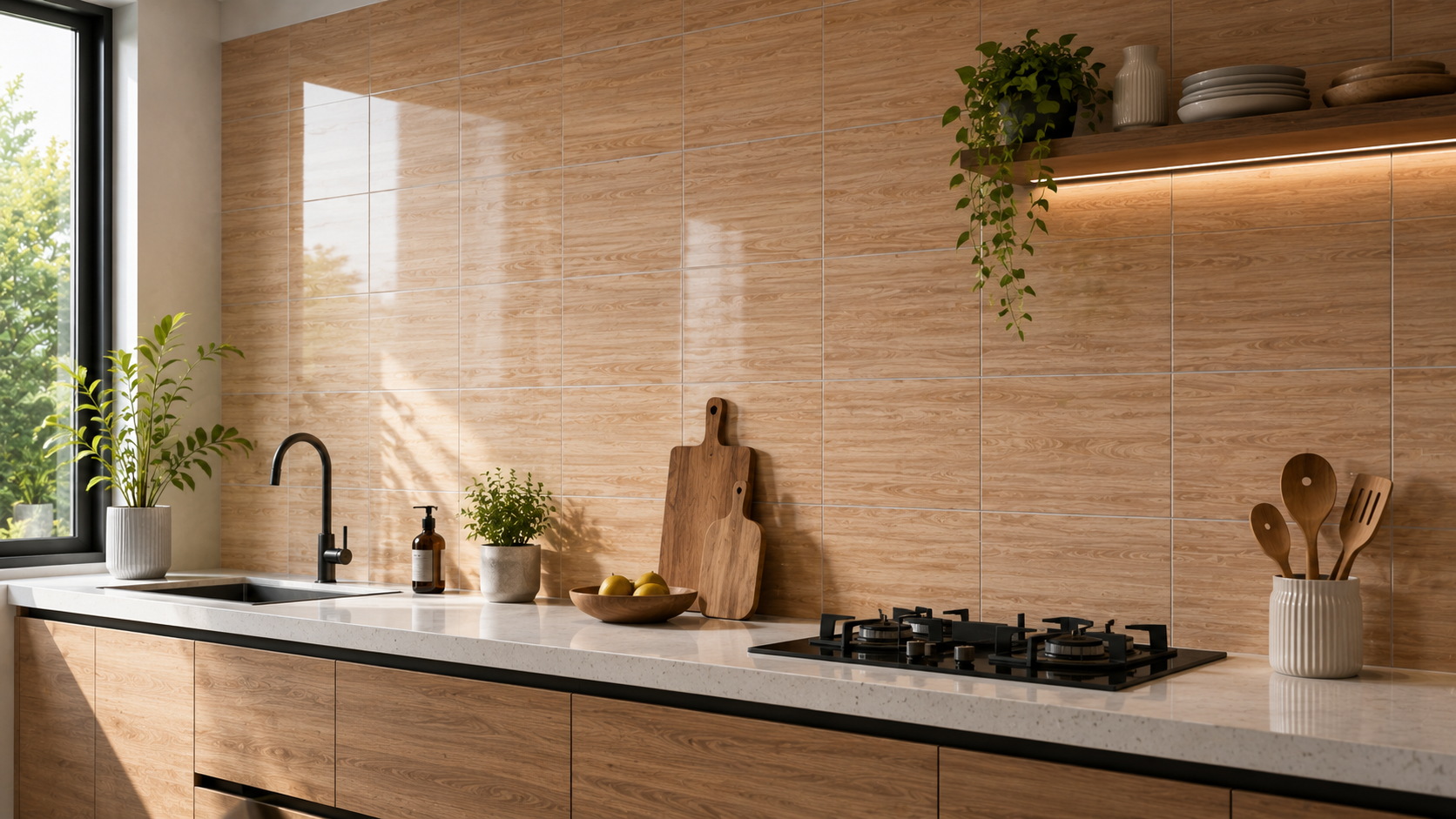
Glazed Ceramic Tiles: These tiles have a protective glass-like coating that provides color, pattern, and water resistance. Glazed tiles are available in matte, satin, and glossy finishes.
Unglazed Ceramic Tiles: These tiles have no surface coating and offer a more natural, earthy appearance. They are more porous and require sealing in wet areas.
Porcelain Tiles: A premium type of ceramic tile made from refined clay fired at higher temperatures. Porcelain tiles are denser, less porous, and more durable than standard ceramic tiles.
Vitreous Tiles: Highly glazed tiles with minimal porosity, making them ideal for areas with high moisture exposure.
Semi-Vitreous Tiles: These tiles have moderate water absorption and are suitable for indoor walls and light-traffic areas.
Frequently asked
Advantages of Ceramic Wall Tiles
Durability and Longevity
Ceramic wall tiles are extremely durable and can last for 20-30 years or more with proper installation and maintenance. The fired clay composition creates a surface that resists chipping, cracking, and fading. In Indian homes and commercial spaces, ceramic tiles have proven to withstand the demands of daily use and varying climate conditions across different regions.
Water Resistance
The glazed surface of ceramic tiles makes them highly resistant to water absorption, making them perfect for bathrooms, kitchens, and other wet areas. This water resistance prevents mold, mildew, and bacterial growth, contributing to a healthier indoor environment.
Easy Maintenance
Ceramic tiles require minimal maintenance. A simple wipe with a damp cloth and mild soap is usually sufficient to keep them clean. Unlike natural stone or wood, ceramic tiles don't require sealing or special treatments, saving you time and money on upkeep.
Cost-Effectiveness
Ceramic wall tiles are one of the most affordable wall finishing options available in India. Depending on quality and design, ceramic tiles can range from ₹50 to ₹500 per square foot, making them accessible to various budget levels. When you factor in their longevity and low maintenance costs, ceramic tiles offer excellent value for money.
Design Versatility
The ceramic tile industry offers incredible variety in colors, patterns, textures, and sizes. From traditional designs inspired by Indian architecture to contemporary minimalist styles, you can find ceramic tiles that match any aesthetic preference or interior design theme.
Environmental Sustainability
Ceramic tiles are made from natural, abundant materials like clay and minerals. They are recyclable and don't emit harmful volatile organic compounds (VOCs), making them an environmentally responsible choice for conscious builders and homeowners.
Choosing the Right Ceramic Wall Tiles for Your Project
Consider the Application Area
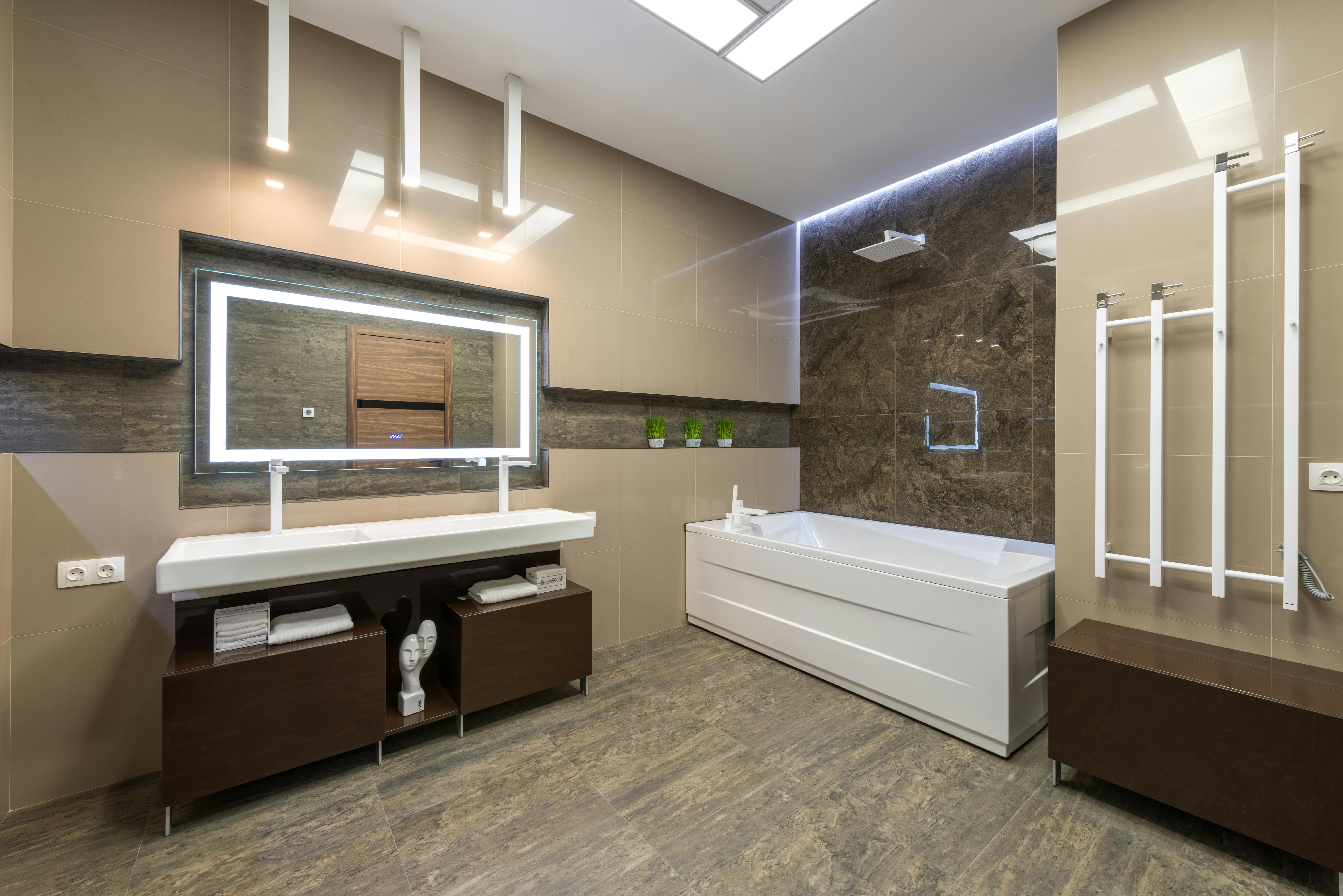
Different areas of your home or commercial space have different requirements. For bathrooms and kitchens, choose glazed ceramic or porcelain tiles with high water resistance. For living rooms and bedrooms, you have more flexibility and can opt for unglazed tiles or decorative options. If you're working with professionals from AECORD, they can help assess your specific needs and recommend appropriate tile types.
Evaluate Water Absorption Rates
Ceramic tiles are classified by their water absorption rates (measured as a percentage). For wet areas, choose tiles with less than 0.5% water absorption. For dry areas, tiles with 3-6% water absorption are acceptable. Always check the tile specifications before purchasing.
Assess Traffic and Usage Patterns
High-traffic areas require more durable tiles with better slip resistance. The Porcelain Enamel Guild (PEG) rating system helps determine tile durability. Tiles with PEG ratings of 3 or higher are suitable for areas with moderate to heavy foot traffic.
Select Appropriate Sizes
Ceramic wall tiles come in various sizes, from small 100mm x 100mm tiles to large 600mm x 600mm or even 800mm x 800mm formats. Larger tiles create a more spacious appearance and require fewer grout lines, while smaller tiles offer more design flexibility and are easier to install in irregular spaces. Popular sizes in India include 300x300mm, 300x600mm, and 600x600mm.
Choose Suitable Finishes
Finish options include:
Matte Finish: Non-reflective, provides better grip, and hides dirt well. Ideal for bathrooms and kitchens.
Glossy Finish: Reflective and elegant, but can be slippery when wet. Better suited for dry areas or decorative applications.
Textured Finish: Provides slip resistance and adds visual interest. Excellent for bathrooms and outdoor spaces.
Installation Process for Ceramic Wall Tiles
Preparation and Planning
Before installation begins, ensure that the wall surface is clean, dry, and structurally sound. Any existing tiles, paint, or wallpaper should be removed. The wall should be leveled and any cracks or holes should be filled with appropriate patching material. In humid climates like those in coastal Indian cities, ensure proper ventilation and moisture control before tile installation.
Materials and Tools Required
Essential materials include:
Ceramic wall tiles
Tile adhesive (cement-based or ready-mix)
Grout (for filling spaces between tiles)
Tile spacers
Waterproofing membrane (for wet areas)
Primer (if needed for the wall surface)
Required tools include a notched trowel, grout float, tile cutter, level, measuring tape, sponge, and bucket.
Application of Adhesive and Tile Placement
Apply tile adhesive using a notched trowel at a 45-degree angle to create uniform ridges. Press each tile firmly onto the wall, using tile spacers to maintain consistent gaps. Typically, grout lines are 2-3mm for wall tiles. Ensure tiles are level and properly aligned as you progress. This step requires precision and expertise, which is why hiring qualified professionals through AECORD is often a wise investment.
Grouting and Sealing
After the adhesive has cured (usually 24 hours), apply grout to fill the gaps between tiles. Use a grout float to push grout into the joints, then wipe away excess with a damp sponge. Allow grout to cure for 48-72 hours before exposing the tiled surface to water. For wet areas, apply waterproof sealant to grout lines to prevent water penetration.
Curing and Final Touches
Avoid using the tiled surface for at least 72 hours after installation to allow all materials to cure properly. Once cured, apply a final protective sealant if recommended for your specific tile type.
Cost Considerations for Ceramic Wall Tiles in India
Material Costs
The cost of ceramic wall tiles varies significantly based on quality, design, and brand. Budget tiles may cost ₹50-₹150 per square foot, mid-range tiles ₹150-₹300 per square foot, and premium designer tiles ₹300-₹500+ per square foot. For a typical 100 square foot bathroom wall, you might spend anywhere from ₹5,000 to ₹50,000 on tiles alone.
Installation Costs
Labor costs for tile installation typically range from ₹30-₹100 per square foot depending on the complexity of the design, tile size, and your location. Metropolitan areas like Delhi, Mumbai, and Bangalore tend to have higher labor costs than tier-2 and tier-3 cities.
Additional Expenses
Don't forget to budget for adhesive, grout, waterproofing materials, and any necessary wall preparation. These additional materials typically add 10-15% to your total project cost.
Maintenance and Care Tips
Regular Cleaning
Clean ceramic tiles regularly with warm water and mild soap or a pH-neutral tile cleaner. For stubborn stains, use a soft brush or non-abrasive scrubbing pad. Avoid acidic cleaners that can damage grout lines.
Grout Maintenance
Grout is more porous than tiles and requires special attention. Seal grout lines every 1-2 years to prevent staining and water infiltration. In Indian bathrooms where humidity is high, this maintenance step is particularly important.
Preventing Mold and Mildew
Ensure proper ventilation in wet areas by using exhaust fans during and after showers. Wipe down tiles and grout regularly to prevent moisture accumulation. In coastal regions or areas with high humidity, consider using anti-fungal grout or sealants.
Addressing Damage
If a tile cracks or chips, it should be replaced promptly to prevent water from seeping behind the tile. Keep extra tiles from your original installation for future repairs, as exact color and pattern matching can be difficult after time.
Current Trends in Ceramic Wall Tiles
Large Format Tiles
Large format ceramic tiles (600x600mm and larger) are increasingly popular as they create a seamless, modern appearance and reduce grout lines. These tiles are particularly trendy in contemporary Indian homes and commercial spaces.
Textured and 3D Designs
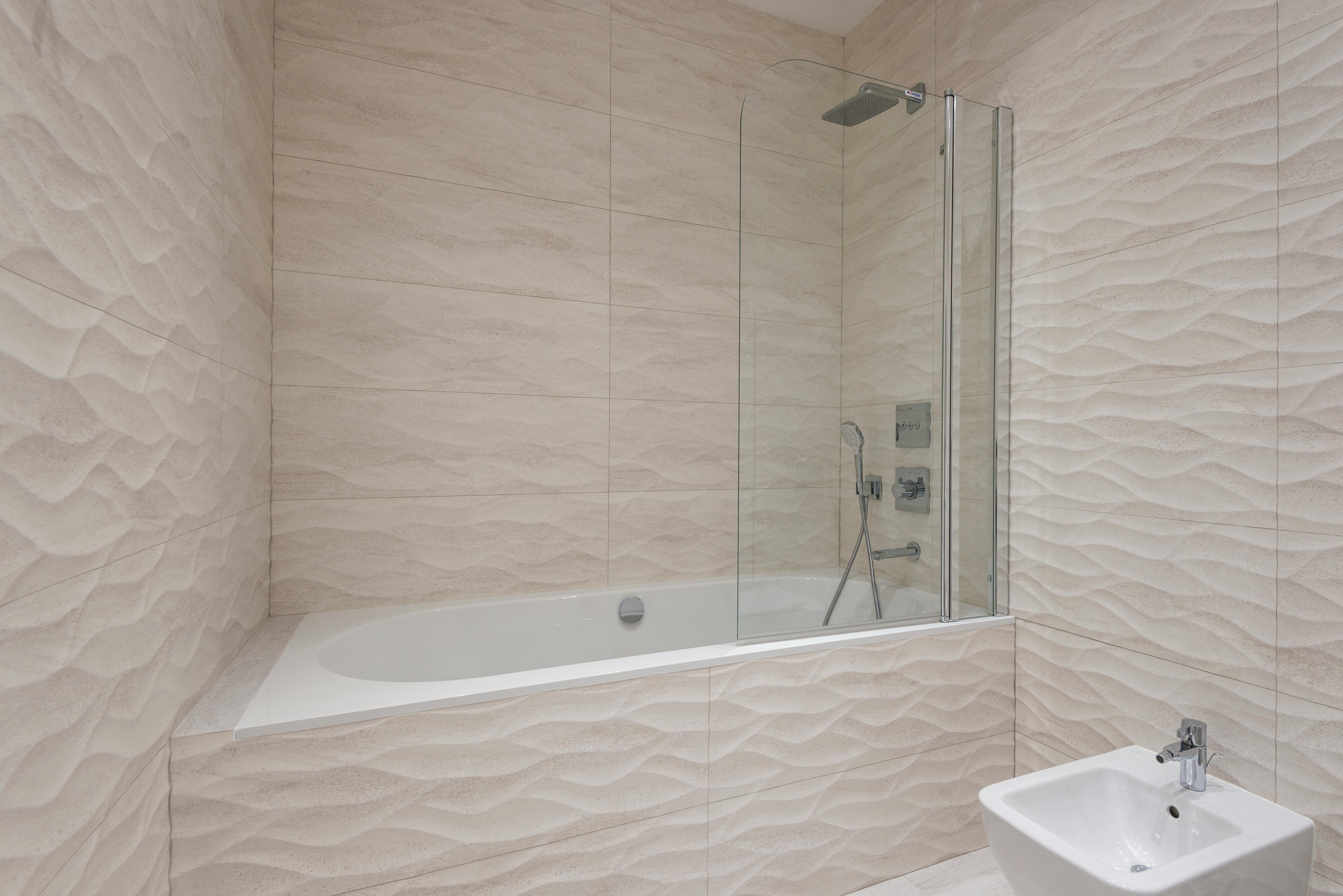
Textured ceramic tiles that create visual depth and tactile interest are gaining popularity. These designs add sophistication to spaces while maintaining the practical benefits of ceramic tiles.
Sustainable and Eco-Friendly Options
There's growing demand for ceramic tiles made from recycled materials or produced using sustainable manufacturing processes. Many Indian tile manufacturers are responding to this trend with eco-conscious product lines.
Bold Colors and Patterns
Moving away from traditional whites and creams, homeowners and designers are embracing bold colors, geometric patterns, and artistic designs that make ceramic tiles a statement feature rather than just a functional element.
Common Mistakes to Avoid
Poor Surface Preparation: Skipping proper wall preparation leads to tile failure and water damage. Always ensure walls are clean, dry, and properly primed.
Using Wrong Adhesive: Different tile types and applications require specific adhesive formulations. Using the wrong type can result in tiles loosening or failing.
Inadequate Waterproofing: In wet areas, proper waterproofing is crucial. Don't skip this step to save money, as water damage can be costly to repair.
Improper Grout Application: Poorly grouted tiles allow water infiltration and weaken the tile assembly. Take time to apply grout properly and thoroughly.
Ignoring Expansion Joints: Ceramic tiles expand and contract with temperature changes. Failing to include proper expansion joints can cause tiles to crack or pop.
Finding Professional Help for Your Ceramic Tile Project
While ceramic tile installation might seem straightforward, achieving professional results requires skill, experience, and proper tools. Whether you're in Mumbai, Delhi, Bangalore, or any other Indian city, finding qualified professionals is essential for a successful project. AECORD connects you with experienced tile installation specialists, architects, and contractors who understand local building codes, climate considerations, and design preferences specific to your region. By using AECORD, you can compare multiple professionals, review their portfolios, and make informed decisions for your project.
Conclusion
Ceramic wall tiles remain one of the best choices for durable, beautiful, and affordable wall finishes in India. Whether you're updating a single bathroom or undertaking a large commercial project, understanding the types, benefits, installation process, and maintenance requirements of ceramic tiles will help you make smart decisions. From selecting the right tile type for your specific application to ensuring proper installation and ongoing care, every step contributes to a successful project that will enhance your space for years to come.
Ready to start your ceramic tile project? Explore the network of experienced professionals on AECORD today. Find qualified tile installers, interior designers, and contractors in your area who can help bring your vision to life with expert guidance and quality workmanship.
Frequently Asked Questions
How long do ceramic wall tiles last?
Ceramic wall tiles can last 20-30 years or more with proper installation and maintenance. The fired clay composition creates a durable surface that resists chipping, cracking, and fading, even under varying climate conditions.
Are ceramic tiles water resistant?
Yes, ceramic tiles are highly water resistant due to their glazed surface, making them ideal for bathrooms, kitchens, and other wet areas. This water resistance also prevents mold, mildew, and bacterial growth.
What is the difference between ceramic and porcelain tiles?
Porcelain tiles are a premium type of ceramic tile made from refined clay fired at higher temperatures, making them denser, less porous, and more durable than standard ceramic tiles. Porcelain tiles offer superior performance in high-moisture areas.
How much do ceramic wall tiles cost in India?
Ceramic wall tiles in India typically range from ₹50 to ₹500 per square foot depending on quality and design. When factoring in their longevity and minimal maintenance requirements, they offer excellent value for money.
How do you maintain ceramic wall tiles?
Ceramic tiles require minimal maintenance—simply wipe them with a damp cloth and mild soap to keep them clean. Unlike natural stone or wood, they don't require sealing or special treatments, saving time and money on upkeep.