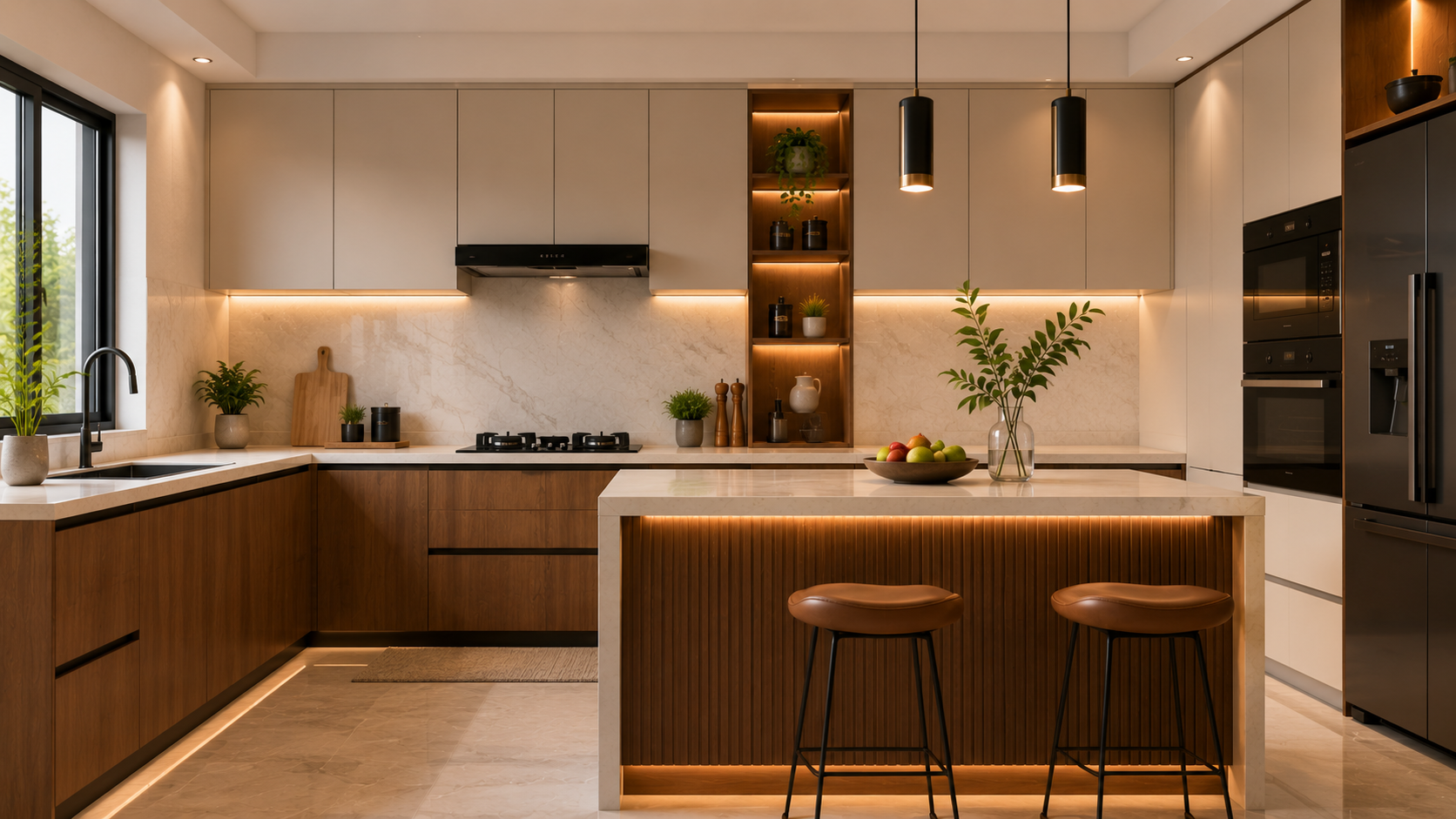


Beyond Minimalism: The Rise of Warm, Organic Interior Design
For years, minimalism dominated interior design conversations—stark white walls, clean lines, and deliberately sparse furnishings were considered the pinnacle of modern style. But a significant shift is happening across Indian homes and commercial spaces. Designers and homeowners are increasingly embracing warm colours, curved furniture, and natural textures to create spaces that feel both contemporary and deeply inviting.
This movement isn't a rejection of modern design principles; rather, it's an evolution. It combines the functionality and clarity of minimalism with the warmth and tactile richness that humans naturally crave. Whether you're renovating a flat in Mumbai, designing a workspace in Bangalore, or reimagining your home in Delhi, understanding this design philosophy can help you create spaces that are beautiful, comfortable, and timeless.
Build cost · Bengaluru, May 2026
Understanding the Shift Away from Cold Minimalism
Minimalism served an important purpose—it helped us declutter, prioritize functionality, and eliminate excess. However, as remote work became normalized and homes transformed into multi-functional spaces, the limitations of austere minimalism became apparent. Spaces felt sterile, uninviting, and sometimes isolating.
The new direction acknowledges a fundamental truth: humans are sensory beings. We respond to warmth, texture, and organic forms on both psychological and physiological levels. Research in environmental psychology shows that natural elements and warm tones reduce stress, improve mood, and enhance overall well-being—something especially relevant for Indian professionals managing demanding work schedules.
This evolution is particularly visible in metropolitan areas like Bangalore, Hyderabad, and Pune, where young professionals and families are increasingly seeking design solutions that balance contemporary aesthetics with comfort and personality. On platforms like AECORD, interior designers and architects are collaborating to create these sophisticated, livable spaces that go beyond cold minimalism.
The Power of Warm Colour Palettes
Moving Beyond Whites and Grays
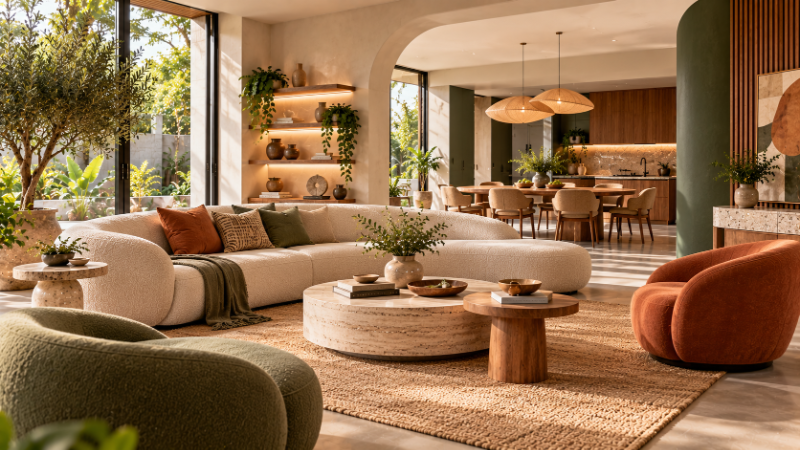
While neutral tones will always have a place in design, the new warm palette embraces earthy, saturated, and sophisticated hues. These aren't the heavy, dated colours of previous decades—they're refined, thoughtfully applied, and often inspired by natural landscapes.
Key warm colours gaining traction include:
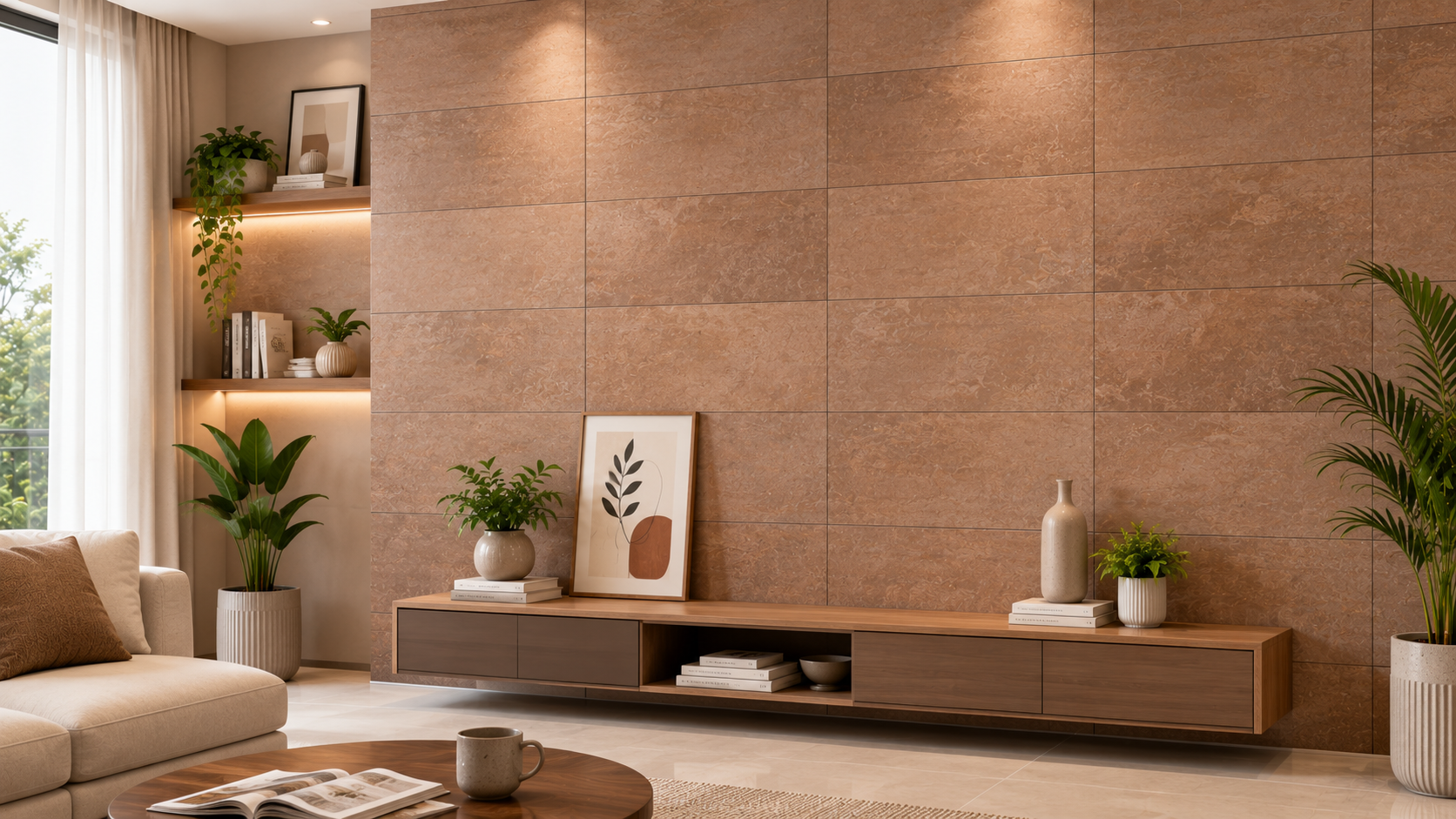
Terracotta and rust tones: Inspired by Indian architecture and soil, these colours evoke warmth and grounding. A terracotta accent wall in a living room or bedroom can transform the entire mood without overwhelming the space.
Warm ochres and mustards: These earthy yellows bring subtle vibrancy and energy. They're particularly effective in kitchens, studies, and creative workspaces.
Warm browns and taupes: Richer than beige, these sophisticated neutrals provide depth and elegance while maintaining a calming atmosphere.
Soft greens and sage: Inspired by nature, these muted greens create a connection to the outdoors and promote tranquility. They work beautifully in bedrooms and meditation spaces.
Warm grays with undertones: Unlike cool grays, warm grays (with brown, yellow, or red undertones) feel more inviting and sophisticated.
Frequently asked
Implementing Warm Colours in Indian Homes
The key to successfully implementing warm colours is understanding your space's natural light. In Indian cities with intense sunlight, warm tones can sometimes feel overwhelming if applied too boldly. Consider:
Using warm colours on accent walls rather than all four walls
Balancing warm tones with lighter, neutral furnishings
Testing paint samples in your specific space at different times of day
Combining warm wall colours with natural wood elements to enhance the organic feel
Many architects and designers on AECORD recommend starting with one warm-toned accent wall, then adding complementary elements like warm-toned textiles and wooden furniture to build a cohesive scheme. This measured approach allows homeowners to experience the impact before committing to larger changes.
Curved Furniture: Softness Meets Sophistication
Why Curves Matter in Modern Design
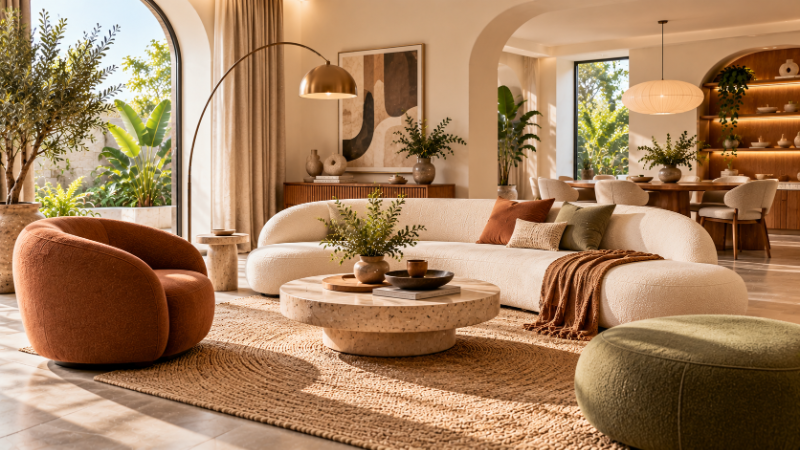
Straight lines and angular furniture defined minimalist spaces, but curves are now recognized as essential to creating psychologically comfortable environments. Curved furniture is inherently more inviting—it suggests flow, movement, and organic growth rather than rigid control.
From a practical standpoint, curved furniture also maximizes space efficiency. A curved sofa can fit more people in a smaller footprint than a linear alternative, making it particularly valuable in Indian urban homes where space is often limited and precious.
Types of Curved Furniture to Consider
Curved sofas and sectionals: These are the anchor pieces of the new design movement. A curved sectional in a Mumbai apartment or Bangalore home creates an inviting focal point. Upholstered in natural fabrics like linen or cotton, they become tactile gathering spaces.
Rounded accent chairs: Barrel chairs, club chairs with curved backs, and egg-shaped seats add personality and comfort. They're perfect for reading nooks, home offices, or bedroom corners.
Curved coffee tables: Softening the living room's visual landscape, curved tables with organic forms reduce the harsh geometry typical of minimalist spaces.
Arched shelving and cabinets: Storage doesn't have to be boxy. Curved shelving units and cabinets with rounded tops add architectural interest while maintaining functionality.
Rounded dining tables: Circular or oval dining tables promote conversation and connection—a welcome shift from the austere rectangular tables of minimalist design.
Finding Curved Furniture in the Indian Market
Quality curved furniture can be sourced from premium furniture makers in Delhi, Mumbai, Bangalore, and Hyderabad. Expect to invest ₹40,000 to ₹2,00,000+ for a well-crafted curved sofa, depending on size, materials, and customization. Local artisans often produce beautiful curved pieces at more accessible price points, though lead times may be longer.
When sourcing furniture, consulting with designers through AECORD can help you find pieces that align with your space's proportions and your design vision. They can also advise on fabric choices that complement warm colour palettes.
Natural Textures: The Tactile Revolution
Why Texture Matters
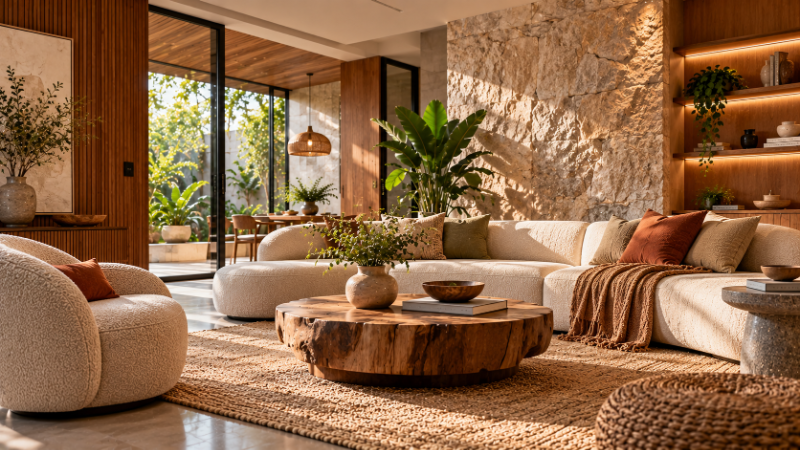
Minimalism often prioritized visual simplicity at the expense of tactile richness. The new design philosophy recognizes that touching, feeling, and experiencing materials is crucial to how we perceive a space. Natural textures engage multiple senses, creating deeper, more memorable spaces.
Key natural textures to incorporate:
Wood: From flooring to wall panelling to furniture, wood is the foundation of this design movement. Different wood species—teak, sheesham, mango wood, and bamboo—offer varying tones and grain patterns. In Indian homes, wood accents can range from ₹500 to ₹5,000+ per square foot depending on the species and finish.
Stone and slate: Natural stone brings earthy elegance. Consider slate accent walls, stone fireplace surrounds, or natural stone flooring in entryways and living areas.
Textiles: Linen, cotton, wool, and jute create tactile interest. Layering different textile textures—a wool throw on a linen sofa, jute rugs under wooden tables—adds depth and warmth.
Plaster and clay finishes: Textured wall finishes inspired by traditional Indian architecture add character. Lime plaster, clay finishes, and hand-troweled plaster create subtle, sophisticated texture.
Leather: Natural leather ages beautifully and becomes more character-filled over time. Leather chairs, ottomans, or accent pieces add luxury and warmth.
Creating Textural Depth in Your Space
The art of incorporating natural textures lies in layering. A monochromatic colour scheme becomes rich and engaging when you vary textures. For example:
A warm taupe wall pairs with a wooden accent wall in natural teak finish
A linen sofa is layered with wool cushions and a jute area rug
A smooth plaster wall contrasts with rough-hewn wooden shelving
Polished stone flooring grounds a space with tactile, visual weight
This approach works particularly well in Indian homes, where traditional design elements like hand-woven textiles, natural stone, and wood have always been valued. Modern interior designers are rediscovering these materials and presenting them in contemporary contexts.
Bringing It Together: Practical Design Strategies
Creating Cohesion Across Your Space
Implementing warm colours, curved furniture, and natural textures requires thoughtful planning to avoid the space feeling chaotic or dated. Here's how to create a cohesive design:
Start with a colour palette: Choose 2-3 warm base colours (e.g., terracotta, warm gray, and soft green) and 2-3 accent tones. This provides structure while allowing flexibility.
Prioritize key pieces: Invest in quality curved furniture—typically the sofa, dining table, or bed—and build around these anchors. Budget-conscious homeowners can source secondary pieces more economically.
Layer textures strategically: Introduce textures through furniture, textiles, wall finishes, and accessories. Aim for a mix of smooth (polished wood, leather) and rough (woven textiles, textured plaster) surfaces.
Maintain negative space: While this design philosophy embraces warmth and texture, avoid overcrowding. Negative space prevents the design from feeling cluttered and maintains the modern sensibility.
Budget Considerations for Indian Homeowners
Implementing this design philosophy doesn't require unlimited budget. Here's a realistic breakdown for a 1,000 sq ft apartment in a major Indian city:
Paint and wall finishes: ₹15,000–₹40,000 (including accent walls and textured finishes)
Curved sofa: ₹60,000–₹1,50,000 (depending on size and upholstery)
Wooden furniture and accents: ₹50,000–₹1,00,000
Textiles (rugs, cushions, throws): ₹20,000–₹50,000
Accessories and lighting: ₹15,000–₹40,000
Total estimated investment: ₹1,60,000–₹3,80,000, though this can be adjusted based on priorities and phased over time.
Room-by-Room Applications
Living Rooms
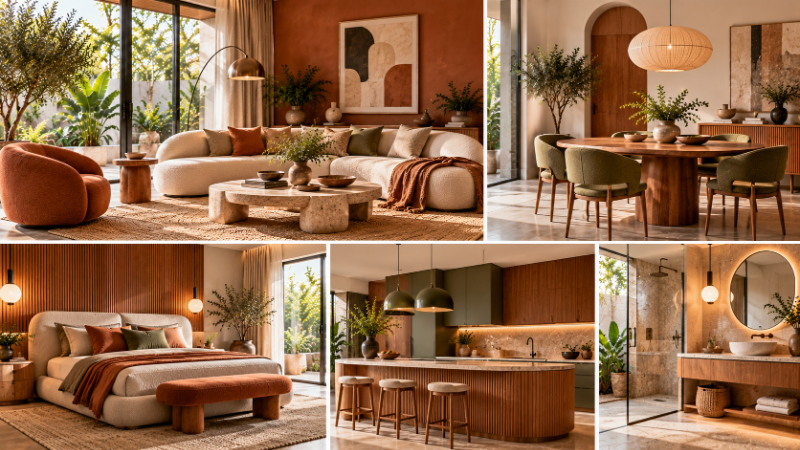
The living room is the ideal space to embrace this design philosophy fully. A curved sectional upholstered in natural linen, positioned on a warm-toned area rug, with wooden side tables and warm ochre accent walls creates an inviting gathering space. Layer in textured cushions, a wooden coffee table with organic curves, and natural lighting to complete the effect.
Bedrooms
Bedrooms benefit from softer warm tones and tactile comfort. Warm greens or soft terracotta walls paired with natural wood bed frames, linen bedding, and layered textures create a sanctuary. Consider curved bedside tables or a curved bench at the foot of the bed for added interest.
Kitchens and Dining Areas
Warm ochre or mustard tones energize kitchens, while curved dining tables encourage connection. Natural wood cabinetry and stone countertops ground the space in natural materials. In Indian kitchens, consider incorporating traditional elements like brass fixtures or hand-painted tiles that complement the warm, organic aesthetic.
Home Offices
With remote work becoming standard, home offices deserve thoughtful design. Warm, focused lighting combined with warm wall tones reduces eye strain. Curved desk chairs and wooden desks create a comfortable, inspiring workspace. Adding a curved bookshelf or natural plant elements enhances the biophilic design principle.
Working with Design Professionals
While these principles can be self-implemented, working with experienced interior designers and architects ensures cohesive, professionally executed results. AECORD connects homeowners with vetted design professionals across India who specialize in contemporary, warm design aesthetics. Whether you're in Delhi, Bangalore, Mumbai, or smaller cities, finding the right professional can transform your vision into reality.
Design professionals can:
Assess your space's specific light conditions and proportions
Source quality materials and furniture within your budget
Create detailed plans and 3D visualizations
Manage timelines and coordinate with contractors
Ensure designs reflect your personal style while following contemporary principles
Conclusion: Creating Spaces That Feel Like Home
The movement beyond minimalism toward warm colours, curved furniture, and natural textures represents a maturation in design thinking. It acknowledges that spaces must be both beautiful and livable, both contemporary and deeply human. This philosophy is particularly resonant in India, where traditional design values—warmth, craftsmanship, natural materials—are being rediscovered and reimagined for modern living.
Whether you're planning a complete redesign or making incremental changes, these principles offer a roadmap to creating spaces that feel genuinely welcoming. Start with warm accent walls, introduce a curved furniture piece, and layer in natural textures. The result will be a home that reflects contemporary design sensibilities while enveloping you in comfort and warmth.
Ready to transform your space? Explore AECORD to connect with interior designers, architects, and furniture specialists who understand this design philosophy and can bring your vision to life. From concept to completion, AECORD's network of AECO professionals can help you create the warm, textured, inviting spaces you deserve.
Frequently Asked Questions
What is the difference between minimalism and warm organic interior design?
While minimalism focuses on stark whites, clean lines, and sparse furnishings, warm organic design combines modern functionality with inviting warm colours, curved furniture, and natural textures. This evolution acknowledges that humans are sensory beings who respond positively to warmth and tactile richness, creating spaces that are both contemporary and deeply comfortable.
What warm colours are best for Indian homes?
Popular warm colours for Indian interiors include terracotta and rust tones inspired by local architecture, warm ochres and mustards for energy, sophisticated warm browns and taupes, soft sage greens for tranquility, and warm grays with brown or yellow undertones. The key is considering your space's natural light intensity and using these colours strategically on accent walls to avoid overwhelming the space.
How do warm colours and natural textures improve well-being?
Research in environmental psychology shows that warm tones and natural elements reduce stress, improve mood, and enhance overall well-being. This is especially relevant for professionals working from home, as these design elements create psychologically and physiologically comforting spaces that promote relaxation and productivity.
Should I use curved furniture in modern interior design?
Yes, curved furniture is a key element of contemporary warm organic design. Curved pieces soften the stark geometry of minimalism, create visual interest, and feel more inviting and comfortable. They work well alongside natural textures and warm colour palettes to create sophisticated, livable spaces.
Can I combine minimalism with warm colours and natural textures?
Absolutely. The new design philosophy isn't a rejection of minimalism but an evolution of it. You can maintain minimalism's functionality and clarity while incorporating warm colours, curved furniture, and natural textures to create spaces that are both clean and deeply inviting, balancing contemporary aesthetics with comfort and personality.