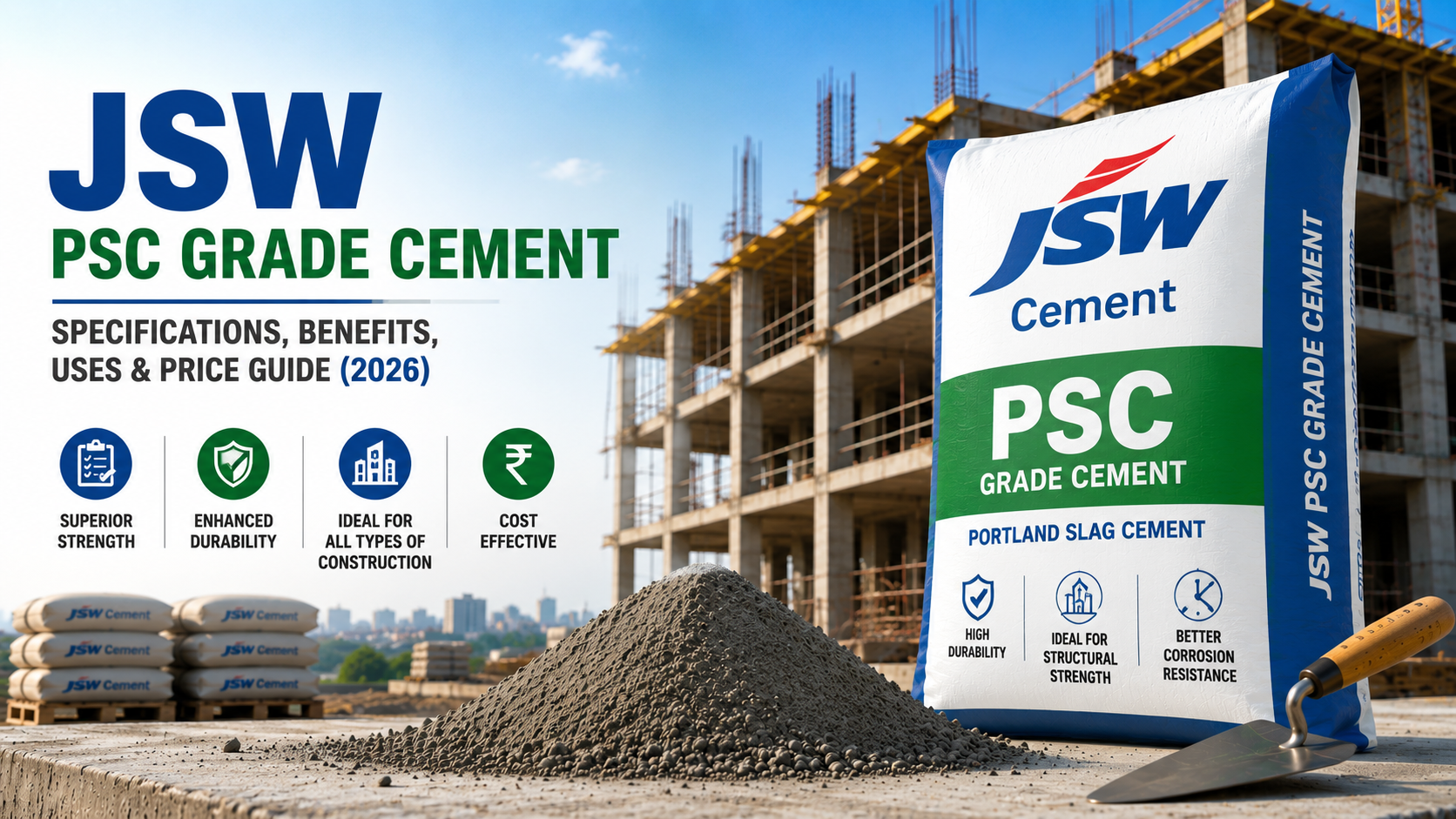


Understanding India's Cement Market
Cement is the backbone of India's construction industry, and selecting the right brand can significantly impact your project's durability, cost-efficiency, and overall quality. With over 150 cement brands operating across India, choosing the best one requires understanding their composition, strength ratings, pricing, and suitability for specific applications.
India produces approximately 380 million tonnes of cement annually, making it the world's second-largest cement producer after China. The Indian cement industry is highly competitive, with prices varying between ₹280 to ₹450 per 50 kg bag depending on the region, brand, and type of cement. Whether you're constructing a residential building in Mumbai, a commercial complex in Bangalore, or an infrastructure project in Delhi, understanding cement specifications is crucial.
Build cost · Bengaluru, May 2026
Top 10 Cement Brands in India
1. Ultratech Cement
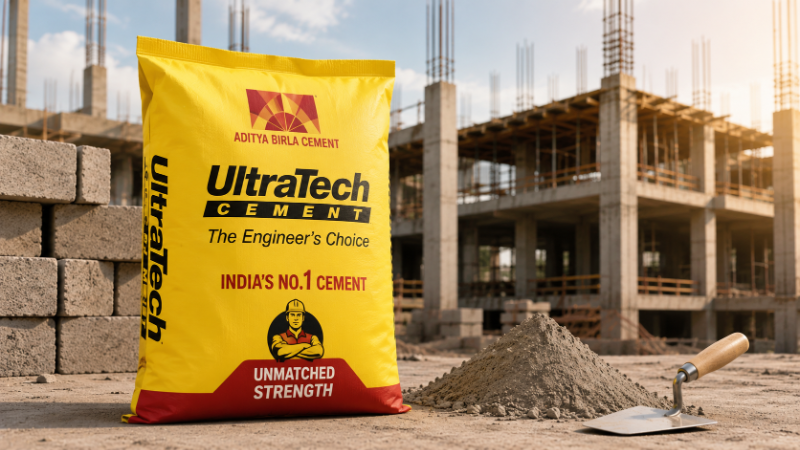
Price Range: ₹320-₹380 per 50 kg bag
Ultratech Cement is India's largest cement manufacturer with a market share of approximately 20%. Known for consistent quality and wide availability across all major cities including Delhi, Mumbai, Bangalore, and Hyderabad, Ultratech offers various cement types including ordinary Portland cement (OPC) and Portland pozzolana cement (PPC).
Strengths: Excellent compressive strength, reliable quality control, extensive distribution network, and good water resistance. Their 28-day strength typically ranges from 42-53 MPa for OPC grades.
Best For: High-rise buildings, commercial structures, and premium residential projects where consistency is paramount.
2. Ambuja Cement
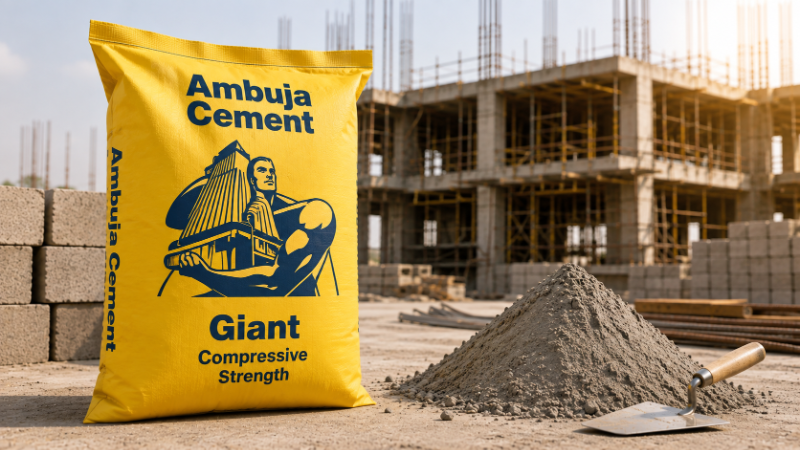
Price Range: ₹310-₹370 per 50 kg bag
Ambuja Cement, a subsidiary of Holcim, is one of India's most trusted brands with manufacturing plants strategically located across the country. They offer specialized products for different applications and climatic conditions.
Strengths: Superior early strength development, excellent durability in coastal regions, and consistent particle size distribution. Their products perform exceptionally well in high-temperature environments.
Best For: Coastal construction projects, infrastructure development, and applications requiring rapid strength gain.
Frequently asked
3. Shree Cement
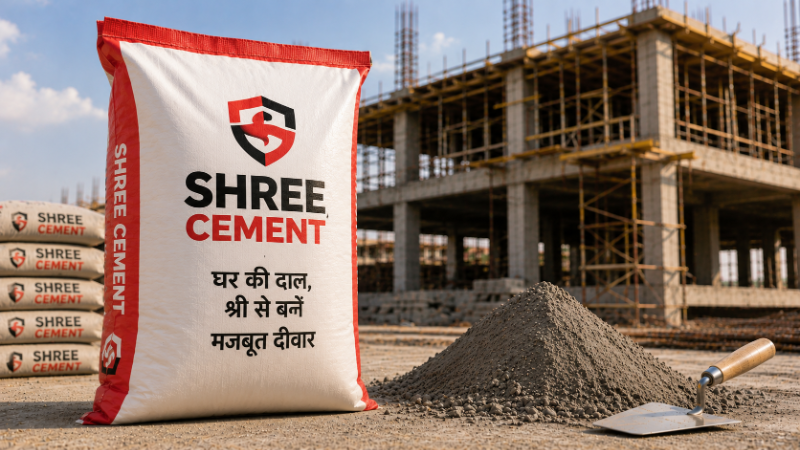
Price Range: ₹300-₹360 per 50 kg bag
Shree Cement is a major player in North India with significant market presence in Rajasthan, Uttar Pradesh, and neighboring states. They're known for cost-effective solutions without compromising quality.
Strengths: Competitive pricing, good strength development, lower heat of hydration, and excellent performance in mass concrete applications. Their eco-friendly initiatives have gained recognition.
Best For: Large-scale construction projects, mass concrete work, and budget-conscious builders in North India.
4. ACC Cement
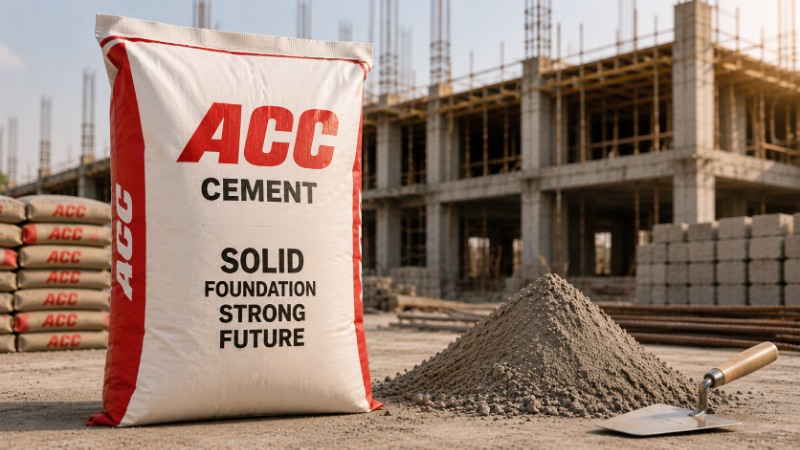
Price Range: ₹330-₹390 per 50 kg bag
Associated Cement Companies (ACC) is one of India's oldest and most established cement manufacturers with heritage spanning over 70 years. They maintain premium positioning in the market.
Strengths: Exceptional consistency, superior durability, excellent performance in aggressive environments, and strong brand reputation. ACC's research and development initiatives ensure innovative cement solutions.
Best For: Premium residential projects, heritage structures, and applications requiring exceptional durability and aesthetics.
5. Dalmia Cement
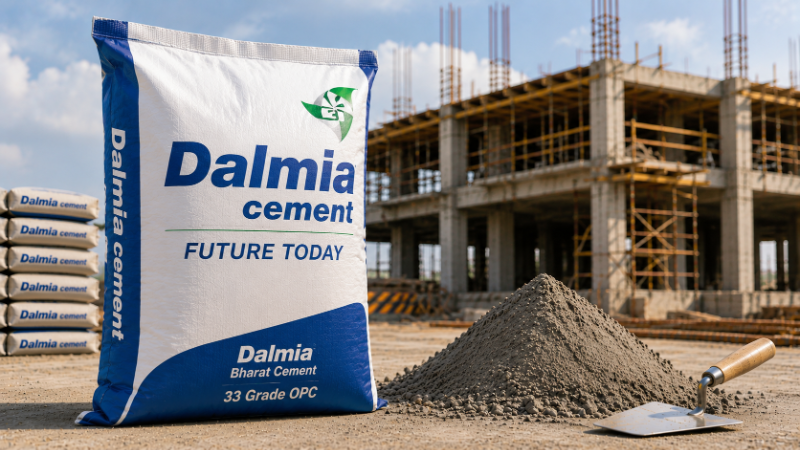
Price Range: ₹290-₹350 per 50 kg bag
Dalmia Cement has emerged as a strong competitor with competitive pricing and improving quality standards. They operate multiple plants across India with focus on South and East Indian markets.
Strengths: Competitive pricing, improving quality metrics, good strength development, and expanding distribution network. Their commitment to sustainability is noteworthy.
Best For: Mid-range construction projects, residential buildings, and applications where cost-efficiency is important.
6. JK Cement
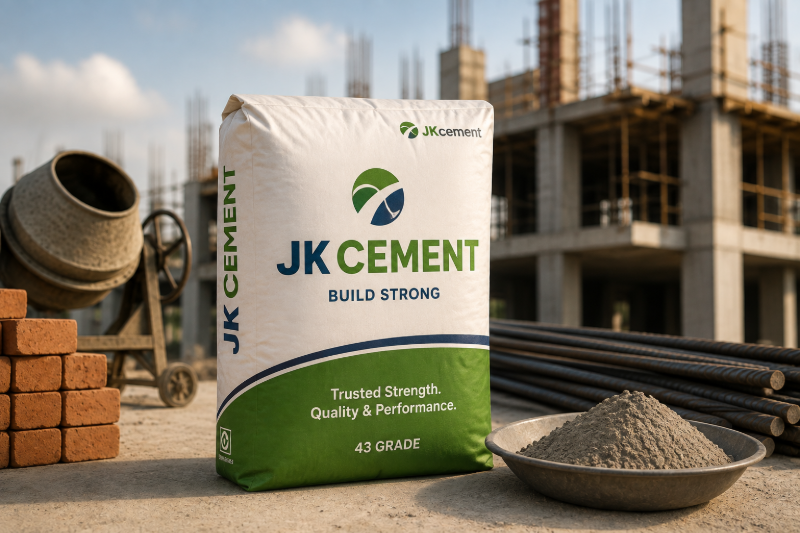
Price Range: ₹305-₹365 per 50 kg bag
JK Cement is a prominent player with significant presence in North and Central India. They're known for specialized cement products and strong technical support.
Strengths: Specialized cement grades for different applications, good technical assistance, excellent performance in varied climatic conditions, and competitive pricing.
Best For: Infrastructure projects, industrial applications, and construction in extreme weather conditions.
7. Birla Cement (Ultratech)
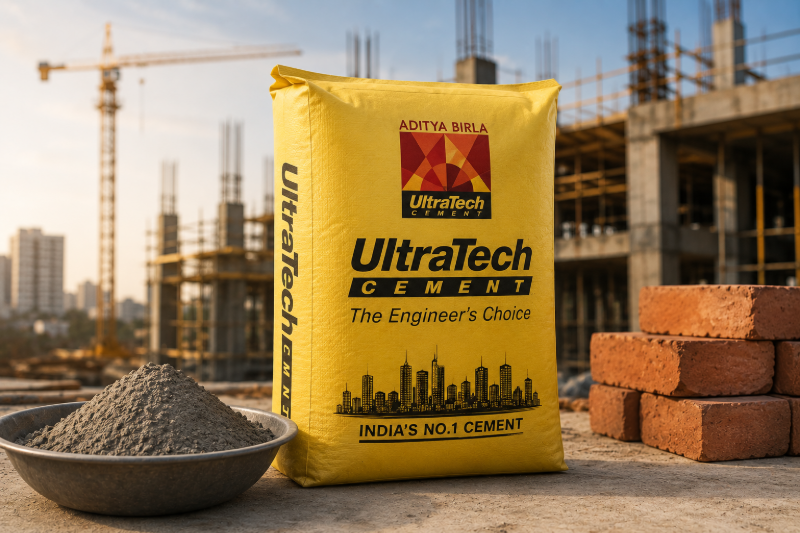
Price Range: ₹315-₹375 per 50 kg bag
Birla Cement operates under the Ultratech umbrella and maintains strong market presence with focus on quality and innovation.
Strengths: Consistent quality, good strength development, reliable performance, and strong brand backing.
Best For: Standard residential and commercial construction projects.
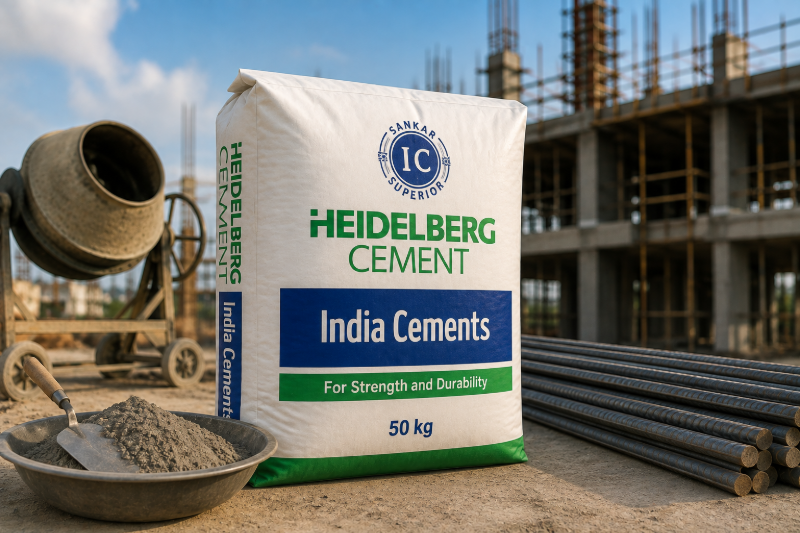
8. Heidelberg Cement (India Cement)
Price Range: ₹295-₹355 per 50 kg bag
India Cement Limited operates under Heidelberg Cement's global standards and maintains significant presence in South India.
Strengths: International quality standards, good consistency, competitive pricing, and strong technical expertise.
Best For: South Indian construction projects, industrial applications, and quality-conscious builders.
9. Ramco Cement
Price Range: ₹300-₹360 per 50 kg bag
Ramco Cement is known for quality and innovation with strong presence in South India and expanding presence in other regions.
Strengths: Good compressive strength, reliable quality, specialized products for different applications, and competitive pricing.
Best For: Residential and commercial construction in South India.
10. Lafarge Cement
Price Range: ₹320-₹380 per 50 kg bag
Lafarge operates with international standards and maintains premium positioning with focus on specialized products and technical support.
Strengths: International quality standards, specialized cement grades, excellent technical support, and strong sustainability initiatives.
Best For: Premium projects, specialized applications, and construction requiring international standards compliance.
Types of Cement and Their Applications
Ordinary Portland Cement (OPC) 43 Grade
OPC 43 Grade has compressive strength of 43 MPa at 28 days. It's the most commonly used cement in India and suitable for general construction work. Pricing typically ranges from ₹280-₹350 per bag.
Applications: Residential buildings, non-structural elements, plastering, and general masonry work.
Ordinary Portland Cement (OPC) 53 Grade
With 53 MPa compressive strength, OPC 53 Grade offers higher strength and is preferred for structural work. Priced at ₹320-₹390 per bag, it costs approximately ₹50-₹80 more than 43 Grade.
Applications: High-rise buildings, bridges, industrial structures, and heavy-duty applications.
Portland Pozzolana Cement (PPC)
PPC contains pozzolanic materials and offers better durability in aggressive environments. Priced at ₹290-₹360 per bag, it's particularly suitable for coastal areas and mass concrete work.
Applications: Coastal construction, mass concrete, dams, and applications requiring lower heat of hydration.
Portland Slag Cement (PSC)
PSC incorporates slag from iron manufacturing and offers excellent durability. It's ideal for underwater structures and aggressive chemical environments.
Applications: Underwater structures, sewage treatment plants, and chemically aggressive environments.
Factors to Consider When Choosing Cement
1. Compressive Strength Requirements
Different projects require different strength grades. High-rise buildings in cities like Mumbai, Delhi, and Bangalore typically require 53 Grade cement, while residential buildings often use 43 Grade. Understanding your structural requirements is essential before selecting cement.
2. Local Availability and Transportation Costs
Cement availability varies significantly across Indian regions. In North India, brands like Shree Cement and JK Cement dominate, while South India has strong presence of Ramco, India Cement, and Ambuja. Transportation from distant plants can add ₹30-₹50 per bag to your costs.
3. Climatic Conditions
For coastal projects in Mumbai, Goa, or Kerala, PPC or PSC cement offers better durability against salt water exposure. For inland areas with high temperatures like Delhi and Jaipur, OPC 53 Grade performs excellently. For regions with heavy rainfall, PPC provides superior water resistance.
4. Budget Constraints
While premium brands cost ₹50-₹100 more per bag, the difference in a typical residential building amounts to ₹10,000-₹25,000 on total cement costs. Evaluate whether premium quality justifies the additional expense for your specific project.
5. Supplier Reliability and Quality Assurance
Always purchase from authorized dealers and request quality certificates. Counterfeit cement is a significant problem in India. Verify bags for proper labeling, weight, and manufacturing date. Reputable brands sold through AECORD's verified supplier network offer better assurance.
6. Environmental and Sustainability Considerations
Many modern projects prioritize eco-friendly materials. PPC and PSC cements have lower carbon footprints compared to OPC. Brands like Dalmia and Shree Cement are increasingly focusing on sustainable production methods.
Regional Cement Price Variations
Cement prices in India vary significantly by region due to transportation costs and local supply dynamics. As of current market conditions:
North India (Delhi, NCR, Uttar Pradesh): ₹300-₹360 per bag
South India (Bangalore, Chennai, Hyderabad): ₹310-₹370 per bag
West India (Mumbai, Gujarat): ₹320-₹380 per bag
East India (Kolkata, Assam): ₹330-₹390 per bag
Coastal regions typically have higher prices due to transportation costs, while areas near cement manufacturing plants enjoy better pricing.
Quality Testing and Verification
Before purchasing large quantities, conduct basic quality checks:
Visual Inspection: Cement should be fine powder without lumps or discoloration
Feel Test: Rub cement between fingers; it should feel smooth, not gritty
Water Test: Mix cement with water; it should form a paste without separating
Strength Test: Conduct compressive strength tests at 7 and 28 days
Chemical Analysis: Verify compliance with Indian Standards (IS 269 for OPC, IS 1489 for PPC)
Always request third-party test certificates from your cement supplier. Reputable brands available through AECORD maintain strict quality standards and provide comprehensive documentation.
Cost Estimation for Typical Projects
For a typical 1,500 sq ft residential building in India, you'll require approximately 80-100 bags of cement. At average pricing of ₹350 per bag, your cement costs would be ₹28,000-₹35,000. For commercial projects, cement requirements increase proportionally based on structural complexity.
Budget an additional 5-10% for wastage and contingencies. Bulk purchasing often attracts discounts of 2-5% from authorized dealers.
Expert Recommendations by Project Type
Residential Buildings
For standard residential construction, Ultratech, Ambuja, or Shree Cement offer excellent value. OPC 43 Grade is typically sufficient for single-family homes, while multi-story buildings benefit from 53 Grade cement.
Commercial Complexes
Premium brands like ACC or Lafarge paired with OPC 53 Grade ensure durability and compliance with commercial building codes. The premium investment is justified by long-term performance.
Coastal Construction
Ambuja and Dalmia PPC cements are specifically recommended for coastal projects in Mumbai, Goa, and Kerala due to superior salt water resistance.
Infrastructure Projects
Large-scale infrastructure requires specialized cements. JK Cement and Shree Cement offer excellent options for mass concrete applications with competitive bulk pricing.
Finding Quality Cement Suppliers
Selecting the right cement is only half the battle; sourcing from reliable suppliers is equally important. AECORD connects you with verified cement suppliers across India who maintain quality standards and offer competitive pricing. Through AECORD's platform, you can compare prices, specifications, and supplier credentials before making purchase decisions.
AECORD's network of trusted suppliers ensures authentic products, proper documentation, and reliable delivery schedules—critical factors for project success.
Conclusion
Selecting the best cement for your construction project requires balancing quality, cost, availability, and application-specific requirements. While premium brands like Ultratech, ACC, and Ambuja command higher prices, mid-range options like Shree Cement and Dalmia offer excellent value without compromising structural integrity.
Consider your project's specific needs—whether it's a residential building in Bangalore, a commercial complex in Delhi, or a coastal infrastructure project in Mumbai—and match it with the appropriate cement grade and brand. Always verify quality through proper testing and source from authorized dealers.
To find verified cement suppliers in your region and compare prices and specifications, explore AECORD's comprehensive supplier network. Connect with trusted professionals who can guide you through cement selection based on your project requirements and local market conditions. Whether you need bulk quantities or specialized cement products, AECORD helps you make informed decisions that balance quality, cost, and project timelines.