

Bathroom Interior Design Checklist: A Comprehensive Guide for Indian Homeowners
Bathroom design is often overlooked in home renovation projects, yet it's one of the most frequently used spaces in any home. A well-designed bathroom not only enhances your daily routine but also adds significant value to your property. Whether you're renovating an existing bathroom or designing a new one, having a comprehensive checklist ensures you don't miss critical elements that impact functionality, aesthetics, and durability.
In India, bathroom design presents unique challenges and opportunities. From managing moisture in humid climates to complying with local building codes, there are several factors to consider. This guide provides a detailed checklist to help you create a bathroom that's both beautiful and practical.
Build cost · Bengaluru, May 2026
Space Planning and Layout
Assess Your Available Space
Before diving into design decisions, measure your bathroom accurately. Note the dimensions of walls, windows, and doors. In Indian homes, bathrooms range from compact 4x6 feet spaces in apartments to larger 8x10 feet layouts in independent houses. Understanding your exact dimensions helps you plan fixture placement and avoid costly mistakes during installation.
Consider the traffic flow within the bathroom. Ideally, the toilet should be positioned away from the main entry point, while the sink should be easily accessible. The shower or bathtub should have adequate clearance for safe entry and exit, particularly important in Indian homes where elderly family members often share bathrooms.
Plan for Accessibility
Even if you're not currently designing for accessibility, building in features now prevents costly renovations later. Ensure doorways are at least 32 inches wide, and leave space for grab bars near the toilet and shower. According to Indian building standards, bathrooms should accommodate safe movement for all users.
Frequently asked
Ventilation Requirements
Proper ventilation is crucial in Indian bathrooms, especially in humid coastal areas like Mumbai, Chennai, and Bangalore. Plan for either a window or an exhaust fan. If installing an exhaust fan, position it near the shower area and ensure ducting leads outside, not into the attic. The fan should have a capacity of at least 50-100 CFM (cubic feet per minute) for residential bathrooms.
Fixtures and Fittings Selection
Toilet Selection
Choose between Western water closets and Indian-style squatting pans based on your preference and space constraints. Modern dual-flush toilets help conserve water, an important consideration in water-scarce Indian cities. Expect to spend between ₹5,000 to ₹25,000 for quality ceramic toilets, with premium options like smart toilets costing ₹40,000 and above.
Ensure proper slope for drainage and maintain at least 15 inches clearance from the center of the toilet to adjacent walls. Consider installing a bidet or bidet seat for enhanced hygiene and comfort.
Sink and Vanity Design
Select a sink size appropriate for your bathroom dimensions. Wall-mounted sinks save space in smaller bathrooms, while pedestal sinks offer a classic look. Vanity units with storage are popular in Indian homes, providing much-needed space for toiletries and towels. Budget ₹8,000 to ₹30,000 for quality sinks and vanities.
Ensure the sink height is between 32-36 inches from the floor for comfortable use. Install the faucet at least 4 inches above the sink rim to allow for proper hand washing.
Shower and Bathing Solutions
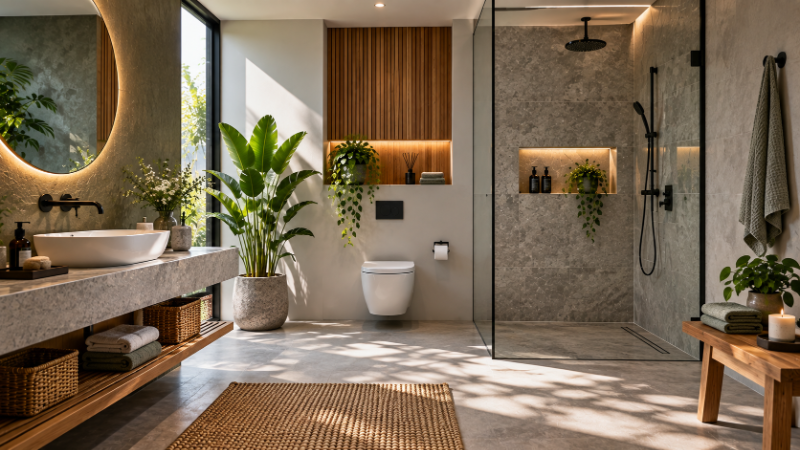
Decide between a shower stall, bathtub, or combination. In India's urban apartments, shower stalls are most common due to space constraints. If including a bathtub, ensure adequate space (minimum 5x8 feet for comfortable bathing) and proper drainage. Modern rainfall showerheads and thermostatic mixers enhance comfort and safety.
Install anti-slip flooring in wet areas and consider a shower enclosure with tempered glass or ceramic tiles to prevent water splashing into the rest of the bathroom. Budget ₹15,000 to ₹50,000 for quality shower fixtures.
Flooring and Wall Surfaces
Flooring Material Selection
Bathroom floors must withstand moisture, frequent cleaning, and heavy foot traffic. Popular options in India include:
Ceramic and Porcelain Tiles: Most popular choice, durable, water-resistant, and available in various designs. Prices range from ₹200 to ₹1,000 per square foot.
Vitreous Glass Tiles: Excellent water resistance, though can be slippery.
Natural Stone: Marble and granite offer elegance but require regular sealing. Costs ₹300 to ₹2,000 per square foot.
Anti-slip Tiles: Essential for safety, especially in Indian homes with elderly members.
Always use waterproof adhesive and grout. Apply a waterproofing membrane before tiling, particularly important in areas prone to heavy rainfall like Kerala and the Northeast.
Wall Finishes
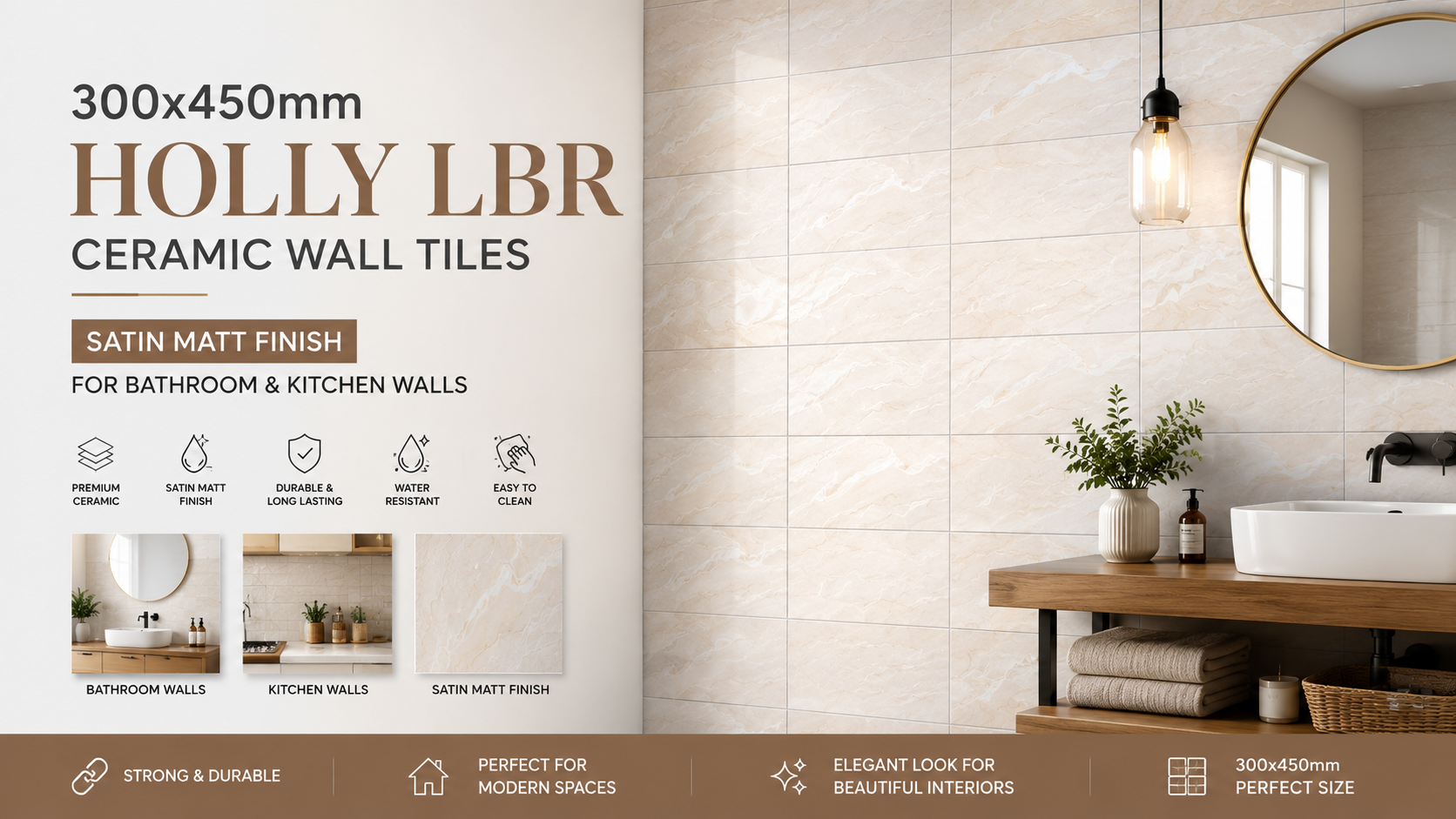
Bathroom walls require moisture-resistant finishes. Ceramic tiles remain the most practical choice for wet areas. For dry areas, consider:
Waterproof paint designed for bathrooms
Textured finishes that hide moisture marks
Tile wainscoting with paint above
In shower areas, tile the walls at least 6 feet high. Use large-format tiles to minimize grout lines, reducing moisture infiltration and maintenance requirements.
Lighting Design
Task Lighting
Install adequate lighting around the mirror and vanity for grooming tasks. A minimum of 150 watts of lighting is recommended. Ideally, position lights on both sides of the mirror at eye level to minimize shadows.
Ambient Lighting
General overhead lighting should be bright enough for cleaning and maintenance. Recessed ceiling lights or moisture-resistant flush mounts work well. Consider dimmable options for ambiance and energy savings.
Safety Considerations
All electrical fixtures in bathrooms must comply with Indian electrical codes. Install GFCI (Ground Fault Circuit Interrupter) outlets to prevent electrical hazards from moisture. Keep electrical outlets at least 3 feet from water sources, or use IP65-rated waterproof outlets in wet areas.
Color and Aesthetics
Color Selection Strategy
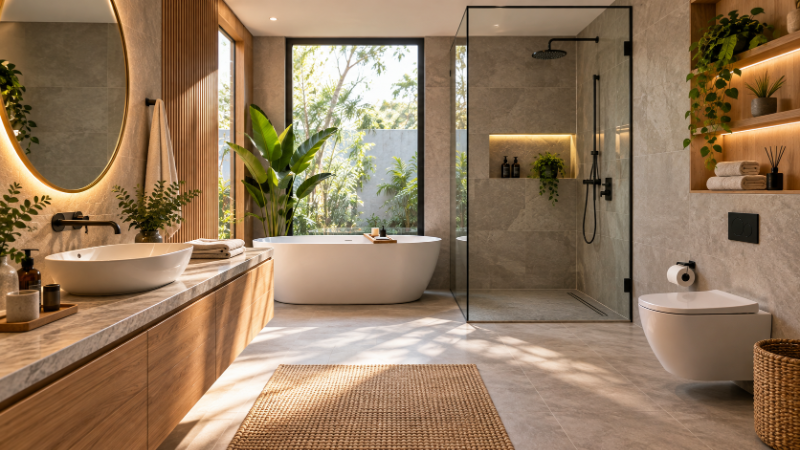
Light colors make small bathrooms appear larger, while darker tones create sophistication in spacious bathrooms. White, cream, and soft gray are timeless choices that work across design styles. Consider accent colors through accessories, which can be easily changed without major renovations.
In India, traditional designs often incorporate warm earth tones and patterns inspired by local architecture. Contemporary designs favor minimalist palettes with clean lines.
Pattern and Texture
Use patterns strategically to avoid overwhelming the space. A patterned tile accent wall or floor border can add visual interest without making the bathroom feel cramped. Mix matte and glossy finishes to create depth and reduce monotony.
Storage Solutions
Built-in Storage
Maximize bathroom functionality with adequate storage. Built-in shelving above the toilet, under-sink cabinets, and wall-mounted medicine cabinets keep toiletries organized and off countertops. In Indian homes where multiple family members share bathrooms, sufficient storage prevents clutter and maintains cleanliness.
Towel and Accessory Placement
Install towel bars at 48 inches height and ensure they're securely mounted to support weight. Include hooks for robes and daily towels. Designate spaces for soap dispensers, toothbrush holders, and other essentials.
Water and Energy Efficiency
Water Conservation Fixtures
In a country facing water scarcity, installing water-efficient fixtures is both environmentally responsible and economically smart. Choose:
Dual-flush toilets that save 30-50% water compared to traditional models
Low-flow showerheads (2 GPM or less) without sacrificing pressure
Aerating faucets that reduce water consumption
These fixtures typically cost 10-20% more initially but pay for themselves through reduced water bills within 2-3 years.
Energy Efficiency
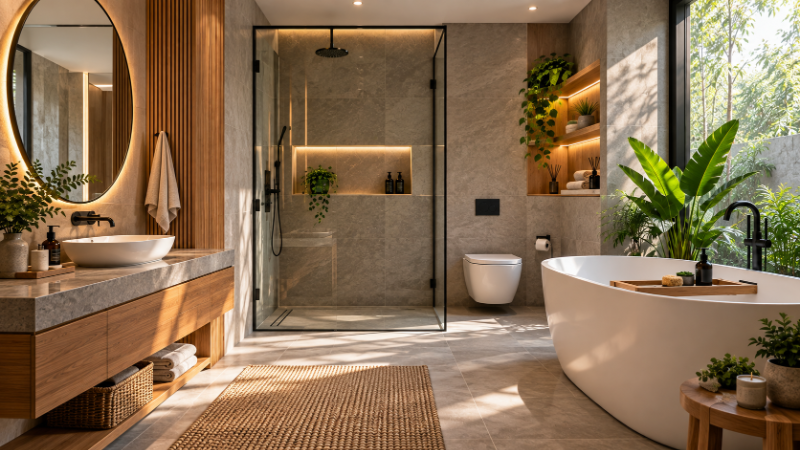
Install LED lighting throughout the bathroom to reduce electricity consumption. Consider tankless water heaters or solar water heating systems, increasingly popular in Indian cities like Delhi, Pune, and Hyderabad. These reduce energy costs significantly over time.
Ventilation and Moisture Management
Exhaust Fan Installation
A properly sized and installed exhaust fan is essential for preventing mold and mildew. The fan should run for at least 20-30 minutes after showers. In humid Indian climates, dual exhaust fans or high-capacity units may be necessary.
Humidity Control
Beyond mechanical ventilation, ensure proper drainage and use moisture-resistant materials. Seal gaps around pipes and fixtures to prevent water infiltration into walls. In areas prone to dampness, consider a dehumidifier during monsoon seasons.
Safety Features
Slip Prevention
Install anti-slip tiles or mats in shower areas and near the sink. This is particularly important in Indian homes with children and elderly residents.
Grab Bars and Handrails
Install grab bars near the toilet and in the shower, mounted securely into wall studs. These prevent falls and provide stability, essential for safe bathroom use across all age groups.
Proper Drainage
Ensure all drains are properly sloped and sized. In India's heavy monsoon regions, oversized drains prevent water backing up into the bathroom during heavy rainfall.
Budget Planning and Cost Considerations
Budget Breakdown
A typical bathroom renovation in Indian cities costs between ₹2,00,000 to ₹10,00,000, depending on size and materials. Here's a rough breakdown:
Fixtures and fittings: 30-40%
Tiles and flooring: 20-30%
Labor and installation: 20-25%
Lighting and electrical: 5-10%
Contingency: 10-15%
Cost-Saving Tips
Consider mixing premium and budget-friendly materials. Invest in durable fixtures that won't need replacement, but save on decorative elements. Bulk purchasing tiles and fixtures can reduce costs by 10-15%. When working with professionals on platforms like AECORD, you can get multiple quotes and compare pricing effectively.
Hiring Professionals and Project Management
When to Hire Experts
While some homeowners attempt DIY bathroom projects, professional installation ensures proper waterproofing, electrical compliance, and longevity. Plumbers, electricians, and tile specialists should all be licensed and experienced with bathroom renovations.
Finding reliable professionals is crucial. AECORD connects homeowners with vetted architects, interior designers, and contractors experienced in bathroom design across Indian cities. Whether you're in Mumbai, Bangalore, Delhi, or smaller cities, AECORD helps you find qualified professionals who understand local building codes and climate considerations.
Timeline and Project Management
A typical bathroom renovation takes 3-8 weeks, depending on complexity and size. Plan for potential delays due to material availability or unexpected structural issues. Maintain clear communication with contractors and ensure all work meets Indian building standards and your local municipal requirements.
Final Checklist Before Construction
Before starting your bathroom renovation, verify:
All necessary permits obtained from local authorities
Plumbing and electrical plans reviewed and approved
Waterproofing specifications documented
All fixtures and materials procured and inspected
Contractor insurance and licenses verified
Timeline and payment schedule agreed upon
Contingency budget allocated (10-15% of total cost)
Conclusion
Designing a bathroom requires careful consideration of functionality, aesthetics, safety, and budget. By following this comprehensive checklist, you'll create a space that serves your needs for years to come. Remember that bathroom design is highly personal—what works for one family may not suit another. Consider your household's specific needs, local climate conditions, and long-term plans when making decisions.
If you're planning a bathroom renovation in India, don't hesitate to consult professionals. Whether you need an interior designer to create a cohesive aesthetic, a plumber to ensure proper installation, or a contractor to oversee the entire project, AECORD makes it easy to find qualified professionals. Browse experienced bathroom designers and contractors on AECORD to get started on your dream bathroom today. With the right team and proper planning, your bathroom renovation will be a smooth, successful project that enhances your home's value and your daily living experience.