

Understanding House Construction Costs in India 2026
The Indian construction industry is experiencing significant transformation as we move through 2026. Property owners, developers, and investors are navigating a complex landscape of material inflation, labor market shifts, and evolving regulatory requirements. Understanding the average house construction cost per square foot has become essential for anyone planning a residential project in India.
Construction costs in India vary dramatically across different regions, with metropolitan areas commanding premium rates compared to tier-2 and tier-3 cities. The average construction cost in 2026 ranges from ₹800 to ₹3,500 per square foot, depending on location, quality standards, and project specifications. This significant variation reflects the diverse economic landscape across Indian cities and the impact of localized market conditions.
Build cost · Bengaluru, May 2026
Regional Breakdown of Construction Costs Across Indian Metros
Mumbai and Metropolitan Region
Mumbai remains India's most expensive construction market, with average costs reaching ₹2,800 to ₹3,500 per square foot for quality residential construction. The city's high land prices, stringent building regulations, and robust material supply chains contribute to these elevated costs. Projects in prime locations like Bandra, Worli, and South Mumbai command even higher premiums, sometimes exceeding ₹4,000 per square foot.
The Mumbai Metropolitan Region (MMR), including areas like Thane, Navi Mumbai, and Pune, offers relatively better value at ₹1,800 to ₹2,400 per square foot. This 30-40% cost advantage has driven significant residential development in these satellite cities, making them attractive for budget-conscious developers and homebuyers.
Delhi-NCR Region
The National Capital Region presents varied construction economics across its sprawling geography. Central Delhi areas command rates of ₹2,200 to ₹3,000 per square foot, while peripheral areas like Greater Noida, Ghaziabad, and Noida offer construction at ₹1,200 to ₹1,800 per square foot. This 50% cost differential has made satellite towns increasingly popular for middle-income housing projects.
The Delhi-NCR region has seen increased standardization in construction practices, which has helped stabilize costs compared to previous years. However, compliance with the National Building Code and local municipal regulations adds approximately 8-12% to overall project costs.
Frequently asked
Bangalore and Southern Metros
Bangalore's construction costs range from ₹1,600 to ₹2,800 per square foot, reflecting the city's status as a major IT hub with strong demand for quality residential spaces. Hyderabad and Pune offer more competitive rates at ₹1,200 to ₹2,000 per square foot, making them attractive alternatives for developers seeking better margins.
Chennai's construction market operates at ₹1,000 to ₹1,800 per square foot, benefiting from lower land costs and competitive labor rates. The southern states' favorable climate conditions also reduce the need for expensive climate control systems in residential projects.
Tier-2 and Tier-3 Cities
Secondary cities like Indore, Lucknow, Jaipur, and Coimbatore offer construction costs in the range of ₹800 to ₹1,400 per square foot. These cities present significant opportunities for developers targeting middle-income segments, though they come with challenges related to material procurement and specialized labor availability.
Material Cost Inflation Trends in 2026
Steel and Cement Dynamics
Steel and cement constitute approximately 25-30% of total construction costs, making their price movements critical to project economics. In 2026, cement prices have stabilized around ₹6,500 to ₹7,200 per metric ton, reflecting balanced supply and demand dynamics. The increased capacity from new cement plants across India has helped moderate price escalation compared to previous years.
Steel prices, however, remain volatile, fluctuating between ₹55,000 and ₹65,000 per metric ton based on global commodity markets and domestic demand. Projects requiring significant steel reinforcement, particularly in high-rise residential construction, face additional cost pressures. Developers are increasingly exploring alternatives like composite materials and advanced reinforcement techniques to optimize steel consumption.
Aggregates and Concrete Mix
Sand and gravel costs have increased substantially, with river sand now commanding ₹1,200 to ₹1,800 per cubic meter in major metros. Environmental regulations restricting sand mining have created supply constraints, particularly in coastal regions. Many contractors are transitioning to manufactured sand, which costs slightly less but requires additional processing.
Ready-mix concrete (RMC) has become standard in urban construction, priced at ₹5,000 to ₹6,500 per cubic meter depending on grade and location. The use of RMC improves quality control and reduces labor costs, making it economically viable despite higher material costs compared to site-mixed concrete.
Finishing Materials and Fixtures
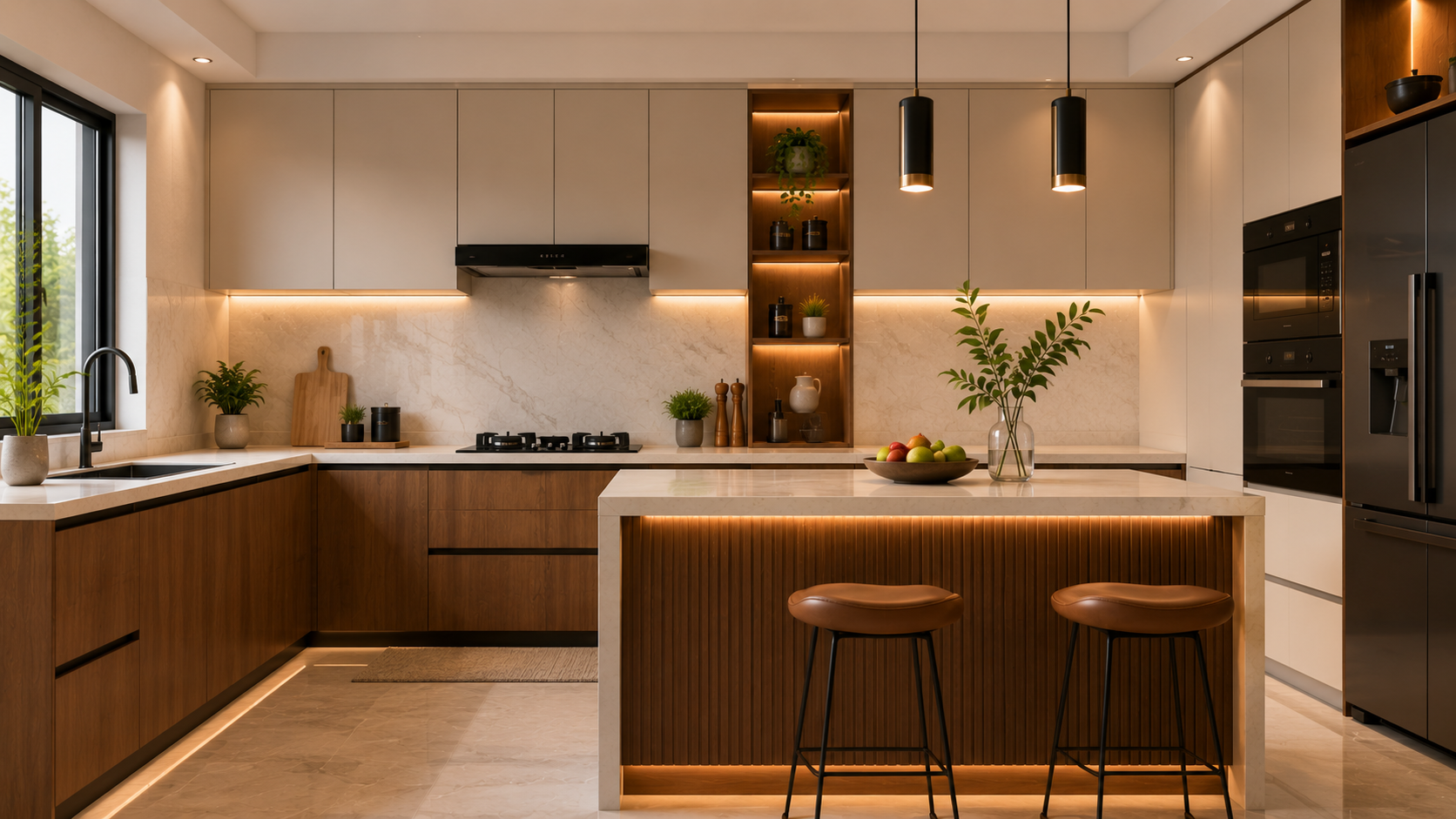
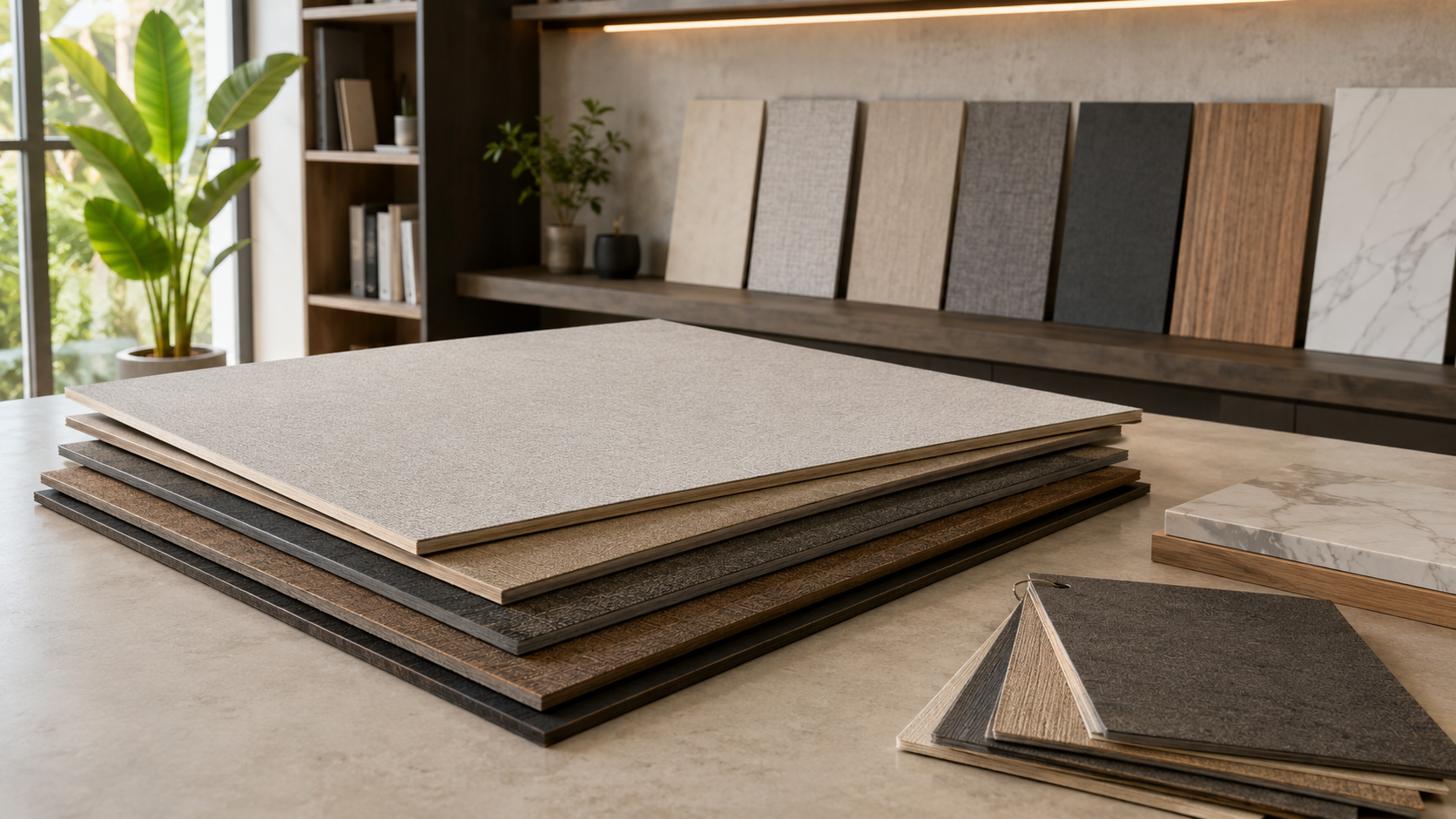
Finishing materials represent 15-20% of construction costs and have seen significant price variation in 2026. Ceramic tiles range from ₹400 to ₹1,200 per square meter, while premium imported tiles exceed ₹2,000 per square meter. Paint costs have remained relatively stable at ₹500 to ₹800 per liter, though premium finishes command higher premiums.
Plumbing fixtures and electrical components have experienced moderate inflation, with basic fittings costing 8-12% more than 2024 levels. Imported fixtures, popular in premium residential segments, have been affected by currency fluctuations and customs duties, adding 15-25% to costs.
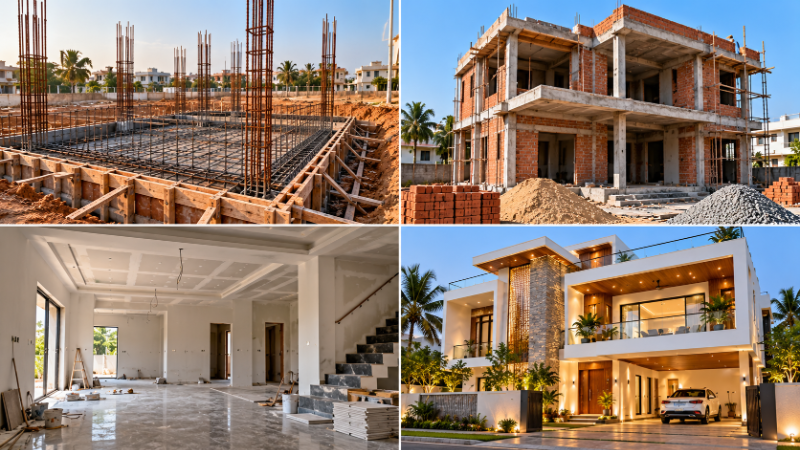
Labor Market Shifts and Wage Dynamics
Skilled Labor Availability
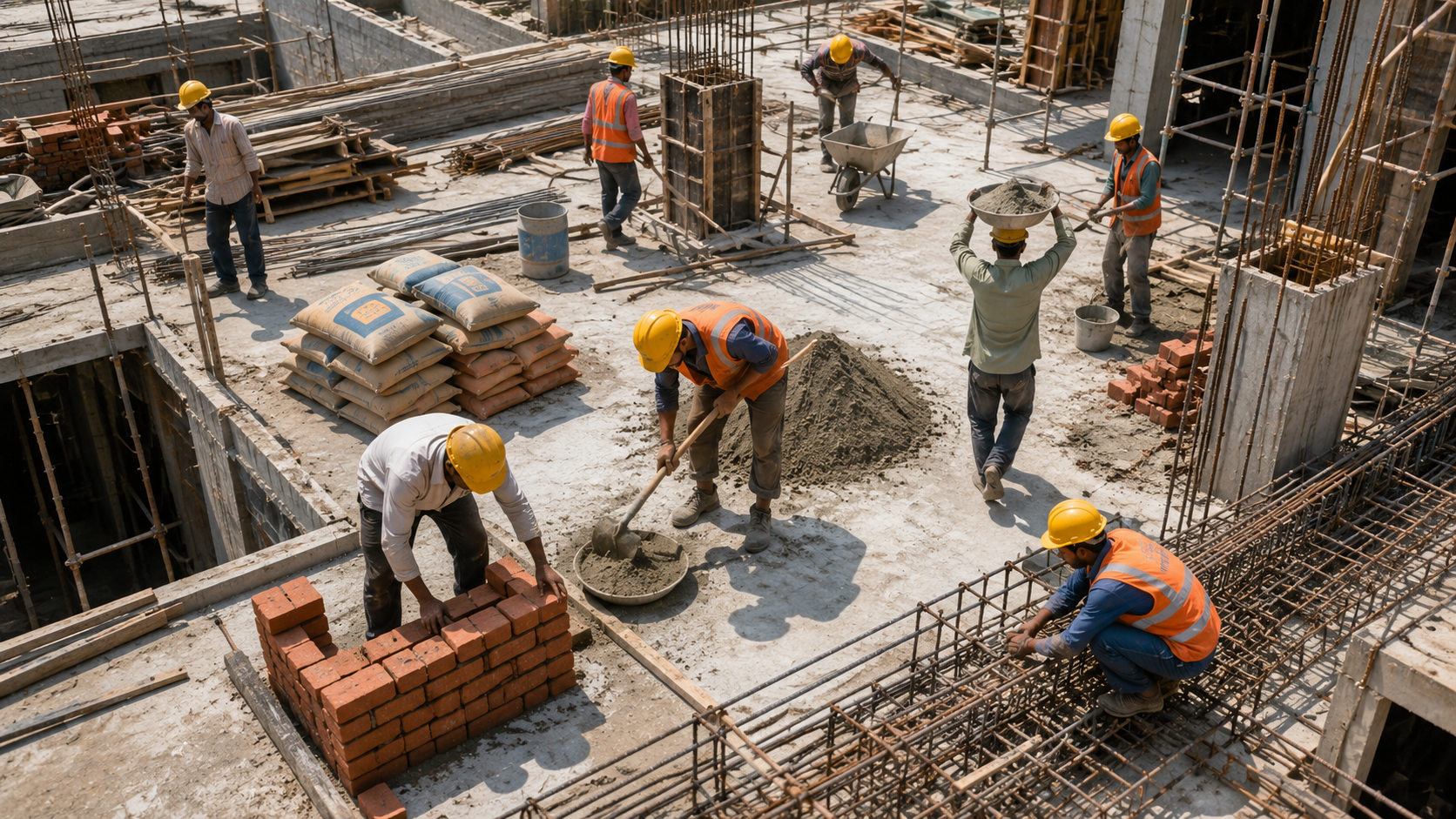
The construction industry faces a critical shortage of skilled workers, particularly in specialized trades like plumbing, electrical work, and finishing. Skilled labor costs have increased by 15-20% since 2024, with experienced masons commanding ₹800 to ₹1,200 per day in major metros. Semi-skilled workers earn ₹500 to ₹800 daily, while unskilled laborers receive ₹400 to ₹600 per day.
This wage inflation reflects migration patterns, with workers preferring manufacturing and service sector jobs that offer better working conditions and year-round employment. Construction projects now typically allocate 25-35% of budgets to labor costs, up from 20-25% in previous years.
Productivity and Efficiency Improvements
To counter labor cost inflation, many developers are adopting construction technology solutions. Prefabrication, modular construction techniques, and Building Information Modeling (BIM) are improving project efficiency by 10-15%. These approaches reduce labor requirements and project timelines, partially offsetting wage increases.
Large developers working through platforms like AECORD are increasingly connecting with specialized contractors who implement these modern methodologies, helping optimize labor utilization across projects.
Cost Breakdown: Typical Residential Construction Project
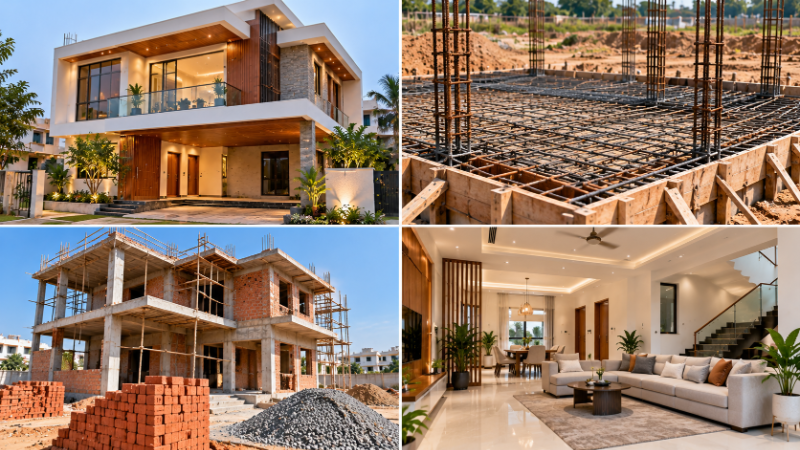
Foundation and Structural Work (30-35%)
This phase includes excavation, foundation work, and structural frame construction. Costs vary significantly based on soil conditions and basement requirements. In areas with challenging soil conditions like Bangalore and Pune, foundation work can consume up to 40% of structural costs. Typical rates range from ₹250 to ₹400 per square foot for this phase.
Superstructure and Finishing (40-45%)
Walls, flooring, roofing, and finishing work constitute the largest cost component. This includes masonry, plastering, tile work, painting, and installation of doors and windows. Costs typically range from ₹350 to ₹600 per square foot, depending on quality standards and finish specifications.
Mechanical and Electrical Systems (15-20%)
Plumbing, electrical, HVAC, and fire safety systems account for significant project costs. In 2026, these systems cost approximately ₹150 to ₹300 per square foot. Premium residential projects incorporating smart home technology can see these costs increase to ₹400-500 per square foot.
Miscellaneous and Contingency (5-10%)
This includes site management, safety measures, quality assurance, and unforeseen contingencies. Allocating 5-10% of total project cost for contingencies is standard practice, protecting against price escalations and unexpected site conditions.
Quality Standards and Their Impact on Costs
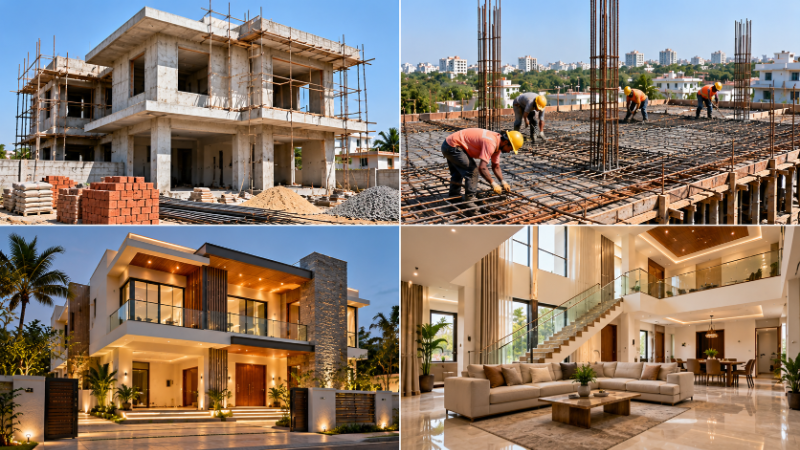
Budget Construction (₹800-₹1,200 per sq ft)
Budget housing focuses on basic functionality with minimal finishing. These projects use standard materials, simple designs, and efficient construction methods. They're ideal for affordable housing schemes and first-time homebuyers. Quality control is adequate but not premium, and architectural features are kept minimal.
Mid-Range Construction (₹1,500-₹2,200 per sq ft)
This segment offers better quality finishes, improved material standards, and more thoughtful design. Projects include better plumbing fixtures, quality tiles, and branded electrical components. This is the most popular segment in Indian residential construction, balancing quality and affordability.
Premium Construction (₹2,500-₹3,500+ per sq ft)
Premium projects feature high-quality materials, sophisticated designs, advanced amenities, and superior finishing. These include imported fixtures, designer flooring, smart home systems, and premium architectural elements. Construction timelines are typically longer due to quality control requirements and specialized work.
Regulatory Compliance and Hidden Costs
Building Permits and Approvals
Obtaining necessary approvals from municipal authorities, fire departments, and environmental agencies adds 2-4% to project costs. In major metros like Mumbai and Delhi, compliance with building codes and regulations requires specialized expertise and can delay project timelines.
Environmental and Safety Compliance
Implementing waste management systems, dust control measures, and safety protocols adds ₹50 to ₹150 per square foot to project costs. Green building certifications like IGBC or LEED add 5-8% to construction costs but provide long-term operational savings.
Infrastructure and Connectivity
Connection to municipal water, sewage, and power systems involves costs that vary by location. Projects in developing areas may require substantial infrastructure development, adding ₹100 to ₹300 per square foot to project costs.
Strategies to Optimize Construction Costs
Material Planning and Procurement
Bulk purchasing and advance procurement of materials can reduce costs by 5-10%. Developers should establish relationships with reliable suppliers and negotiate favorable terms based on project scale and timeline.
Workforce Management
Retaining skilled workers throughout project duration reduces training costs and improves productivity. Many successful projects maintain core teams of experienced workers, supplemented with additional labor as needed.
Technology Integration
Implementing project management software, drone surveys, and digital documentation reduces administrative overhead and improves decision-making. These technologies typically reduce project timelines by 8-12%, translating to significant cost savings.
Design Optimization
Working with experienced architects and engineers during planning stages helps optimize designs for cost-efficiency without compromising quality. Standardized unit designs and reduced architectural complexity can reduce construction costs by 10-15%.
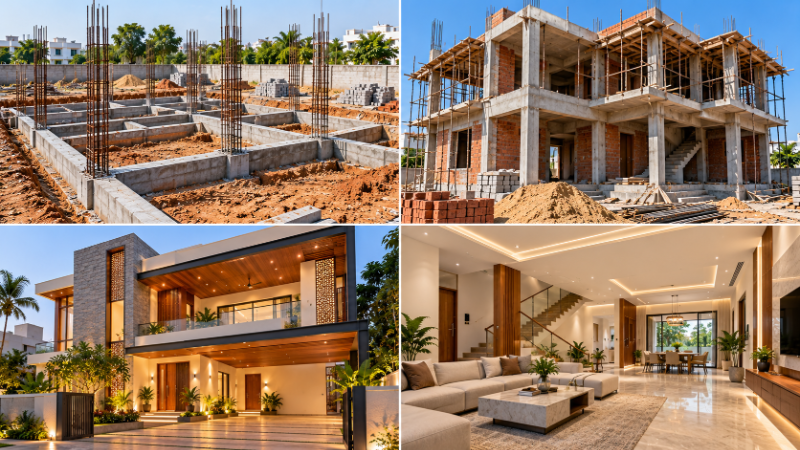
Future Cost Projections and Market Outlook
Construction costs are expected to continue gradual inflation of 4-6% annually through 2026, driven by material price increases and labor cost escalation. However, technological adoption and improved efficiency may moderate these increases in projects utilizing modern construction methodologies.
The Indian government's focus on affordable housing and infrastructure development is creating demand for cost-effective construction solutions. This trend is encouraging innovation in construction techniques and material science, potentially offering new cost optimization opportunities.
Finding the Right Construction Partner
Selecting experienced contractors and consultants is crucial for cost management and quality assurance. Professionals on AECORD bring diverse expertise in various construction segments and regional markets, helping project owners make informed decisions about cost allocation and quality standards.
Whether you're planning a residential project in Mumbai, Delhi, Bangalore, or any other Indian city, connecting with qualified professionals through AECORD ensures access to current market knowledge, proven methodologies, and reliable execution partners. The platform's network of architects, engineers, contractors, and consultants specializes in optimizing construction costs while maintaining quality standards.
Conclusion
Average house construction costs in India for 2026 reflect a dynamic market shaped by material inflation, labor market changes, and technological advancement. Understanding regional variations, quality standards, and cost components is essential for successful project planning. By leveraging professional expertise available through AECORD, project owners can navigate these complexities effectively, optimize their budgets, and achieve their residential construction goals within planned timelines and cost parameters.
Ready to plan your construction project? Connect with experienced architects, engineers, and contractors on AECORD today to get accurate cost estimates, quality assurance, and reliable execution for your residential project.