

Architectural Strategies Shaping Future School Design
The landscape of educational infrastructure in India is undergoing a significant transformation. As we move forward, schools are no longer just buildings with classrooms and playgrounds. They are becoming dynamic learning ecosystems designed to foster creativity, collaboration, and holistic development. Modern architectural strategies are playing a crucial role in shaping how educational spaces are conceived, designed, and constructed across the country.
From bustling metros like Mumbai and Bangalore to tier-2 cities like Pune and Ahmedabad, educational institutions are embracing innovative design principles that align with contemporary pedagogical approaches. This comprehensive guide explores the architectural strategies that are defining the future of school design in India, with practical insights for architects, educators, and construction professionals.
Build cost · Bengaluru, May 2026
The Evolution of School Architecture in India
Traditional school design in India followed a fairly standardized approach: rows of rectangular classrooms, a central corridor, and minimal consideration for natural light or ventilation. However, this model is rapidly becoming obsolete. Modern educational research demonstrates that the physical environment significantly impacts student learning outcomes, concentration levels, and overall well-being.
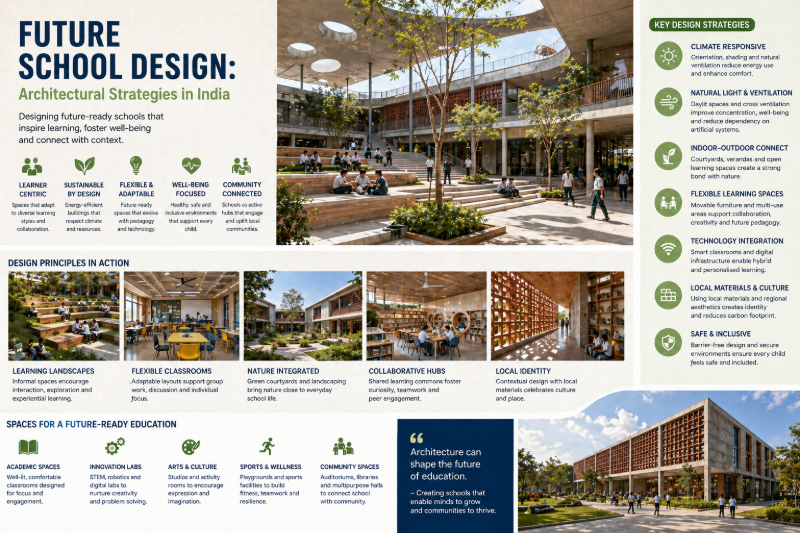
Contemporary school architecture now prioritizes:
Flexibility and adaptability: Spaces that can transform based on different learning methodologies
Sustainability: Energy-efficient designs that reduce operational costs
Student well-being: Spaces that promote mental health, physical activity, and social interaction
Technology integration: Infrastructure that supports digital learning and hybrid education models
Community engagement: Spaces that serve as community hubs beyond school hours
This shift reflects a broader understanding that school buildings are not static structures but living, breathing environments that directly influence educational outcomes.
Parametric Design: Revolutionizing School Architecture
Parametric architecture represents one of the most significant innovations in contemporary school design. Unlike traditional design approaches where architects make fixed decisions about dimensions, materials, and layouts, parametric design uses algorithms and computational methods to generate multiple design solutions based on specific parameters and constraints.
What is Parametric Design?
Parametric design involves creating relationships between different design elements. When one parameter changes, all related elements adjust automatically, allowing architects to explore thousands of design variations quickly. For school buildings, this means testing how changes in classroom size, window placement, or ventilation systems affect overall functionality and cost-efficiency.
Frequently asked
Applications in School Design
Optimized Classroom Layouts: Parametric tools help determine ideal classroom dimensions based on student-to-teacher ratios, teaching methodologies, and furniture arrangements. In Indian schools where space is often at a premium—particularly in urban areas—these tools maximize usable area while maintaining comfort.
Natural Lighting Optimization: By parameterizing window sizes, orientations, and external shading devices, architects can create designs that maximize natural light while minimizing heat gain. This is particularly important in Indian climates where excessive solar radiation increases cooling costs. Schools in cities like Delhi, Mumbai, and Hyderabad can reduce electricity consumption by 30-40% through optimized daylighting strategies.
Ventilation and Air Quality: Post-pandemic, air quality has become paramount. Parametric design helps determine optimal ventilation rates, duct placements, and natural cross-ventilation possibilities. For schools in pollution-prone cities like Delhi and NCR regions, integrated filtration systems designed parametrically ensure healthier indoor environments.
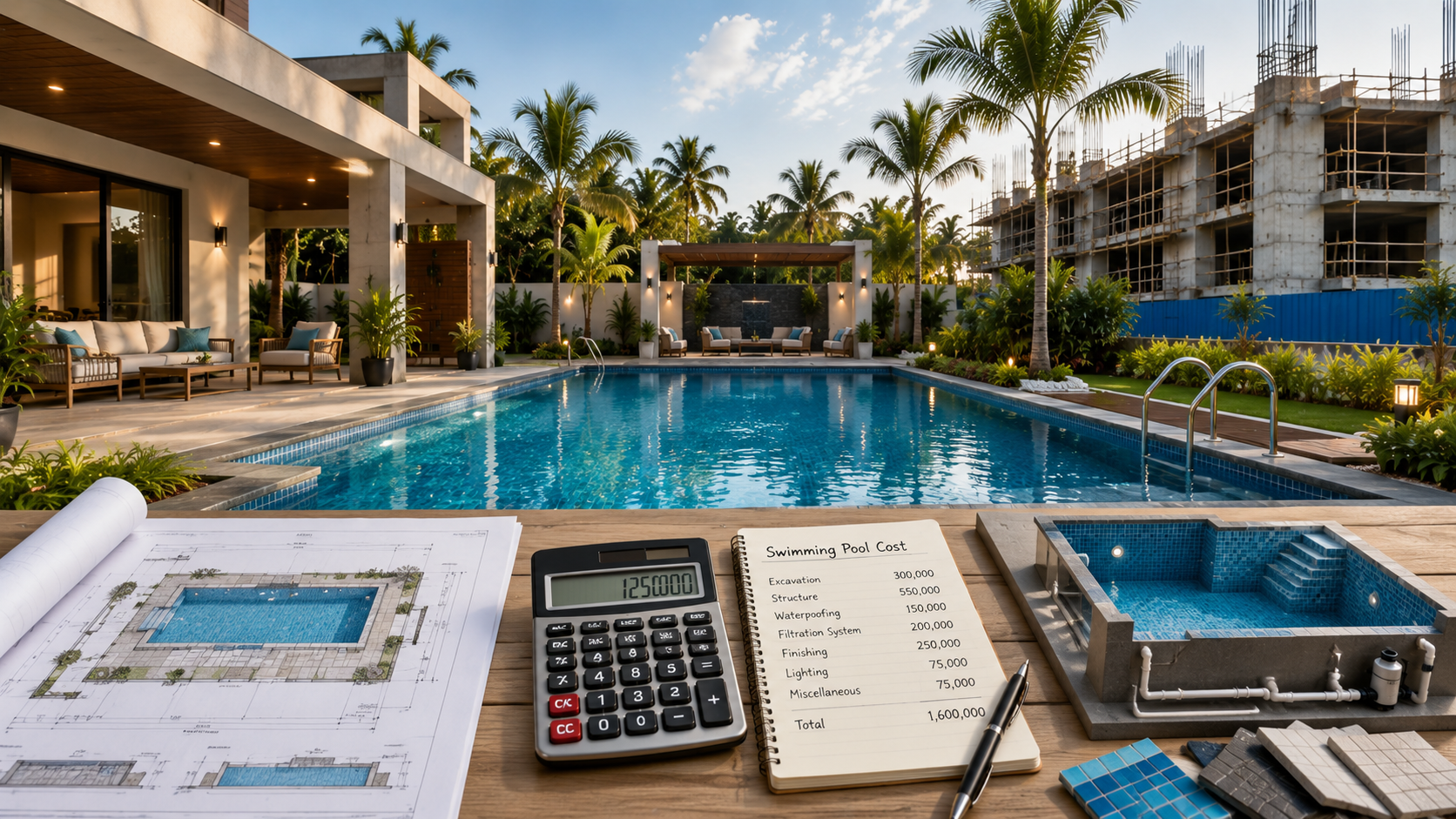
Cost Optimization: Parametric analysis allows architects to test multiple design scenarios against budget constraints. For instance, varying material choices, structural systems, or building heights can be evaluated against construction costs in INR, helping clients understand the financial implications of design decisions.
Flexible Learning Spaces: The New Classroom Standard
Moving Beyond Traditional Classrooms
Modern pedagogical approaches emphasize collaborative learning, project-based education, and interdisciplinary studies. Traditional fixed classrooms with bolted-down furniture don't support these methodologies. Forward-thinking schools across India are adopting flexible learning environments with:
Movable partition walls that can reconfigure spaces within minutes
Modular furniture that adapts to different learning activities
Multi-purpose zones that serve as classrooms, collaborative spaces, and exhibition areas
Outdoor learning environments integrated with indoor spaces
Schools in Bangalore and Pune have pioneered these approaches, with institutions like those following progressive curricula investing in open-plan learning neighborhoods instead of isolated classrooms. These designs typically cost 15-20% more initially but deliver superior learning outcomes and better space utilization.
Technology-Integrated Spaces
Contemporary school design must account for digital learning infrastructure. This includes:
Robust electrical and data cabling systems supporting interactive displays and devices
Charging stations integrated into furniture and wall systems
Acoustically treated spaces for video conferencing and virtual learning
Server rooms and network infrastructure planned from the design phase
Planning technology integration during architectural design—rather than retrofitting later—reduces costs by approximately 25-30% and ensures seamless functionality.
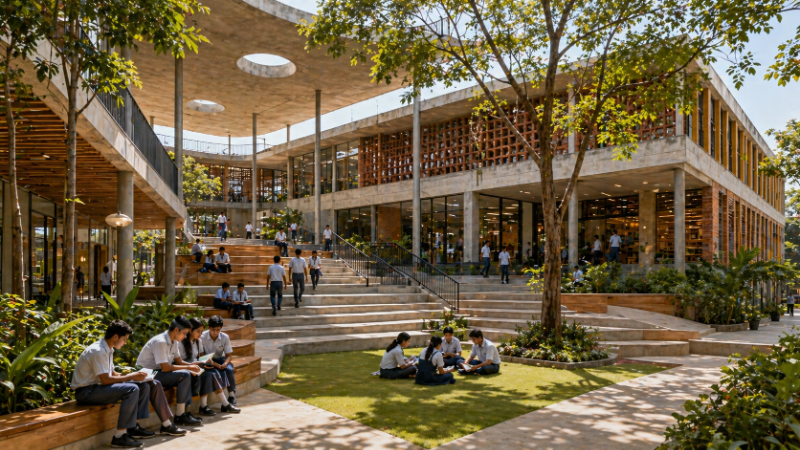
Sustainable and Climate-Responsive Design
Energy Efficiency in Indian School Architecture
With operating costs being a significant concern for educational institutions, sustainable design has become economically essential, not just environmentally responsible. Indian schools are increasingly adopting:
Passive Cooling Strategies: In cities like Chennai, Hyderabad, and Ahmedabad, passive design principles reduce air-conditioning requirements. Strategies include:
Strategic building orientation to minimize solar heat gain
Thermal mass materials that absorb heat during the day and release it at night
Cross-ventilation through carefully positioned openings
Green roofs and living walls that provide insulation and cooling
Water Management: Rainwater harvesting systems, greywater recycling, and efficient irrigation for landscaping are becoming standard. Schools in water-scarce regions like Rajasthan and parts of Maharashtra can reduce water consumption by 40-50% through integrated water management design.
Renewable Energy Integration: Solar panels on roofs and facades are increasingly common. A 50,000 square feet school building can generate 50-100 kW of solar power, significantly reducing electricity costs (which typically run ₹3-5 per kWh in India). Many schools achieve 60-70% energy independence through solar integration.
Material Selection: Using locally-sourced, low-embodied-carbon materials reduces both environmental impact and costs. Regional materials also connect schools to their local context, fostering community pride.
Climate Resilience
With increasing climate variability, schools must be designed to withstand extreme weather events. This includes:
Elevated structures in flood-prone areas (particularly relevant in coastal cities and regions near major rivers)
Strong wind-resistant design in cyclone-prone areas (critical for schools in coastal Odisha, Andhra Pradesh, and Tamil Nadu)
Permeable paving to manage increased rainfall events
Backup power systems for uninterrupted operations during grid failures
Wellness-Centric Design Principles
Mental Health and Biophilic Design
Emerging research emphasizes the connection between physical environment and student mental health. Schools are increasingly incorporating:
Biophilic Elements: Direct access to nature, natural materials, views of green spaces, and integrated gardens significantly reduce stress and anxiety. Schools in Delhi, Bangalore, and Mumbai are creating green courtyards, rooftop gardens, and nature-integrated learning spaces.
Color and Light Psychology: Thoughtful use of colors and lighting supports different learning activities. Cooler tones in concentration areas, warmer tones in social spaces, and dynamic lighting that adjusts throughout the day support circadian rhythms.
Acoustic Design: Excessive noise impairs concentration and increases stress. Parametric acoustic modeling helps optimize room acoustics, material selections, and spatial layouts to maintain appropriate sound levels in different zones.
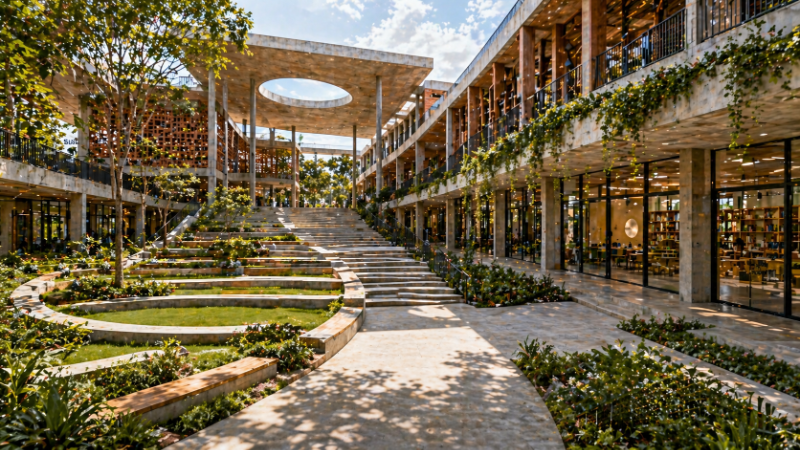
Physical Activity and Movement
Design strategies that encourage movement throughout the school day include:
Attractive staircases that make climbing stairs preferable to elevators
Varied floor levels creating visual interest and natural movement patterns
Outdoor play areas integrated with learning spaces
Movement breaks built into the circulation path
Community-Centric School Design
Schools as Civic Anchors
Modern school architecture recognizes that educational facilities should serve broader community functions. Progressive designs include:
Community centers and auditoriums available for public events
Sports facilities accessible to neighborhood residents during non-school hours
Libraries and resource centers serving as community knowledge hubs
Flexible spaces for adult education and skill development programs
This approach is particularly relevant in Indian cities where land is precious and public facilities are limited. Schools in Pune, Bangalore, and Ahmedabad are pioneering this model, increasing community engagement while improving financial sustainability through facility rentals.
Universal Design and Accessibility
Inclusive design ensures all students, regardless of physical abilities, can access and participate fully. This includes:
Barrier-free access with ramps, elevators, and accessible washrooms
Varied seating options accommodating different mobility needs
Sensory-friendly spaces for students with autism or sensory processing differences
Clear wayfinding systems with visual and tactile indicators
Beyond ethical considerations, inclusive design benefits all students by creating more flexible, adaptable spaces.
Practical Implementation: From Design to Construction
Cost Considerations for Indian Schools
The cost of school construction in India varies significantly by location and specification:
Basic construction: ₹1,200-1,500 per square foot in tier-2 and tier-3 cities
Standard specification: ₹1,800-2,500 per square foot in metropolitan areas
Premium/sustainable design: ₹2,500-3,500 per square foot for high-performance buildings
While sustainable, flexible designs cost more upfront, operational savings typically recover this investment within 8-12 years through reduced energy, water, and maintenance costs.
Regulatory Compliance
School buildings in India must comply with multiple regulations:
National Building Code (NBC): Provides minimum standards for safety, accessibility, and performance
State-specific regulations: Many states have additional requirements for educational facilities
GRIHA or LEED certification: Increasingly popular for demonstrating sustainability commitment
Fire safety standards: Critical for student safety, requiring specific exit routes, fire-rated materials, and safety systems
Engaging architects early who understand these requirements prevents costly redesigns during construction.
Finding the Right Architectural Partners
Implementing these advanced architectural strategies requires expertise in contemporary design principles, technology integration, and Indian regulatory frameworks. When planning a school project, consider partnering with professionals who specialize in educational architecture and understand local contexts.
AECORD, India's leading B2B2C marketplace for architecture, engineering, construction, and operations professionals, connects school administrators and educational institutions with specialized architects and design firms experienced in contemporary school design. Whether you're planning a new school building or renovating existing facilities, AECORD helps you find professionals who understand parametric design, sustainable strategies, and the unique challenges of educational architecture in India.
The platform enables you to review portfolios of school projects, compare expertise in areas like flexible learning spaces, biophilic design, and technology integration, and connect with professionals who have delivered similar projects in your region.
Looking Forward: The Future of School Architecture
As we progress through the 2020s, several trends will shape school design:
Hybrid Learning Spaces: Design flexibility to accommodate simultaneous in-person and remote learning will become standard.
AI-Optimized Design: Machine learning will analyze occupancy patterns, energy usage, and student behavior to continuously optimize building performance.
Modular Construction: Prefabricated, modular components will enable faster construction with less waste and better quality control.
Adaptive Reuse: With space constraints in urban areas, converting existing structures into modern learning environments will become more common.
Personalized Learning Environments: Design will increasingly accommodate individual learning styles and needs through varied spatial options.
Conclusion
The future of school architecture in India is exciting and multifaceted. By embracing parametric design, flexible learning spaces, sustainable principles, and wellness-centric approaches, we can create educational environments that truly support student development and well-being.
These architectural strategies represent not just aesthetic or technological advancement, but a fundamental shift in how we value education and student experience. Schools designed with these principles demonstrate to students that their well-being, learning needs, and growth matter—a message that extends far beyond the classroom.
If you're involved in planning, designing, or constructing educational facilities in India, now is the time to embrace these transformative architectural strategies. Start by connecting with experienced professionals who understand contemporary school design principles and can adapt them to your specific context and budget. Explore AECORD to find architects and design specialists in your region who specialize in modern educational architecture. Together, we can build schools that inspire, support, and nurture the next generation of Indian leaders and innovators.
Frequently Asked Questions
How is school architecture in India changing from traditional designs?
Modern Indian school architecture is shifting from standardized rectangular classrooms and central corridors to flexible, adaptive learning ecosystems. Contemporary designs now prioritize natural light, ventilation, sustainability, technology integration, and student well-being, recognizing that physical environments significantly impact learning outcomes and student concentration.
What is parametric design and how does it improve school buildings?
Parametric design uses algorithms and computational methods to generate multiple design solutions based on specific parameters and constraints. For schools, it allows architects to quickly test thousands of design variations—such as optimal classroom sizes, window placements, and ventilation systems—to maximize functionality and cost-efficiency, especially valuable in space-constrained Indian urban areas.
How can schools in India reduce electricity costs through better design?
Schools can reduce electricity consumption by 30-40% through optimized daylighting strategies that use parametric design to determine ideal window sizes, orientations, and external shading devices. This approach minimizes heat gain while maximizing natural light, which is particularly important in Indian climates with excessive solar radiation.
What are the key priorities in modern Indian school architecture?
Modern school design in India prioritizes flexibility and adaptability for different learning methods, sustainability through energy-efficient designs, student well-being and mental health, technology infrastructure for digital learning, and community engagement spaces that serve as hubs beyond school hours.
Why is the physical school environment important for student learning?
Modern educational research demonstrates that the physical environment significantly impacts student learning outcomes, concentration levels, and overall well-being. School buildings are now recognized as living, breathing environments that directly influence educational success rather than static structures.