

Understanding Ambuja PPC Grade Cement in HDPE Bags: A Complete Guide for Indian Construction Professionals
Portland Pozzolana Cement (PPC) has become one of the most preferred cement choices for construction projects across India. Among the leading manufacturers, Ambuja Cement's PPC grade cement stands out for its quality, durability, and cost-effectiveness. When packaged in HDPE (High-Density Polyethylene) bags, this cement offers additional advantages in terms of protection and handling. This comprehensive guide will help you understand everything you need to know about Ambuja PPC grade cement in HDPE bags, from technical specifications to practical applications.
Build cost · Bengaluru, May 2026
What is PPC Grade Cement and Why It Matters
Understanding Portland Pozzolana Cement
Portland Pozzolana Cement is a blended cement that combines ordinary Portland cement with pozzolanic materials such as fly ash. The PPC designation indicates that the cement contains 10-30% pozzolanic material by weight, making it distinct from ordinary Portland cement (OPC). This composition provides several advantages that make it particularly suitable for Indian construction conditions.
The pozzolanic materials in PPC cement react with calcium hydroxide produced during cement hydration, creating additional calcium silicate hydrate gel. This secondary reaction contributes to improved long-term strength development and enhanced durability. For construction professionals in India, this means better performance in humid coastal areas, reduced heat of hydration, and improved resistance to sulfate attack—all critical factors in the Indian climate.
Why PPC is Preferred in Indian Construction
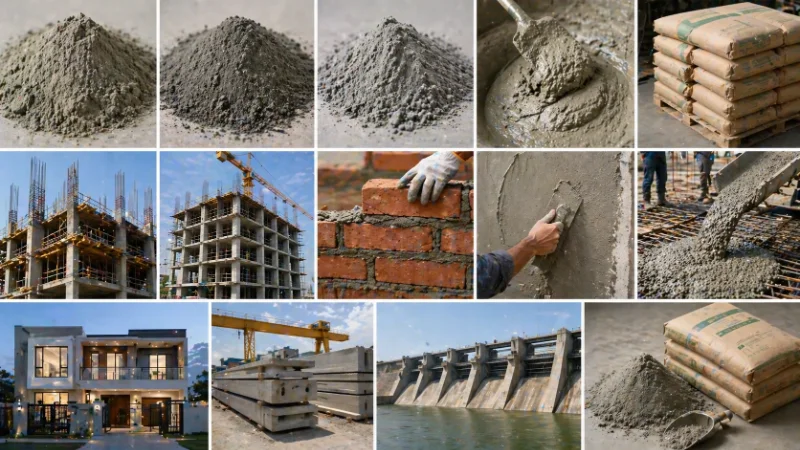
Over the past two decades, PPC cement has gained significant market share in India, now accounting for approximately 55-60% of total cement consumption. This preference stems from several practical advantages:
Cost-effectiveness: PPC cement typically costs 5-10% less than OPC, making it economical for large-scale projects
Durability: Superior resistance to chemical attacks and sulfate exposure, crucial for structures in industrial areas and coastal regions
Heat of hydration: Lower heat generation makes it ideal for mass concrete applications and thick sections
Environmental benefits: Utilizes industrial by-products like fly ash, reducing carbon footprint
Workability: Improved plasticity and better workability in concrete mixes
Frequently asked
Ambuja Cement's PPC Grade: Quality and Standards
Technical Specifications of Ambuja PPC
Ambuja Cement, one of India's largest cement manufacturers with operations across multiple states, produces PPC grade cement that adheres to Indian Standards (IS 1489-1991). The cement meets stringent quality parameters:
Fineness: Specific surface area of 300-400 m²/kg (measured by Blaine's method)
Compressive strength: 3-day strength minimum 16 MPa, 7-day strength minimum 22 MPa, 28-day strength minimum 33 MPa
Setting time: Initial setting time between 30-90 minutes, final setting time within 600 minutes
Soundness: Le Chatelier expansion not exceeding 10 mm
Loss on ignition: Maximum 5%
Insoluble residue: Maximum 1.5%
These specifications ensure that Ambuja PPC cement performs consistently across different construction applications, from residential buildings to commercial complexes and infrastructure projects.
Quality Assurance and Testing
Ambuja Cement maintains rigorous quality control measures at every stage of production. The company conducts regular third-party testing and maintains certifications from Bureau of Indian Standards (BIS). When you source Ambuja PPC cement, you can be confident about consistent quality that meets national standards.
HDPE Bag Packaging: Advantages and Specifications
Why HDPE Bags Matter
Traditional cement packaging in jute and kraft paper bags has evolved significantly. HDPE (High-Density Polyethylene) bag packaging offers numerous advantages that modern construction projects require:
Moisture protection: HDPE bags provide superior moisture resistance, preventing cement degradation due to humidity
Durability: More resistant to tearing and damage during handling and transportation
Extended shelf life: Cement in HDPE bags maintains quality for longer periods, even in monsoon conditions
Easier handling: Lighter and more durable than paper bags, reducing wastage during logistics
Better for coastal areas: Particularly valuable in high-humidity regions like Mumbai, Chennai, and Kolkata
Environmental considerations: HDPE is recyclable, aligning with sustainable construction practices
HDPE Bag Specifications and Capacity
Ambuja PPC cement in HDPE bags is typically available in 50 kg packages, which is the standard unit for Indian construction projects. The bags are designed with:
Multi-wall HDPE construction for enhanced strength
Clear labeling with batch numbers, manufacturing date, and expiry information
Easy-to-open design for convenient pouring
Proper ventilation holes to prevent moisture accumulation
Tamper-evident sealing to ensure product integrity
The reference number typically relates to specific batch or product codes used in Ambuja's inventory management system, helping track quality batches and ensure traceability
Applications and Suitability for Different Projects
Residential Construction
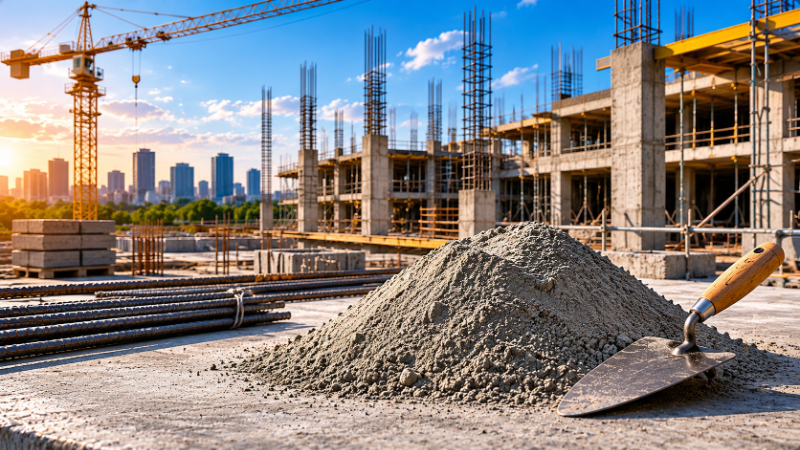
For residential projects across Indian cities—whether in Bangalore, Delhi, Pune, or Hyderabad—Ambuja PPC cement in HDPE bags is an excellent choice. The cement provides:
Good strength development for multi-story residential buildings
Excellent workability for plastering and finishing
Better durability for long-term structural integrity
Cost savings of 5-10% compared to OPC, directly benefiting project budgets
Commercial and Infrastructure Projects
Large commercial complexes, shopping malls, and infrastructure projects benefit significantly from PPC cement's properties. The lower heat of hydration is particularly advantageous for:
Large concrete pours where temperature control is critical
Thick structural elements and foundations
Projects in hot climates where thermal cracking is a concern
Long-term durability requirements for public infrastructure
Industrial and Specialized Applications
Industries in chemical-heavy areas, coastal regions, and zones with high sulfate exposure find PPC cement superior due to its chemical resistance. Applications include:
Structures near thermal power plants and industrial units
Coastal construction in cities like Mumbai, Goa, and Visakhapatnam
Water treatment facilities and sewage infrastructure
Agricultural structures in areas with saline groundwater
Pricing and Cost Considerations in India
Current Market Pricing
As of recent market data, Ambuja PPC cement prices in India typically range from ₹380 to ₹450 per 50 kg bag, depending on location and market conditions. Regional variations are significant:
Northern India (Delhi, NCR): ₹400-430 per bag
Western India (Mumbai, Gujarat): ₹390-420 per bag
Southern India (Bangalore, Chennai): ₹385-415 per bag
Eastern India (Kolkata, Guwahati): ₹395-425 per bag
HDPE bag packaging typically adds ₹5-10 to the per-bag cost compared to traditional paper bags, but the extended shelf life and reduced wastage often justify this premium.
Bulk Purchase Advantages
For large construction projects, bulk purchases directly from Ambuja Cement or authorized dealers can yield discounts of 2-5%. A typical residential project requiring 500-1000 bags can save ₹5,000-50,000 through bulk purchasing. Large infrastructure projects purchasing 10,000+ bags might negotiate even better rates.
Quality Verification and Procurement Tips
How to Verify Authenticity
With cement being a critical material, ensuring you purchase genuine Ambuja PPC cement is essential. Look for:
Official packaging: Authentic bags display Ambuja's logo, BIS certification mark, and ISI number clearly
Batch information: Manufacturing date, expiry date, and batch number should be clearly printed
Weight verification: Each 50 kg bag should weigh exactly 50 kg (±0.5 kg tolerance)
Authorized dealers: Purchase from Ambuja's official distributors or recognized construction material suppliers
Quality certificates: Reputable suppliers provide test certificates from accredited laboratories
Storage and Handling Guidelines
Proper storage ensures cement maintains its quality throughout the project:
Dry storage: Keep bags in covered, well-ventilated areas away from moisture
Temperature control: Store in areas with moderate temperatures; extreme heat can affect cement properties
Stacking: Don't stack more than 10-12 bags high to prevent crushing and degradation
First-in, first-out: Use older batches first to prevent cement aging beyond 3 months
Inventory management: Maintain proper records of purchase dates and quantities
Comparing PPC with Other Cement Types
PPC vs. OPC (Ordinary Portland Cement)
While OPC offers higher early strength, PPC provides better long-term performance and durability at lower cost. For most Indian construction projects, PPC is the more economical and practical choice.
PPC vs. PSC (Portland Slag Cement)
PSC contains blast furnace slag instead of fly ash. While both are durable, PPC is more widely available and cost-effective in most Indian regions. PSC is preferred in specific applications requiring very high durability in aggressive environments.
PPC vs. White Cement
White cement is used for aesthetic applications and costs 3-4 times more than PPC. For structural work, PPC is the standard choice across India.
Sustainability and Environmental Impact
Choosing Ambuja PPC cement in HDPE bags aligns with sustainable construction practices. The use of fly ash reduces clinker requirements, decreasing CO₂ emissions by approximately 15-20% compared to OPC. HDPE bags, being recyclable, further reduce environmental impact. For environmentally conscious projects and green building certifications, PPC cement is an excellent choice.
Finding the Right Supplier on AECORD
When sourcing Ambuja PPC cement for your project, connecting with reliable suppliers is crucial. AECORD, India's leading B2B2C marketplace for AECO professionals, connects you with verified cement suppliers, distributors, and material dealers across India. Whether you're in Mumbai, Delhi, Bangalore, or any other Indian city, AECORD helps you find suppliers offering competitive prices, bulk discounts, and reliable delivery.
Through AECORD's platform, you can compare prices, check supplier credentials, and arrange direct procurement for your projects. The marketplace also connects you with construction professionals who can advise on cement selection based on your specific project requirements.
Conclusion
Ambuja PPC grade cement in HDPE bags represents an excellent choice for modern Indian construction projects. Combining superior quality, cost-effectiveness, durability, and environmental benefits, it meets the demands of residential, commercial, and infrastructure projects across the country. The HDPE packaging adds convenience and protection, ensuring cement quality is maintained from manufacturing to site application.
Whether you're planning a small residential project in a tier-2 city or a large commercial complex in a metropolitan area, understanding the specifications, applications, and procurement strategies for Ambuja PPC cement will help you make informed decisions that optimize both project quality and budget.
Ready to source quality Ambuja PPC cement for your next project? Visit AECORD today to connect with verified cement suppliers, compare quotes, and find the best deals on construction materials. Our platform makes it easy to find reliable suppliers in your region and ensures you get authentic products at competitive prices. Register now and streamline your material procurement process.
Frequently Asked Questions
What is the difference between PPC and OPC cement?
PPC (Portland Pozzolana Cement) contains 10-30% pozzolanic materials like fly ash, while OPC (Ordinary Portland Cement) is pure Portland cement. PPC offers better durability, lower heat of hydration, and superior resistance to sulfate attack, making it ideal for Indian construction conditions, though it typically costs 5-10% less than OPC.
Why is Ambuja PPC cement packaged in HDPE bags?
HDPE (High-Density Polyethylene) bags provide superior protection for cement during storage and transportation, preventing moisture absorption and contamination. This packaging ensures the cement maintains its quality and performance characteristics until it reaches the construction site.
What is the 28-day compressive strength of Ambuja PPC cement?
Ambuja PPC cement meets IS 1489-1991 standards with a minimum 28-day compressive strength of 33 MPa. The cement also achieves minimum 16 MPa at 3 days and 22 MPa at 7 days, ensuring consistent strength development for construction applications.
Is PPC cement suitable for coastal and industrial areas in India?
Yes, PPC cement is highly recommended for coastal and industrial areas due to its superior resistance to chemical attacks and sulfate exposure. The pozzolanic materials in PPC create additional calcium silicate hydrate gel, enhancing durability in harsh environmental conditions common in these regions.
What are the environmental benefits of using Ambuja PPC cement?
PPC cement utilizes industrial by-products like fly ash, reducing the carbon footprint compared to OPC. This makes it an environmentally sustainable choice while maintaining high performance standards for construction projects across India.