



Understanding Laticrete 85 Almond Unsanded Cementitious Grout 600 Series: A Comprehensive Guide for Indian Construction Professionals
In the Indian construction and tile finishing industry, choosing the right grout is crucial for ensuring durability, aesthetics, and long-term performance of tiled surfaces. The Laticrete 85 Almond Unsanded Cementitious Grout 600 Series 10 kg stands as one of the most reliable options available in the market today. Whether you're working on residential projects in Bangalore, commercial developments in Mumbai, or hospitality spaces in Delhi, understanding this premium grouting solution is essential for achieving superior results.
Build cost · Bengaluru, May 2026
What is Laticrete 85 Almond Unsanded Cementitious Grout?
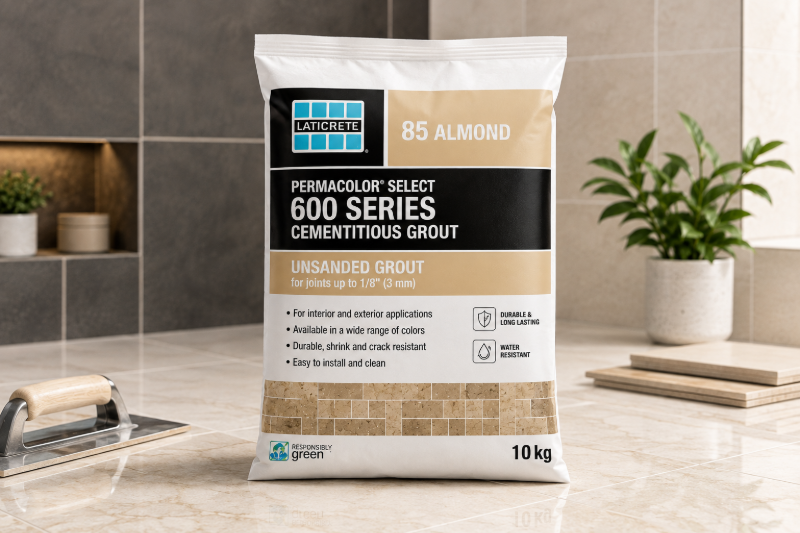
Laticrete 85 Almond is a premium, unsanded cementitious grout specifically formulated for use in narrow grout joints. The 600 Series designation indicates this product belongs to Laticrete's advanced polymer-modified grout line, offering enhanced performance characteristics compared to standard cement-based grouts. The 10 kg packaging (product code 394706) is the standard size used by most contractors and builders across India for both small and medium-sized projects.
Key Composition and Properties
This unsanded grout is composed of Portland cement, fine aggregates, and Laticrete's proprietary polymer modifiers. The absence of sand makes it ideal for joints measuring 1/16 inch to 1/8 inch (approximately 1.5 to 3mm), which are increasingly common in modern tile installations. The polymer modification provides superior adhesion, flexibility, and water resistance compared to traditional grouts, making it particularly valuable in the challenging climate conditions found across different Indian regions—from the humid coastal areas of Kerala to the arid regions of Rajasthan.
Why Choose Unsanded Grout for Your Projects?
Frequently asked
Superior Aesthetics and Finish
Unsanded grouts like Laticrete 85 Almond provide a smoother, more refined appearance compared to their sanded counterparts. This is particularly important in high-end residential projects, luxury hotels, and premium commercial spaces where visual appeal directly impacts property value. The almond color option offers versatility, complementing both warm and cool tile palettes—a crucial consideration when working with the diverse tile collections available in Indian markets from manufacturers like Somany, Kajaria, and Nitco.
Ideal for Delicate Tile Surfaces
Without sand particles, this grout won't scratch or damage polished marble, glass tiles, or other sensitive surfaces. For projects in metros like Hyderabad and Pune where premium finishes are increasingly demanded, this feature proves invaluable. Architects and contractors frequently specify unsanded grouts specifically to protect high-value tile installations.
Better for Narrow Joints
Modern tile design trends favor thinner grout lines for a more contemporary aesthetic. The unsanded formulation of Laticrete 85 works exceptionally well in these narrow applications, preventing the sand particles from bridging across small gaps and creating voids—a common problem with sanded grouts in tight joints.
Technical Specifications and Performance Characteristics
Coverage and Yield
A 10 kg bag of Laticrete 85 Almond typically yields approximately 6-8 square meters of coverage, depending on tile size and joint width. For a standard installation with 12x12 inch tiles and 3mm joints, you can expect coverage closer to the 8 square meter mark. This makes the product cost-effective for most Indian projects, with the 10 kg bag priced competitively in the ₹400-600 range depending on your location and supplier.
Curing and Setting Time
The 600 Series formulation offers controlled setting times suitable for Indian climatic conditions. Initial set typically occurs within 24-48 hours, while full cure develops over 7-10 days. During the monsoon season in regions like Mumbai, Kolkata, and Chennai, this extended curing timeline requires proper moisture management and site conditions—factors that experienced contractors understand are critical for success.
Water Resistance and Durability
Laticrete's polymer modification significantly enhances water resistance, making this grout suitable for wet areas including bathrooms, kitchens, and swimming pool surrounds. The sealed nature of the cured grout prevents water infiltration that could lead to substrate deterioration—a particularly important consideration in India's diverse climate zones where moisture-related failures are common.
Application Areas and Use Cases in Indian Construction
Residential Applications
In Indian homes, Laticrete 85 Almond performs excellently in:
Bathroom tile work: Including shower enclosures, backsplashes, and floor areas exposed to regular moisture
Kitchen installations: Providing durable, easy-to-clean grout lines around countertops and backsplashes
Living areas: Where aesthetic appeal and easy maintenance are priorities
Entryways and feature walls: Where the almond color enhances design schemes
Commercial and Hospitality Projects
Hotels, restaurants, and retail spaces across India increasingly specify premium grouts like Laticrete 85 for:
High-traffic floor areas requiring durability and easy maintenance
Visible tile installations where consistent color and finish matter for brand presentation
Food service areas where hygiene and cleanability are regulatory requirements
Luxury spa and wellness centers where premium finishes justify the investment
Institutional and Healthcare Facilities
Hospitals, clinics, and educational institutions in Indian cities from Jaipur to Kochi benefit from Laticrete 85's performance in high-hygiene environments. The grout's resistance to staining and ease of cleaning align with strict sanitation protocols required in these facilities.
Installation Process and Best Practices
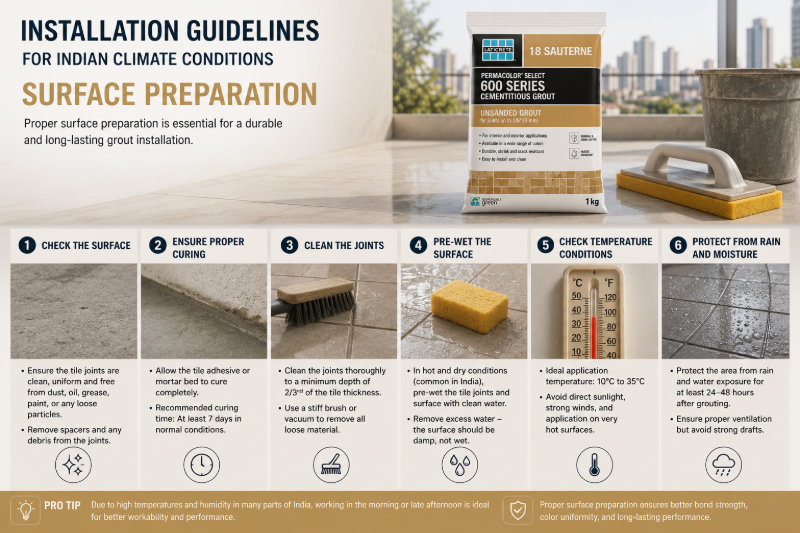
Surface Preparation
Before applying Laticrete 85 Almond, ensure all tile surfaces are properly set and the mortar has fully cured (typically 24-48 hours). The substrate should be clean, stable, and free from dust, debris, or curing compounds. This preparation step is often where Indian contractors encounter issues—proper surface preparation directly impacts final results.
Mixing Specifications
Mix the 10 kg bag with clean water in a ratio of approximately 3 parts powder to 1 part water by volume, though exact ratios may vary. Use a mechanical mixer for consistency, and allow the mixture to slake (rest) for 5-10 minutes before final mixing. The resulting consistency should resemble peanut butter—thick enough to hold in a grout float but workable enough to fill joints smoothly.
Application Technique
Using a grout float held at a 45-degree angle, force the grout firmly into joints, working diagonally across the tile surface. This technique ensures complete joint filling without voids. For narrow joints typical of unsanded grout applications, patience and proper technique are essential—rushing this process leads to incomplete joints and future performance issues.
Cleaning and Curing
After approximately 15-20 minutes (depending on temperature and humidity), the grout begins to firm up. Begin cleanup using a damp sponge, working in circular motions and rinsing frequently. This is critical—improper cleaning leaves a haze on tiles that becomes permanent once cured. During Indian summer months, the shorter working window requires faster execution. After cleaning, maintain proper curing conditions: protect the area from foot traffic for at least 24-48 hours, and avoid exposing to water for 7-10 days.
Advantages Over Alternative Grouting Solutions
Compared to Traditional Cement Grout
Standard cement grouts lack polymer modification, resulting in:
Lower water resistance and higher staining tendency
Greater shrinkage and cracking potential
Reduced flexibility, leading to joint failure in areas with movement
Higher maintenance requirements and shorter service life
Laticrete 85 Almond addresses all these limitations through its advanced formulation.
Compared to Epoxy Grouts
While epoxy grouts offer superior chemical resistance, they present challenges:
Significantly higher cost (often 3-4 times more expensive)
More difficult application requiring specialized training
Longer curing times affecting project schedules
Overkill for most residential and standard commercial applications
For most Indian projects, Laticrete 85 provides the optimal balance of performance and practicality.
Cost Considerations for Indian Contractors
The 10 kg bag of Laticrete 85 Almond typically costs between ₹400-600 depending on your location and supplier. For a 100 square meter project with standard tile sizes and 3mm joints, you'd require approximately 12-15 bags, resulting in a total grout material cost of ₹5,000-9,000. While this is higher than budget cement grouts (₹150-250 per bag), the superior performance, reduced maintenance, and longer service life justify the investment for quality-conscious projects.
When calculating project costs, factor in labor efficiency—the workability of Laticrete 85 typically reduces grouting time by 15-20% compared to standard grouts, offsetting some material cost premiums through labor savings.
Climate and Regional Considerations for India
Monsoon Regions (Coastal Areas, Western Ghats)
In high-humidity areas like Mumbai, Goa, and Kerala, the water resistance of Laticrete 85 becomes especially valuable. The polymer modification prevents moisture-related deterioration that plagues standard grouts in these climates.
Hot and Arid Regions (Rajasthan, Gujarat)
In dry climates, proper curing becomes critical. The extended curing timeline of Laticrete 85 requires moisture maintenance—misting tiles or covering installations during the cure period prevents premature drying that could compromise performance.
Moderate Climate Zones (Bangalore, Pune, Delhi NCR)
These regions benefit from Laticrete 85's balanced performance profile, offering reliable results across varying seasonal conditions without requiring special precautions.
Common Installation Challenges and Solutions
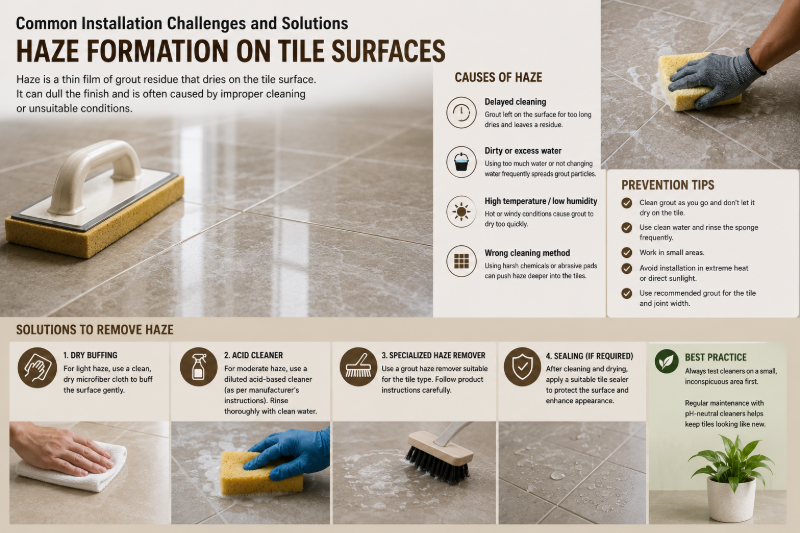
Haze Formation on Tile Surfaces
This occurs when grout residue isn't properly cleaned. Solution: Use a damp (not wet) sponge, rinse frequently in clean water, and wring out excess moisture. Multiple passes may be necessary.
Incomplete Joint Filling
Rushing application or inadequate pressure leads to voids. Solution: Work slowly and deliberately, ensuring the grout float forces material completely into joints. A second pass after initial firmup can catch missed areas.
Color Inconsistency
Variation in mixing ratios or water content produces color variations. Solution: Maintain consistent mixing procedures, use measured water quantities, and mix entire batches thoroughly before application.
Maintenance and Long-Term Care
Once cured, Laticrete 85 Almond requires minimal maintenance. Regular cleaning with mild soap and water preserves appearance and hygiene. For high-traffic areas or wet zones, periodic sealing (annually or as needed) provides additional protection, though the polymer-modified grout offers inherent resistance superior to standard products.
Finding Expert Installation Support on AECORD
Proper installation of premium grout products like Laticrete 85 Almond requires expertise and experience. If you're planning a significant tiling project in India, AECORD connects you with verified tiling contractors, masons, and tile specialists who understand the nuances of working with quality materials. Whether you're in Bangalore, Mumbai, Delhi, Hyderabad, or any other Indian city, AECORD's platform helps you find professionals who can deliver exceptional results.
When selecting contractors through AECORD, look for those with experience in premium tile installations and familiarity with polymer-modified grouts. Ask about their specific experience with Laticrete products and request references from similar projects. The right professional partner ensures your investment in quality materials translates to superior, long-lasting results.
Conclusion
Laticrete 85 Almond Unsanded Cementitious Grout 600 Series represents a significant step up in grouting performance for Indian construction professionals. Its polymer-modified formulation, superior water resistance, and aesthetic qualities make it the preferred choice for quality-conscious projects across residential, commercial, and institutional sectors. Whether you're grouting a luxury bathroom in Bangalore, a hotel renovation in Mumbai, or a retail space in Delhi, this product delivers reliable, durable results that justify its investment.
By understanding its properties, applications, and installation requirements, you can make informed decisions about your tiling projects. For projects requiring professional installation, AECORD provides access to skilled contractors and tile specialists throughout India who can ensure proper application and optimal results. Invest in quality materials and expert installation—your tiled surfaces will reflect that commitment for years to come.
Frequently Asked Questions
What is the difference between Laticrete 85 Almond unsanded and sanded cementitious grout?
Unsanded grout like Laticrete 85 Almond provides a smoother finish and won't scratch delicate tile surfaces like polished marble or glass. It's specifically designed for narrow grout joints (1.5-3mm), while sanded grouts work better for wider joints and are more economical for larger gaps.
How much area can a 10 kg bag of Laticrete 85 Almond grout cover?
A 10 kg bag typically covers 6-8 square meters depending on tile size and joint width. For standard 12x12 inch tiles with 3mm joints, you can expect coverage closer to 8 square meters, making it cost-effective for most Indian construction projects.
Is Laticrete 85 Almond suitable for all tile types in Indian climates?
Yes, the 600 Series polymer-modified formulation is specifically designed to handle India's diverse climatic conditions, from humid coastal areas to arid regions. Its enhanced water resistance and flexibility make it ideal for both residential and commercial applications across different Indian cities.
What grout joint width is Laticrete 85 Almond unsanded grout designed for?
Laticrete 85 Almond is formulated for narrow grout joints measuring 1/16 inch to 1/8 inch (approximately 1.5 to 3mm), which are increasingly common in modern tile installations favoring contemporary aesthetics with minimal grout lines.
How long does Laticrete 85 Almond grout take to cure in Indian weather conditions?
The 600 Series formulation offers controlled setting times suitable for Indian climates, with initial set typically occurring within 24-48 hours. The exact curing time may vary depending on local temperature and humidity conditions in your region.