

Understanding 6mm Thickness Bison Laminated Cement Bonded Particle Board: A Complete Guide for Indian Architects and Builders
In the construction and interior design landscape of India, the choice of materials can significantly impact both project timelines and budgetary constraints. Among the various engineered wood products available in the market, cement bonded particle boards have emerged as a reliable solution for architects, engineers, and contractors across the country. The 6mm thickness variant in the standard 1220mm x 2440mm dimension, particularly the Bison brand's Ivory 361678 model, represents a practical middle ground between durability, cost-effectiveness, and versatility.
Whether you're working on residential projects in Mumbai, commercial spaces in Bangalore, or institutional buildings in Delhi, understanding the specifications and applications of this material is crucial for making informed decisions. This comprehensive guide explores everything you need to know about this specific product category.
Build cost · Bengaluru, May 2026
What is Cement Bonded Particle Board?
Material Composition and Manufacturing Process
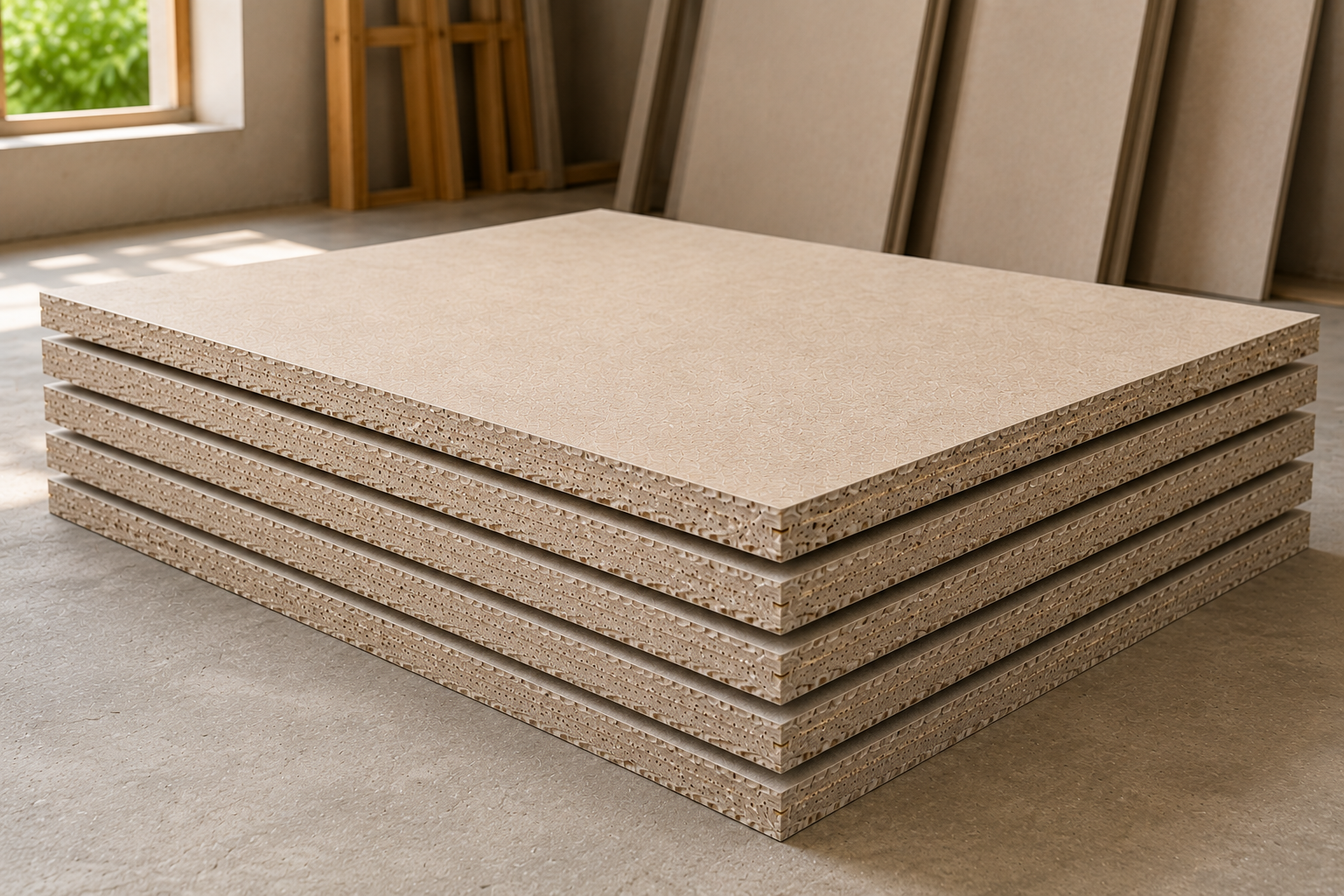
Cement bonded particle board is an engineered composite material created by combining wood particles with a cement binder. Unlike traditional plywood or MDF, this product offers superior moisture resistance and fire performance characteristics. The manufacturing process involves:
Mixing wood particles (typically from softwood or recycled wood) with Portland cement
Adding water and other additives to create a uniform slurry
Pressing the mixture under high pressure and temperature
Curing the boards to develop their final strength properties
The Bison brand, a well-established manufacturer in Europe with products available throughout India, produces cement bonded boards that meet international standards while being competitively priced for the Indian market. The Ivory 361678 variant specifically refers to the aesthetic finish and product code within their range.
Why Choose Cement Bonded Over Other Engineered Woods?
In the Indian construction industry, professionals often compare cement bonded particle boards with plywood, MDF, and particle board alternatives. Cement bonded options stand out because they:
Resist moisture effectively: Ideal for humid climates like coastal areas in Kerala, Goa, and Mumbai
Provide superior fire resistance: Meeting safety standards required for commercial and institutional projects
Resist pest damage: Eliminating concerns about termite infestations common in Indian climates
Offer dimensional stability: Minimal warping or swelling, even in fluctuating humidity conditions
Provide acoustic properties: Useful for office spaces and educational institutions
When sourcing materials through platforms like AECORD, you can compare these advantages directly with supplier specifications and connect with professionals who have practical experience using these materials on Indian projects.
Frequently asked
Specifications of 6mm Thickness Bison Laminated Cement Bonded Particle Board
Standard Dimensions and Coverage
The 1220mm x 2440mm dimension is a standard European size that has become increasingly common in Indian markets. Understanding these measurements is essential for project planning:
Length: 2440mm (approximately 8 feet)
Width: 1220mm (approximately 4 feet)
Thickness: 6mm (0.24 inches)
Surface area per sheet: 2.98 square meters
Weight: Approximately 18-20 kg per sheet (varies slightly based on density)
For a 1000 square meter project, you would need approximately 335-340 sheets, accounting for standard waste factors of 5-10% that architects typically include in their material calculations.
Technical Properties of 6mm Thickness
The 6mm thickness strikes an optimal balance for many applications in India:
Bending strength: Typically 8-12 MPa, suitable for non-structural applications
Compressive strength: 3-5 MPa perpendicular to the surface
Water absorption: Less than 15% after 24 hours immersion (significantly better than standard particle board)
Density: Approximately 1.1-1.3 g/cm³
Thermal conductivity: Around 0.15 W/m·K, providing moderate insulation properties
Fire rating: Typically Euroclass B-s1, d0 (meeting European fire safety standards)
These specifications make the 6mm thickness particularly suitable for interior wall paneling, ceiling applications, and non-load-bearing partition systems commonly used in Indian commercial and residential projects.
Applications in Indian Construction Projects
Interior Wall Paneling and Partition Systems
One of the most common applications for cement bonded particle boards in India is creating interior partition walls. In metropolitan areas like Bangalore and Hyderabad, where office spaces and residential layouts frequently require flexible configurations, these boards offer several advantages:
Quick installation compared to traditional masonry walls
Reduced weight (approximately 20kg per sheet vs. 50-60kg for equivalent concrete)
Better acoustic performance for open office environments
Easier integration of electrical and plumbing systems
Cost savings of 15-25% compared to traditional brick and cement construction
A typical partition system using 6mm cement bonded boards might cost between ₹400-600 per square meter installed, compared to ₹800-1200 for traditional masonry walls in major Indian cities.
Wet Area and High-Moisture Applications
The moisture resistance of cement bonded particle boards makes them ideal for applications where traditional materials might fail. In Indian climates with high humidity and seasonal rains, these boards perform exceptionally well in:
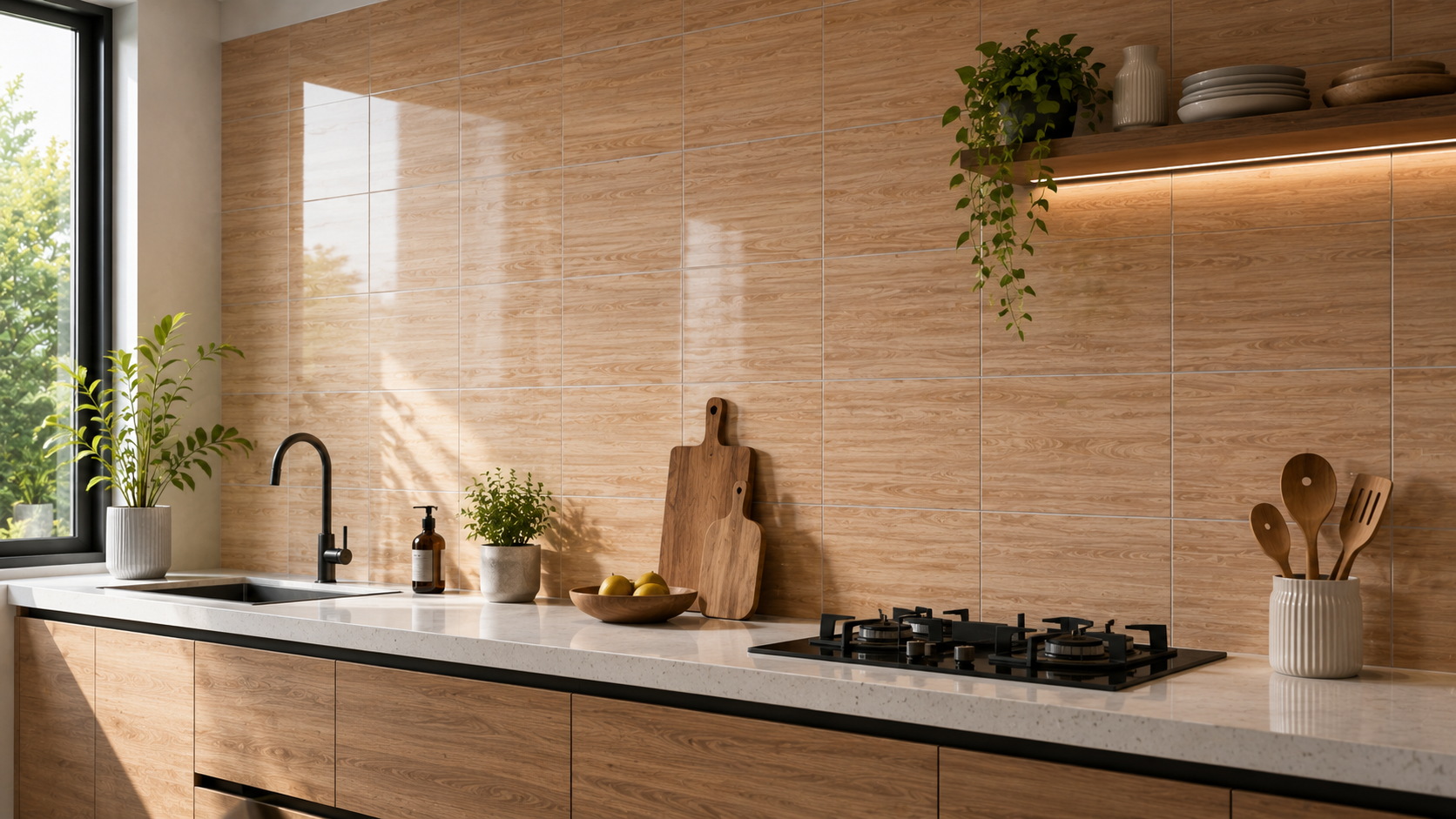
Kitchen backsplashes: Behind cooking areas where steam and splashes occur
Bathroom walls: Particularly in humid regions like Kerala and coastal Maharashtra
Laundry areas: Where moisture levels remain consistently high
Exterior soffit and fascia: In protected applications where weather exposure is moderate
When using cement bonded boards in wet areas, proper sealing and waterproofing treatments are still recommended, even though the material itself resists moisture better than alternatives.
Commercial and Institutional Projects
Schools, hospitals, and office buildings across India increasingly specify cement bonded particle boards for:
Acoustic wall treatments: Creating sound-absorbing surfaces in open office environments
Hygienic wall systems: In healthcare facilities where cleanability is paramount
Fire-rated partition systems: Meeting safety regulations in commercial buildings
Modular furniture systems: As backing for built-in cabinetry and storage solutions
The fire-resistant properties of cement bonded boards make them particularly valuable for institutional projects, where building codes often mandate specific fire ratings for internal partition systems.
Comparing Costs and Value in the Indian Market
Pricing Factors
The cost of Bison laminated cement bonded particle board in India varies based on several factors:
Location: Prices are typically 10-15% higher in metropolitan areas like Mumbai and Delhi compared to tier-2 cities
Order quantity: Bulk orders (100+ sheets) may receive 5-10% discounts
Delivery distance: Transportation costs significantly impact final pricing in remote areas
Market conditions: Cement and raw material costs fluctuate, affecting board prices
Distributor margins: Direct purchases from manufacturers or through platforms like AECORD can offer better rates than traditional retail channels
As of 2024, expect to pay approximately ₹1,200-1,600 per sheet (₹400-540 per square meter) for authentic Bison brand 6mm cement bonded particle boards in major Indian cities. Prices may be lower in smaller cities but could increase significantly in remote locations.
Total Cost of Ownership
When evaluating true value, consider the complete lifecycle cost rather than just material expense:
Installation labor: Cement bonded boards are easier to install than masonry, reducing labor costs by 20-30%
Maintenance: Superior durability means fewer repairs and replacements over 10-15 years
Flexibility: Easier to modify or reconfigure spaces compared to permanent masonry construction
Health benefits: Lower off-gassing compared to some MDF products, contributing to better indoor air quality
For a 1000 square meter partition project, using cement bonded boards might cost ₹4-5.4 lakhs total, compared to ₹8-12 lakhs for traditional masonry construction.
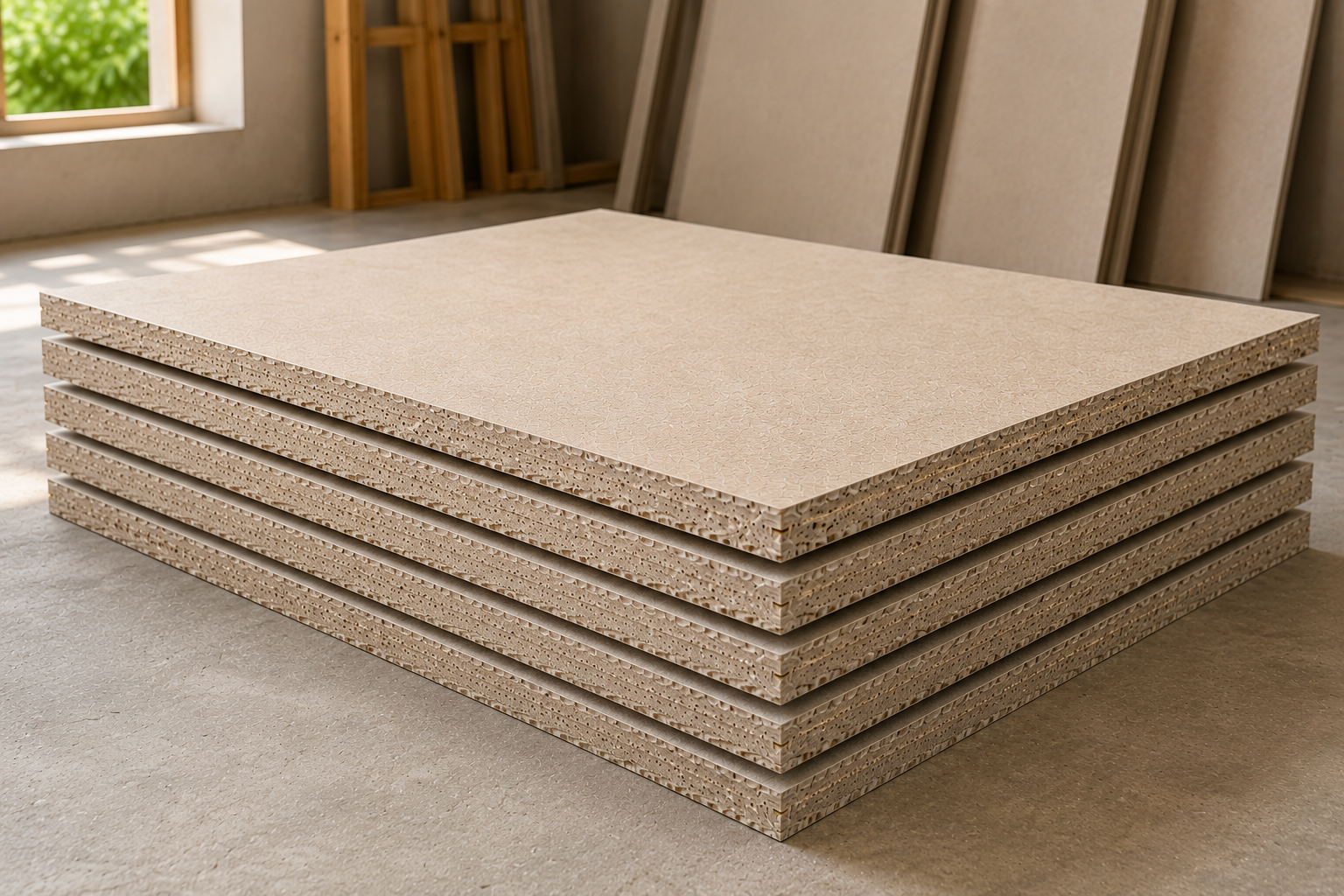
Installation and Handling Considerations
Preparation and Storage
Proper handling ensures the material maintains its properties and performs as expected:
Storage conditions: Keep boards in dry conditions with relative humidity between 40-70%
Stacking: Store sheets flat or slightly inclined, with support at regular intervals to prevent warping
Acclimatization: Allow boards to acclimate to the project environment for 24-48 hours before installation
Protection: Cover stored materials to protect from rain and direct sunlight
Inventory management: Account for 5-10% waste in your material calculations for cutting and fitting
Tools and Installation Methods
Unlike plywood, cement bonded boards require specific tools and techniques:
Cutting: Use carbide-tipped saw blades as cement dulls standard blades quickly
Fastening: Corrosion-resistant screws or nails are essential; regular steel fasteners may rust
Adhesives: Use cement-based or polyurethane adhesives; avoid water-based adhesives
Finishing: Sand lightly before applying paints or coatings
Sealing: For wet areas, apply appropriate sealants before finishing
Professional contractors on AECORD can provide detailed installation specifications and recommendations based on your specific project requirements and local conditions.
Quality Assurance and Standards Compliance
International and Indian Standards
When sourcing cement bonded particle boards for Indian projects, ensure compliance with relevant standards:
EN 634-2: European standard for cement bonded particle boards (most Bison products comply)
IS 12823: Indian Standard for particle boards
NBC 2016: National Building Code of India requirements for interior materials
IGBC standards: For green building certifications in India
Always request certification documents from suppliers. Authentic Bison products come with proper documentation confirming their compliance with these standards.
Identifying Genuine Products
The Indian market has counterfeit engineered wood products. Verify authenticity by:
Checking for manufacturer's logos and batch numbers on packaging
Requesting certificates of compliance from suppliers
Verifying supplier credentials through AECORD and industry associations
Inspecting physical characteristics: genuine boards have uniform color and consistent density
Testing moisture resistance with simple water droplet tests
Environmental and Health Considerations
Sustainability Aspects
Cement bonded particle boards can be a more sustainable choice than some alternatives:
Recycled content: Many boards incorporate recycled wood particles, reducing waste
Durability: Longer lifespan means less frequent replacement and reduced resource consumption
Energy efficiency: Lower embodied energy compared to concrete or steel alternatives
End-of-life: Boards can be recycled or used for energy recovery
Indoor Air Quality
Cement bonded particle boards typically have lower formaldehyde emissions compared to MDF or particle boards with synthetic binders. They contribute to better indoor air quality in residential and commercial spaces, an increasingly important consideration for health-conscious Indian homeowners and commercial developers.
Troubleshooting Common Issues
Problem: Moisture Damage Despite Using Cement Bonded Boards
Solution: Even moisture-resistant boards require proper installation. Ensure:
Adequate ventilation in wet areas
Proper sealing of joints and edges
Use of appropriate waterproofing membranes behind the boards
Correct fastening to prevent water infiltration at screw holes
Problem: Difficulty Cutting or Fastening
Solution: Use appropriate tools:
Carbide-tipped blades for cutting
Pre-drilling holes before driving screws
Using corrosion-resistant fasteners
Allowing adequate curing time for adhesives (typically 24 hours)
Problem: Acoustic Performance Not Meeting Expectations
Solution: Enhance acoustic properties by:
Adding insulation material behind the boards
Using thicker boards (9-12mm) for better sound dampening
Creating air cavities between board and structural backing
Combining with acoustic panels or treatments
Finding Suppliers and Professionals in India
Sourcing quality cement bonded particle boards and finding experienced professionals is crucial for project success. When evaluating suppliers, consider:
Certification and credentials: Verify they are authorized distributors of Bison or equivalent brands
Local experience: Professionals familiar with Indian climate conditions and building practices
Technical support: Access to installation guidance and problem-solving assistance
Pricing transparency: Clear breakdown of material costs, delivery, and installation expenses
Warranty and guarantees: Proper coverage for defects and performance issues
AECORD connects architects, engineers, and contractors with verified suppliers and installation professionals across India. Whether you're sourcing materials for a residential renovation in Pune, a commercial office fit-out in Gurgaon, or an institutional project in Kolkata, the platform allows you to compare options, review professional credentials, and make informed decisions based on project-specific requirements.
Conclusion
The 6mm thickness Bison laminated cement bonded particle board in the standard 1220mm x 2440mm dimension represents a practical, cost-effective solution for numerous applications in Indian construction and interior design. Its superior moisture resistance, fire performance, and durability make it particularly valuable in India's diverse climatic conditions—from the humid coastal regions to the dry interiors.
Whether you're planning partition systems, wet area applications, or commercial installations, understanding the specifications, proper installation methods, and sourcing from reliable suppliers ensures project success. By connecting with experienced professionals and verified suppliers through platforms like AECORD, you can access expert guidance, competitive pricing, and quality assurance throughout your project lifecycle.
Ready to source quality cement bonded particle boards for your next project? Browse verified suppliers and installation professionals on AECORD today. Compare specifications, request quotes, and connect with AECO professionals who have proven experience with these materials in Indian projects. Your next successful project is just a few clicks away.