

Understanding 6mm Bison Laminated Cement Bonded Particle Board: A Complete Guide for Indian AECO Professionals
In the Indian construction and interior design industry, selecting the right materials can make or break a project. One material that has gained significant traction among architects, engineers, and builders is the 6mm Bison laminated cement bonded particle board in beige finish. This comprehensive guide will help you understand this material's properties, applications, advantages, and how it fits into modern construction practices across India.
Build cost · Bengaluru, May 2026
What is Bison Laminated Cement Bonded Particle Board?
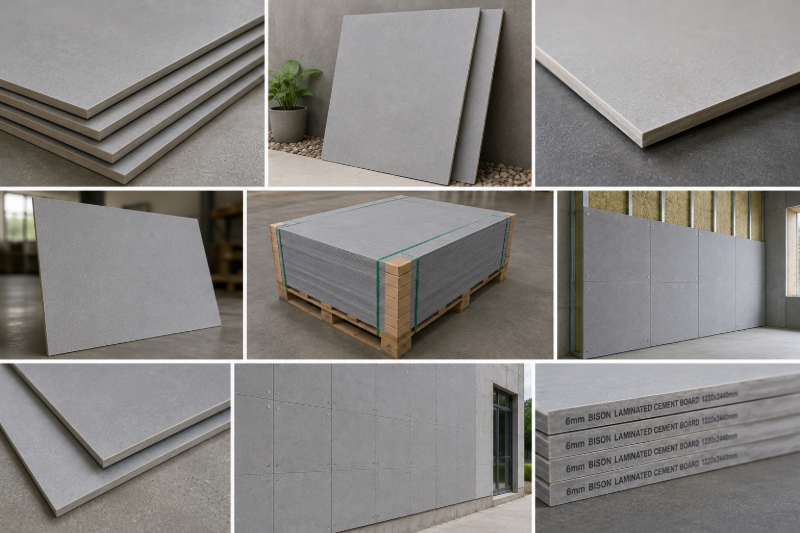
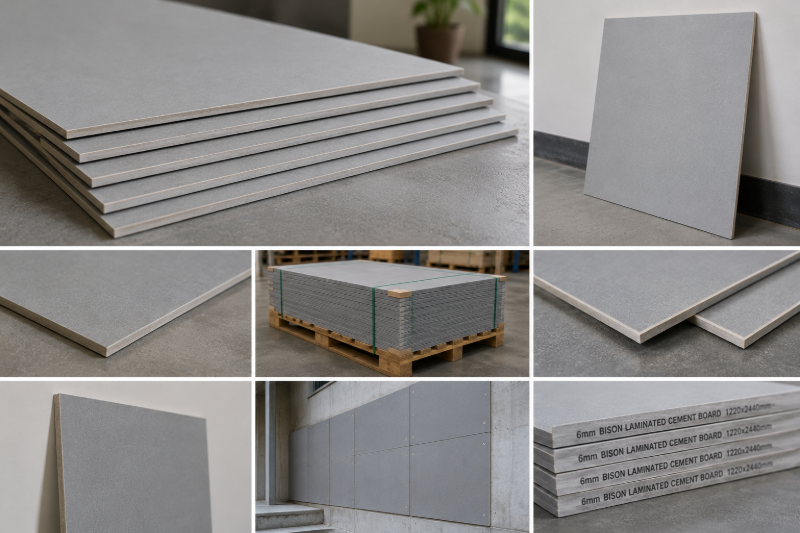
Bison laminated cement bonded particle board is an engineered wood product manufactured by combining wood particles with cement as a binding agent. The 6mm thickness variant with dimensions of 1220mm x 2440mm is a standard size that offers excellent versatility for various construction applications. The beige laminated finish provides an aesthetically pleasing surface that requires minimal additional treatment.
Material Composition and Manufacturing
The manufacturing process involves several key stages. Wood particles are mixed with Portland cement and water to create a homogeneous mixture. This mixture is then compressed under high pressure to form boards of specific thickness. The laminated beige finish is applied as a final layer, providing durability and a professional appearance. This manufacturing process creates a material that is inherently resistant to moisture, termites, and fungal growth—critical advantages in India's diverse climate zones.
Standard Specifications
The 1220mm x 2440mm dimensions represent a standard size that aligns with international building conventions, making it easier for Indian contractors to plan layouts and minimize wastage. The 6mm thickness strikes an optimal balance between structural integrity and lightweight handling, making it suitable for both residential and commercial applications across cities like Mumbai, Delhi, Bangalore, and Hyderabad.
Frequently asked
Key Properties and Performance Characteristics
Moisture and Weather Resistance
One of the most significant advantages of cement bonded particle board is its exceptional resistance to moisture. Unlike traditional plywood, this material does not swell, warp, or delaminate when exposed to water. In Indian cities with high humidity levels—such as coastal regions in Mumbai, Goa, and Chennai—this property makes it an ideal choice for bathrooms, kitchens, and external applications. The cement matrix actively resists moisture penetration, ensuring long-term durability.
Termite and Pest Resistance
Termite damage is a persistent problem in Indian construction, particularly in regions like Delhi, Bangalore, and Kolkata. The cement bonded composition of this particle board makes it completely unattractive to termites and other wood-boring insects. This natural resistance eliminates the need for expensive chemical treatments and provides peace of mind for homeowners and commercial property managers.
Fire Performance
The cement-based composition provides inherent fire resistance, which is crucial for building safety codes across India. While the material should still be tested according to Indian Standards (IS 5509), it generally performs better than conventional wood-based products in fire scenarios, making it suitable for use in high-rise buildings and commercial establishments.
Dimensional Stability
The 6mm thickness combined with the cement bonding ensures excellent dimensional stability across temperature and humidity variations. This is particularly important in India's diverse climate, where temperatures can range from freezing in Himalayan regions to extreme heat in Rajasthan and Gujarat. The material maintains its shape and size, preventing issues like door misalignment and fixture failure.
Applications in Indian Construction and Interior Design
Residential Applications
In residential projects across Indian cities, 6mm Bison laminated cement bonded particle board finds extensive use in:
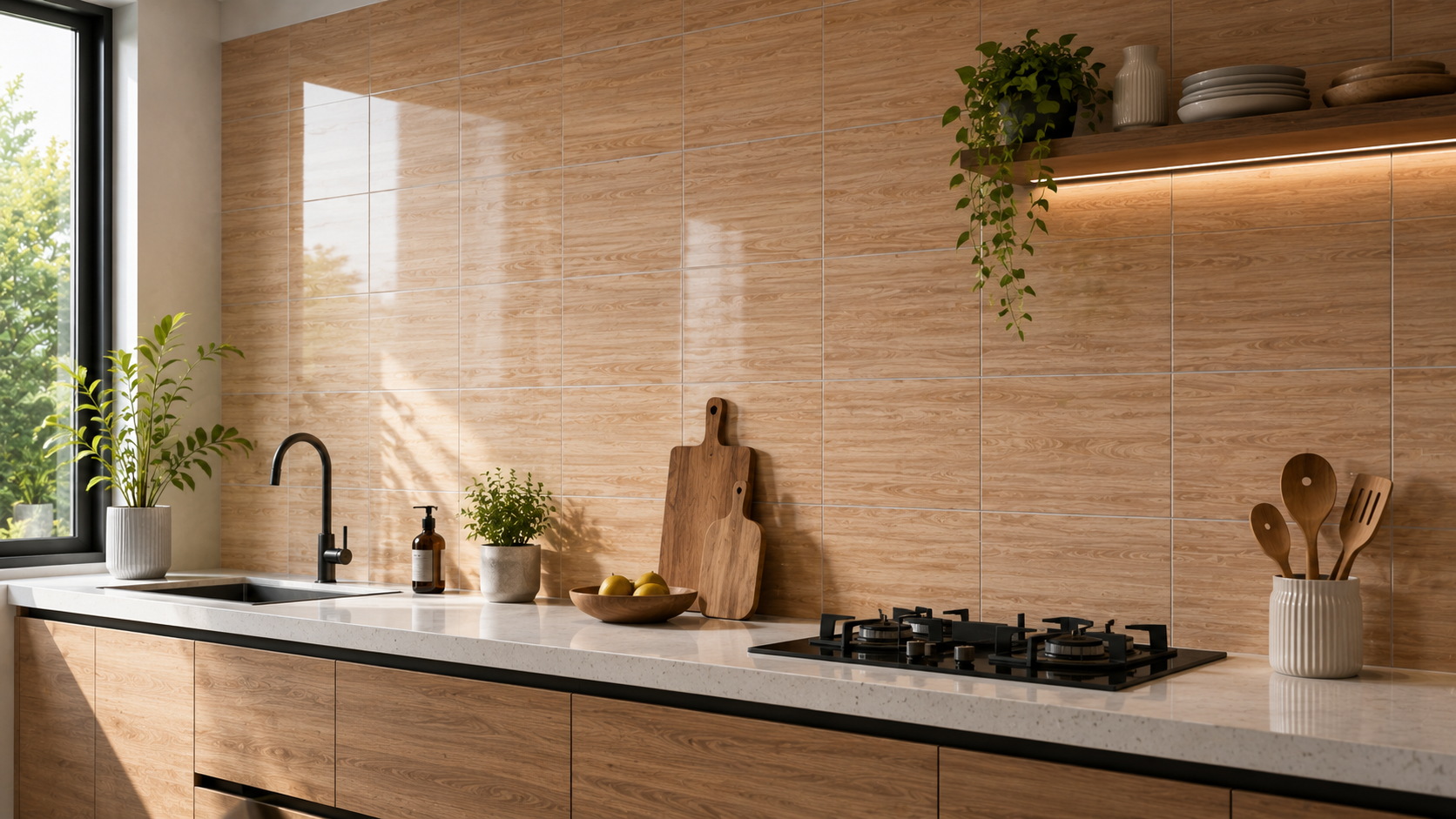
Kitchen Cabinets: The moisture resistance makes it ideal for kitchen environments where spills and steam are common. The beige laminated finish complements modern kitchen designs.
Bathroom Partitions: Its water-resistant properties make it perfect for bathroom wall cladding and vanity units.
Wall Cladding: Both interior and exterior wall applications benefit from its durability and aesthetic appeal.
False Ceilings: The lightweight nature allows for easy installation in suspended ceiling systems.
Storage Solutions: Wardrobes, shelving units, and storage cabinets maintain their integrity over years of use.
Commercial and Industrial Applications
Commercial projects in metropolitan areas like Pune, Ahmedabad, and Hyderabad increasingly specify this material for:
Office Partitions: Lightweight yet durable partitioning systems for flexible office spaces.
Hospitality Interiors: Hotels and restaurants benefit from its moisture resistance and aesthetic finish.
Healthcare Facilities: Hospitals and clinics require materials that can withstand frequent cleaning and maintain hygiene standards.
Educational Institutions: Schools and colleges use it for durable, long-lasting interior solutions.
Retail Environments: Shop fittings and display units maintain their appearance despite high foot traffic.
Specialized Applications
The material's unique properties make it suitable for specialized applications such as:
Wet room construction in spas and swimming facilities
Outdoor signage and architectural cladding
Industrial storage solutions requiring moisture resistance
Agricultural storage facilities in rural areas across India
Cost Considerations for Indian Markets
Price Range and Budget Planning
The cost of 6mm Bison laminated cement bonded particle board varies across Indian cities. As of 2024, you can expect to pay approximately ₹3,500 to ₹5,500 per sheet (1220mm x 2440mm) depending on your location and supplier. Prices in metropolitan areas like Delhi and Mumbai tend to be higher than in Tier 2 cities like Jaipur or Lucknow.
When budgeting for your project, consider these factors:
Transportation Costs: Shipping from manufacturing units in states like Gujarat and Maharashtra to your project location affects final costs.
Wastage Factor: Plan for 10-15% wastage during installation and cutting.
Installation Labor: Skilled labor for installation typically costs ₹50-100 per square foot depending on complexity.
Finishing Materials: Additional costs for edge banding, adhesives, and fasteners should be factored in.
Cost-Benefit Analysis
While the initial cost may be higher than conventional plywood, the long-term value is superior. The material's durability means fewer replacements over a 15-20 year period, reduced maintenance costs, and no need for termite treatments. For a typical residential project in Bangalore or Mumbai, the additional upfront investment often translates to savings of 20-30% over the project's lifetime.
Installation and Handling Guidelines
Storage and Preparation
Proper storage ensures the material maintains its properties:
Store boards in a dry, well-ventilated area
Keep boards flat and supported on level surfaces
Maintain ambient humidity between 40-60% for optimal conditions
Allow boards to acclimatize for 24-48 hours before installation
Cutting and Processing
The 6mm thickness allows for easy cutting with standard woodworking tools:
Use fine-toothed circular saws or table saws for straight cuts
Band saws work well for curved cuts
Drill holes with standard wood drill bits
Sand edges smooth after cutting to ensure proper fitting
Installation Best Practices
For optimal results, follow these installation guidelines:
Use corrosion-resistant fasteners (stainless steel or galvanized)
Apply appropriate adhesives for your specific application
Ensure proper ventilation in enclosed spaces
Follow manufacturer specifications for spacing and support
In high-moisture areas, apply appropriate sealants at joints and edges
Compliance with Indian Standards and Regulations
When specifying materials for construction projects in India, compliance with relevant standards is essential. Bison laminated cement bonded particle board should meet:
IS 3948: Fibre and Particle Board specifications
IS 4020: Code of practice for use of wood in buildings
IS 5509: Code of practice for fire safety of buildings (general)
National Building Code (NBC): For structural applications and fire ratings
Always request certification documents from suppliers confirming compliance with these standards before specifying the material for your project.
Comparison with Alternative Materials
vs. Traditional Plywood
While plywood is widely used across India, cement bonded particle board offers superior moisture resistance, termite resistance, and dimensional stability. However, plywood may be more readily available in some smaller Indian cities.
vs. MDF and Particle Board
Standard MDF and particle board are vulnerable to moisture damage and termite attack, making them unsuitable for many Indian applications. Cement bonded variants offer significantly better performance in India's diverse climate conditions.
vs. Solid Wood
While solid wood offers aesthetic appeal, it requires regular maintenance, is susceptible to termites and moisture damage, and is more expensive. Engineered solutions like Bison boards provide better value for money in most Indian applications.
Maintenance and Long-Term Care
Routine Maintenance
Maintaining your installation ensures longevity:
Wipe surfaces regularly with a damp cloth
Avoid prolonged water exposure despite water resistance
Inspect joints and edges periodically for any signs of damage
Clean with mild detergents; avoid harsh chemicals
Protective Measures
In high-moisture areas, consider additional protection:
Apply water-resistant coatings or varnishes in bathrooms and kitchens
Ensure proper ventilation to minimize humidity accumulation
Use appropriate edge sealing in wet areas
Install proper drainage systems to prevent water pooling
Environmental and Sustainability Considerations
Modern Bison laminated cement bonded particle boards are increasingly manufactured with sustainability in mind. The material utilizes wood waste and particles that might otherwise go to landfills, making it an eco-friendly choice. The cement bonding process is energy-efficient compared to traditional plywood manufacturing, and the material's longevity means fewer replacements and less waste generation over time.
For environmentally conscious projects across Indian cities, specifying this material demonstrates commitment to sustainable construction practices while maintaining performance standards.
Finding Reliable Suppliers and Professionals in India
Sourcing quality materials and skilled professionals is crucial for project success. Whether you're working on a residential renovation in Pune, a commercial fit-out in Delhi, or an industrial application in Chennai, finding the right partners matters. AECORD, India's leading B2B2C marketplace for AECO professionals, connects architects, engineers, and builders with verified suppliers and installation experts who specialize in materials like 6mm Bison laminated cement bonded particle board.
Through AECORD's platform, you can:
Access a network of certified suppliers across major Indian cities
Compare pricing and product specifications from multiple vendors
Connect with experienced installation professionals
Review project portfolios and client testimonials
Streamline procurement and project coordination
Conclusion
The 6mm Bison laminated cement bonded particle board in beige finish (1220mm x 2440mm) represents an excellent choice for modern construction projects across India. Its superior moisture resistance, termite protection, dimensional stability, and aesthetic appeal make it suitable for diverse applications from residential to commercial to industrial sectors.
By understanding its properties, applications, cost implications, and proper installation methods, you can make informed decisions that enhance project quality while providing excellent long-term value. Whether you're specifying materials for a luxury apartment complex in Mumbai, a corporate office in Bangalore, or a hospitality project in Goa, this material delivers reliable performance across India's varied climate conditions.
For your next project, consider partnering with AECORD to source quality materials and connect with skilled professionals who understand the nuances of working with these advanced engineered products in the Indian market. Start exploring verified suppliers and installation experts today to ensure your project achieves the durability and aesthetic standards your clients expect.
Frequently Asked Questions
What is 6mm Bison laminated cement bonded particle board used for?
6mm Bison laminated cement bonded particle board is an engineered wood product used in residential and commercial construction applications across India. It's particularly suitable for bathrooms, kitchens, external applications, and high-rise buildings due to its moisture resistance and fire performance properties.
Is cement bonded particle board resistant to termites?
Yes, the cement-based composition of this particle board makes it completely resistant to termites and wood-boring insects, eliminating the need for expensive chemical treatments. This natural resistance is especially valuable in Indian regions like Delhi, Bangalore, and Kolkata where termite damage is a persistent problem.
How does 6mm cement board perform in humid climates?
Cement bonded particle board has exceptional moisture resistance and does not swell, warp, or delaminate when exposed to water, making it ideal for high-humidity Indian cities like Mumbai, Goa, and Chennai. The cement matrix actively resists moisture penetration, ensuring long-term durability in bathrooms and kitchens.
What are the standard dimensions of Bison cement board?
The standard size is 1220mm x 2440mm with 6mm thickness, which aligns with international building conventions and helps Indian contractors minimize wastage while planning layouts for projects in cities across India.
Does cement bonded particle board meet Indian fire safety standards?
Yes, the cement-based composition provides inherent fire resistance that generally performs better than conventional wood-based products in fire scenarios. The material should be tested according to Indian Standards (IS 5509) and is suitable for use in high-rise buildings and commercial establishments.