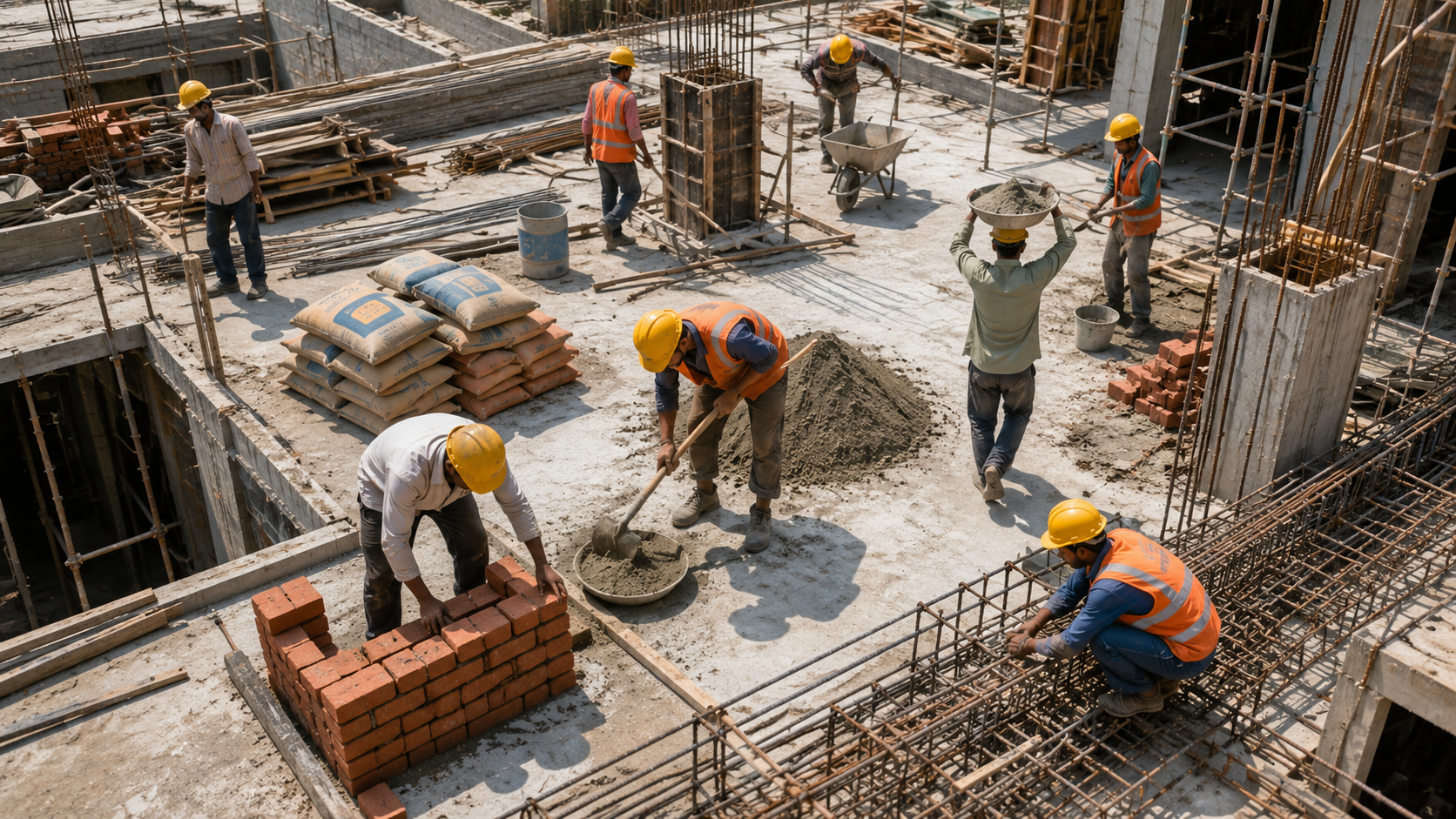


Understanding IPS Weld on UPVC Solvent Cement: A Comprehensive Guide for Indian Construction Professionals
Solvent cement is one of the most critical materials in modern plumbing and HVAC installations across India. Among the various options available, IPS Weld On UPVC solvent cement has emerged as a trusted choice for professionals working with unplasticized polyvinyl chloride (UPVC) pipes and fittings. This comprehensive guide explores everything you need to know about this essential construction material, its applications, benefits, and proper usage in the Indian market.
Build cost · Bengaluru, May 2026
What is IPS Weld On UPVC Solvent Cement?
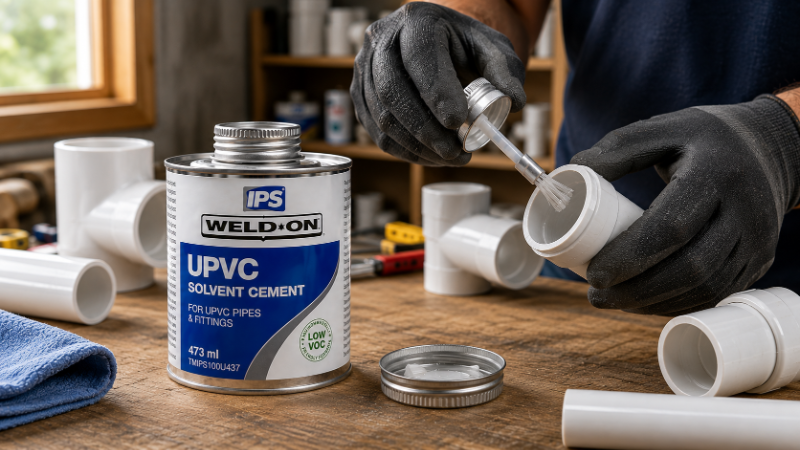
IPS Weld On UPVC solvent cement is a specialized adhesive designed specifically for bonding UPVC pipes and fittings. The 473ml (approximately 500ml) container with the model designation TMIPS100U437 (reference number) is a popular size among Indian contractors and plumbers. This solvent cement works by chemically dissolving the surface of UPVC materials, creating a permanent molecular bond that is stronger than the pipe material itself.
The term "weld on" refers to the nature of the bond created—it's not merely an adhesive joining but rather a true welding process at the molecular level. This makes it significantly more reliable than mechanical fastening methods for UPVC applications.
Composition and Technical Specifications
IPS Weld On solvent cement typically contains:
Cyclohexanone: The primary solvent that dissolves UPVC
UPVC resin: Provides bonding material and strength
Tetrahydrofuran (THF): Secondary solvent for improved flow and penetration
Stabilizers: Prevent premature hardening and extend shelf life
Colorants: Usually blue or purple for easy identification and application visibility
The 473ml size is ideal for both small residential projects and medium-scale commercial installations. A single container can typically bond 50-70 pipe joints, depending on the pipe diameter and application technique.
Why Choose IPS Weld On for Your UPVC Projects?
Frequently asked
Superior Bond Strength
Unlike mechanical joints or tape-based sealing methods, IPS Weld On creates a bond that equals or exceeds the strength of the UPVC pipe itself. This is particularly important in Indian climates where temperature fluctuations and pressure variations are common. Testing has shown that properly applied solvent cement joints can withstand pressures exceeding 10 kg/cm², making them suitable for both water supply and drainage applications.
Cost-Effectiveness
In the Indian market, a 473ml bottle of IPS Weld On solvent cement typically costs between ₹400-₹700, depending on the retailer and location. When you calculate the cost per joint (approximately ₹8-₹12), it becomes one of the most economical bonding solutions available. This makes it particularly attractive for large-scale projects where thousands of joints need to be created.
Quick Setting Time
The solvent cement sets rapidly—typically within 30 seconds for initial grip and 2-3 minutes for handling. This quick turnaround is invaluable for professionals working on tight schedules. In Indian construction sites where time efficiency directly impacts project costs, this fast-setting characteristic provides significant advantages.
Reliability in Indian Climate Conditions
Indian weather conditions—from the humid coastal regions of Mumbai and Chennai to the dry plains of Delhi and Jaipur—can stress plumbing systems significantly. IPS Weld On solvent cement maintains its integrity across the temperature range of -10°C to +60°C, covering all typical Indian climatic conditions. The bonds don't degrade under UV exposure, making them suitable for both underground and above-ground installations.
Applications in Indian Construction Projects
Residential Plumbing Systems
The majority of residential buildings in Indian cities like Bangalore, Hyderabad, and Pune now use UPVC pipes for water supply and drainage. IPS Weld On is the standard choice for creating these connections. Whether you're installing a new water line in a Mumbai high-rise or creating drainage systems in a Pune villa, this solvent cement ensures leak-free joints that last for decades.
Commercial and Industrial Applications
Large commercial complexes, hospitals, and industrial facilities across India rely on UPVC piping systems for their cost-effectiveness and durability. IPS Weld On solvent cement is essential for creating the thousands of joints required in these installations. A typical 10-story office building in Bangalore might require 5-10 bottles of this solvent cement for complete plumbing installation.
Agricultural and Irrigation Projects
With India's focus on sustainable agriculture, UPVC pipes have become increasingly common in irrigation systems across states like Punjab, Haryana, and Maharashtra. The durability of solvent-cemented joints makes them ideal for these applications, where maintenance access can be limited.
HVAC and Cooling Systems
Modern air conditioning installations in Indian buildings frequently use UPVC ducts and pipes. IPS Weld On ensures that these systems remain sealed and efficient, preventing refrigerant leaks and maintaining optimal performance in India's hot climate.
Proper Application Technique for Best Results
Surface Preparation
The success of any solvent cement application depends on proper preparation:
Clean all surfaces: Remove dust, dirt, and moisture using a dry cloth. Any contamination will compromise the bond.
Chamfer edges: Slightly bevel the pipe end to improve solvent penetration and reduce stress concentration.
Test fit: Always perform a dry fit to ensure proper alignment before applying cement.
Mark depth: Use a marker to indicate how far the pipe should insert into the fitting, ensuring consistent joint depth.
Application Process
Step 1: Apply Primer (if required) - While IPS Weld On can be used directly on clean UPVC, applying a primer first improves bond strength, especially on aged pipes or in humid conditions common across Indian coastal cities.
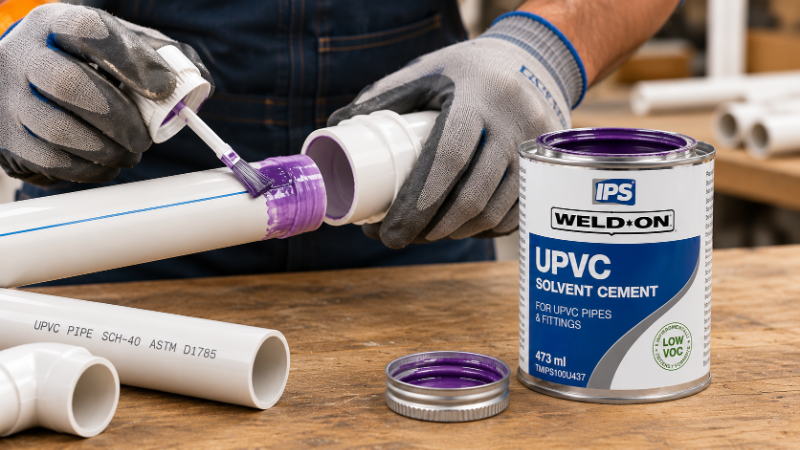
Step 2: Apply Solvent Cement - Using the brush applicator built into the cap, apply a generous coat to both the pipe end and the inside of the fitting. The cement should be visible on both surfaces.
Step 3: Insert and Twist - Immediately insert the pipe into the fitting with a slight twisting motion. This helps distribute the solvent evenly and removes air pockets.
Step 4: Hold Firmly - Maintain pressure for 30 seconds to ensure the joint sets properly.
Step 5: Wipe Excess - Clean up excess cement immediately with a cloth. Once dry, it's difficult to remove.
Curing Time and Pressure Testing
While the joint sets quickly, full cure typically requires 24 hours before the system can be pressurized. For critical installations, especially in commercial projects across Indian cities, it's advisable to wait a full 24 hours before running water or applying system pressure. This is particularly important during monsoon season in cities like Mumbai and Kolkata, where humidity can affect curing times.
Safety Considerations and Storage
Health and Safety Precautions
IPS Weld On contains volatile organic compounds (VOCs) that require careful handling:
Always work in well-ventilated areas. This is especially important in Indian construction sites where ventilation might be limited during monsoon season.
Wear chemical-resistant gloves to prevent skin contact.
Use safety glasses to protect eyes from accidental splashes.
Avoid inhalation of fumes—use respiratory protection in enclosed spaces.
Keep away from open flames and electrical sources, as the solvent is flammable.
Proper Storage
In the Indian climate, proper storage is crucial:
Store in a cool, dry place away from direct sunlight. Temperature should ideally remain between 15-25°C.
Keep containers tightly sealed to prevent evaporation and solvent loss.
Store away from water sources, as moisture can affect product quality.
Keep in a designated storage area away from living spaces and food items.
Check expiration dates—the product typically remains viable for 2-3 years when properly stored.
Comparing IPS Weld On with Alternatives
versus Mechanical Fittings
While mechanical fittings (compression fittings, push-fit fittings) are available in the Indian market, they typically cost 3-5 times more than solvent cement solutions. Additionally, mechanical joints are prone to leaks over time due to vibration and thermal expansion, making solvent cement the preferred choice for permanent installations.
versus Other Solvent Cements
Several brands offer UPVC solvent cement in India, including local and international options. IPS Weld On stands out for its:
Consistent quality across batches
Faster setting time compared to many alternatives
Superior bond strength ratings
Better performance in high-temperature applications
Availability across major Indian cities and online platforms
Common Mistakes to Avoid
Using Expired Product: Solvent cement loses potency over time. Always check manufacturing and expiration dates before use.
Insufficient Surface Preparation: Dirty or wet surfaces are the leading cause of joint failures. Take time to properly clean all bonding surfaces.
Applying Excessive Cement: More cement doesn't mean stronger bonds. A thin, even coat is more effective than a thick application.
Rushing the Cure Time: Impatience is costly. Always allow proper curing time before pressurizing systems.
Using in Cold Conditions: Solvent cement doesn't work well in temperatures below 10°C. Avoid application during early morning hours in winter or in air-conditioned spaces.
Finding Quality Supplies Through AECORD
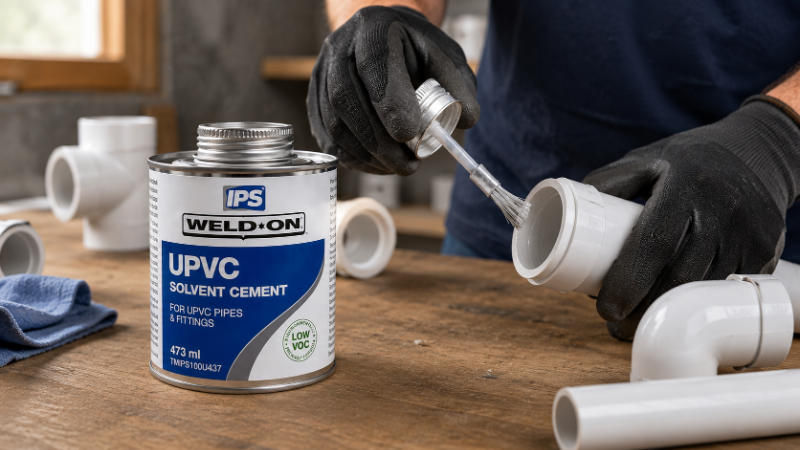
When sourcing IPS Weld On UPVC solvent cement and other plumbing materials for your projects, quality and reliability are paramount. AECORD, India's leading B2B2C marketplace for AECO professionals, connects you with verified suppliers and manufacturers across the country. Whether you're based in Delhi, Mumbai, Bangalore, or any other Indian city, you can find authentic IPS Weld On products and compare prices from multiple suppliers through the AECORD platform.
The platform also allows you to connect with experienced plumbing contractors and UPVC specialists who can provide guidance on proper application techniques specific to your project requirements.
Regulatory Compliance in India
UPVC plumbing systems in India must comply with Indian Standards (IS) codes, particularly IS 4985:2000 for rigid PVC pipes and IS 1239 for metallic pipes. When using IPS Weld On solvent cement, ensure that the product meets these standards. The cement should also comply with BIS (Bureau of Indian Standards) requirements for safety and performance.
For water supply systems, the solvent cement must be approved for potable water use. Always verify that your chosen product carries the necessary certifications before using it in drinking water applications.
Cost Analysis for Indian Projects
For a typical residential project in an Indian city like Pune or Hyderabad requiring 500 pipe joints:
Cost of solvent cement: ₹5,000-₹7,000 (approximately 7-10 bottles of 473ml)
Cost per joint: ₹10-₹14
Total plumbing cost savings compared to mechanical fittings: ₹30,000-₹50,000
This significant cost advantage, combined with superior performance, makes solvent cement the clear choice for most Indian construction projects.
Conclusion
IPS Weld On UPVC solvent cement remains the gold standard for bonding UPVC pipes and fittings in India. Its combination of superior bond strength, cost-effectiveness, quick setting time, and reliable performance across diverse Indian climatic conditions makes it indispensable for plumbing professionals, contractors, and builders.
Whether you're working on a small residential project in Jaipur or a large commercial installation in Mumbai, proper selection and application of quality solvent cement ensures systems that will perform reliably for decades. Remember that success depends not just on choosing the right product, but also on following proper application techniques and allowing adequate curing time.
For sourcing authentic IPS Weld On solvent cement and connecting with experienced plumbing professionals in your area, explore AECORD's comprehensive network of verified suppliers and contractors. Our platform makes it easy to find quality materials and expert guidance for your next UPVC plumbing project, regardless of your location across India.
Frequently Asked Questions
What is the difference between IPS Weld On solvent cement and regular adhesive for UPVC pipes?
IPS Weld On creates a true molecular bond by chemically dissolving the UPVC surface, resulting in a joint stronger than the pipe itself, whereas regular adhesives merely join surfaces mechanically. This solvent welding process makes it significantly more reliable for plumbing and HVAC applications.
How many pipe joints can a 473ml bottle of IPS Weld On cement bond?
A single 473ml container can typically bond 50-70 pipe joints, depending on the pipe diameter and application technique. This makes it cost-effective at approximately ₹8-₹12 per joint in the Indian market.
How long does IPS Weld On solvent cement take to set?
IPS Weld On sets rapidly, achieving initial grip within 30 seconds and becoming fully handleable within 2-3 minutes. This quick-setting characteristic makes it ideal for time-sensitive construction projects.
Is IPS Weld On solvent cement suitable for Indian climate conditions?
Yes, IPS Weld On maintains integrity across temperatures from -10°C to +60°C, covering all typical Indian climatic conditions from coastal humidity to dry plains. The bonds also resist UV degradation, making them suitable for both underground and above-ground installations.
What is the maximum pressure that IPS Weld On UPVC joints can withstand?
Properly applied IPS Weld On solvent cement joints can withstand pressures exceeding 10 kg/cm², making them suitable for both water supply and drainage applications in residential and commercial settings.