

300 x 600 mm Plasma Carob Glazed Vitrified Wall Tile: The Complete Guide for Indian Architects and Designers
When it comes to selecting wall tiles for residential and commercial projects in India, the 300 x 600 mm format has become increasingly popular among architects and interior designers. The plasma carob glazed vitrified wall tile with matt finish represents a premium choice that combines aesthetic appeal with practical durability. This comprehensive guide will help you understand everything you need to know about this tile specification and how it can enhance your projects.
Build cost · Bengaluru, May 2026
Understanding the 300 x 600 mm Tile Dimension and Its Advantages
Why This Size Matters in Modern Construction
The 300 x 600 mm tile dimension has become a standard in contemporary Indian architecture for several compelling reasons. This rectangular format, which is twice as long as it is wide, creates a visually elongated appearance that can make spaces feel larger and more sophisticated. In metropolitan areas like Mumbai, Bangalore, and Delhi, where space optimization is crucial, this tile size offers an excellent balance between coverage area and ease of installation.
The 300 x 600 mm format covers 0.18 square meters per tile, meaning you need approximately 5.5 tiles to cover one square meter. This makes it more efficient than smaller tiles in terms of labor costs and installation time, which is particularly important when managing project budgets in India's competitive construction market.
Installation Efficiency and Cost Implications
Compared to smaller 200 x 300 mm or 100 x 300 mm tiles, the 300 x 600 mm size reduces the number of grout joints required, which has several advantages. Fewer joints mean less grout material consumption, reduced labor hours for grouting, and a cleaner aesthetic appearance. For projects across Indian cities, this translates to cost savings of approximately 10-15% on installation labor compared to smaller tile formats.
The larger format also means fewer tiles to handle and position, reducing the risk of breakage during installation—an important consideration given transportation and handling challenges in Indian construction sites.
Frequently asked
Plasma Carob Finish: Aesthetic and Design Considerations
What Makes Plasma Carob Unique
The plasma carob finish refers to the tile's surface coloration and texture characteristics. Carob, inspired by the natural carob bean, presents a warm, earthy brown tone that ranges from light tan to deeper chocolate hues. This neutral color palette is exceptionally versatile and works well with various interior design styles—from minimalist modern to traditional Indian aesthetics.
The "plasma" designation indicates the manufacturing technique used to achieve consistent color distribution and surface properties. This advanced production method ensures that each tile maintains uniform appearance across batches, which is crucial for large-scale projects where color consistency can make or break the final aesthetic.
Design Applications in Indian Homes and Offices
In Indian residential projects, the plasma carob finish works exceptionally well for:
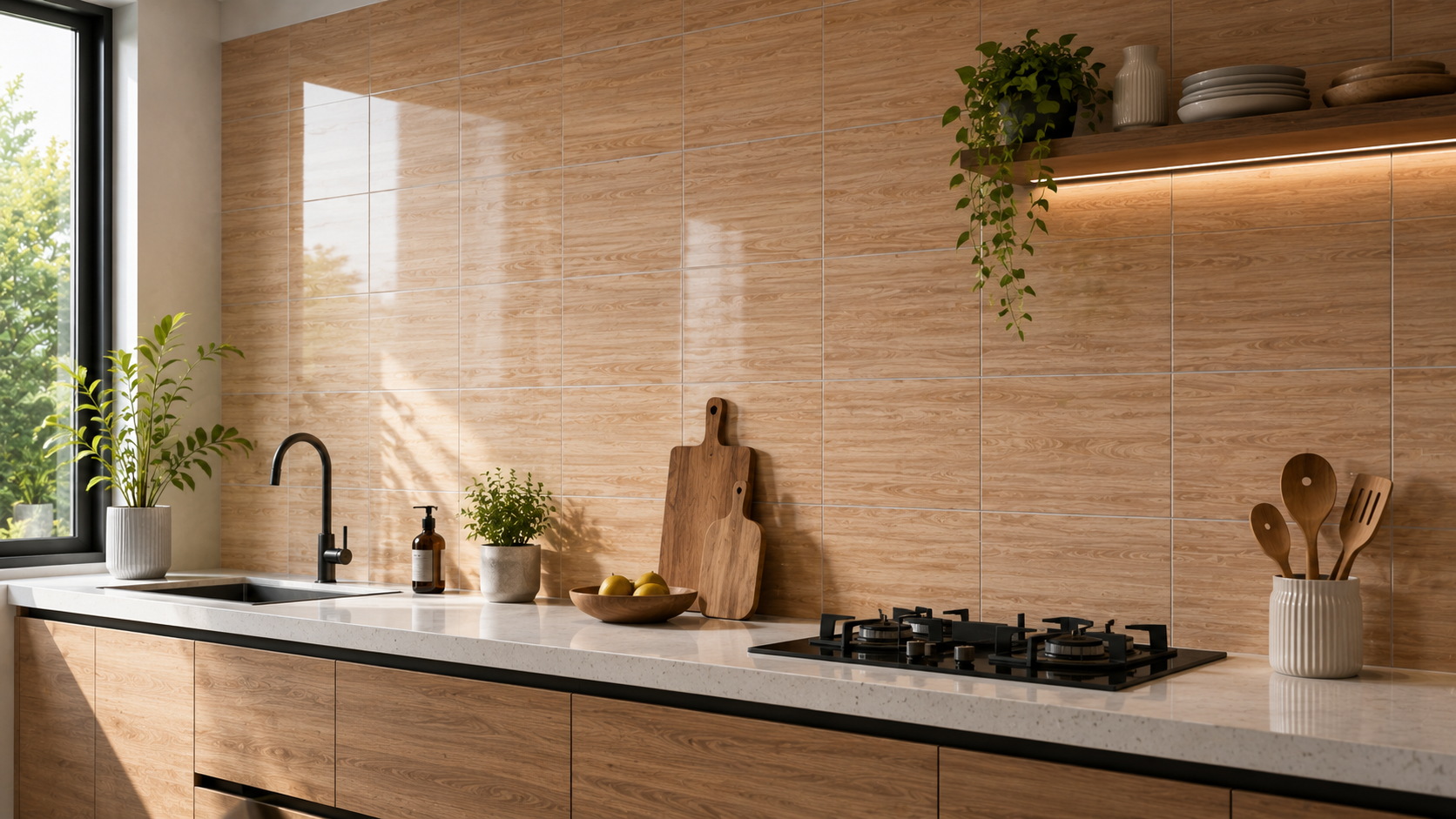
Kitchen backsplashes – The warm tone complements both traditional and contemporary kitchen designs, and the neutral color hides minor stains effectively
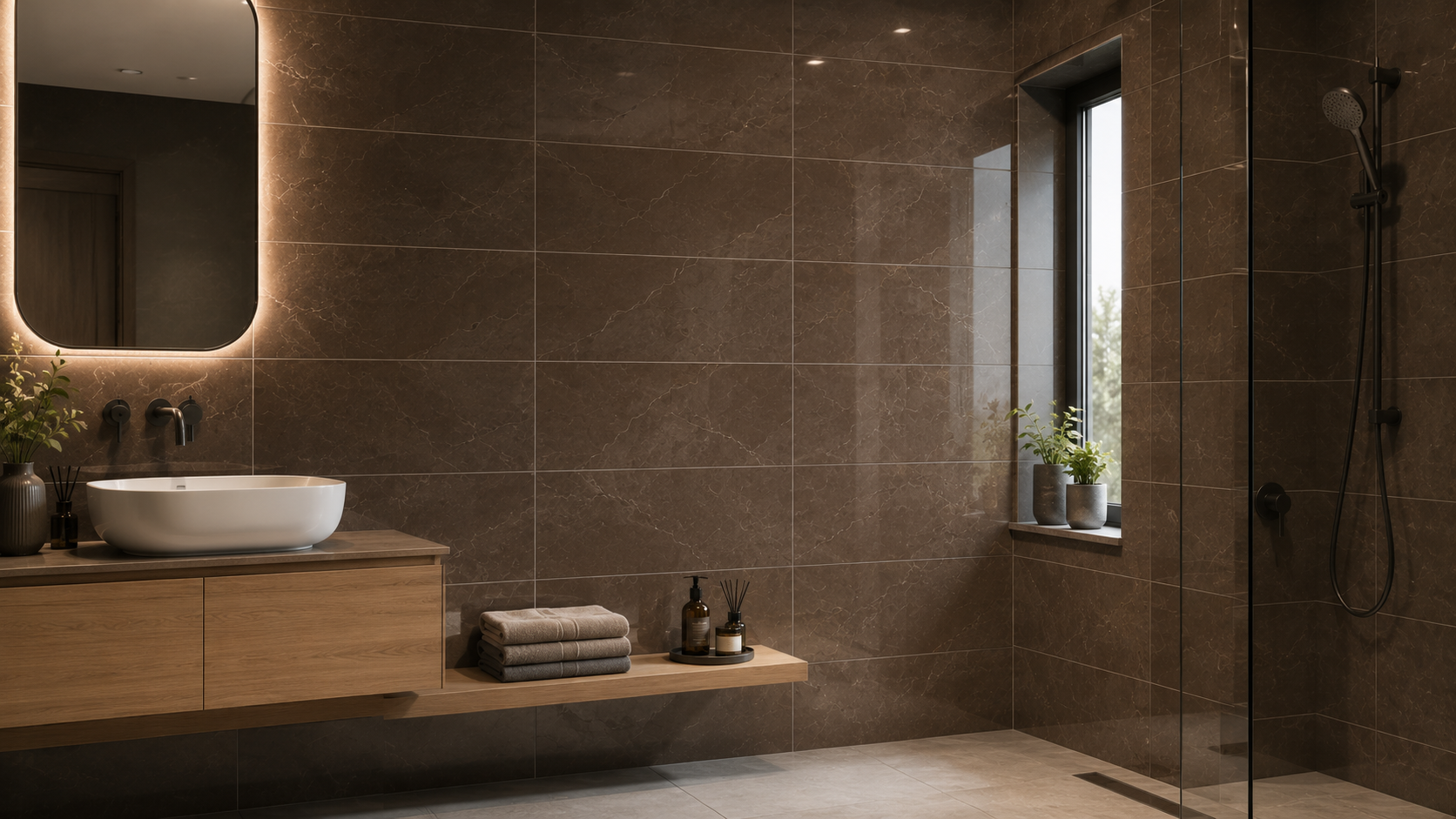
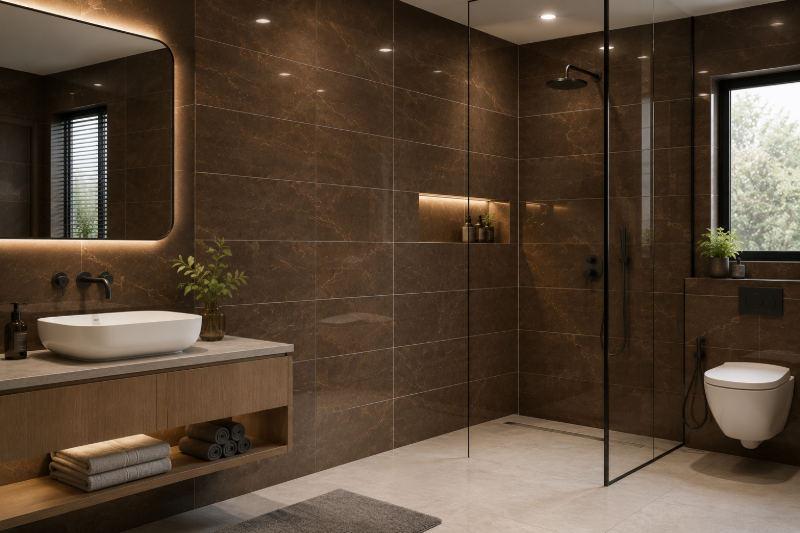
Bathroom feature walls – Creates a spa-like atmosphere when combined with appropriate lighting and complementary fixtures
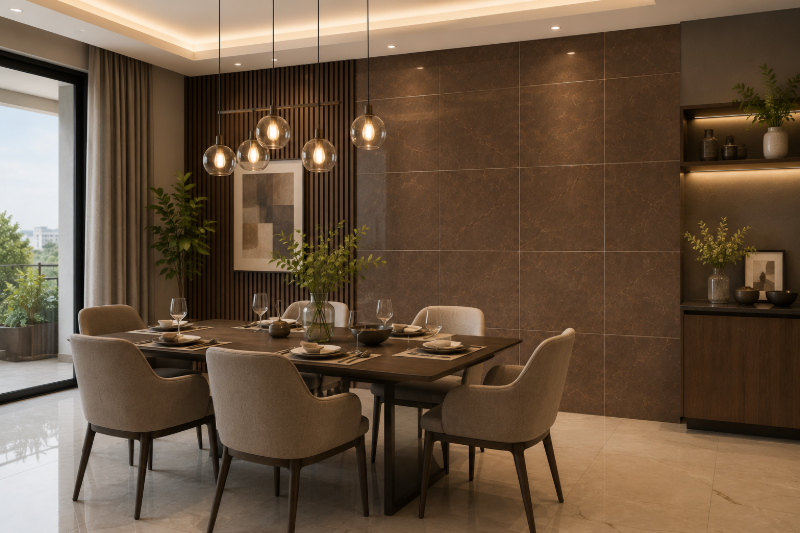
Living room accent walls – Adds sophistication without overwhelming the space
Commercial spaces – Hotels, restaurants, and retail establishments in cities like Pune, Hyderabad, and Chennai increasingly use this finish for its professional appearance
The warm undertones of carob make it particularly suitable for spaces with natural lighting, as it reflects light in a way that creates depth and dimension.
Glazed Vitrified Tiles: Understanding the Technology
What Makes Tiles "Glazed Vitrified"?
Glazed vitrified tiles represent one of the most advanced tile technologies available in the Indian market. These tiles undergo a process where the ceramic body is fired at extremely high temperatures, causing the clay to become non-porous and glass-like. The glaze coating applied on top creates a protective, impermeable surface.
The vitrification process is what sets these tiles apart from traditional ceramic tiles. When clay is vitrified, it achieves water absorption rates of less than 0.5%, making these tiles exceptionally durable and suitable for both wet and dry areas. This is particularly important in India's diverse climate zones—from the humid coastal regions of Kerala and Goa to the dry climates of Rajasthan.
Performance Characteristics
Glazed vitrified tiles with the 300 x 600 mm plasma carob finish typically offer:
Water absorption: Less than 0.5%, ensuring long-term durability in bathrooms and kitchens
Slip resistance: Matt finish variants provide better grip than glossy finishes, making them safer for bathrooms and areas prone to moisture
Stain resistance: The glazed surface resists common household stains from tea, coffee, and cooking oils
Scratch resistance: The hardened surface resists scratching from daily wear and cleaning
Chemical resistance: Resistant to acids and alkalis, important for kitchen and industrial applications
These performance characteristics make glazed vitrified tiles an investment that pays dividends over time, particularly in Indian homes where tiles often last 20-30 years or more.
Matt Finish: Advantages and Maintenance
Why Choose Matt Over Glossy?
The matt finish on these tiles represents a significant advantage over glossy alternatives. While glossy tiles reflect light and can appear more luxurious, matt finishes offer several practical benefits that make them increasingly popular in Indian homes:
Safety: Matt surfaces provide better slip resistance, particularly important in bathrooms and kitchens where moisture is present
Less glare: Reduces eye strain and creates a more comfortable living environment, especially in rooms with bright natural light
Aesthetic versatility: Works with more design styles and doesn't show fingerprints or water spots as easily
Contemporary appeal: Modern interior design trends in India increasingly favor matt finishes for their sophisticated, understated elegance
When designing spaces in Indian cities, the matt finish becomes particularly valuable in areas with high humidity or heavy foot traffic.
Maintenance and Care of Matt Finish Tiles
Contrary to common misconceptions, matt finish tiles are not difficult to maintain. Regular cleaning with mild soap and water is usually sufficient. The key differences in maintenance compared to glossy tiles include:
Use a microfiber cloth or soft mop to avoid streaking
Avoid using harsh abrasive cleaners that could damage the surface
For stubborn stains, a mixture of white vinegar and water works effectively
Ensure proper grout maintenance, as grout lines can accumulate dirt more visibly on darker tiles
The plasma carob color actually works in your favor here, as it naturally hides dust and minor imperfections better than lighter finishes.
Technical Specifications and Quality Standards
Indian Standards Compliance
Quality glazed vitrified tiles in India should comply with IS 15622:2021, the Indian Standard for vitrified tiles. The 300 x 600 mm plasma carob glazed tile with matt finish should meet specifications including:
Dimensional tolerance: ±1% (approximately ±3-6 mm for this size)
Water absorption: Maximum 0.5%
Breaking strength: Minimum 1300 N
Surface hardness: Minimum 6 on Mohs scale
Thermal shock resistance: Capable of withstanding temperature variations
When sourcing tiles for your project, always verify that manufacturers provide test certificates from recognized laboratories. This is particularly important when purchasing from suppliers across India, as quality can vary significantly.
Grading and Sorting
Tiles are typically graded as First Quality (FQ) or Second Quality (2Q) based on surface defects. For visible areas in your project, always specify First Quality tiles. Second Quality tiles may be acceptable for areas that won't be prominently visible, potentially offering cost savings of 15-20%.
Pricing and Cost Considerations in the Indian Market
Current Market Rates
As of 2024, glazed vitrified wall tiles in the 300 x 600 mm format with matt finish typically range from ₹200 to ₹400 per square meter for quality branded options. The plasma carob finish, being a popular neutral shade, usually falls in the mid-to-upper range of this spectrum—approximately ₹300-₹350 per square meter for First Quality tiles from established manufacturers.
This pricing can vary based on several factors:
Location: Tiles may be more expensive in tier-2 cities like Jaipur, Lucknow, or Chandigarh due to transportation costs
Brand: Established brands like Kajaria, Somany, and Nitco may command a premium of 10-20% compared to regional manufacturers
Order quantity: Bulk orders often receive discounts of 5-10%
Supplier type: Direct purchases from manufacturers are typically cheaper than retail showrooms
Total Project Cost Estimation
For a typical 100 square meter installation in an Indian city, you should budget:
Tiles: ₹30,000-₹35,000 (at ₹300-₹350 per sqm)
Installation labor: ₹10,000-₹15,000 (₹100-₹150 per sqm)
Adhesive and grout: ₹3,000-₹5,000
Contingency (10%): ₹4,300-₹5,500
Total estimated cost: ₹47,300-₹60,500
These estimates can vary based on site conditions, accessibility, and local labor rates.
Sourcing and Supplier Considerations
Finding Quality Suppliers
When sourcing 300 x 600 mm plasma carob glazed vitrified tiles for your project, consider using platforms like AECORD, which connects architects and designers with verified tile suppliers across India. AECORD makes it easier to compare options from multiple manufacturers and suppliers without extensive legwork.
Key factors to consider when selecting suppliers:
Manufacturing certifications and compliance with Indian Standards
Availability of test certificates and technical documentation
Return and replacement policies for defective tiles
Delivery timelines and logistics support
After-sales service and warranty terms
Specification and Ordering Best Practices
Always order tiles with a 5-10% wastage buffer to account for cuts, breakage, and future repairs. For the 300 x 600 mm format, this is particularly important as larger tiles require more careful cutting and fitting. When placing orders, specify:
Exact product code
Quantity in square meters
Delivery location and date
Grading requirement (First Quality/Second Quality)
Batch consistency requirements
Installation Considerations and Best Practices
Substrate Preparation
Proper substrate preparation is crucial for the longevity of your tile installation. The wall surface should be:
Clean and free of dust, loose paint, or plaster
Level and even (tolerance: ±3mm per meter)
Properly cured if it's a new wall (minimum 28 days for concrete/plaster)
Adequately primed if the surface is porous
In Indian climates, proper substrate preparation prevents issues like tile lifting or cracking due to moisture migration, particularly important in coastal areas and regions with significant temperature fluctuations.
Adhesive Selection
For 300 x 600 mm tiles, use a high-quality tile adhesive (cement-based or epoxy). The larger tile size requires:
Minimum 6mm notch trowel for application
Full-bed adhesive coverage to prevent hollow spots
Proper curing time before grouting (typically 24 hours)
Epoxy adhesives, while more expensive (₹500-₹800 per kg), offer superior water resistance and are recommended for wet areas in Indian homes.
Grouting and Finishing
The grout color selection is important with plasma carob tiles. Matching grout (using carob-colored epoxy or cement-based grout) creates a seamless appearance, while contrasting grouts (white or gray) can emphasize the tile geometry. For the matt finish, epoxy grout is preferred as it resists staining better than traditional cement grout.
Comparing Alternatives and Making the Right Choice
300 x 600 mm vs. Other Tile Sizes
The 300 x 600 mm format competes with several other popular sizes in the Indian market:
200 x 300 mm: More traditional, allows more creative patterns, but requires more grout and labor
600 x 600 mm: Creates a more spacious feel but can look monotonous in smaller spaces
300 x 300 mm: Versatile for various applications but less contemporary
The 300 x 600 mm size strikes an optimal balance for most Indian residential and commercial applications, offering contemporary aesthetics without the visual heaviness of larger formats.
Matt vs. Glossy Finish Comparison
While glossy finishes may appear more luxurious initially, matt finishes offer better long-term value in Indian homes due to superior slip resistance, easier maintenance, and contemporary design appeal. The plasma carob color in matt finish is particularly versatile and forgiving in high-traffic areas.
Sustainability and Environmental Considerations
Modern glazed vitrified tile manufacturing in India is increasingly focused on sustainability. When sourcing tiles, look for manufacturers who:
Use recycled materials in tile production
Implement water recycling systems in manufacturing
Minimize waste through efficient production processes
Use natural, non-toxic glazes
Tiles are a long-lasting material, and choosing durable options like glazed vitrified tiles reduces the need for replacement, making them an environmentally responsible choice for Indian construction projects.
Troubleshooting Common Issues
Addressing Installation Problems
If you encounter issues after installation, common problems and solutions include:
Hollow spots: Caused by incomplete adhesive coverage; prevent by using proper trowel technique
Lippage (uneven surfaces): Use tile spacers and leveling systems during installation
Grout cracking: Ensure proper curing time and avoid premature water exposure
Staining: Seal grout lines with quality sealers, especially in kitchens
Final Recommendations for Indian Projects
The 300 x 600 mm plasma carob glazed vitrified wall tile with matt finish represents an excellent choice for architects and designers working on projects across India. Its combination of aesthetic appeal, durability, and practical performance makes it suitable for residential kitchens and bathrooms, commercial spaces, and hospitality projects.
To ensure project success, prioritize proper supplier selection, rigorous quality verification, and professional installation. Using platforms like AECORD can streamline your supplier selection process and connect you with verified professionals who understand the specific requirements of Indian construction standards and climate conditions.
Whether you're designing a luxury apartment in Mumbai, a boutique hotel in Delhi, or a residential complex in Bangalore, this tile specification offers the versatility and performance needed to create spaces that are both beautiful and durable.
Next Steps: Finding the Right Professionals
Ready to incorporate 300 x 600 mm plasma carob glazed vitrified tiles into your project? AECORD connects you with verified tile suppliers, experienced installers, and interior designers across India who specialize in tile selection and installation. Whether you need sourcing assistance, technical consultation, or installation support, explore AECORD's network of AECO professionals to bring your project vision to life with confidence and quality assurance.
Frequently Asked Questions
What are the advantages of 300 x 600 mm tiles compared to smaller tile sizes?
The 300 x 600 mm format covers 0.18 square meters per tile and reduces installation labor costs by 10-15% compared to smaller tiles due to fewer grout joints, less grouting material, and reduced handling time. This larger format also creates a more sophisticated, elongated appearance that makes spaces feel larger.
What does plasma carob glazed finish mean for wall tiles?
Plasma carob refers to a warm, earthy brown tone (ranging from light tan to chocolate hues) applied using advanced plasma manufacturing techniques that ensure consistent color distribution across tile batches. This neutral finish works well with various interior design styles and is particularly versatile for both residential and commercial applications.
How many 300 x 600 mm tiles do I need to cover one square meter?
You need approximately 5.5 tiles of 300 x 600 mm dimension to cover one square meter, as each tile covers 0.18 square meters. This calculation helps architects and contractors accurately estimate material quantities and project costs.
Where should I use plasma carob glazed vitrified wall tiles in my home?
Plasma carob tiles work well for kitchen backsplashes, bathroom feature walls, living room accent walls, and commercial spaces like hotels and restaurants. The warm neutral tone complements both traditional and contemporary designs while effectively hiding minor stains.
What cost savings can I expect from using 300 x 600 mm tiles instead of smaller formats?
Using 300 x 600 mm tiles can result in approximately 10-15% savings on installation labor costs compared to smaller tile formats, due to reduced grout joints, lower grouting material consumption, and fewer tiles to handle and position on site.