

Understanding 300 x 600 mm Fea Brown Crust Glazed Vitrified Wall Tiles: A Comprehensive Guide for Indian Builders
When it comes to selecting wall tiles for residential and commercial projects in India, the 300 x 600 mm format has become increasingly popular among architects and builders. Specifically, the Fea brown crust glazed vitrified wall tile with matt finish offers an excellent combination of aesthetics, durability, and value for money. This article explores everything you need to know about these tiles, their applications, advantages, and how to source quality products for your next project.
Build cost · Bengaluru, May 2026
What Are 300 x 600 mm Fea Brown Crust Glazed Vitrified Wall Tiles?
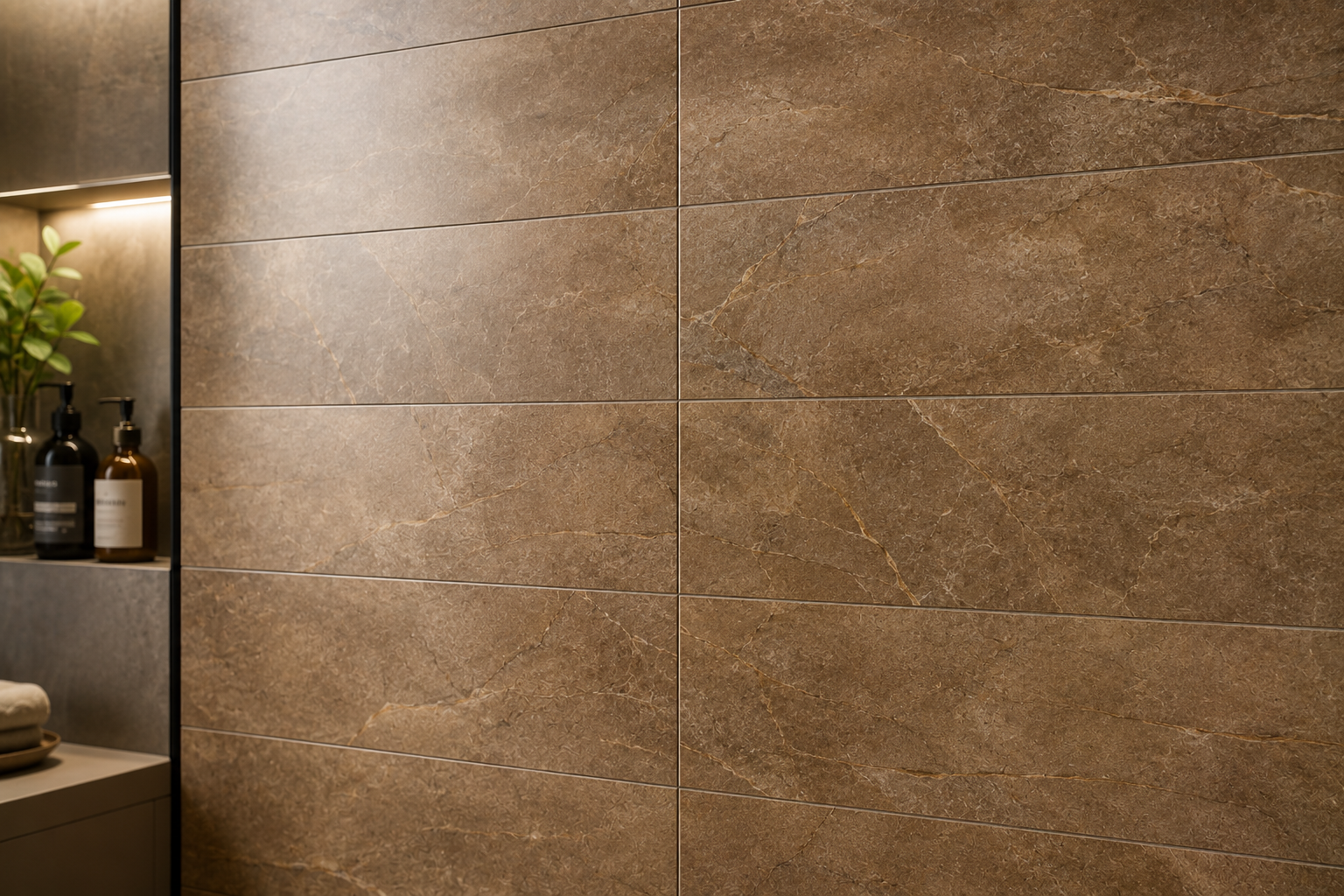
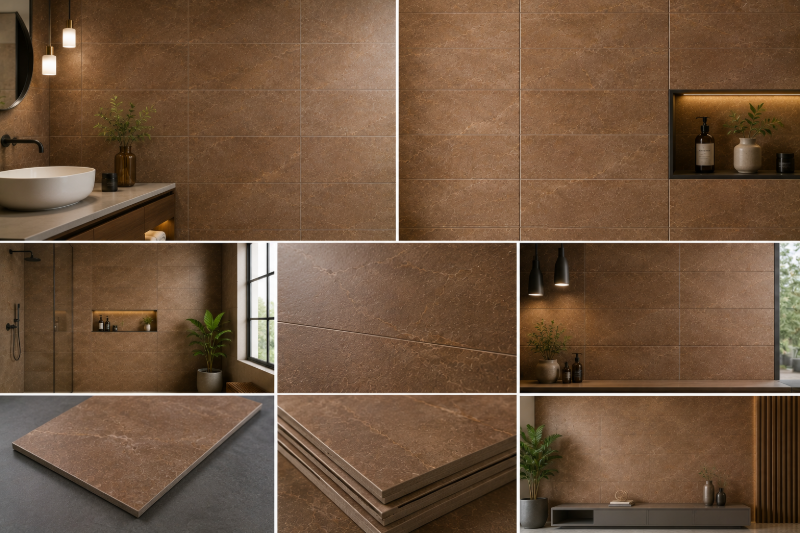
The 300 x 600 mm format represents a rectangular tile dimension that has gained significant traction in the Indian construction market. These tiles are classified as vitrified tiles, meaning they undergo a process where raw materials are fused at high temperatures, creating a non-porous, highly durable surface. The Fea brown crust finish refers to a specific aesthetic treatment that creates a natural, earthy appearance reminiscent of exposed brick or stone.
Key Specifications of Code
The product code identifies tiles with the following characteristics:
Dimensions: 300 mm (width) x 600 mm (length) x 8-10 mm (thickness)
Finish: Matt (non-reflective, anti-slip surface)
Glaze Type: Full body glaze with brown crust texture
Water Absorption: Less than 0.5% (making them suitable for wet areas)
Slip Resistance: R10 or R11 rating (depending on manufacturer)
Pressure Strength: Typically 300+ kg/cm²
These specifications make the tiles ideal for both wall and floor applications in Indian homes and commercial spaces, though they are primarily marketed as wall tiles.
The Brown Crust Finish: Aesthetics and Design Appeal
Frequently asked
Why Brown Crust Finish Is Popular in India
The brown crust glazed finish has become a favorite among Indian interior designers and homeowners for several reasons. The earthy brown tones complement various design styles, from contemporary minimalist spaces to traditional Indian interiors. In cities like Bangalore, Mumbai, and Delhi, architects are increasingly specifying these tiles for premium residential projects and boutique commercial spaces.
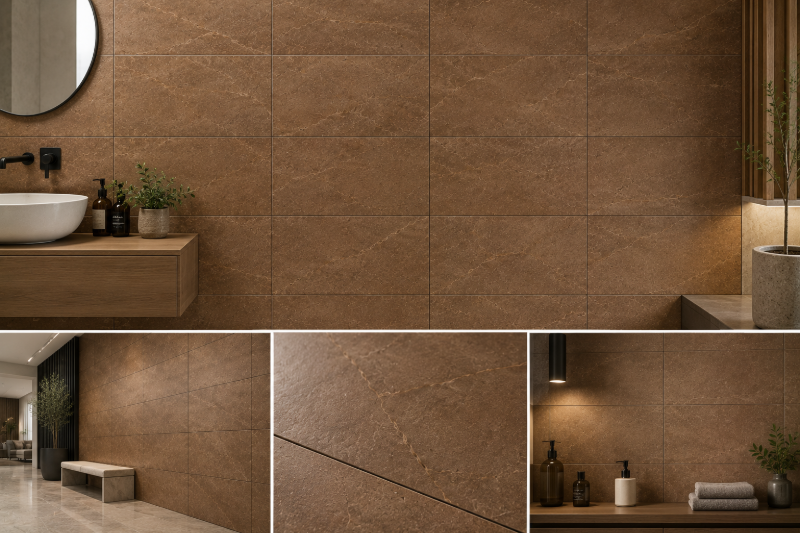
The finish mimics natural materials like terracotta, aged brick, and stone, providing a sophisticated, warm aesthetic without the maintenance challenges of actual natural materials. This is particularly valuable in the Indian climate, where humidity and temperature fluctuations can damage authentic natural stone.
Design Applications
These tiles work exceptionally well in:
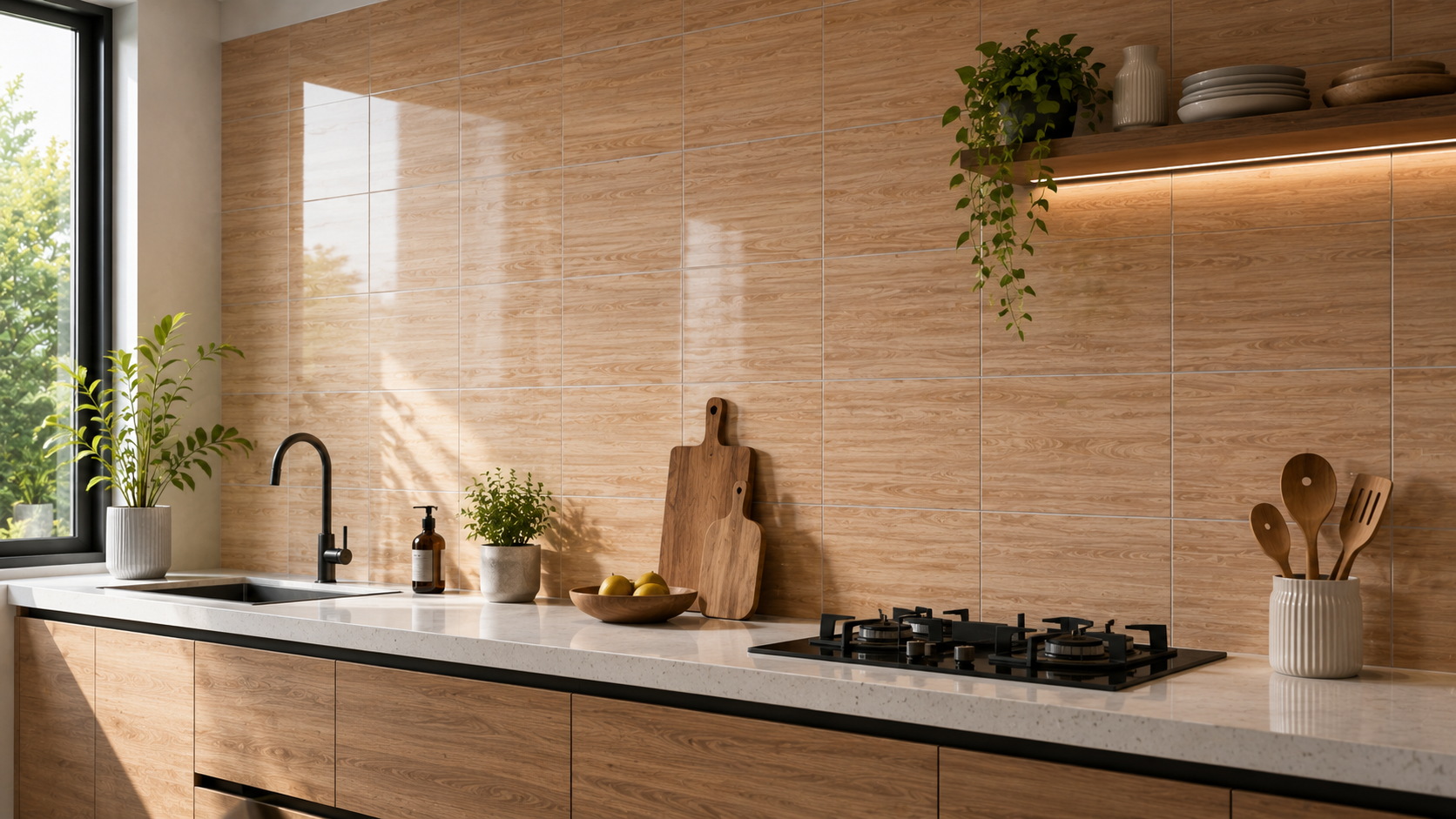
Kitchen backsplashes and accent walls
Bathroom feature walls
Living room accent areas
Commercial spaces like cafes, restaurants, and boutique offices
Hospitality projects seeking an upscale, natural aesthetic
Feature walls in residential lobbies and corridors
Advantages of 300 x 600 mm Vitrified Wall Tiles
Durability and Longevity
Vitrified tiles are significantly more durable than traditional ceramic tiles. The high-temperature fusion process creates a glass-like surface that resists scratches, stains, and moisture. In Indian homes, where monsoon seasons bring high humidity levels, these tiles maintain their appearance for 15-20+ years without significant degradation. The low water absorption rate (less than 0.5%) means they won't develop efflorescence or mold growth, common issues in coastal cities like Mumbai and Goa.
Easy Maintenance
The glazed surface requires minimal maintenance. Regular sweeping and occasional damp mopping with mild detergent is sufficient. Unlike natural stone tiles that require periodic sealing, vitrified tiles from AECORD suppliers need no special treatments. This makes them cost-effective over their lifetime, despite potentially higher initial investment compared to basic ceramic tiles.
Cost-Effectiveness
While premium vitrified tiles cost more upfront than basic ceramic alternatives, their longevity and low maintenance requirements make them economical. In the Indian market, 300 x 600 mm vitrified wall tiles typically range from ₹150 to ₹400 per square foot, depending on brand and finish quality. This represents good value considering their 15-20 year lifespan.
Aesthetic Flexibility
The 300 x 600 mm rectangular format offers design flexibility. Installers can arrange these tiles in various patterns: running bond, herringbone, or stacked patterns. The brown crust finish coordinates well with neutral color palettes and natural materials, making it versatile for different design schemes.
Environmental Considerations
Vitrified tiles are more environmentally friendly than some alternatives. They don't require periodic sealing with chemical products, reducing environmental impact. Many Indian manufacturers now produce these tiles using sustainable practices and recycled materials, making them an eco-conscious choice for green building projects.
Matt Finish vs. Glossy Finish: Making the Right Choice
The matt finish these tiles offers distinct advantages over glossy alternatives:
Safety and Slip Resistance
Matt finishes provide superior grip, making them safer for bathrooms, kitchens, and commercial spaces with foot traffic. In India's humid climate, where wet surfaces are common, the R10-R11 slip resistance rating is crucial. This is particularly important in elderly care facilities, hospitals, and public restrooms.
Aesthetic Appeal
Matt finishes create a more sophisticated, contemporary appearance. They hide fingerprints and water spots better than glossy tiles, which is practical in high-traffic areas. The brown crust texture is more pronounced and authentic-looking on matt surfaces compared to glossy finishes.
Light Reflection
Unlike glossy tiles that can create glare in well-lit spaces, matt tiles provide a softer, more comfortable visual experience. This is especially valuable in office spaces and commercial environments where glare can cause eye strain.
Installation Considerations for Indian Projects
Substrate Preparation
Proper substrate preparation is critical for tile longevity. Walls must be:
Clean, dry, and free from dust or loose paint
Structurally sound with minimal cracks
Properly leveled (especially important for the 600 mm length)
Primed with appropriate tile primer in high-moisture areas
In monsoon-prone regions like Kerala and Maharashtra, waterproofing membranes are essential behind tiles in bathrooms and kitchens.
Adhesive Selection
Use cement-based tile adhesives suitable for wall applications. For the 300 x 600 mm format, ensure the adhesive is specifically designed for larger tiles. Many Indian construction professionals recommend using modified thinset mortars with polymer additives for enhanced bonding, particularly in areas subject to vibration or movement.
Grouting and Spacing
Maintain consistent grout joints (typically 2-3 mm) to accommodate slight dimensional variations and allow for natural expansion. The elongated tile format requires careful alignment to maintain visual consistency. Epoxy-based grouts offer superior stain resistance compared to cement-based options, though they're more expensive (₹800-1200 per kg versus ₹100-200 per kg for cement-based).
Labor and Installation Costs
In major Indian cities, skilled tile installation typically costs ₹50-100 per square foot for wall tiles. The rectangular format may require slightly higher labor costs due to the precision needed for alignment. Budget accordingly when planning your project timeline and costs.
Sourcing Quality 300 x 600 mm Tiles in India
Trusted Manufacturers
Several established Indian and international manufacturers produce high-quality vitrified wall tiles in this format. Look for brands with ISO certifications and products that meet Indian Standards (IS 13630 for vitrified tiles). When sourcing through AECORD, you'll find verified suppliers who can provide documentation of tile specifications and quality certifications.
Quality Checks Before Purchase
Before ordering large quantities:
Inspect sample tiles for surface defects, color consistency, and finish quality
Verify water absorption rates through manufacturer documentation
Check for warping by placing tiles on a flat surface
Confirm dimensional accuracy (tolerance should be ±2 mm)
Request test reports for slip resistance and pressure strength
Pricing and Bulk Discounts
Bulk purchases typically attract discounts of 10-20% from manufacturers. Connecting with suppliers through AECORD can help you negotiate better rates, especially for large commercial projects. Always request quotes from multiple suppliers to ensure competitive pricing.
Maintenance and Care for Long-Term Performance
Daily Cleaning
Sweep or vacuum regularly to remove dust and debris. For damp cleaning, use a soft cloth with mild soap and warm water. Avoid abrasive cleaners that can scratch the glaze surface.
Stain Removal
For stubborn stains, use pH-neutral tile cleaners. Acidic cleaners can dull the glaze over time. For grease stains in kitchens, a mixture of baking soda and water works effectively without damaging the tile surface.
Grout Maintenance
Inspect grout lines periodically for cracks or discoloration. Mold can develop in grout lines in high-humidity areas. Regular cleaning with a grout brush and mild bleach solution (1:10 ratio) prevents mold growth. In severe cases, grout resealing may be necessary after 3-5 years.
Seasonal Considerations
In Indian monsoon regions, ensure proper ventilation in bathrooms and kitchens to prevent moisture accumulation. During dry seasons, tiles may contract slightly; this is normal and doesn't indicate a problem.
Comparing with Alternative Tile Options
Vitrified vs. Ceramic Tiles
Ceramic tiles are cheaper (₹80-150 per square foot) but less durable and more porous. Vitrified tiles' superior durability justifies the higher cost for long-term projects.
Vitrified vs. Porcelain Tiles
Porcelain tiles are denser and slightly more durable than standard vitrified tiles but cost 20-30% more. For most Indian residential and commercial applications, standard vitrified tiles these offer excellent value.
Vitrified vs. Natural Stone
Natural stone (marble, granite, slate) provides authentic aesthetics but requires regular sealing, is prone to staining, and costs significantly more (₹400-800+ per square foot). Vitrified tiles mimicking natural finishes offer similar aesthetics with superior practicality for Indian climates.
Sustainability and Environmental Impact
Modern vitrified tile manufacturing has become increasingly sustainable. Many Indian manufacturers now:
Use recycled glass and ceramic waste in production
Implement water recycling systems reducing consumption by 30-40%
Employ energy-efficient kiln technologies
Minimize waste through improved production processes
Choosing vitrified tiles over natural stone reduces quarrying impacts on the environment. Their longevity means fewer replacements over a building's lifetime, further reducing environmental footprint.
Case Studies: 300 x 600 mm Tiles in Indian Projects
Residential Applications
In Bangalore's premium residential projects, architects frequently specify 300 x 600 mm brown crust tiles for kitchen backsplashes and bathroom feature walls. The tiles' durability suits the region's humidity levels, and their aesthetic complements modern architectural styles popular in South India.
Commercial Spaces
Mumbai's boutique cafes and restaurants increasingly use these tiles for wall accents, creating upscale, Instagram-worthy interiors. The brown crust finish pairs well with exposed brick and industrial design elements trendy in metropolitan commercial spaces.
Hospitality Sector
Budget and mid-range hotels across India appreciate these tiles for their durability under high-traffic conditions and easy maintenance, reducing operational costs.
Conclusion and Call-to-Action
The 300 x 600 mm Fea brown crust glazed vitrified wall tile represents an excellent choice for Indian builders, architects, and homeowners seeking durable, aesthetically pleasing wall solutions. Its combination of durability, low maintenance, design flexibility, and cost-effectiveness makes it suitable for diverse applications from residential bathrooms to commercial hospitality spaces.
Whether you're planning a home renovation in Delhi, a commercial project in Bangalore, or a hospitality venture in Goa, these tiles deliver reliable performance in India's varied climates and conditions. The matt finish provides practical safety benefits while the brown crust aesthetic offers sophisticated, timeless design appeal.
Ready to source quality 300 x 600 mm vitrified wall tiles for your next project? Visit AECORD, India's leading B2B2C marketplace for architecture, engineering, construction, and operations professionals. Connect with verified tile suppliers, compare quotes, review certifications, and find the perfect products for your specific requirements. AECORD simplifies the procurement process, helping you source materials efficiently while ensuring quality and competitive pricing. Explore our platform today and discover how AECORD can streamline your project's material sourcing needs.