Understanding 300 x 200 mm Canton White Ceramic Floor Tiles: A Comprehensive Guide for Indian Architects and Builders
When it comes to selecting the right flooring material for residential or commercial spaces in India, ceramic tiles remain one of the most popular choices due to their durability, aesthetic appeal, and cost-effectiveness. Among the various options available, the 300 x 200 mm canton white ceramic floor tile with a glossy finish has emerged as a preferred choice for many architects, interior designers, and builders across the country. This comprehensive guide will help you understand everything you need to know about these tiles, from their specifications to installation considerations and maintenance requirements.
Build cost · Bengaluru, May 2026
What Are 300 x 200 mm Canton White Ceramic Floor Tiles?
Tile Dimensions and Specifications
The 300 x 200 mm designation refers to the tile's dimensions in millimeters. These rectangular tiles measure 300 mm in length and 200 mm in width, making them a medium-sized option that works well in various spaces. The glossy finish variant, particularly the canton white ceramic option, reflects light beautifully and creates a bright, spacious appearance in any room. This specific size (often referred to as the 30 x 20 cm format) strikes an excellent balance between visual appeal and practical installation.
Canton white ceramic tiles are crafted using high-quality ceramic materials that undergo rigorous quality control processes. The glossy finish is achieved through a specialized glazing process that creates a smooth, reflective surface. These tiles typically have a thickness ranging from 7-10 mm, making them suitable for both wall and floor applications, though they're primarily used as floor tiles in Indian homes and commercial establishments.
Why Choose Rectangular Tiles Over Square Options?
Rectangular tiles like the 300 x 200 mm format offer several advantages over their square counterparts. The elongated shape creates visual continuity and can make spaces appear larger, which is particularly beneficial in smaller Indian apartments and homes. The rectangular format also allows for more creative laying patterns, including running bond, herringbone, and brick-like arrangements, giving designers greater flexibility in creating unique interior aesthetics.
Frequently asked
Advantages of Canton White Ceramic Glossy Tiles
Aesthetic Appeal and Light Reflection
The glossy finish of canton white ceramic tiles is one of their most distinctive features. The reflective surface bounces light throughout the room, creating a brighter and more spacious environment. This is particularly valuable in Indian homes where natural light can be limited, especially in interior rooms or ground-floor apartments. The pure white color works as a versatile backdrop that complements both modern minimalist designs and traditional Indian interior styles.
The glossy finish also provides a sophisticated, polished look that elevates the overall aesthetic of any space. Whether you're designing a contemporary apartment in Bangalore, a luxury home in Mumbai, or a commercial establishment in Delhi, these tiles offer a timeless appeal that doesn't quickly go out of fashion.
Durability and Longevity
Ceramic tiles are renowned for their durability, and the 300 x 200 mm canton white variant is no exception. When properly installed and maintained, these tiles can last 15-20 years or even longer. The ceramic material is resistant to scratches, stains, and moisture, making it ideal for kitchens, bathrooms, and living areas where spills and moisture exposure are common.
The glazed surface provides an additional protective layer that prevents water penetration and reduces the risk of bacterial growth, making these tiles particularly suitable for wet areas. In India's humid climate, this moisture resistance is a significant advantage, as it helps prevent mold and mildew formation that can occur in traditionally porous materials.
Easy Maintenance and Cleaning
One of the most practical advantages of glossy ceramic tiles is their ease of maintenance. The smooth, non-porous surface means dirt, dust, and spills don't penetrate the tile material. Regular sweeping and occasional mopping with mild detergent are usually sufficient to keep these tiles looking pristine. Unlike natural stone or matte-finish tiles, glossy tiles don't require special sealants or treatments to maintain their appearance and functionality.
For Indian households where maintaining cleanliness in high-traffic areas is essential, these tiles offer exceptional convenience. The glossy finish also makes it easy to spot dirt and dust, helping you maintain a clean home with minimal effort.
Cost-Effectiveness
Compared to premium options like marble, granite, or porcelain tiles, ceramic tiles are significantly more affordable. In the Indian market, 300 x 200 mm canton white ceramic glossy tiles typically range from ₹200 to ₹400 per square meter, depending on the brand, quality, and supplier. This makes them an excellent choice for budget-conscious homeowners and contractors without compromising on aesthetics or functionality.
When you factor in the low maintenance costs and long lifespan, the overall cost of ownership becomes remarkably economical. Many professionals on AECORD recommend these tiles to clients looking for the best value proposition in ceramic flooring options.
Applications and Best Use Cases
Residential Applications
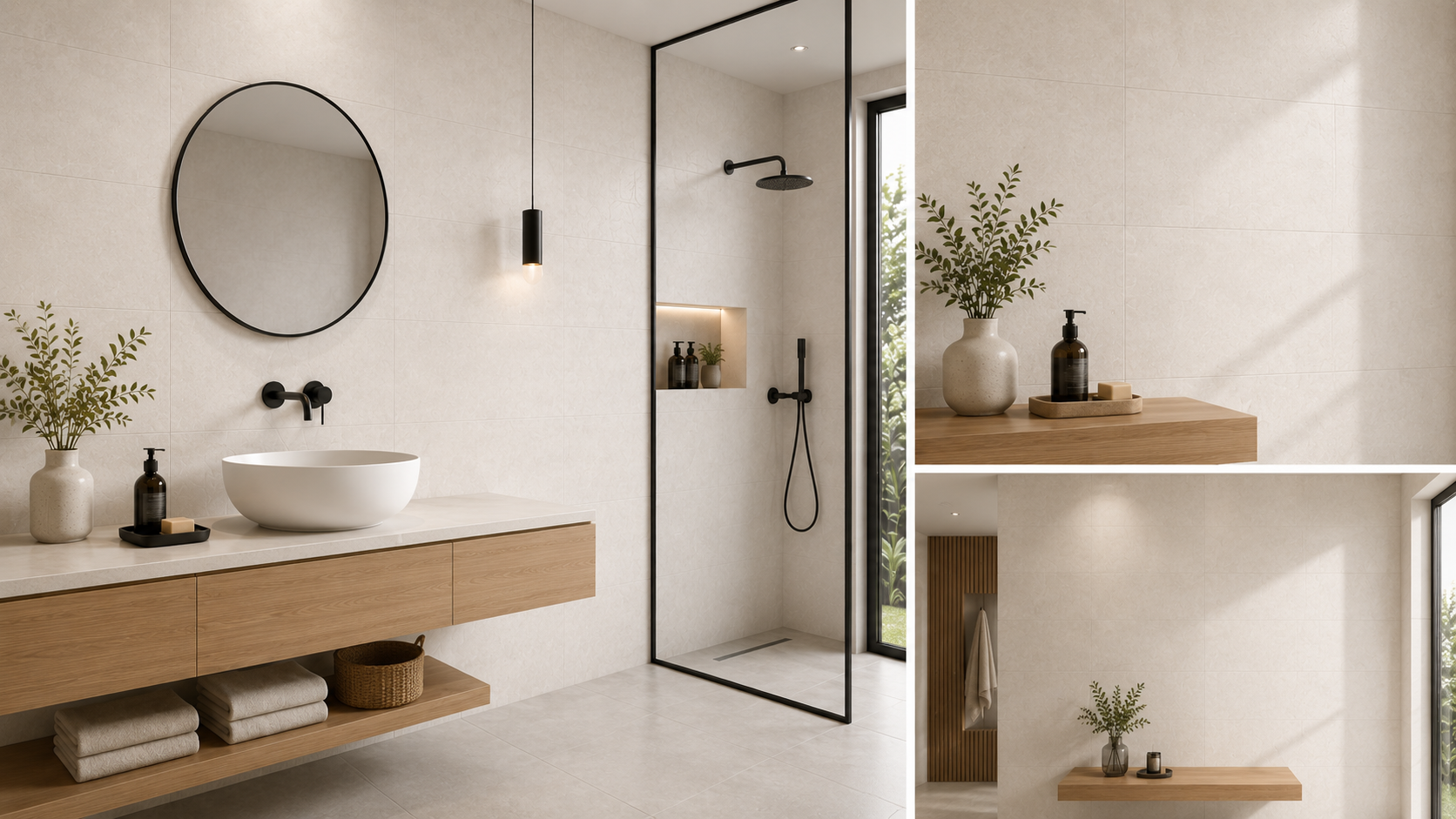
The 300 x 200 mm canton white ceramic glossy tiles are exceptionally versatile for residential spaces. They work beautifully in kitchens, where the glossy finish makes cleaning up spills quick and easy. In bathrooms, the moisture-resistant properties and easy maintenance make them an ideal choice. Living rooms and bedrooms can benefit from the bright, spacious appearance these tiles create, particularly in Indian homes where maximizing the sense of space is important.
The rectangular format is particularly popular in Indian apartment complexes across major cities like Pune, Chennai, and Hyderabad, where space optimization is crucial. Many interior designers working through platforms like AECORD frequently specify these tiles for residential projects due to their versatility and cost-effectiveness.
Commercial and Retail Spaces
Beyond residential applications, these tiles are widely used in commercial establishments. Retail stores, restaurants, and office spaces benefit from the professional appearance and easy maintenance that these tiles provide. The glossy finish creates an upscale look that doesn't require the significant investment associated with premium flooring materials, making it popular among small business owners across India.
Hospitality Industry
Hotels, resorts, and hospitality establishments frequently use these tiles in common areas, corridors, and guest bathrooms. The combination of aesthetic appeal, durability, and low maintenance makes them ideal for high-traffic commercial environments where cleanliness and appearance are paramount.
Installation Considerations for Indian Climates
Preparing the Substrate
Proper installation begins with preparing the substrate. The surface must be clean, level, and structurally sound. In India's varied climates—from the monsoon-prone regions of Kerala to the dry areas of Rajasthan—ensuring proper waterproofing is essential. Many professionals recommend using waterproofing membranes, particularly in bathrooms and kitchens, before laying ceramic tiles.
The substrate should have minimal deflection to prevent tile cracking. For concrete surfaces, ensure they're cured for at least 28 days before tile installation. This is particularly important in newer construction projects across Indian cities where timelines are often compressed.
Adhesive Selection and Application
Using the correct tile adhesive is crucial for long-term performance. In India's humid climate, cement-based adhesives or specialized epoxy adhesives are recommended over traditional mortar. The adhesive should be applied evenly using a notched trowel to ensure proper coverage and prevent air pockets that could lead to tile displacement or cracking over time.
For 300 x 200 mm tiles, a 6-8 mm notched trowel is typically appropriate. The adhesive should cover at least 70-80% of the tile back to ensure proper bonding and prevent water infiltration from below.
Grouting and Sealing
After the adhesive sets (typically 24 hours), grouting is the next step. For glossy ceramic tiles, epoxy grout or cement-based grout can be used depending on the application and location. Epoxy grout offers superior water resistance and is recommended for wet areas, while cement-based grout is suitable for general applications.
Proper grouting prevents water from seeping beneath tiles, which is critical in India's monsoon season. The grout lines should be filled completely without voids, and excess grout should be cleaned off before it hardens to maintain the aesthetic appearance of the installation.
Climate-Specific Considerations
India's diverse climate zones require specific considerations. In coastal areas like Mumbai and Goa, salt air can affect tile installations, making proper sealing and maintenance even more important. In northern regions with temperature fluctuations, ensuring the substrate has proper expansion joints prevents cracking. In humid regions like Kolkata and Bangalore, adequate ventilation and moisture control are essential to prevent mold growth around grout lines.
Maintenance and Care Guidelines
Daily Cleaning Practices
Regular sweeping or vacuuming removes dust and debris that can scratch the glossy surface. Weekly mopping with a damp cloth and mild detergent keeps the tiles looking fresh. Avoid using excessive water, as this can seep into grout lines and damage the substrate, particularly in areas prone to moisture issues.
Dealing with Stains and Spills
The glossy finish resists most stains effectively, but immediate cleanup of spills prevents any potential discoloration. For stubborn stains, a mixture of water and white vinegar or a specialized tile cleaner works well. Avoid acidic cleaners or abrasive scrubbing pads that could damage the glaze.
Long-Term Maintenance
Periodically inspect grout lines for cracks or deterioration, particularly in wet areas. Damaged grout should be replaced promptly to prevent water infiltration. The glossy finish doesn't require sealing, but grout lines benefit from periodic sealing every 1-2 years in high-moisture areas.
Comparing Canton White Glossy Tiles with Alternatives
Glossy vs. Matte Finish
While glossy tiles reflect light beautifully, they can be slippery when wet, which is an important consideration for bathrooms and kitchens. Matte-finish tiles offer better slip resistance but don't provide the same light-reflecting benefits. The choice depends on your specific needs and safety considerations.
Ceramic vs. Porcelain
Porcelain tiles are denser and more durable than ceramic, making them ideal for high-traffic commercial spaces. However, ceramic tiles like the canton white option are perfectly adequate for residential applications and offer significant cost savings. For most Indian homes, ceramic tiles provide excellent value and performance.
Natural Stone Alternatives
While marble and granite offer premium aesthetics, they're significantly more expensive (₹800-₹2000+ per square meter) and require more maintenance. The canton white ceramic glossy tiles offer a practical alternative that delivers visual appeal without the premium price tag or maintenance burden.
Where to Source Quality Tiles in India
Finding reliable suppliers of quality ceramic tiles is crucial for successful projects. Major tile manufacturers in India include Kajaria, Asian Paints (Royale), Somany, and Nitco, all of which offer 300 x 200 mm canton white glossy options. Local tile distributors and retailers in major cities typically stock these popular sizes.
For architects, designers, and contractors looking to source tiles and connect with reliable suppliers, AECORD serves as an excellent B2B2C marketplace where you can find verified manufacturers, distributors, and installation professionals across India. This platform simplifies the procurement process and ensures you're working with trusted professionals in the AECO industry.
Conclusion
The 300 x 200 mm canton white ceramic floor tile with glossy finish represents an excellent choice for Indian architects, designers, and homeowners seeking a balance between aesthetic appeal, durability, and cost-effectiveness. Whether you're designing a modern apartment in Bangalore, a commercial space in Delhi, or a residential project in Mumbai, these versatile tiles deliver professional results with minimal maintenance requirements.
The rectangular format, bright white color, and reflective glossy finish work harmoniously to create spaces that feel larger, brighter, and more sophisticated. Combined with their affordability and ease of maintenance, these tiles have rightfully earned their place as a popular flooring solution across India's diverse architectural landscape.
When planning your next flooring project, consider the 300 x 200 mm canton white ceramic glossy tiles, and don't hesitate to consult with experienced professionals. On AECORD, you can connect with certified architects, interior designers, and installation contractors who can guide you through the selection and installation process, ensuring your project achieves the desired aesthetic and functional results.