



14W LED Architectural Wall Light: The Complete Guide to HLA 3721 481918
Architectural lighting has evolved dramatically over the past decade, and LED wall lights have become essential components in modern building design across India. The 14W LED Architectural Wall Light (Model HLA 3721 481918) represents a significant advancement in energy-efficient exterior and interior lighting solutions. Whether you're designing a residential complex in Bangalore, a commercial building in Mumbai, or an institutional facility in Delhi, understanding this lighting fixture's specifications and applications is crucial for making informed decisions.
Build cost · Bengaluru, May 2026
What is the HLA 3721 481918 LED Wall Light?
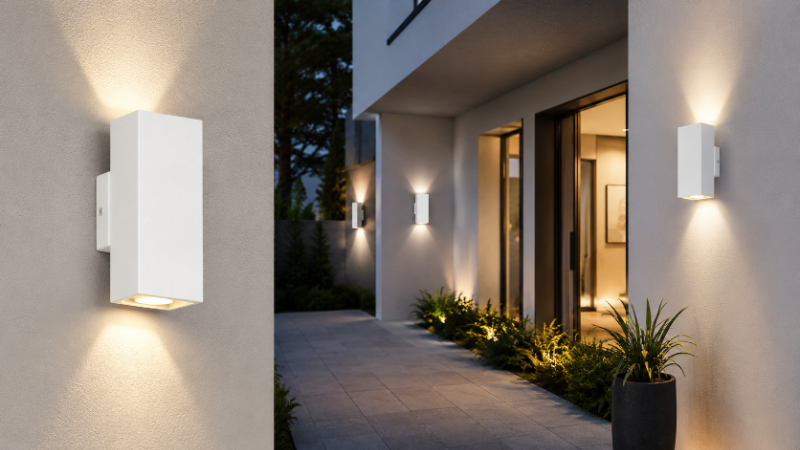
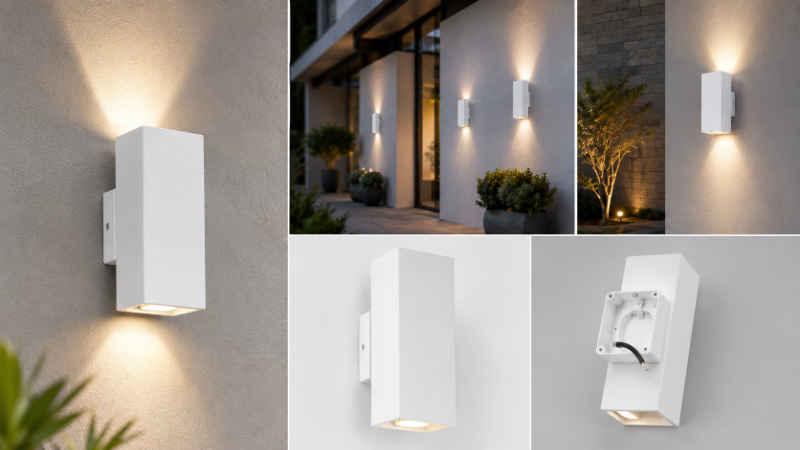
The 14W LED Architectural Wall Light HLA 3721 481918 is a professional-grade lighting fixture designed for both aesthetic and functional purposes. This wall-mounted luminaire combines contemporary design with advanced LED technology, making it an ideal choice for architects and engineers planning modern structures throughout India.
This particular model offers several key characteristics that set it apart in the architectural lighting market:
Power Consumption: 14W LED (equivalent to approximately 100-120W halogen)
Color Temperature: Available in warm white (2700K) and cool white (4000-6500K) variants
Beam Angle: Typically 24-40 degrees, depending on configuration
Material Construction: Aluminum alloy body with tempered glass or polycarbonate diffuser
IP Rating: IP65 or higher for weather resistance
Lifespan: 30,000-50,000 hours of operation
Key Features and Technical Specifications
Energy Efficiency and Cost Savings
One of the most compelling reasons architects and builders across India are adopting the HLA 3721 481918 is its exceptional energy efficiency. At just 14W, this fixture consumes significantly less electricity than traditional halogen or incandescent wall lights. For a typical Indian commercial building operating 12 hours daily, switching to this LED solution can reduce lighting costs by 70-80% compared to older technologies.
Consider this practical example: If your building has 100 wall lights operating 4,000 hours annually, switching from 100W halogen to 14W LED would save approximately 34,400 kWh yearly. At an average commercial electricity rate of ₹8-12 per unit in major Indian cities, this translates to annual savings of ₹2,75,000 to ₹4,12,800.
Frequently asked
Durability and Weather Resistance
India's diverse climate—from the humid coastal regions of Kerala to the dusty plains of Rajasthan—demands lighting fixtures that can withstand environmental challenges. The HLA 3721 481918 is engineered with IP65 or higher ratings, meaning it's protected against dust and water jets from any direction.
The aluminum alloy construction resists corrosion, making it particularly suitable for:
Coastal areas with saline air exposure
Industrial zones with atmospheric pollutants
High-altitude regions with temperature fluctuations
Urban environments with acid rain
Color Rendering and Light Quality
The HLA 3721 481918 typically offers a Color Rendering Index (CRI) of 80-90, ensuring that colors appear natural and vibrant. This is particularly important for:
Retail storefronts and commercial facades
Hospitality establishments requiring aesthetic appeal
Residential complexes where ambiance matters
Institutional buildings like museums or galleries
Applications in Indian Architecture and Construction
Commercial Buildings and Office Complexes
Modern office buildings in Bangalore, Hyderabad, and Pune increasingly utilize architectural wall lights for facade illumination. The HLA 3721 481918 is particularly effective for:
Highlighting architectural features and building contours
Creating a professional, welcoming entrance
Providing accent lighting for signage and branding
Improving security through strategic illumination
When planning a commercial project, consider that professional lighting design can increase property values by 10-15% while simultaneously reducing operational costs.
Residential Developments
Residential complexes across major Indian metros are increasingly incorporating architectural wall lighting to enhance curb appeal and security. The HLA 3721 481918's warm white variants (2700K) create inviting, comfortable environments around residential entrances and common areas.
For gated communities and apartment buildings, strategic placement of these fixtures can:
Improve nighttime visibility and safety
Enhance the property's perceived value
Create welcoming public spaces
Reduce energy costs compared to traditional lighting
Hospitality and Retail Spaces
Hotels, restaurants, and retail establishments benefit significantly from the aesthetic qualities of the HLA 3721 481918. In cities like Mumbai, Delhi, and Bangalore, hospitality venues use these fixtures to create distinctive brand identities and memorable guest experiences.
Institutional and Cultural Buildings
Museums, libraries, educational institutions, and government buildings throughout India utilize architectural wall lighting to showcase their significance. The HLA 3721 481918's precise beam control allows for accent lighting of architectural details without causing glare or light pollution.
Installation and Design Considerations
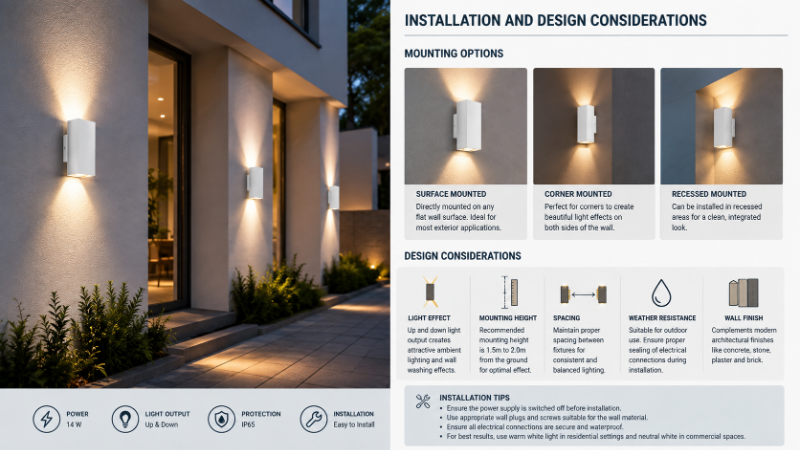
Mounting Options
The HLA 3721 481918 offers flexible installation possibilities:
Wall-mounted: Directly onto building facades, either upward-facing or downward-facing
Surface-mounted: On parapets, ledges, or architectural features
Recessed mounting: Into architectural niches or wall cavities
Bracket-mounted: Extended from walls using specialized brackets
Spacing and Density Planning
Proper spacing of wall lights is crucial for achieving desired illumination levels without over-lighting. For facade illumination, architects typically recommend:
Vertical spacing: 2.5-3.5 meters between fixtures
Horizontal spacing: 3-5 meters depending on beam angle and wall material
Distance from wall: 15-30 cm for optimal light distribution
Working with lighting professionals through platforms like AECORD can help optimize fixture placement for your specific architectural requirements.
Electrical Integration
The 14W power consumption makes the HLA 3721 481918 compatible with standard electrical circuits. However, proper planning is essential:
Ensure adequate wiring capacity in your building's electrical design
Consider dimming capabilities for flexible lighting control
Plan for smart home integration if desired
Coordinate with structural elements during installation
Comparison with Alternative Lighting Solutions
LED vs. Halogen Wall Lights
While halogen wall lights were standard for decades, LED alternatives like the HLA 3721 481918 offer significant advantages:
Feature | HLA 3721 (LED) | Halogen |
Power Consumption | 14W | 100-150W |
Lifespan | 30,000-50,000 hours | 2,000-4,000 hours |
Heat Generation | Minimal | High |
Maintenance | Low | Frequent replacements |
Cost Analysis Over 10 Years
When evaluating the HLA 3721 481918 for a project, consider the total cost of ownership:
Initial investment: HLA 3721 typically costs ₹3,500-6,500 per unit
Installation: ₹1,000-2,000 per fixture (labor)
Annual electricity cost (100 units, 4,000 hours): ₹44,800-67,200 for LED vs. ₹3,20,000-4,80,000 for halogen
Maintenance (10 years): Minimal for LED vs. ₹50,000+ for halogen replacements
Over a 10-year period, switching to LED architectural wall lights can save ₹25-40 lakhs for a typical commercial building.
Compliance and Standards in India
Indian Standards and Certifications
When selecting architectural lighting fixtures, ensure compliance with:
IS 1255:2005: Code of practice for interior illumination
IS 3646:2021: Requirements for exterior lighting
BIS Certification: Bureau of Indian Standards mark for quality assurance
IEC 60598-2-2: International standard for luminaires
Energy Conservation Building Code (ECBC)
India's ECBC mandates specific energy efficiency standards for commercial buildings. The HLA 3721 481918's low power consumption helps projects achieve ECBC compliance, potentially qualifying for incentives and certifications.
Maintenance and Long-term Care
Cleaning and Inspection
To maximize the lifespan of your architectural wall lights:
Clean fixtures quarterly in urban areas, semi-annually in clean environments
Use soft brushes and mild detergent—avoid abrasive materials
Inspect seals and gaskets annually for degradation
Check for discoloration or reduced light output
Replacement and Upgrades
While the HLA 3721 481918 has a long lifespan, LED technology continues to evolve. Consider upgrades every 8-10 years to access:
Improved color rendering and efficiency
Smart lighting control capabilities
Enhanced dimming and color temperature options
Better integration with building management systems
Working with Professionals for Your Project
Selecting and implementing architectural wall lighting requires expertise in multiple disciplines. Whether you're designing a new building in Pune, renovating a heritage structure in Jaipur, or upgrading lighting for a commercial complex in Kolkata, collaborating with experienced professionals ensures optimal results.
AECORD connects you with qualified architects, lighting designers, and contractors throughout India who specialize in architectural lighting solutions. These professionals can:
Assess your specific project requirements
Recommend appropriate fixtures and configurations
Create detailed lighting plans and visualizations
Manage installation and quality assurance
Provide ongoing maintenance support
Conclusion
The 14W LED Architectural Wall Light (HLA 3721 481918) represents a smart investment for any architectural or construction project in India. Its combination of energy efficiency, durability, aesthetic appeal, and cost-effectiveness makes it an excellent choice for commercial, residential, hospitality, and institutional applications.
By understanding its specifications, applications, and advantages, you can make informed decisions that enhance your building's visual appeal while reducing operational costs. Whether you're in the planning, design, or construction phase of your project, proper lighting design is essential for success.
Ready to incorporate architectural wall lighting into your project? Explore AECORD's network of lighting professionals, architects, and contractors who can guide you through the selection and installation process. Find the right experts for your specific needs and ensure your project achieves optimal lighting design and energy efficiency.
Frequently Asked Questions
How much energy does the 14W LED architectural wall light HLA 3721 481918 consume compared to traditional lighting?
The HLA 3721 481918 consumes only 14W of power, equivalent to approximately 100-120W halogen lighting. This energy efficiency can reduce lighting costs by 70-80% compared to older technologies, with potential annual savings of ₹2,75,000 to ₹4,12,800 for a 100-fixture installation in Indian commercial buildings.
Is the HLA 3721 481918 LED wall light suitable for outdoor use in India's climate?
Yes, the HLA 3721 481918 features an IP65 or higher rating and aluminum alloy construction that resists corrosion, making it ideal for India's diverse climates including coastal areas, industrial zones, high-altitude regions, and urban environments with acid rain.
What is the lifespan of the 14W LED architectural wall light HLA 3721 481918?
The HLA 3721 481918 has an operational lifespan of 30,000-50,000 hours, significantly outlasting traditional lighting fixtures and reducing maintenance requirements for AECO projects.
What color temperature options are available for the HLA 3721 481918 wall light?
The HLA 3721 481918 is available in warm white (2700K) and cool white (4000-6500K) variants, with a Color Rendering Index of 80-90 to ensure natural and vibrant color appearance suitable for retail, hospitality, and institutional applications.
What are the typical applications for the HLA 3721 481918 in architectural projects?
The HLA 3721 481918 is designed for commercial buildings, office complexes, retail storefronts, hospitality establishments, residential complexes, and institutional buildings like museums and galleries where both aesthetic appeal and functional illumination are required.