

Understanding Weathered Wood Polymer Modified Architectural Shingles
Architectural shingles have become increasingly popular in India's construction industry, particularly for residential and commercial projects across metropolitan areas like Bangalore, Mumbai, Delhi, and Hyderabad. Among the various options available, weathered wood polymer modified architectural shingles represent a sophisticated roofing solution that combines aesthetic appeal with superior durability. These shingles are engineered to replicate the rustic charm of traditional wooden roofs while offering the performance benefits of modern polymer technology.
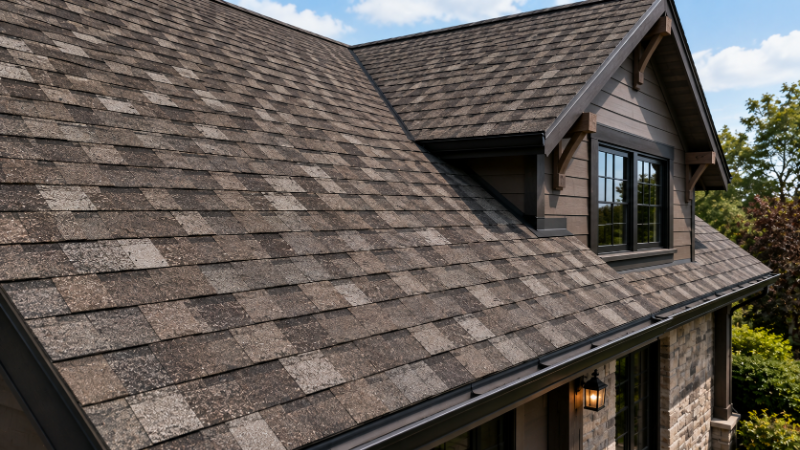
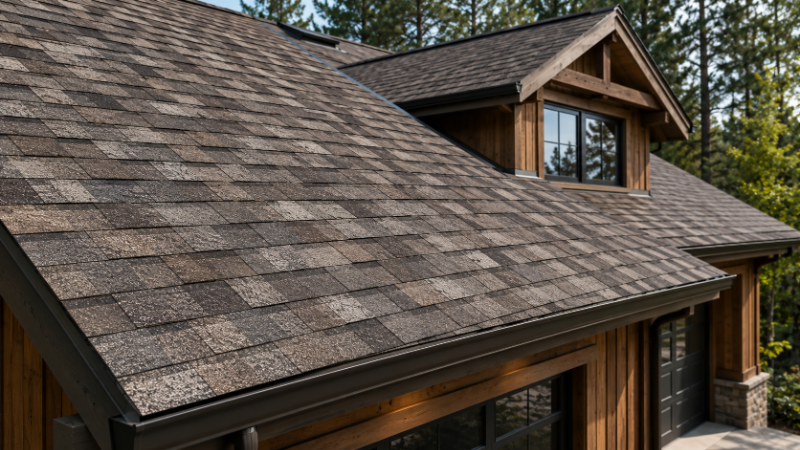
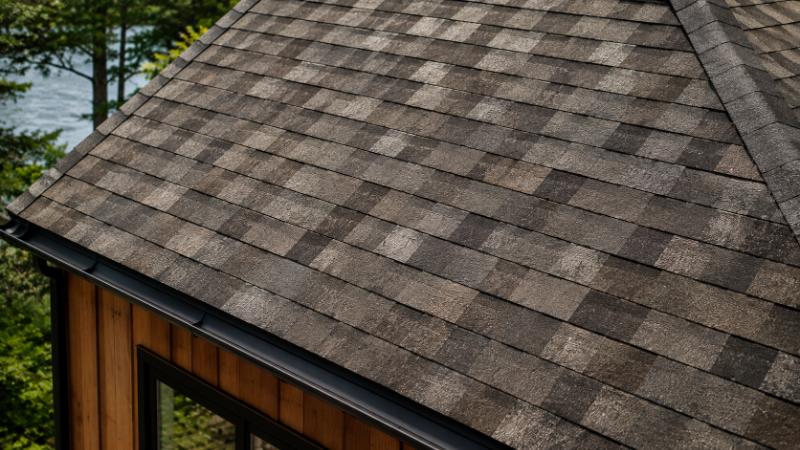
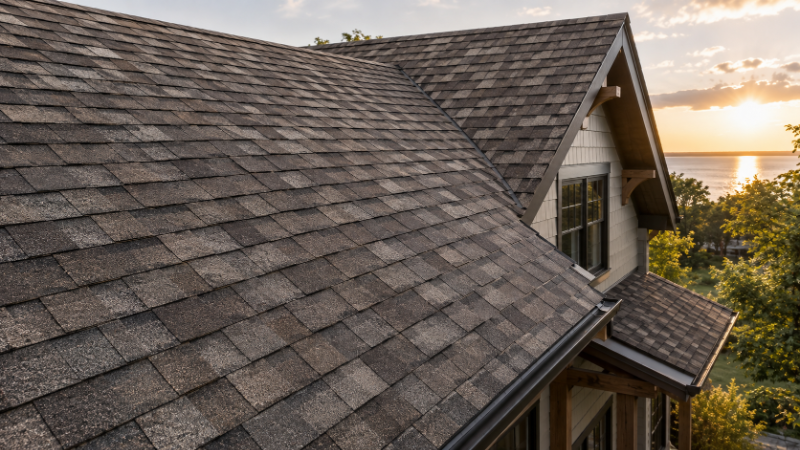
Weathered wood polymer modified architectural shingles are multi-layered roofing materials that feature a top layer of asphalt embedded with mineral granules, combined with a polymer-modified base layer. This construction creates a product that is significantly more durable than standard three-tab shingles while maintaining an attractive, textured appearance that mimics aged wood. For Indian architects and builders, this represents an excellent middle ground between traditional materials and contemporary roofing solutions.
Build cost · Bengaluru, May 2026
The Technology Behind Polymer Modified Shingles
Composition and Manufacturing Process
Polymer modified architectural shingles undergo a specialized manufacturing process that enhances their performance characteristics. The base layer incorporates elastomeric polymers—typically styrene-butadiene-styrene (SBS) or atactic polypropylene (APP)—which increase flexibility and impact resistance. This polymer modification is crucial for Indian climates, where temperature fluctuations and monsoon conditions can stress roofing materials significantly.
The weathered wood aesthetic is achieved through careful selection and application of colored mineral granules on the shingle surface. These granules not only provide the visual appeal but also serve critical protective functions by filtering ultraviolet (UV) rays and providing fire resistance. The layering process creates dimensional depth, giving roofs a three-dimensional appearance that enhances architectural interest.
Key Performance Specifications
Standard weathered wood polymer modified architectural shingles typically have the following specifications:
Weight: 400-450 pounds per square (approximately 1950-2200 kg per 100 square meters)
Dimensions: Typically 12-13 inches wide by 36-40 inches long
Wind Resistance: Generally rated for 110-150 mph (177-240 km/h) wind speeds
Fire Rating: Class A fire rating in most premium products
Impact Resistance: UL 2218 Class 3 or 4 impact resistance ratings
Warranty: Usually 25-50 years depending on manufacturer and product line
For Indian construction projects, these specifications are particularly relevant given the region's exposure to monsoons, occasional cyclonic conditions in coastal areas, and intense solar radiation in most parts of the country.
Frequently asked
Advantages for Indian Construction Projects
Climate Resilience
India's diverse climate presents unique challenges for roofing materials. The polymer modification in these shingles provides exceptional flexibility, allowing them to expand and contract with temperature variations without cracking. During monsoon seasons in cities like Mumbai, Pune, and Bangalore, the enhanced water shedding capability of architectural shingles prevents water penetration more effectively than traditional materials.
The dense granule coating also reflects a significant portion of solar radiation, which is particularly valuable in high-temperature regions like Ahmedabad, Jaipur, and Chennai. This reflective property can reduce cooling costs by 10-15% compared to standard roofing materials, translating to substantial savings over the shingle's 25-50 year lifespan.
Aesthetic Versatility
Weathered wood polymer modified shingles offer architects and designers tremendous flexibility. The weathered wood appearance complements both contemporary and traditional architectural styles, making them suitable for diverse projects—from modern villas in Gurgaon to heritage-inspired structures in Jaipur. Available in multiple color options including weathered gray, aged cedar, and charcoal tones, these shingles can enhance curb appeal while maintaining structural integrity.
Cost-Effectiveness
While premium compared to basic three-tab shingles, weathered wood polymer modified architectural shingles offer excellent value for money in the Indian context. Typical costs range from ₹350 to ₹600 per square meter, depending on the manufacturer and specific product line. When calculated over the 25-50 year lifespan, the annual cost is remarkably economical, especially considering the reduced maintenance requirements and improved energy efficiency.
Installation Efficiency
These shingles are designed for straightforward installation, which reduces labor costs in Indian markets. The self-sealing adhesive strips on modern versions ensure proper bonding without requiring excessive nailing, reducing installation time and improving overall roof integrity. This is particularly beneficial for projects in major construction hubs like Bangalore, Hyderabad, and Pune, where skilled labor availability and costs are significant considerations.
Installation Considerations for Indian Climate
Roof Preparation
Proper substrate preparation is critical for optimal shingle performance. The roof deck should be structurally sound and properly ventilated. In humid climates like coastal regions of Kerala and Goa, adequate ventilation prevents moisture accumulation beneath the shingles, which could lead to premature deterioration. A minimum roof pitch of 4:12 is recommended for optimal water drainage.
Underlayment Selection
The underlayment acts as a secondary moisture barrier, crucial for Indian monsoon conditions. High-quality synthetic underlayment products are preferable to traditional felt, as they resist moisture absorption and provide superior durability. For projects in high-rainfall areas, consider underlayment products with enhanced water-shedding properties.
Installation Timing
In India, roofing installation should ideally occur during dry seasons. For most regions, October through February provides optimal conditions. Attempting installation during monsoon season or extreme heat can compromise shingle adhesion and installation quality. The self-sealing adhesive on polymer modified shingles requires temperatures above 50°F (10°C) for proper activation, making timing considerations important in cooler regions and higher elevations.
Maintenance and Longevity
Regular Inspection Practices
While weathered wood polymer modified shingles are highly durable, regular inspections ensure maximum lifespan. Annual inspections after monsoon season are recommended for Indian properties, focusing on:
Granule loss or excessive wear patterns
Shingle curling or lifting at edges
Moss or algae growth in humid regions
Debris accumulation in valleys and gutters
Flashing integrity around chimneys and vents
Cleaning and Maintenance
Gentle cleaning with low-pressure water spray can remove debris and algae growth without damaging the granule coating. Avoid high-pressure washing, which can dislodge granules and shorten the shingle's life. In humid coastal areas where algae growth is common, periodic application of algae-inhibiting treatments can maintain aesthetic appeal and prevent deterioration.
Repair and Replacement
Individual damaged shingles can be replaced without affecting the entire roof, making repairs cost-effective. A single shingle typically costs ₹100-200, with professional replacement labor adding ₹500-1000 depending on the location and accessibility. This modularity makes weathered wood polymer modified shingles practical for long-term maintenance planning.
Comparison with Alternative Roofing Materials
Versus Traditional Clay Tiles
While clay tiles are traditional in many Indian regions, weathered wood polymer modified shingles offer superior impact resistance and easier installation. Clay tiles cost ₹400-800 per square meter but require specialized installation expertise and can be brittle in high-impact scenarios. Architectural shingles provide comparable aesthetics with better performance in variable climates.
Versus Concrete Tiles
Concrete tiles are popular in India due to affordability (₹200-400 per square meter) but are heavier and more prone to cracking in areas with significant temperature fluctuations. Weathered wood polymer modified shingles, while slightly more expensive, offer superior flexibility and aesthetic options.
Versus Metal Roofing
Metal roofing (₹500-1200 per square meter) offers excellent durability but can be noisy during rain and may require additional insulation. Architectural shingles provide better acoustic performance and improved thermal regulation through their composite construction.
Regulatory Compliance in India
Building Code Requirements
Different Indian states and municipalities have varying building code requirements for roofing materials. Most codes specify minimum fire ratings (typically Class A) and wind resistance standards. Weathered wood polymer modified architectural shingles from reputable manufacturers typically exceed these requirements. When selecting shingles for projects in specific cities, verify compliance with local building department standards.
Energy Efficiency Standards
India's Energy Conservation Building Code (ECBC) emphasizes solar reflectance for roofing materials, particularly in commercial applications. Weathered wood polymer modified shingles with high solar reflectance values contribute to meeting ECBC requirements and can earn LEED credits for green building projects.
Selecting Quality Products for Indian Projects
Manufacturer Reputation
Choose shingles from established manufacturers with proven performance records in Indian climates. Leading manufacturers offer warranties backed by local service networks, crucial for long-term peace of mind. Verify that products are specifically engineered or tested for Indian climatic conditions, including monsoon exposure and temperature extremes.
Certification and Testing
Look for products that have undergone third-party testing for Indian conditions. Certifications from organizations like UL (Underwriters Laboratories) or FM Global ensure performance standards are met. Additionally, products that have demonstrated durability in comparable climates (such as Southeast Asia) are good indicators of suitability for Indian applications.
Professional Installation
Proper installation is critical to realizing the full benefits of weathered wood polymer modified shingles. Engage certified installers familiar with these materials and local building practices. Professional installation typically includes proper underlayment installation, correct nailing patterns, and appropriate flashing details that are essential for Indian climate conditions.
Finding Expert Resources Through AECORD
For Indian architects, builders, and property owners seeking to implement weathered wood polymer modified architectural shingles in their projects, finding qualified professionals is essential. AECORD, India's comprehensive B2B2C marketplace for AECO professionals, connects you with experienced roofing contractors, material suppliers, and architectural consultants who specialize in premium roofing solutions.
Whether you're planning a residential project in Bangalore, a commercial development in Mumbai, or a renovation in Delhi, AECORD provides access to vetted professionals who understand both the technical specifications of weathered wood polymer modified shingles and the nuances of Indian construction practices. You can browse portfolios, compare expertise, and connect with specialists who have successfully implemented these roofing systems in your region.
Cost Analysis and ROI
Initial Investment
A typical residential roof installation in India using weathered wood polymer modified shingles costs ₹35,000-60,000 per 100 square meters, including materials and labor. For a 200 square meter roof, expect total costs between ₹7,00,000-12,00,000. While this represents a premium compared to basic materials, the value proposition becomes clear when considering long-term performance.
Long-Term Savings
Over a 40-year period, the reduced maintenance costs and improved energy efficiency can result in total savings of ₹2,00,000-4,00,000 compared to lower-quality alternatives. The extended warranty periods (25-50 years) provide protection against premature failure, a significant advantage in India's challenging climatic conditions.
Conclusion
Weathered wood polymer modified architectural shingles represent a sophisticated roofing solution ideally suited for Indian construction projects. Combining aesthetic appeal with superior durability, climate resilience, and cost-effectiveness, these shingles offer architects and builders a reliable option for residential and commercial applications across diverse Indian climates.
The polymer modification technology ensures exceptional performance in monsoon conditions, temperature fluctuations, and intense solar exposure—challenges that characterize much of India's geography. With proper installation, regular maintenance, and professional support, weathered wood polymer modified architectural shingles can provide 25-50 years of reliable service while enhancing property aesthetics and value.
To explore weathered wood polymer modified architectural shingles for your next project and connect with experienced roofing professionals in your region, visit AECORD today. Our marketplace connects you with vetted contractors, suppliers, and consultants who can guide you through material selection, installation, and maintenance planning. Whether you're in Bangalore, Mumbai, Delhi, Hyderabad, or any other Indian city, AECORD makes it easy to find the right professionals for your roofing project.
Frequently Asked Questions
What are weathered wood polymer modified architectural shingles?
Weathered wood polymer modified architectural shingles are multi-layered roofing materials featuring an asphalt top layer with mineral granules combined with a polymer-modified base layer. They replicate the rustic appearance of traditional wooden roofs while offering superior durability and modern performance benefits.
How do polymer modified shingles perform in Indian monsoon climates?
Polymer modified shingles excel in monsoon conditions due to their enhanced water shedding capability and flexibility. The elastomeric polymers (SBS or APP) allow the shingles to expand and contract with temperature fluctuations without cracking, preventing water penetration more effectively than traditional roofing materials.
What is the typical lifespan and warranty of architectural shingles?
Weathered wood polymer modified architectural shingles typically come with warranties of 25-50 years depending on the manufacturer and product line. Their durability is enhanced by impact resistance ratings (UL 2218 Class 3 or 4) and wind resistance rated for 110-150 mph wind speeds.
Can architectural shingles help reduce cooling costs in India?
Yes, the dense granule coating on these shingles reflects a significant portion of solar radiation, which can reduce cooling costs by 10-15% compared to standard roofing materials. This is particularly beneficial in high-temperature Indian regions like Ahmedabad, Jaipur, and Chennai.
What fire and impact resistance ratings do these shingles have?
Premium weathered wood polymer modified architectural shingles typically feature Class A fire ratings and UL 2218 Class 3 or 4 impact resistance ratings. These specifications make them suitable for Indian construction projects exposed to diverse weather conditions and fire safety requirements.