

Understanding Renovation and Rebuilding: Key Differences
When faced with an aging or deteriorating property, Indian homeowners and commercial property owners often find themselves at a crossroads: should they renovate their existing structure or demolish and rebuild from scratch? This decision goes far beyond simple preference—it involves careful financial analysis, structural assessment, and long-term planning.
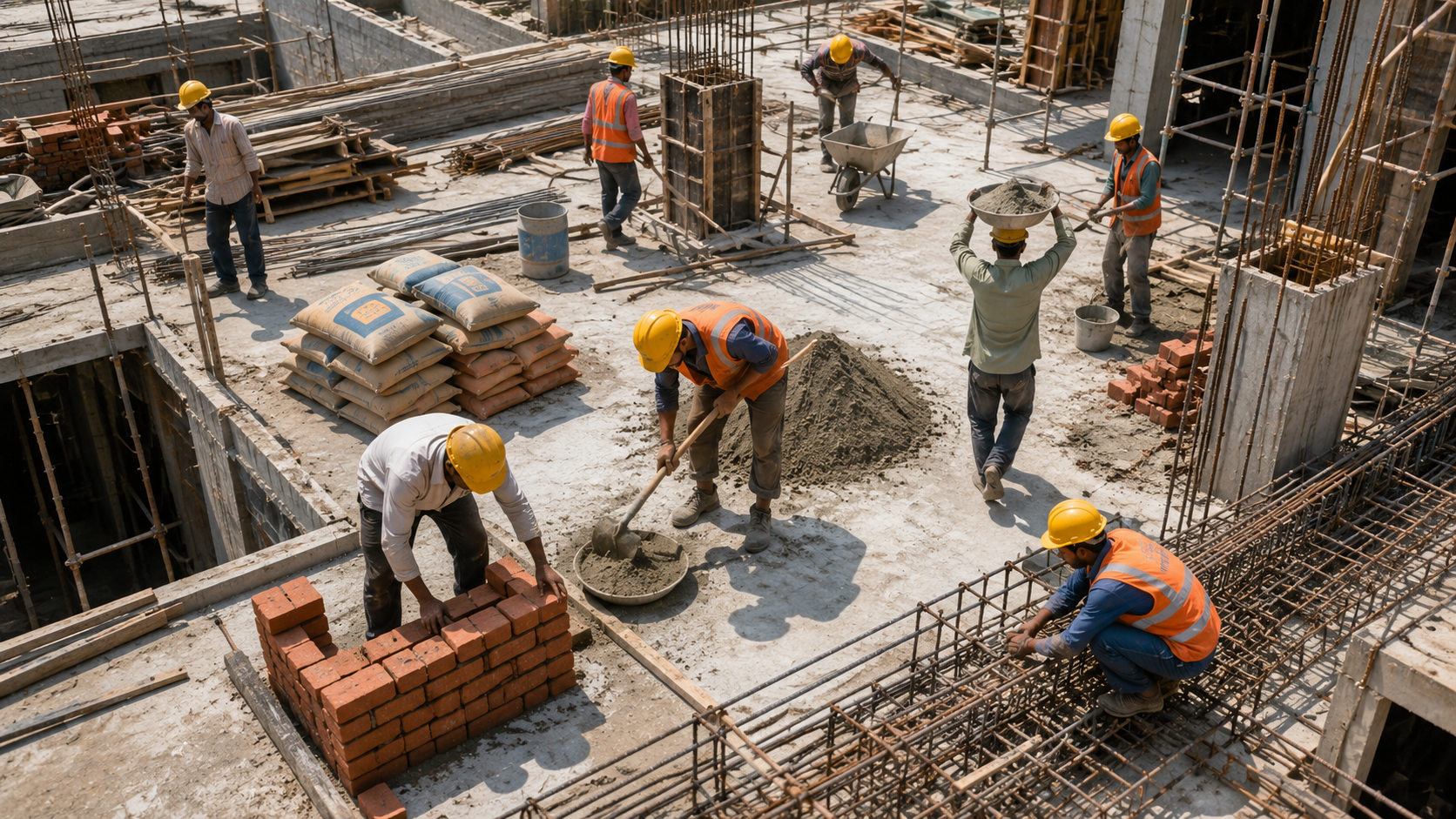
Renovation refers to updating, repairing, and improving an existing structure while maintaining its foundational elements. This could range from cosmetic updates like fresh paint and new fixtures to more extensive work such as rewiring electrical systems, replumbing, or reinforcing structural components. Rebuilding, on the other hand, involves demolishing the existing structure completely and constructing an entirely new building from the ground up.
The choice between these two approaches has significant implications for your budget, timeline, and the final outcome of your property. Understanding the nuances of each option is crucial for making an informed decision that aligns with your financial capacity and property goals.
Build cost · Bengaluru, May 2026
Cost Analysis: Renovation Expenses in India
Initial Assessment and Planning Costs
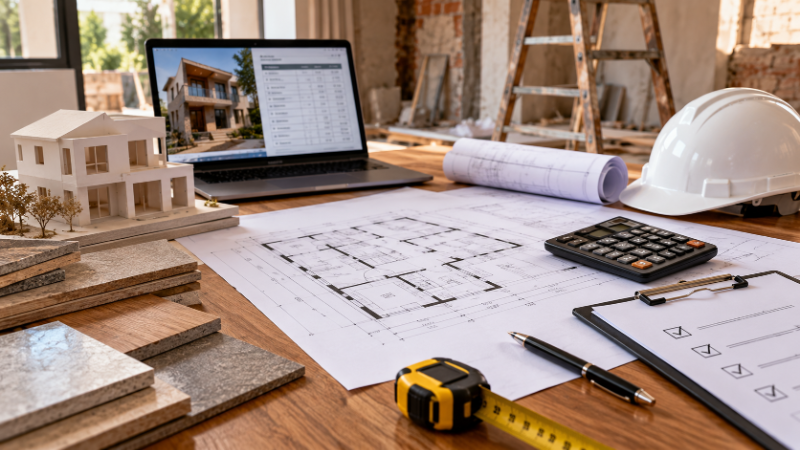
Before embarking on any renovation project, you'll need to invest in a professional structural audit and architectural consultation. In major Indian cities like Mumbai, Delhi, Bangalore, and Hyderabad, expect to pay ₹15,000 to ₹50,000 for a comprehensive structural assessment. This investment is essential to identify hidden issues that could escalate costs if left unaddressed.
Architectural and design consultation typically ranges from ₹20,000 to ₹1,00,000, depending on the project's complexity and the professional's experience. These upfront costs are unavoidable but significantly smaller than those associated with rebuilding projects.
Typical Renovation Cost Breakdown
Renovation costs in India vary considerably based on location and the extent of work required. Here's a realistic breakdown for a mid-range renovation project:
Structural repairs and strengthening: ₹500 to ₹1,500 per square foot
Electrical rewiring: ₹50 to ₹150 per square foot
Plumbing updates: ₹40 to ₹100 per square foot
Interior finishes (flooring, paint, fixtures): ₹300 to ₹800 per square foot
Kitchen and bathroom upgrades: ₹50,000 to ₹5,00,000 depending on specifications
Waterproofing and weatherproofing: ₹100 to ₹300 per square foot
For a 1,500 square foot residential property in Pune or Bangalore requiring moderate renovation, you might expect total costs ranging from ₹20 lakhs to ₹40 lakhs. Premium renovations in metropolitan areas like Mumbai or Delhi could reach ₹50 lakhs to ₹1 crore or more.
Frequently asked
Hidden Renovation Costs to Consider
One critical aspect of renovation budgeting is accounting for contingencies. Contractors typically recommend setting aside 15-20% of the total budget for unexpected issues discovered during work. Old buildings frequently harbor problems not visible during initial inspections—asbestos in older structures, termite damage, hidden water seepage, or outdated load-bearing issues.
Additionally, if your property is in a heritage zone or requires compliance with municipal regulations specific to Indian building codes, you may face additional costs for specialized materials or compliance certifications.
Cost Analysis: Rebuilding Expenses in India
Demolition and Site Clearance
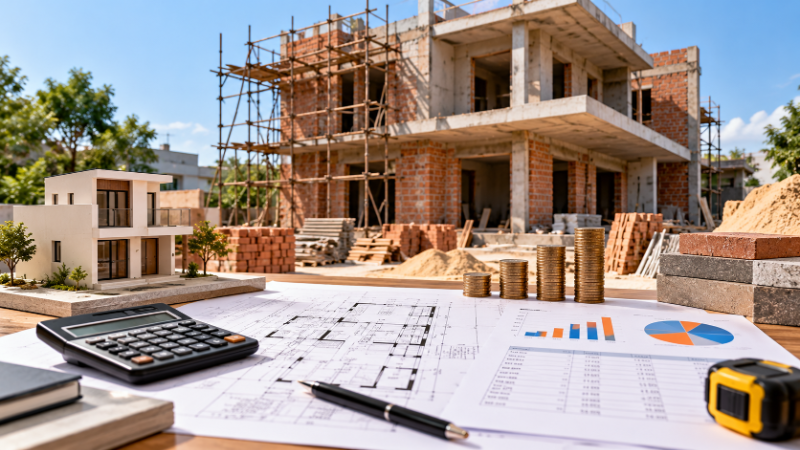
The first phase of rebuilding involves demolition and debris management. In Indian cities, demolition costs typically range from ₹100 to ₹300 per square foot, though this varies based on the building's age, construction type, and local regulations. For a 2,000 square foot structure, expect demolition costs between ₹2 to ₹6 lakhs.
Environmental clearance and waste management add another ₹50,000 to ₹2,00,000, depending on your location and the amount of debris. Some municipalities in cities like Delhi, Mumbai, and Bangalore have strict regulations regarding construction waste disposal, which can increase these costs.
New Construction Costs
Building a new structure from scratch in India typically costs ₹800 to ₹2,000 per square foot for basic to mid-range construction, and ₹2,000 to ₹5,000+ per square foot for premium construction. These rates vary significantly by city and locality:
Tier 1 cities (Mumbai, Delhi, Bangalore): ₹1,200 to ₹4,000 per square foot
Tier 2 cities (Pune, Hyderabad, Jaipur): ₹800 to ₹2,500 per square foot
Tier 3 cities and towns: ₹600 to ₹1,500 per square foot
For a 2,000 square foot residential property, new construction could range from ₹16 lakhs (basic, in smaller towns) to ₹1 crore or more (premium, in metropolitan areas).
Additional Rebuilding Expenses
Beyond construction, rebuilding involves several other costs:
Structural design and architectural plans: ₹50,000 to ₹3,00,000
Municipal approvals and building permits: ₹30,000 to ₹2,00,000
Soil testing and foundation work: ₹1,00,000 to ₹5,00,000
Compliance certifications: ₹20,000 to ₹1,00,000
Project management and supervision: 3-5% of total construction cost
These ancillary costs can add 15-25% to your total rebuilding budget, making the final expense considerably higher than basic construction rates suggest.
Timeline Comparison: How Long Does Each Option Take?
Renovation Timeline
Renovation projects typically take 3 to 12 months, depending on scope. A simple cosmetic renovation might be completed in 2-3 months, while comprehensive structural and systems overhaul could take 6-12 months or longer. The advantage of renovation is that you can often phase the work, completing high-priority areas first and spreading costs over time.
Rebuilding Timeline
Rebuilding is a lengthier process, typically requiring 12 to 24 months from demolition to completion. This includes:
Demolition and site clearance: 1-2 months
Municipal approvals: 2-4 months
Foundation and structural work: 2-3 months
Main construction: 6-10 months
Interior finishing and final inspections: 2-4 months
In densely populated Indian cities, delays due to bureaucratic approvals or neighbourhood restrictions can extend timelines significantly.
Key Factors to Consider When Deciding

Structural Condition of Your Property
The existing structure's condition is perhaps the most critical factor. If your property has:
Severe structural damage or foundation issues
Extensive water damage or seepage problems
Outdated or hazardous electrical and plumbing systems
Significant pest infestation or termite damage
Cracks in load-bearing walls or columns
then rebuilding may be more cost-effective than attempting repairs that address only symptoms rather than root causes.
Age and Building Code Compliance
Properties built before 2001 in India may not comply with current seismic building codes, particularly in cities like Mumbai, Delhi, and Bangalore. Retrofitting an old structure to meet modern standards can be extremely expensive, sometimes approaching 60-70% of rebuilding costs. In such cases, rebuilding becomes the more practical option.
Land Value and Future Potential
Consider your property's location and future appreciation potential. If you're in a rapidly developing area or a prime location, rebuilding allows you to maximize the property's potential with a modern, optimized design. Renovation, while preserving the existing structure, might not capitalize fully on the land's value.
Your Long-Term Plans
If you plan to stay in the property for 20+ years, renovation might offer better value. However, if you're considering selling within 5-10 years, a rebuilt property with modern amenities and updated systems may command better resale value and attract more buyers.
Municipal and Regulatory Constraints
Check with your local municipal corporation regarding Floor Space Index (FSI), setback requirements, and zoning regulations. In some Indian cities, rebuilding might allow you to increase built-up area or improve property configuration, adding significant value. In others, regulations may restrict you to the original footprint, diminishing the advantage of rebuilding.
When Renovation Makes Financial Sense
Renovation is typically more cost-effective when:
The property's structural integrity is sound
Major systems (electrical, plumbing, HVAC) are functional or require only targeted upgrades
You need to occupy the space quickly
Your budget is limited and you want to spread costs over time
The building has historical or sentimental value worth preserving
Local regulations restrict demolition or rebuilding
In these scenarios, renovation can restore your property to excellent condition at 40-60% of rebuilding costs.
When Rebuilding Becomes More Economical
Rebuilding is often the better choice when:
Structural damage is extensive or foundational issues exist
The building is very old and doesn't meet modern safety codes
Renovation costs approach or exceed 70% of rebuilding expenses
You want to significantly increase built-up area or optimize the property layout
The property has poor orientation or design that limits its utility
You're planning to develop a multi-unit residential or commercial property
In these situations, rebuilding offers better long-term value despite higher upfront costs.
Making the Decision: A Step-by-Step Approach
Step 1: Get a Professional Structural Assessment
Hire a qualified structural engineer to evaluate your property thoroughly. This assessment should identify all structural issues, remaining building lifespan, and repair requirements. In cities like Hyderabad and Bangalore, you can find experienced structural consultants through professional networks or platforms like AECORD, which connects you with vetted AECO professionals.
Step 2: Obtain Detailed Cost Estimates
Get renovation quotes from at least three qualified contractors. Request itemized estimates that break down costs by category. Similarly, get rebuilding cost estimates from developers or construction companies. Ensure all estimates include contingencies and compliance costs.
Step 3: Analyze Long-Term Value
Compare not just immediate costs but also long-term value. A renovated property might require ongoing maintenance expenses, while a new building comes with extended warranties and lower maintenance costs initially. Factor in potential resale value increases for each option.
Step 4: Consult with Municipal Authorities
Before finalizing your decision, verify what's permissible with your local municipal corporation. Understand FSI limitations, setback requirements, and any heritage or conservation restrictions that might apply.
Step 5: Evaluate Financing Options
Determine how you'll finance the project. Home loans for renovation typically have lower interest rates than construction loans. However, some lenders may offer better terms for new construction projects. Consult with your bank to understand available options.
Finding the Right Professionals for Your Decision
Whether you choose renovation or rebuilding, you'll need expert guidance. Structural engineers, architects, and experienced contractors are essential partners in this decision-making process. AECORD provides a platform where you can connect with qualified professionals across India who specialize in both renovation and new construction projects. These professionals can provide accurate assessments, realistic timelines, and competitive pricing for your specific situation.
Conclusion: Making Your Decision
The choice between renovation and rebuilding isn't purely mathematical—it involves your personal preferences, financial situation, timeline, and long-term vision for the property. However, by thoroughly analyzing costs, understanding your property's condition, and considering future value, you can make an informed decision that maximizes your investment.
In many cases, a hybrid approach might work best: renovate critical systems and structures while selectively rebuilding sections that are beyond economical repair. Whatever you decide, professional guidance is invaluable.
Ready to explore your options? Connect with experienced architects, structural engineers, and contractors on AECORD today. Whether you need a structural assessment, renovation planning, or rebuilding consultation, AECORD's network of verified AECO professionals can help you make the right choice for your property. Visit AECORD to find the right expert for your project and get started on transforming your property wisely.