

Understanding House Construction Costs in India
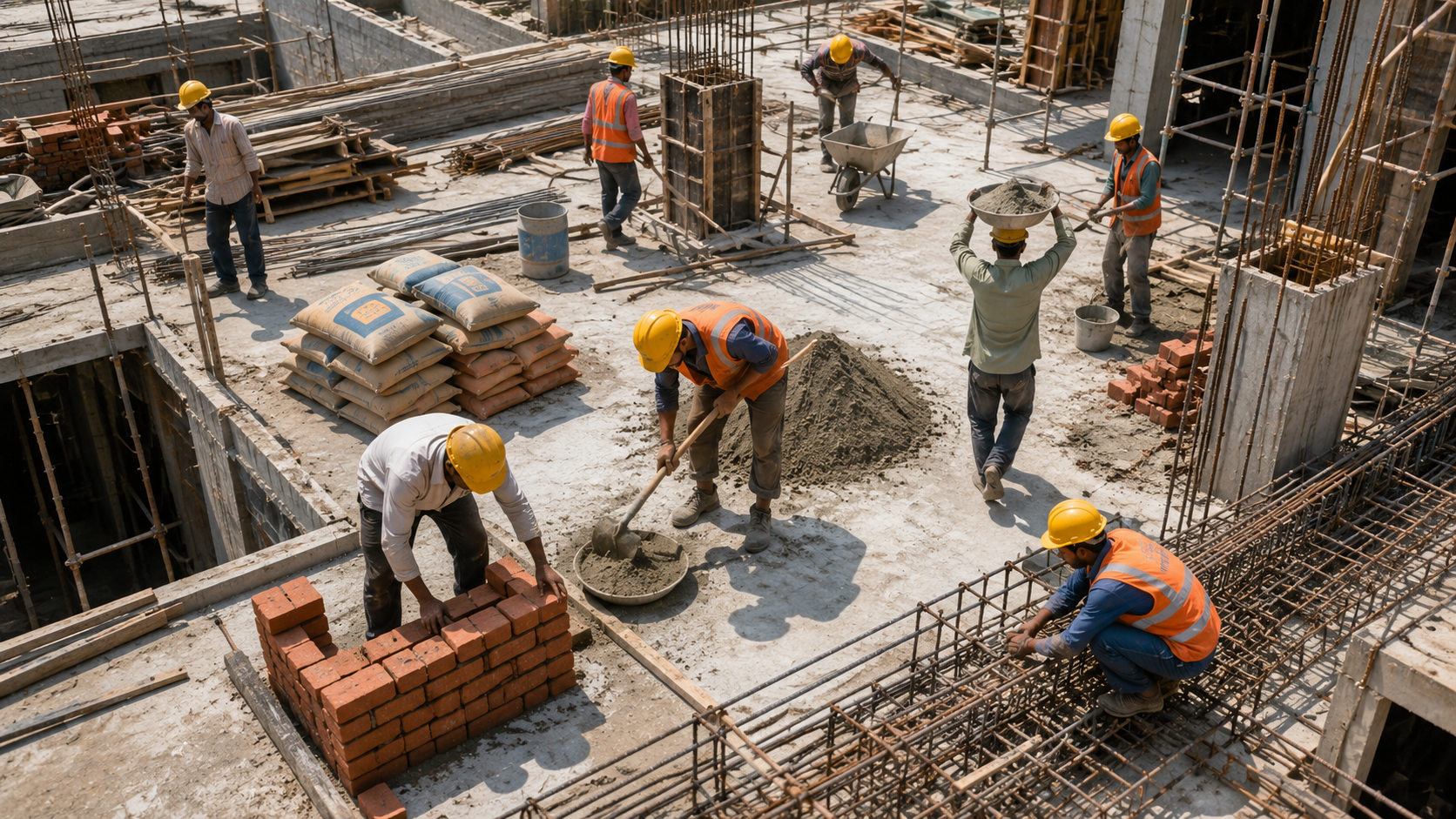
Building a house is one of the most significant investments most Indians make in their lifetime. Whether you're constructing a modest 2BHK apartment in Bangalore or a sprawling villa in Mumbai, understanding the costs involved is crucial for effective budgeting and financial planning. Construction costs vary dramatically based on location, materials, labor rates, and design complexity, making it essential to have a systematic approach to estimation.
The Indian construction industry has seen significant changes over the past decade. Material costs have fluctuated, labor rates have increased, and regulatory requirements have become more stringent. A house that cost ₹25 lakhs to build in 2015 might now cost ₹45-50 lakhs, depending on the region and specifications. This comprehensive guide will help you navigate the complexities of construction cost estimation and provide you with practical tools to calculate expenses room-by-room.
Build cost · Bengaluru, May 2026
Key Factors Affecting Construction Costs
Geographic Location and Regional Variations
Construction costs in India vary significantly by region. Metropolitan areas like Delhi, Mumbai, Bangalore, and Hyderabad have substantially higher costs compared to tier-2 and tier-3 cities. Here's a breakdown of approximate construction costs across major Indian cities:
Mumbai: ₹1,800-2,500 per sq ft (basic to premium)
Delhi: ₹1,600-2,300 per sq ft
Bangalore: ₹1,400-2,200 per sq ft
Hyderabad: ₹1,200-1,900 per sq ft
Pune: ₹1,300-2,000 per sq ft
Kolkata: ₹1,000-1,600 per sq ft
Chennai: ₹1,100-1,700 per sq ft
These figures represent basic to premium construction. Factors like proximity to commercial areas, local demand, and availability of skilled labor influence these rates. When planning your project, always consult with local contractors and architects familiar with your specific area.
Material Quality and Standards
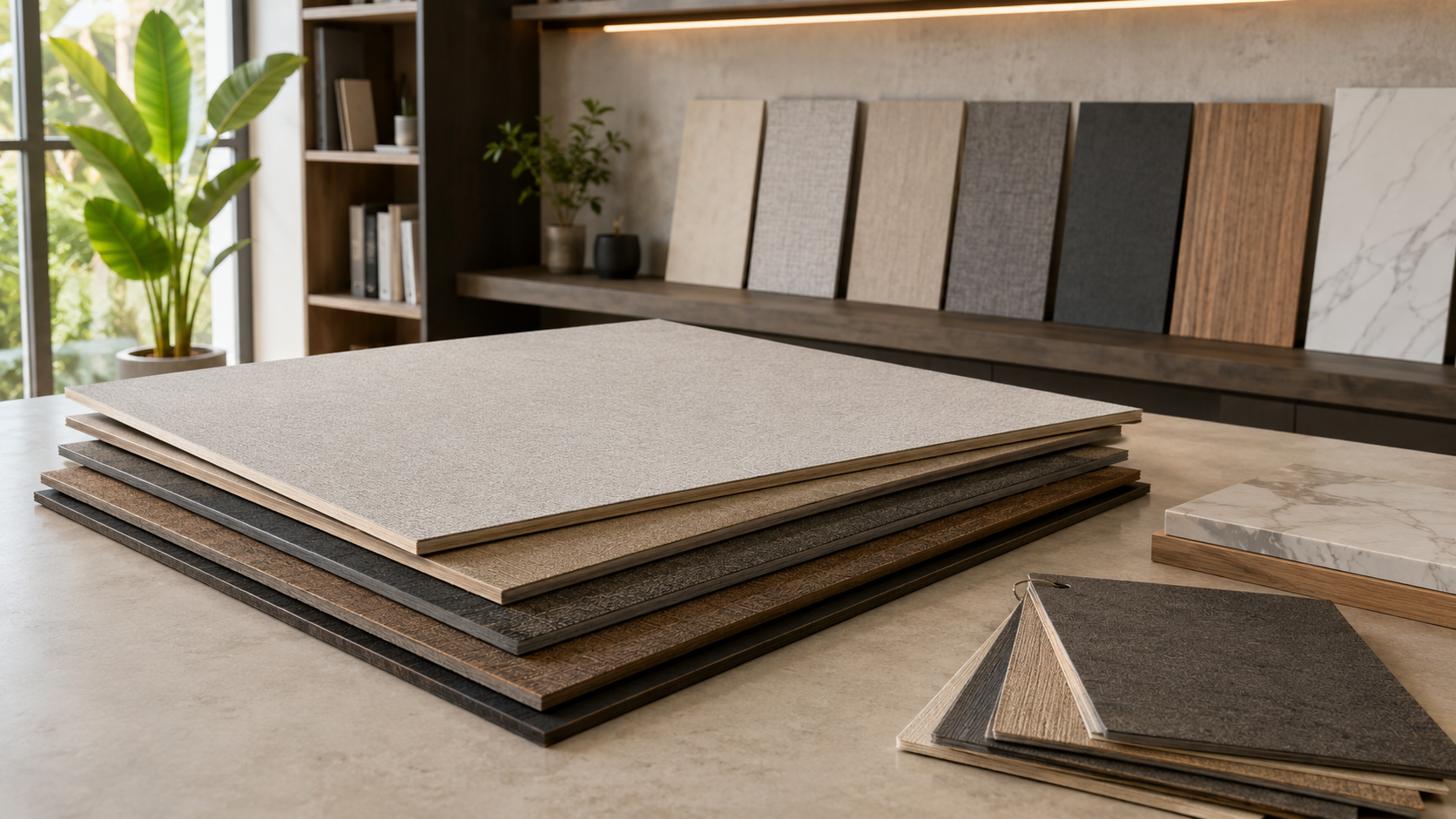
The quality of materials you choose directly impacts both the cost and longevity of your construction. Indian construction typically follows three standards:
Economy Grade: Basic materials meeting minimum standards, lowest cost option
Standard Grade: Quality materials with good durability, mid-range pricing
Premium Grade: High-quality imported or branded materials, highest cost
Choosing standard-grade materials often provides the best value for money, offering durability without excessive premium pricing.
Frequently asked
Labor Costs and Availability
Labor typically constitutes 30-40% of total construction costs in India. Labor rates vary by region and skill level. Skilled workers like masons, electricians, and plumbers command higher wages than unskilled laborers. In metros like Delhi and Mumbai, daily wages for skilled workers range from ₹800-1,500, while in smaller cities, they might be ₹400-800.
Room-by-Room Construction Cost Breakdown
Foundation and Structural Work
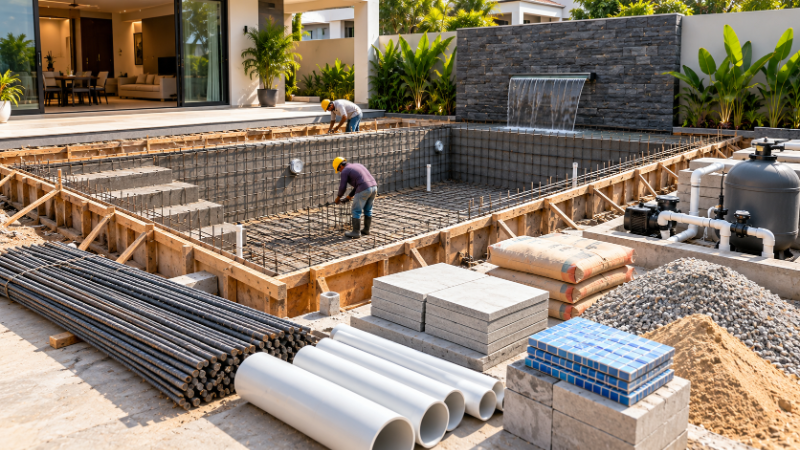
The foundation is the most critical component of any building. This phase typically accounts for 10-15% of total construction costs. For a standard 1,000 sq ft house, foundation costs might range from ₹3-5 lakhs depending on soil conditions and depth requirements.
Foundation costs include:
Soil testing and surveys: ₹15,000-30,000
Excavation: ₹50-100 per cubic meter
Concrete and reinforcement: ₹300-500 per sq ft
Waterproofing: ₹30-50 per sq ft
Walls and Masonry
Wall construction is typically the largest cost component after foundation, accounting for 15-20% of total expenses. Standard brick masonry costs approximately ₹100-150 per sq ft of wall area, including materials and labor. For a 1,000 sq ft house with typical wall dimensions, this translates to ₹2-3 lakhs.
Wall construction includes:
Bricks or blocks: ₹5,000-8,000 per 1,000 units
Cement and sand: ₹400-600 per bag (cement)
Labor for masonry: ₹60-100 per sq ft
Internal plaster: ₹30-50 per sq ft
Flooring
Flooring costs vary dramatically based on material choice. This typically represents 8-12% of construction budget. Common flooring options in India include:
Ceramic tiles: ₹80-150 per sq ft (including labor and adhesive)
Vitrified tiles: ₹100-200 per sq ft
Marble: ₹150-300 per sq ft
Granite: ₹200-400 per sq ft
Wooden flooring: ₹250-500 per sq ft
For a 1,000 sq ft house with ceramic tiles throughout, expect flooring costs around ₹1-1.5 lakhs.
Roofing
Roofing typically costs ₹80-150 per sq ft depending on material and complexity. For a 1,000 sq ft house, this usually amounts to ₹80,000-1.5 lakhs. Common roofing options include:
RCC (Reinforced Cement Concrete): ₹100-150 per sq ft
Asbestos sheets: ₹40-60 per sq ft
Metal roofing: ₹80-120 per sq ft
Tile roofing: ₹120-200 per sq ft
RCC is the most common choice in India due to its durability and multi-functional use (terrace space, water storage).
Doors and Windows
Quality doors and windows are essential for security, ventilation, and aesthetics. Budget ₹500-1,500 per door and ₹300-800 per window, including frames and installation. For a typical 3BHK house requiring 8-10 doors and 12-15 windows, allocate ₹1.5-2.5 lakhs.
Electrical Work
Electrical installation typically costs ₹80-150 per sq ft of built-up area. For a 1,000 sq ft house, expect ₹80,000-1.5 lakhs. This includes:
Wiring and conduits: ₹20-30 per sq ft
Switchboards and fittings: ₹30-50 per sq ft
Earthing and safety devices: ₹15-25 per sq ft
Labor: ₹15-25 per sq ft
Always ensure electrical work complies with Indian Standards (IS 732) and local building codes.
Plumbing and Water Supply
Plumbing costs range from ₹60-120 per sq ft. For a 1,000 sq ft house, budget ₹60,000-1.2 lakhs. This includes:
PVC pipes and fittings: ₹30-50 per sq ft
Sanitary ware (toilets, sinks, taps): ₹20,000-50,000 per bathroom
Water storage tanks: ₹15,000-40,000
Labor and installation: ₹20-40 per sq ft
Interior Finishing and Painting
Painting and finishing typically account for 5-8% of construction costs. Budget ₹50-100 per sq ft for quality paint and labor. For a 1,000 sq ft house, this means ₹50,000-1 lakh. High-quality branded paints cost more but provide better durability and finish.
Kitchen and Bathroom Fixtures
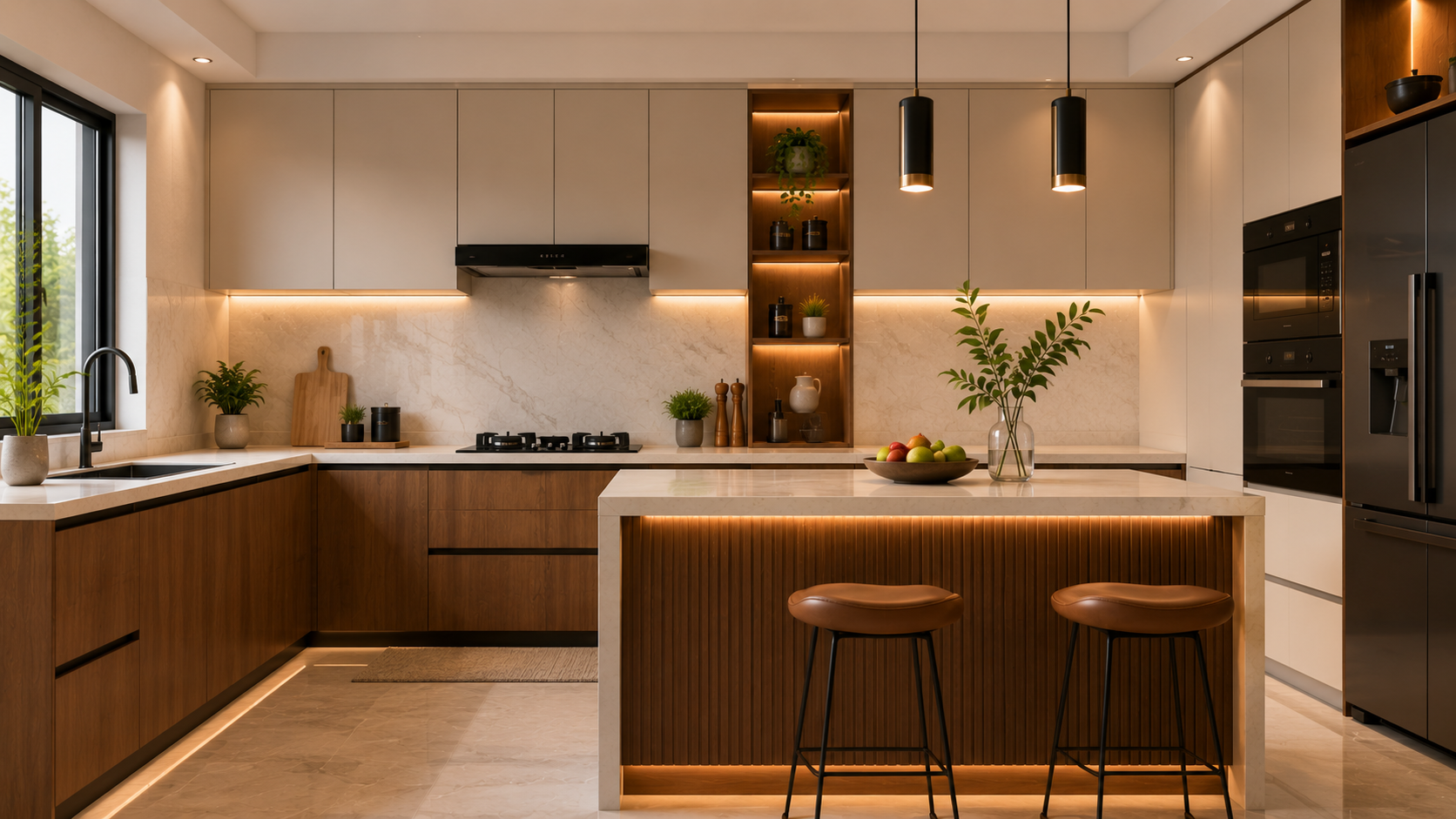
Kitchens and bathrooms are often the most expensive rooms to finish. A basic kitchen setup costs ₹1.5-3 lakhs, while a premium one can exceed ₹5 lakhs. Bathrooms range from ₹50,000-2 lakhs depending on fixtures and finishes.
Creating Your Room-by-Room Budget
Step 1: Calculate Built-up Area
Start by determining your total built-up area (carpet area plus walls). A 1,000 sq ft carpet area typically translates to 1,200-1,300 sq ft built-up area. This is crucial for accurate cost estimation.
Step 2: Choose Your Construction Grade
Decide between economy, standard, or premium construction. This choice will significantly impact all subsequent calculations. Standard construction offers the best value for most homeowners.
Step 3: Apply Regional Multipliers
Use the city-wise rates mentioned earlier to adjust base costs. If you're building in Mumbai, apply a 1.3-1.5x multiplier to base rates; for Kolkata, use 0.7-0.9x.
Step 4: Add Contingency Buffer
Always add 10-15% contingency to your total budget for unforeseen expenses, design changes, or material price fluctuations. This is particularly important in the Indian construction context where delays and modifications are common.
Typical Construction Cost Example
Let's calculate the cost for a standard 1,000 sq ft (approximately 93 sq meters) house in Bangalore with standard-grade materials:
Foundation: ₹4 lakhs
Walls and masonry: ₹2.5 lakhs
Flooring: ₹1.2 lakhs
Roofing: ₹1.2 lakhs
Doors and windows: ₹1.8 lakhs
Electrical: ₹1 lakh
Plumbing: ₹0.8 lakhs
Painting and finishing: ₹0.8 lakhs
Kitchen: ₹2 lakhs
Bathrooms: ₹1.5 lakhs
Subtotal: ₹16.8 lakhs
Contingency (10%): ₹1.68 lakhs
Total: ₹18.48 lakhs (approximately ₹1,850 per sq ft)
Hidden Costs and Additional Expenses
Beyond direct construction costs, budget for these often-overlooked expenses:
Permits and approvals: ₹20,000-50,000
Architectural and engineering fees: 3-5% of construction cost
Structural testing: ₹10,000-30,000
Site supervision: 1-2% of construction cost
Temporary structures and safety: 1-2% of construction cost
Landscaping and external works: ₹1-3 lakhs
Cost-Saving Strategies
Plan Efficiently
Optimize your floor plan to minimize wall length and reduce material waste. A well-designed layout can save 5-10% on construction costs.
Source Materials Wisely
Compare prices from multiple suppliers and consider bulk purchases. However, don't compromise on quality for savings. Building materials should meet Indian Standards (IS codes).
Time Your Construction
Construction during off-peak seasons (monsoon) can sometimes yield better labor rates, though weather-related delays must be considered.
Use Local Materials
Sourcing materials locally reduces transportation costs and supports local economies. Locally-manufactured bricks, sand, and cement are typically more economical.
Working with Professionals
Hiring qualified architects, engineers, and contractors is essential for accurate cost estimation and quality execution. These professionals can help you avoid costly mistakes and ensure compliance with local building regulations. When selecting contractors, always verify their credentials, past projects, and client references.
Platforms like AECORD connect you with verified architecture, engineering, and construction professionals across India. Whether you need a structural engineer in Delhi, a construction contractor in Bangalore, or an architect in Mumbai, AECORD's marketplace makes it easy to find qualified professionals familiar with your region's specific requirements and cost structures.
Regional Considerations for Major Indian Cities
Mumbai
Mumbai's high land costs translate to premium construction rates. Expect to pay 25-30% more than national averages. Compliance with BMC regulations and premium material standards add to costs.
Delhi
Delhi offers relatively moderate construction costs compared to Mumbai. However, strict MCD building codes and the need for superior finishes increase expenses. Labor availability is generally good.
Bangalore
Bangalore's tech-driven economy has standardized construction practices, making it easier to estimate costs accurately. Material availability is excellent, supporting competitive pricing.
Hyderabad
Hyderabad offers some of India's most competitive construction costs. Abundant skilled labor and material availability make it an economical choice for construction projects.
Using Construction Cost Calculators
Modern construction cost calculators can provide quick estimates by inputting parameters like built-up area, location, and material grade. However, these should be used as starting points only. Every project is unique, and professional consultation is recommended for accurate budgeting.
When using any calculator, ensure it accounts for:
Your specific city and region
Current material prices (updated regularly)
Local labor rates
Specific design requirements
Regulatory compliance costs
Monitoring and Controlling Costs During Construction
Once construction begins, implement these practices to prevent cost overruns:
Maintain detailed records of all expenses and invoices
Conduct regular site inspections and quality checks
Have clear written agreements with contractors specifying scope, timeline, and payment terms
Document any design changes and their cost implications immediately
Maintain communication with your architect or engineer regarding budget adherence
Final Thoughts
Constructing a house in India requires careful planning, realistic budgeting, and professional guidance. By understanding the major cost components and regional variations, you can create a comprehensive budget that accounts for both expected and unexpected expenses. Remember that the cheapest option isn't always the best—investing in quality materials and skilled professionals often provides better long-term value.
Whether you're building a compact apartment in Kolkata or a spacious bungalow in Pune, the principles of cost estimation remain consistent. Take time to research, compare quotes, and work with qualified professionals who understand your local market conditions.
Ready to start your construction project? Find experienced architects, engineers, and contractors in your area through AECORD. Our platform connects you with verified professionals who can provide accurate cost estimates, quality execution, and expert guidance tailored to your specific location and requirements. Browse AECORD today and get your project moving forward with confidence.