

India's construction industry faces a significant challenge: managing heat in buildings across diverse climates, from the scorching deserts of Rajasthan to the humid coasts of Kerala. Traditional dark roofs absorb up to 90% of solar radiation, turning buildings into ovens and driving up cooling costs exponentially. Cool roofs offer a proven, cost-effective solution that reflects solar energy away from buildings, reducing indoor temperatures and energy consumption. This comprehensive guide explores how cool roof technology works in the Indian context and why it's becoming essential for sustainable construction.
Understanding Cool Roofs: The Science Behind the Solution
Cool roofs are roofing systems designed to maintain lower surface temperatures than conventional dark roofs by reflecting more sunlight and emitting absorbed heat efficiently. The key performance metrics are solar reflectance (albedo) and thermal emittance.
Build cost · Bengaluru, May 2026
Solar Reflectance (Albedo)
Solar reflectance measures the percentage of sunlight a roof surface reflects back into the atmosphere. Dark roofs typically have an albedo of 0.05-0.15 (reflecting only 5-15% of sunlight), while cool roofs achieve 0.65-0.90 (reflecting 65-90% of sunlight). In Indian cities like Delhi and Bangalore, where summer temperatures regularly exceed 40°C, this difference translates to roof surface temperature reductions of 20-30°C.
Thermal Emittance
Thermal emittance is the roof's ability to release absorbed heat as infrared radiation. Cool roofs have high thermal emittance (0.75-0.90), allowing them to shed heat efficiently even when some solar radiation is absorbed. This dual mechanism—reflection and emission—makes cool roofs particularly effective in India's intense solar environment.
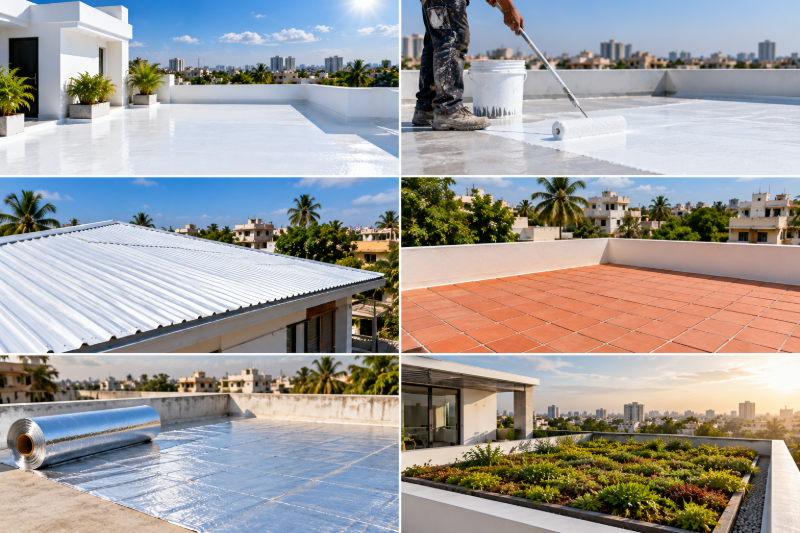
Types of Cool Roof Materials Available in India
Frequently asked
Cool Paint and Coatings
Cool paints are the most accessible and affordable option for retrofitting existing buildings. These water-based or acrylic coatings contain reflective pigments and can be applied directly to existing roof surfaces. In India, cool paint costs range from ₹25-60 per square meter, depending on quality and brand. Premium brands offering 10+ year durability cost around ₹50-60/sqm, while budget options start at ₹25-35/sqm.
Advantages: Easy application, minimal structural modifications needed, cost-effective for existing buildings, available from major Indian manufacturers like Berger Paints, Asian Paints, and Nerolac.
Disadvantages: Requires periodic reapplication (every 5-7 years), may chalk or fade, effectiveness depends on maintenance.
Cool Roof Tiles and Sheets
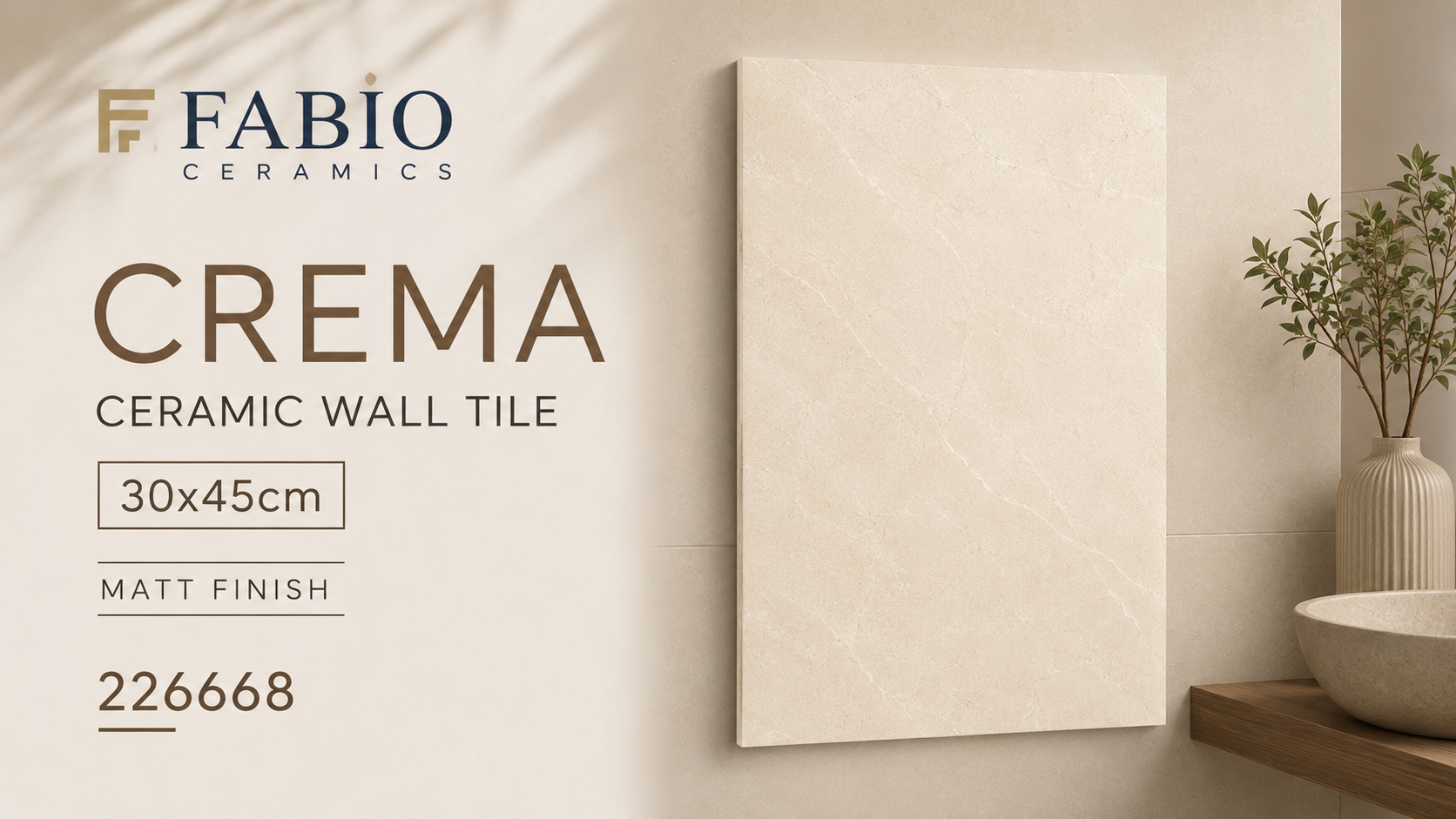
Manufacturers now produce cool tiles and metal sheets with integrated reflective properties. These are ideal for new construction or major renovations. Ceramic tiles with cool coatings cost ₹150-250/sqm, while cool metal sheets range from ₹80-150/sqm.
Advantages: Long-lasting (15-25 years), maintains reflectivity throughout lifespan, aesthetically pleasing options, integrates with traditional Indian architectural styles.
Disadvantages: Higher upfront investment, requires professional installation, limited availability in smaller Indian towns.
White Membrane Roofs
Single-ply thermoplastic polyolefin (TPO) or polyvinyl chloride (PVC) membranes in white are increasingly popular for flat-roof construction common in Indian commercial and residential buildings. These cost ₹120-200/sqm installed.
Advantages: Excellent waterproofing, high solar reflectance (0.75-0.85), durable (20-30 years), seamless installation possible.
Disadvantages: Professional installation essential, higher initial cost, limited DIY application options.
Green Roofs with Reflective Base
While not purely reflective, green roofs with light-colored substrate beneath vegetation provide cooling through evapotranspiration. Installation costs ₹400-800/sqm in India, making them premium options suitable for high-value commercial properties.
Energy and Cost Savings: Real Numbers for India
The energy savings from cool roofs depend on several factors: building size, roof area-to-volume ratio, existing insulation, climate zone, and cooling system efficiency. However, research and field studies provide concrete data for Indian conditions.
Cooling Load Reduction
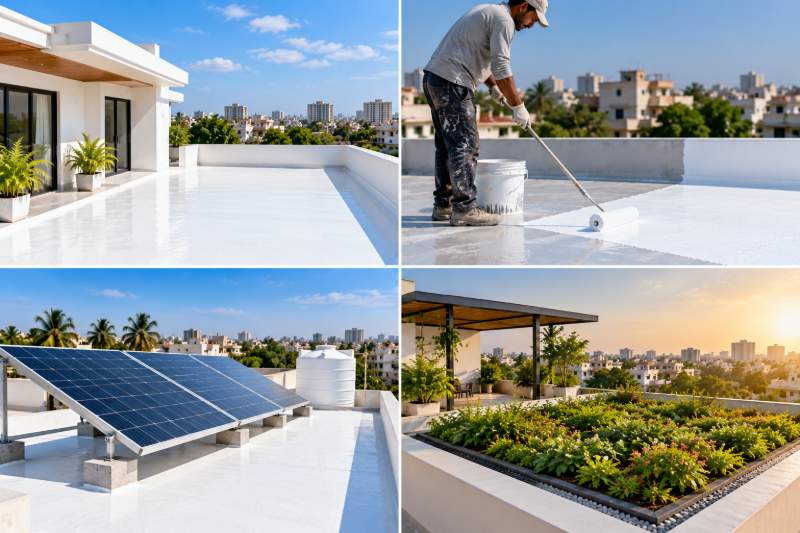
Studies conducted by the Energy and Resources Institute (TERI) in Delhi found that cool roofs reduce cooling loads by 20-30% in residential buildings and 15-25% in commercial buildings during peak summer months. A 2000 sqm commercial building in Bangalore with a conventional dark roof consuming 50,000 kWh annually for cooling could reduce consumption to 37,500-42,500 kWh with a cool roof—a saving of 7,500-12,500 kWh annually.
Financial Savings
At average Indian commercial electricity rates of ₹8-12 per kWh, this translates to annual savings of ₹60,000-150,000 for the example building. Over a 15-year period (typical cool paint lifespan with one reapplication), total savings could reach ₹9-22.5 lakhs, far exceeding the initial investment of ₹1-3 lakhs.
For residential buildings in cities like Mumbai and Hyderabad, a 100 sqm apartment's air conditioning costs could drop by ₹8,000-15,000 annually, with a cool paint application costing only ₹2,500-6,000.
Peak Demand Reduction
Beyond annual energy savings, cool roofs reduce peak cooling demand. This is crucial in India, where summer peak loads strain the electrical grid. A study by the Bureau of Energy Efficiency (BEE) found that cool roofs reduce peak cooling demand by 10-20%, helping stabilize grid frequency during critical afternoon hours.
Climate-Specific Applications Across India
Hot and Dry Zones (Rajasthan, Gujarat, Parts of Uttar Pradesh)
In cities like Jaipur and Ahmedabad, where temperatures exceed 45°C and humidity is low, cool roofs deliver maximum benefit. The dry climate means less algae growth and minimal maintenance. Cool paints here can reduce indoor temperatures by 5-8°C. This zone is ideal for cool paint applications due to cost-effectiveness and durability in low-humidity conditions.
Hot and Humid Zones (Kerala, Tamil Nadu, Coastal Areas)
Cities like Kochi and Chennai experience high humidity and rainfall. While cool roofs still provide benefits (3-6°C temperature reduction), moisture management becomes critical. White membrane roofs and ceramic tiles with proper drainage are preferred over paints, which may develop algae growth. Annual maintenance costs increase by 20-30% compared to dry zones.
Composite/Moderate Zones (Delhi, Bangalore, Hyderabad)
These regions experience distinct seasons with moderate humidity. Cool roofs here provide year-round benefits: summer cooling and reduced heating load in winter (as the building retains less heat). Cool paints are highly effective and cost-efficient in these zones. Bangalore's tech parks have extensively adopted cool roofing, with reported energy savings of 18-22%.
Cool Roof Installation: Process and Best Practices
Surface Preparation
Proper preparation is essential for cool roof longevity. Steps include:
Cleaning the roof surface to remove dirt, algae, and debris (pressure washing at 80-100 bar pressure)
Repairing cracks and structural damage
Applying primer suitable for the specific roof material
Ensuring proper slope for water drainage (minimum 1:40 slope for flat roofs)
Application Methods
Spray Application: Most efficient for large areas. Typically covers 150-200 sqm per day per worker. Requires weather conditions with temperature between 5-35°C and humidity below 85%.
Roller Application: Better for smaller areas and provides superior coverage control. Covers 50-80 sqm per day per worker but offers more uniform application.
Brush Application: Suitable for detailed areas and edge work. Slowest method but allows precise application in complex roof geometries.
Quality Control
Professional installers should verify:
Dry film thickness (typically 150-300 microns for cool paints)
Solar reflectance using a solar reflectometer (should meet 0.65+ for quality cool paints)
Coverage uniformity across the entire roof surface
Proper curing time before exposing to rain (typically 48-72 hours)
Regulatory Framework and Building Standards in India
Energy Conservation Building Code (ECBC)
The ECBC, mandated for large commercial buildings (>100,000 sqft), recommends cool roofs as a cost-effective compliance measure. The 2017 ECBC version specifies minimum solar reflectance of 0.65 for roofs in compliance buildings. States like Karnataka, Delhi, and Maharashtra have adopted stricter versions requiring 0.70+ reflectance.
Green Building Certifications
LEED and IGBC (Indian Green Building Council) certifications award points for cool roof implementation. A building achieving cool roof standards can earn 1-3 points under the Energy and Atmosphere category, contributing to overall certification achievement.
Municipal Building Bylaws
Several Indian municipalities, including Bangalore, Pune, and Ahmedabad, have incorporated cool roof provisions in their building bylaws. Bangalore's revised building bylaws (2015) require all new buildings to implement cool roofs or equivalent energy-efficient roof systems. Non-compliance can result in project delays or penalties.
Challenges and Solutions for Cool Roof Implementation
Durability and Maintenance
Challenge: Cool paints can lose reflectivity due to dust accumulation, algae growth, and UV degradation. In Indian cities, dust accumulation alone can reduce reflectance by 10-15% annually.
Solution: Implement regular cleaning schedules (bi-annual in dry zones, quarterly in humid zones). Use self-cleaning coatings with photocatalytic properties (TiO₂-based) that cost 20-30% more but reduce maintenance frequency.
Aesthetic Concerns
Challenge: Traditional white roofs don't match Indian architectural preferences, particularly in residential areas where terracotta and dark tiles are culturally preferred.
Solution: Manufacturers now offer cool coatings in various colors (light gray, beige, light terracotta) maintaining 0.60-0.75 reflectance. AECORD connects builders with suppliers offering these aesthetic cool roof options that blend functionality with design preferences.
Thermal Shock Concerns
Challenge: Some stakeholders worry that cool roofs cause thermal shock to underlying structures due to rapid temperature fluctuations.
Solution: Research by IIT-Bombay demonstrates that properly designed cool roofs actually reduce thermal stress by maintaining more stable roof temperatures. Thermal cycling is reduced by 40-50% compared to dark roofs.
Integration with Building Systems
HVAC System Optimization
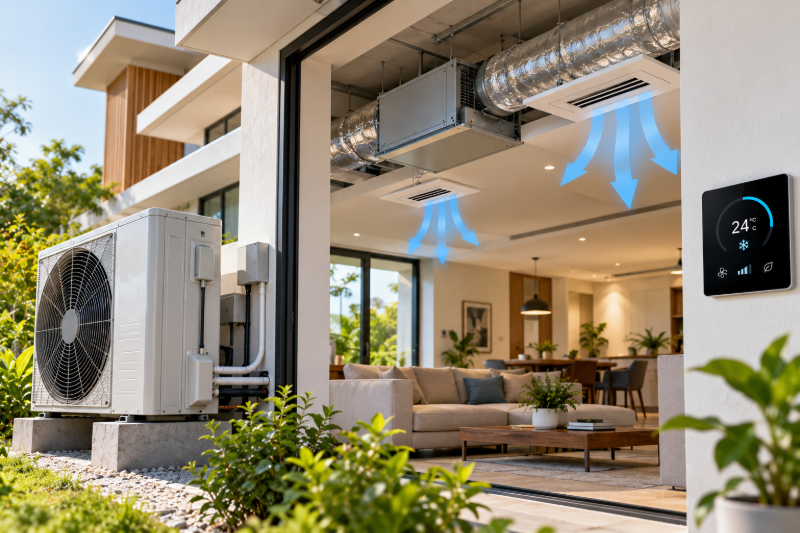
Cool roofs reduce HVAC load, allowing downsizing of air conditioning units. A 2000 sqm building might reduce required cooling capacity from 150 TR (tons of refrigeration) to 120-130 TR, saving ₹3-5 lakhs in equipment costs and ₹15,000-25,000 annually in reduced electricity consumption for oversized systems.
Water Harvesting Enhancement
Cool roofs maintain their light color and cleanliness, making collected rainwater suitable for harvesting systems with minimal filtration. This is particularly valuable in water-stressed Indian cities like Bangalore and Hyderabad.
Solar Panel Compatibility
Cool roofs provide excellent substrates for solar panel installation. The reduced roof temperature (10-15°C cooler than dark roofs) improves solar panel efficiency by 2-4%, as photovoltaic cells operate more efficiently at lower temperatures.
Finding Cool Roof Professionals on AECORD
Implementing cool roofs requires expertise in material selection, installation techniques, and climate-specific applications. AECORD's platform connects builders, architects, and property owners with certified cool roof contractors, material suppliers, and consultants across India. Whether you're planning a residential retrofit in Mumbai, a commercial project in Bangalore, or an industrial facility in Pune, AECORD helps you find qualified professionals with proven track records in cool roof implementation.
Future Trends in Cool Roof Technology
Smart Cool Roofs
Emerging technologies integrate IoT sensors into cool roof systems, monitoring surface temperature, reflectance degradation, and maintenance needs in real-time. These systems, currently in pilot phases in Indian cities, will enable predictive maintenance and optimize building performance.
Phase-Change Materials
PCM-integrated roof coatings absorb excess heat during peak temperatures and release it during cooler periods, further stabilizing indoor temperatures. Research at IIT-Delhi shows 15-20% additional cooling benefits compared to standard cool roofs.
Cost Reductions
As cool roof adoption increases in India, material costs are declining. Cool paints that cost ₹60/sqm five years ago now cost ₹30-40/sqm, making retrofitting increasingly economical for middle-income residential buildings.
Conclusion: Cool Roofs as Essential Sustainable Infrastructure
Cool roofs represent a simple yet highly effective strategy for reducing energy consumption, lowering operating costs, and mitigating urban heat island effects across Indian cities. With energy savings of 15-30%, payback periods of 2-5 years, and minimal environmental impact, cool roofs align perfectly with India's sustainable development goals and climate commitments.
Whether you're developing a new commercial complex, retrofitting an existing building, or planning a residential community, cool roofs deserve serious consideration in your sustainability strategy. The combination of proven technology, regulatory support, and demonstrated cost-effectiveness makes cool roofs an obvious choice for forward-thinking developers and property owners across India.
Ready to implement cool roofs in your next project? Visit AECORD to connect with experienced cool roof specialists, material suppliers, and sustainability consultants who understand India's diverse climate zones and building requirements. Find the right professionals to ensure your cool roof project delivers maximum energy savings and long-term performance.
```
Frequently Asked Questions
What is the difference between solar reflectance and thermal emittance in cool roofs?
Solar reflectance (albedo) measures how much sunlight a roof reflects back into the atmosphere, while thermal emittance is the roof's ability to release absorbed heat as infrared radiation. Cool roofs use both mechanisms—reflecting 65-90% of sunlight and efficiently emitting absorbed heat—to maintain lower surface temperatures than traditional dark roofs.
How much can cool roofs reduce indoor temperatures in India?
In Indian cities like Delhi and Bangalore where summer temperatures exceed 40°C, cool roofs can reduce roof surface temperatures by 20-30°C compared to traditional dark roofs. This significant reduction translates to lower indoor temperatures and substantially decreased cooling costs.
What is the most affordable cool roof option for existing buildings in India?
Cool paint and coatings are the most accessible and affordable option, costing ₹25-60 per square meter depending on quality. These water-based or acrylic coatings can be applied directly to existing roof surfaces without structural modifications, making them ideal for retrofitting buildings.
How long do different types of cool roofs last in India?
Cool paint requires reapplication every 5-7 years, while cool roof tiles and sheets last 15-25 years, and white membrane roofs last 20-30 years. The lifespan depends on the material type and maintenance, with premium options offering longer durability.
Why are cool roofs particularly important for India's construction industry?
India's diverse climates and intense solar radiation—especially in regions like Rajasthan and coastal areas—cause traditional dark roofs to absorb up to 90% of solar energy, dramatically increasing cooling costs. Cool roofs offer a proven, cost-effective solution for sustainable construction that reduces energy consumption across the country's varied climate zones.