

Understanding Antique Brown Polymer Modified Architectural Shingles: A Comprehensive Guide for Indian AECO Professionals
Architectural shingles have revolutionized roofing solutions across the globe, and India's construction industry is increasingly recognizing their value. Among the various options available, antique brown polymer modified architectural shingles represent a premium choice that combines aesthetic appeal with exceptional durability. This comprehensive guide explores everything Indian architects, contractors, and property developers need to know about this roofing material.
Build cost · Bengaluru, May 2026
What Are Polymer Modified Architectural Shingles?
Polymer modified architectural shingles are advanced roofing materials engineered to provide superior performance compared to traditional asphalt shingles. The "polymer modified" designation refers to the incorporation of synthetic polymers into the asphalt base, significantly enhancing the material's flexibility, durability, and weather resistance.
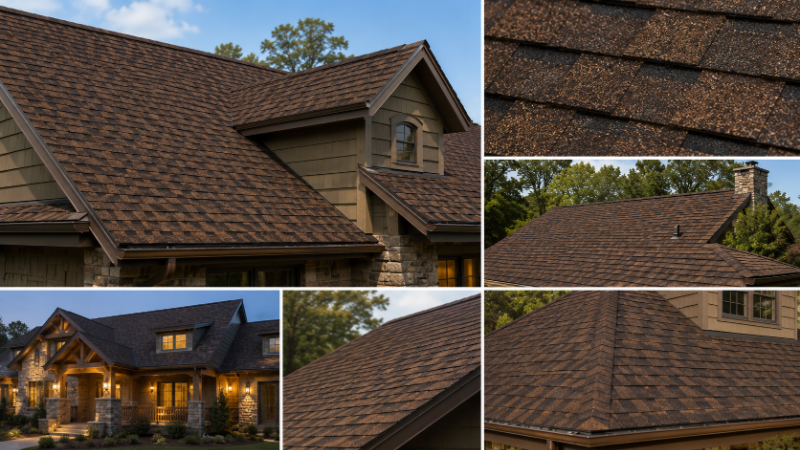
These shingles are constructed with multiple layers including:
Fiberglass mat base: Provides structural integrity and dimensional stability
Polymer-modified bitumen: Enhanced asphalt that offers superior adhesion and flexibility
Mineral granules: Protect against UV radiation and provide color and texture
Adhesive strips: Self-sealing technology that bonds shingles together
The "architectural" designation indicates that these shingles feature a dimensional, multi-layered appearance that mimics the look of traditional slate or wood shakes, making them an attractive choice for both residential and commercial projects across Indian cities like Bangalore, Mumbai, Pune, and Delhi.
The Antique Brown Color: Aesthetic and Practical Benefits
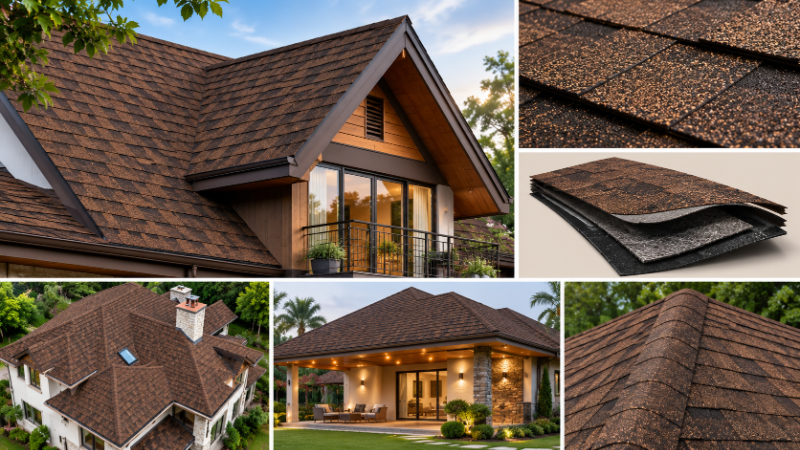
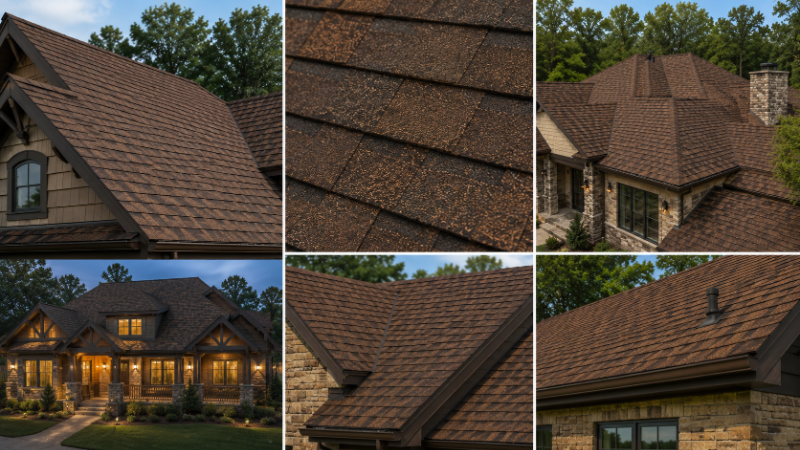
Antique brown is one of the most versatile and popular colors in architectural shingle offerings. This warm, earthy tone complements various architectural styles and building materials commonly used in Indian construction.
Visual Appeal and Design Flexibility
The antique brown finish offers several design advantages for Indian properties:
Complements both modern and traditional architectural styles
Works well with cream, beige, and terracotta-colored exterior walls
Provides a sophisticated appearance suitable for high-end residential developments
Blends naturally with landscaping elements common in Indian gardens
Offers excellent curb appeal for commercial properties and hospitality venues
In metropolitan areas like Bangalore and Hyderabad, where architectural diversity is prominent, antique brown shingles have become increasingly popular among developers seeking to differentiate their properties in competitive markets.
Frequently asked
Practical Advantages of the Color Choice
Beyond aesthetics, the antique brown color provides functional benefits. The darker tone helps absorb solar heat during cooler months, which can be beneficial in northern Indian regions during winter. However, in hotter climates like Rajasthan or coastal areas, this characteristic requires proper ventilation and insulation considerations to prevent excessive heat buildup.
Technical Specifications and Performance Characteristics
Understanding the technical specifications of polymer modified architectural shingles is crucial for making informed decisions in the Indian construction context.
Durability and Lifespan
Quality antique brown polymer modified architectural shingles typically offer:
Expected lifespan: 25-40 years with proper installation and maintenance
Wind resistance: Rated up to 130-150 km/h, suitable for monsoon-prone regions
Impact resistance: Enhanced protection against hail and falling debris
UV protection: Granule technology resists color fading and degradation
Fire rating: Class A fire rating, meeting safety standards
The polymer modification significantly extends the shingle's lifespan compared to standard asphalt shingles, making them a cost-effective long-term investment for Indian property owners despite higher initial costs.
Weather Performance in Indian Climates
India's diverse climate zones present specific challenges that polymer modified shingles address effectively:
Monsoon Regions: The enhanced water resistance and self-sealing adhesives prevent water infiltration during heavy rainfall common in Western and Eastern India. The polymer modification ensures the shingles remain flexible even when saturated, preventing cracking.
Coastal Areas: In cities like Mumbai, Goa, and Chennai, salt spray and humidity can degrade traditional roofing materials. Polymer modified shingles resist corrosion and maintain their structural integrity in these challenging environments.
Desert and Hot Regions: The polymer base prevents the brittleness that affects standard asphalt shingles in extreme heat. This is particularly valuable in Rajasthan and parts of Gujarat where temperatures can exceed 45°C.
Temperature Fluctuations: The flexibility of polymer-modified materials accommodates the thermal expansion and contraction that occurs with India's temperature variations, reducing the risk of cracking and premature failure.
Installation Considerations for Indian Conditions
Proper installation is critical to maximizing the performance of antique brown polymer modified architectural shingles in Indian climates.
Substrate Preparation
The roof deck must be properly prepared before installation:
Ensure adequate structural support capable of handling the shingle weight (typically 300-400 kg per 100 square feet)
Install proper ventilation to manage moisture and heat in humid Indian climates
Apply underlayment or ice and water shield, especially important in areas with heavy monsoon rainfall
Ensure proper slope for water drainage (minimum 4:12 pitch recommended)
Installation Best Practices
Professional installation ensures optimal performance:
Fastening: Use corrosion-resistant nails (hot-dipped galvanized or stainless steel) appropriate for Indian humidity levels
Nail placement: Follow manufacturer specifications precisely, typically 4-6 nails per shingle
Starter strip: Essential for proper water shedding and alignment
Sealing: Activate self-sealing adhesives by ensuring proper exposure to heat
Flashing: Properly install around chimneys, vents, and valleys to prevent water infiltration
When selecting contractors for installation, consider working with professionals available on platforms like AECORD, where you can verify credentials and access reviews from other Indian property owners.
Cost Analysis and Value Proposition
Understanding the financial aspects of antique brown polymer modified architectural shingles helps in project budgeting.
Material Costs in India
As of 2024, pricing varies by region and supplier:
Material cost: Approximately ₹400-700 per square meter for quality polymer modified shingles
Installation labor: ₹200-350 per square meter depending on roof complexity and location
Additional materials: Underlayment, flashing, and adhesives add ₹100-150 per square meter
Total project cost: ₹700-1,100 per square meter for a complete roofing installation
For a typical 1,500 square meter residential roof in Bangalore or Mumbai, total costs typically range from ₹10.5 to ₹16.5 lakhs. While this is higher than standard asphalt shingles, the extended lifespan and superior performance justify the investment.
Long-Term Value Considerations
The value proposition extends beyond initial cost:
Reduced maintenance: Minimal repairs needed over 30+ years
Energy efficiency: Proper ventilation with these shingles can reduce cooling costs in hot climates
Insurance benefits: Some insurers offer premium discounts for high-quality roofing materials
Property value: Quality roofing enhances resale value and property appeal
Warranty protection: Typically includes 25-40 year warranties covering defects
Maintenance and Care Guidelines
Proper maintenance extends the lifespan of antique brown polymer modified architectural shingles and preserves their appearance.
Regular Inspection Schedule
Establish a maintenance routine suited to Indian weather patterns:
Post-monsoon inspection: Check for water damage, debris accumulation, and loose shingles
Pre-summer inspection: Ensure proper ventilation and check for heat-related issues
Annual inspection: Professional assessment of overall roof condition
After severe weather: Inspect following storms, heavy rain, or hail
Maintenance Tasks
Keep your antique brown shingle roof in optimal condition:
Debris removal: Clear leaves, branches, and dirt that accumulate during monsoon season
Gutter cleaning: Ensure proper water drainage to prevent pooling
Moss and algae control: Address growth in humid regions with appropriate treatments
Flashing inspection: Check seals around chimneys and vents regularly
Tree management: Trim overhanging branches to prevent damage and debris accumulation
Comparing Antique Brown Polymer Modified Shingles with Alternatives
Understanding how these shingles compare with other roofing options helps in making informed decisions for Indian projects.
versus Standard Asphalt Shingles
Polymer modified shingles offer superior performance in India's climate conditions. While standard asphalt shingles cost ₹250-400 per square meter, they have a shorter lifespan (15-20 years) and less flexibility in extreme temperatures. The polymer modification provides better value over the long term.
versus Metal Roofing
Metal roofing (₹800-1,500 per square meter) offers excellent durability but can be noisier during rain and requires specialized installation. Polymer modified shingles provide similar longevity with better acoustic properties and simpler installation procedures.
versus Tile Roofing
Traditional clay or concrete tiles (₹600-1,000 per square meter) offer aesthetic appeal but are heavy, requiring stronger structural support. Polymer modified architectural shingles provide a similar aesthetic at lower weight and cost, with comparable durability.
Regulatory and Standards Compliance in India
Ensure your roofing project meets Indian building standards and regulations.
Polymer modified architectural shingles should comply with:
IS 1866: Indian Standard for Asphalt Shingles
National Building Code (NBC) 2016: Fire safety and structural requirements
Local municipal building bylaws: Specific requirements for your city or region
Environmental regulations: Proper disposal of old roofing materials
Working with certified professionals through AECORD ensures compliance with all relevant standards and regulations in your specific location.
Selecting the Right Contractor for Installation
The quality of installation directly impacts the performance of your antique brown polymer modified architectural shingles.
Contractor Qualifications
Look for professionals with:
Specific experience with polymer modified shingles in Indian climates
Manufacturer certifications and training
Insurance and proper licensing
References from completed projects in your region
Understanding of local weather patterns and building requirements
Finding Qualified Professionals
AECORD provides a platform to connect with vetted roofing contractors and installation specialists across major Indian cities. You can review portfolios, compare quotes, and access professional recommendations from other property owners who have completed similar projects.
Future Outlook and Sustainability
The roofing industry in India continues to evolve with increasing focus on sustainability and performance.
Modern polymer modified shingles increasingly incorporate recycled materials and are designed for easier recycling at end-of-life. Some manufacturers now offer shingles with reflective granules that reduce heat absorption, addressing India's cooling efficiency concerns in hot climates.
As Indian construction standards continue to align with international best practices, polymer modified architectural shingles are becoming the preferred choice for quality-conscious developers and property owners across metropolitan and tier-2 cities.
Conclusion: Making Your Decision
Antique brown polymer modified architectural shingles represent a premium roofing solution that delivers exceptional value for Indian property owners and developers. Their superior durability, weather resistance, and aesthetic appeal make them ideal for the diverse climatic conditions across India—from monsoon-prone Western regions to hot, dry areas in the North and coastal humidity in the South.
While the initial investment is higher than standard alternatives, the extended lifespan, minimal maintenance requirements, and enhanced property value justify the expense. Whether you're planning a residential villa in Bangalore, a commercial project in Mumbai, or a hospitality property in Goa, antique brown polymer modified architectural shingles offer reliable performance and lasting beauty.
To ensure your roofing project succeeds, partner with qualified professionals who understand the specific requirements of Indian construction and climate conditions. Connect with experienced roofing contractors and installation specialists on AECORD, where you can access vetted professionals, compare quotes, and benefit from the collective expertise of India's AECO community. Start your search today and invest in a roof that will protect and enhance your property for decades to come.
Frequently Asked Questions
What are polymer modified architectural shingles and how do they differ from traditional asphalt shingles?
Polymer modified architectural shingles are advanced roofing materials that incorporate synthetic polymers into the asphalt base, significantly enhancing flexibility, durability, and weather resistance compared to traditional asphalt shingles. They feature multiple layers including a fiberglass mat base, polymer-modified bitumen, mineral granules, and self-sealing adhesive strips, with a dimensional appearance that mimics slate or wood shakes.
Why is antique brown a popular color choice for architectural shingles in India?
Antique brown is versatile and complements both modern and traditional Indian architectural styles, working well with cream, beige, and terracotta-colored walls common in Indian construction. Beyond aesthetics, the darker tone provides functional benefits like absorbing solar heat during cooler months, though proper ventilation is needed in hotter climates.
How long do polymer modified architectural shingles typically last?
Quality antique brown polymer modified architectural shingles typically offer an expected lifespan of 25-40 years with proper installation and maintenance. They are also rated for wind resistance up to 130-150 km/h, making them suitable for monsoon-prone regions in India.
Are polymer modified architectural shingles suitable for India's climate and weather conditions?
Yes, these shingles are well-suited for Indian climates with their wind resistance rated for monsoon-prone regions and enhanced impact resistance. However, in hotter climates like Rajasthan or coastal areas, proper ventilation and insulation considerations are necessary to prevent excessive heat buildup from the darker antique brown color.
What makes antique brown shingles a good choice for commercial properties in Indian cities?
Antique brown shingles offer excellent curb appeal and a sophisticated appearance suitable for high-end developments, making them increasingly popular among developers in competitive metropolitan markets like Bangalore and Hyderabad. Their versatility in complementing various architectural styles and building materials makes them ideal for commercial and hospitality venues.