



Understanding Storm Grey Polymer Modified Architectural Shingles: A Complete Guide for Indian Builders
When it comes to roofing solutions for modern Indian construction projects, polymer modified architectural shingles have emerged as a game-changing option. Among the various specifications available, Storm Grey Polymer Modified Architectural Shingles (469604) represent a premium choice that combines aesthetic appeal with exceptional durability. Whether you're working on residential complexes in Bangalore, commercial projects in Mumbai, or institutional buildings across India, understanding the characteristics and applications of these shingles is essential for making informed decisions.
Build cost · Bengaluru, May 2026
What Are Polymer Modified Architectural Shingles?
Polymer modified architectural shingles are advanced roofing materials engineered to provide superior performance compared to traditional asphalt shingles. The "polymer modified" designation refers to the incorporation of synthetic polymers into the asphalt composition, which enhances the material's flexibility, durability, and weather resistance. The Storm Grey variant (469604) specifically offers a sophisticated neutral tone that complements modern architectural designs while maintaining excellent functional properties.
Key Composition and Materials
These shingles are constructed with multiple layers that work together to create a robust roofing system. The base consists of a fiberglass mat that provides structural integrity, topped with asphalt-polymer blend that offers flexibility and weather resistance. The top surface features granule coatings that serve multiple purposes: they provide UV protection, enhance aesthetic appeal, and improve fire resistance. The Storm Grey color (469604) uses premium ceramic-coated granules that maintain their appearance for extended periods, even under India's intense sun exposure. /blog/oxford-grey-polymer-modified-architectural-shingles-469580
The polymer modification process typically involves incorporating elastomeric or plastomeric polymers into the asphalt binder. This modification significantly improves the shingle's ability to expand and contract with temperature fluctuations, a critical consideration in Indian climates where temperatures can vary dramatically between seasons and between day and night.
Why Choose Storm Grey Polymer Modified Shingles for Indian Projects?
Frequently asked
Climate Compatibility
India's diverse climate zones present unique roofing challenges. From the humid coastal regions of Kerala and Mumbai to the extreme heat of Rajasthan and the heavy monsoons of the Northeast, roofing materials must perform reliably across varying conditions. Storm Grey Polymer Modified Architectural Shingles (469604) excel in these environments because:
Heat Resistance: The polymer-modified composition prevents the shingles from becoming overly brittle in high temperatures, a common problem with standard asphalt shingles in cities like Delhi and Hyderabad.
Moisture Management: The enhanced water resistance properties make these shingles ideal for monsoon-prone areas, reducing the risk of water infiltration and subsequent structural damage.
UV Stability: The ceramic-coated granules resist UV degradation, maintaining the Storm Grey color integrity even after years of exposure to intense Indian sunlight.
Temperature Flexibility: The polymer modification allows shingles to flex with temperature changes without cracking, extending their lifespan in regions with significant temperature variations.
Aesthetic and Architectural Benefits
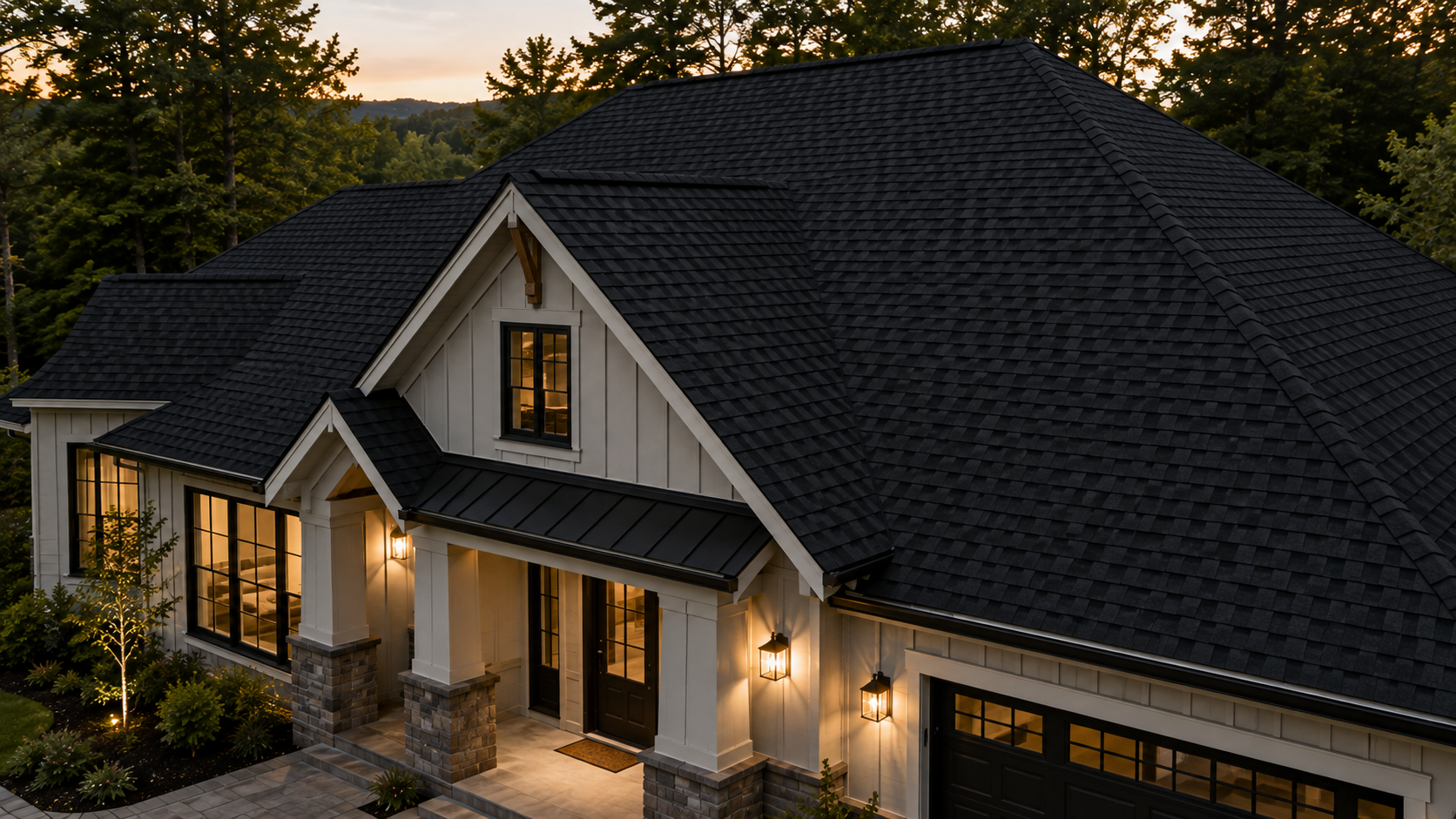
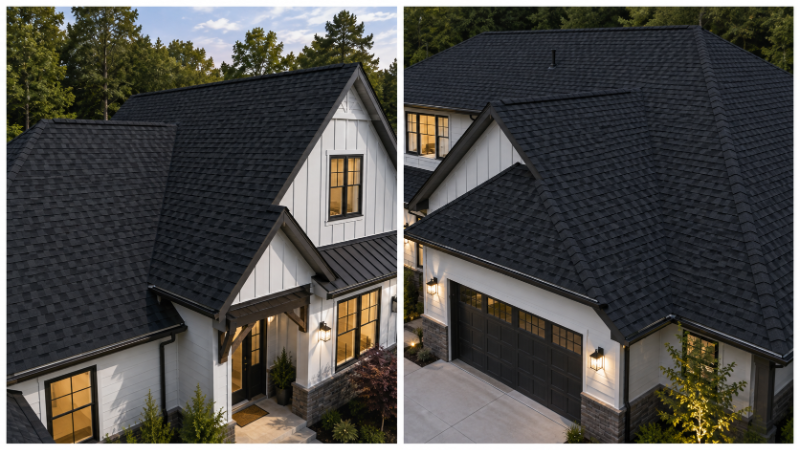
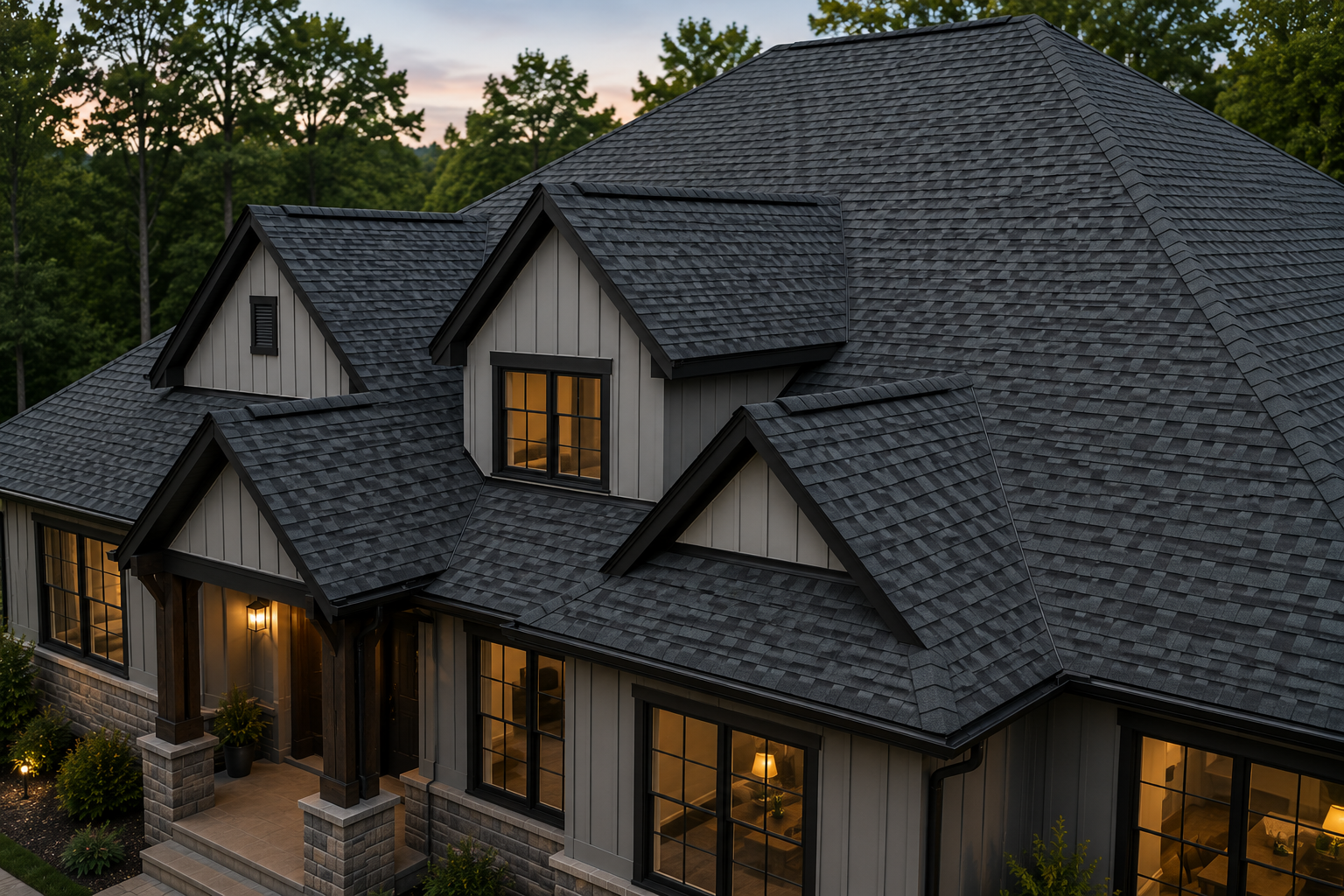
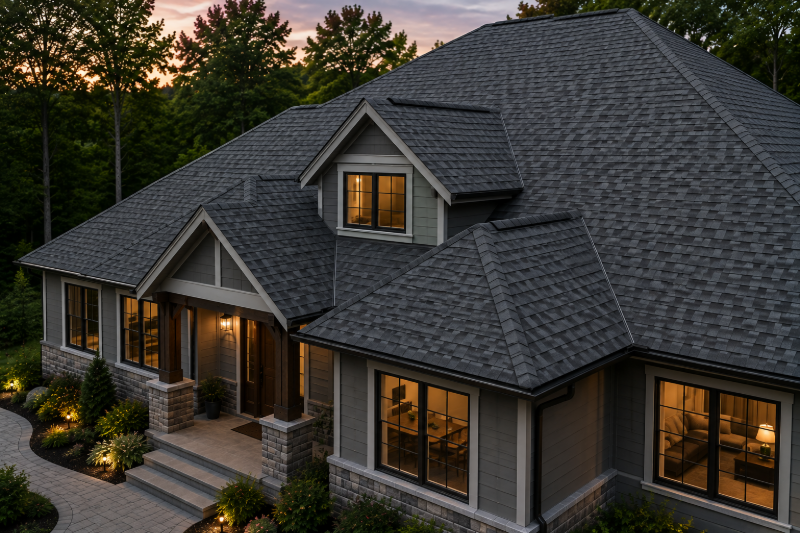
The Storm Grey color (469604) offers significant design advantages for contemporary Indian construction. This sophisticated neutral tone works seamlessly with modern architectural styles that dominate commercial and high-end residential developments across Indian metros. Unlike stark black or traditional brown shingles, Storm Grey provides visual depth and sophistication while remaining versatile enough to complement various exterior materials—from glass and steel facades to stone and brick elements.
The architectural profile of these shingles creates shadow lines that enhance visual interest, making rooflines appear more dynamic and professionally finished. This is particularly valuable for projects where the roof is visible from multiple vantage points, such as high-rise buildings or structures on elevated terrain.
Technical Specifications and Performance Standards
Durability and Lifespan
Polymer modified architectural shingles typically offer a lifespan of 25-30 years under normal conditions, with some premium variants extending to 40 years. The Storm Grey variant (469604) generally comes with manufacturer warranties ranging from 20-25 years, depending on the specific brand and installation conditions. In the Indian context, where maintenance access can sometimes be challenging and weather conditions are severe, this extended lifespan represents excellent value.
Weather Resistance Ratings
These shingles typically meet or exceed the following performance standards:
Wind Resistance: Most polymer modified shingles are rated for wind speeds up to 150-180 km/h, crucial for monsoon and cyclone-prone regions in coastal India.
Impact Resistance: Enhanced resistance to hail and falling debris, important for areas prone to severe weather events.
Water Penetration: Sealed properly, these shingles provide exceptional protection against water infiltration, even during heavy rainfall.
Fire Rating: Typically achieve Class A fire ratings, meeting Indian building safety standards.
Installation Requirements
Proper installation is critical for maximizing the performance of Storm Grey Polymer Modified Architectural Shingles. The installation process requires:
Proper substrate preparation with adequate ventilation
Appropriate underlayment selection based on local climate conditions
Correct fastener placement and spacing
Proper flashing at roof penetrations and transitions
Adherence to manufacturer guidelines regarding temperature conditions during installation
In India's varied climate, working with experienced professionals who understand local weather patterns and building codes is essential. When sourcing installation expertise, platforms like AECORD can connect you with qualified roofing contractors and materials suppliers familiar with premium shingle installations across different Indian regions.
Cost Considerations and ROI for Indian Projects
Material Costs
As of current market rates, Storm Grey Polymer Modified Architectural Shingles typically cost between ₹400-700 per square meter, depending on the brand, supplier, and project location. While this represents a premium compared to standard asphalt shingles (₹200-350 per sq m), the extended lifespan and superior performance justify the investment for quality-conscious builders.
For a typical 2,000 square meter residential project in Bangalore or Pune, the material cost would range from ₹8-14 lakhs, representing approximately 15-20% of total roofing costs when including installation and accessories.
Installation and Labor Costs
Installation labor typically costs ₹150-300 per square meter, varying based on:
Roof pitch and complexity
Regional labor rates (higher in metros like Mumbai and Delhi)
Project timeline and accessibility
Contractor experience with premium materials
Long-term Value Proposition
The true value of investing in premium polymer modified shingles becomes apparent over time. Consider these factors:
Reduced Maintenance: Lower maintenance requirements compared to standard shingles result in savings of ₹50,000-100,000 over a 25-year period for typical residential projects.
Energy Efficiency: The reflective properties of Storm Grey shingles can reduce cooling costs by 10-15% in hot climates.
Property Value: Premium roofing materials positively impact property valuation and appeal to buyers and tenants.
Insurance Benefits: Some insurance providers offer premium discounts for properties with superior roofing materials.
Installation Best Practices for Indian Climate Conditions
Seasonal Timing
In India, roofing installation should ideally be scheduled during dry seasons to ensure optimal adhesion and curing. For most regions, this means avoiding the monsoon period (June-September). Post-monsoon months (October-November) or pre-monsoon period (February-April) are typically ideal for major roofing projects.
Ventilation Considerations
Proper roof ventilation is particularly important in Indian climates where heat buildup can be significant. Storm Grey shingles should be installed over adequately ventilated roof structures to prevent moisture accumulation and heat damage. This is especially critical in:
Humid coastal regions (Kerala, Mumbai, Goa)
High-altitude areas with temperature fluctuations (Himachal Pradesh, Uttarakhand)
Urban heat island zones in major metros
Underlayment Selection
The choice of underlayment significantly impacts long-term performance. For Indian conditions, consider:
Synthetic Underlayment: Preferred for moisture-prone regions due to superior water resistance and durability.
Breathable Underlayment: Beneficial in areas with high humidity to allow vapor transmission while preventing water infiltration.
Self-Adhering Underlayment: Recommended for complex roof designs and areas prone to wind-driven rain.
Maintenance and Care Guidelines
Regular Inspection Schedule
Even premium roofing materials benefit from regular inspection. A recommended maintenance schedule includes:
Post-Monsoon Inspection: Critical in regions experiencing heavy rainfall to identify any water damage or debris accumulation.
Annual Inspection: Comprehensive review of shingle condition, flashing integrity, and gutter cleanliness.
After Severe Weather: Immediate inspection following storms, hail, or high winds to identify damage early.
Cleaning and Debris Management
In Indian cities with significant air pollution and dust, keeping roofs clean helps maintain the aesthetic appeal and functionality of Storm Grey shingles. Regular cleaning every 6-12 months prevents debris accumulation and allows for early identification of issues. However, avoid aggressive pressure washing, which can damage granules and reduce shingle lifespan.
Addressing Common Issues
Even with quality materials, certain issues may arise:
Granule Loss: Minor granule loss is normal; excessive loss may indicate manufacturing defect or installation issues.
Algae Growth: More common in humid regions; treatable with appropriate cleaning solutions without damaging the shingles.
Flashing Failures: Often the first point of failure; ensure flashing is properly sealed and maintained.
Comparing Polymer Modified Shingles with Alternatives in the Indian Market
Versus Standard Asphalt Shingles
While standard asphalt shingles cost significantly less (₹200-350 per sq m), they offer inferior performance in Indian climates, particularly regarding heat and UV resistance. The extended lifespan of polymer modified variants makes them more economical over a 25-30 year period.
Versus Clay Tiles
Traditional clay tiles, common in many Indian regions, offer excellent durability but are heavier, more expensive (₹600-1000+ per sq m), and require stronger structural support. Polymer modified shingles provide similar aesthetic options with lighter weight and easier installation.
Versus Metal Roofing
Metal roofing offers excellent durability but can be more expensive and may require specialized installation expertise. Polymer modified shingles provide a more accessible premium option with comparable longevity at lower cost.
Sourcing and Quality Assurance
Identifying Authentic Products
When procuring Storm Grey Polymer Modified Architectural Shingles (469604), verify:
Manufacturer credentials and warranty terms
Batch numbers and production dates
Proper certification marks and quality stamps
Supplier reputation and track record in Indian projects
Working with established suppliers and contractors through platforms like AECORD helps ensure you receive authentic, quality materials with proper documentation and after-sales support.
Storage and Handling
Proper storage is critical to maintain shingle quality before installation:
Store in cool, dry conditions away from direct sunlight
Stack bundles flat to prevent warping
Protect from moisture and temperature extremes
Maintain proper ventilation in storage areas
Regulatory Compliance and Building Standards
In India, roofing materials must comply with various standards including IS 101 (Asphalt Shingles) and local building codes. Storm Grey Polymer Modified Architectural Shingles should meet these requirements while also complying with:
Fire safety standards (minimum Class A rating)
Wind resistance standards for specific regions
Environmental and sustainability requirements
Local municipal building regulations
When planning projects, consulting with AECORD professionals can help ensure all materials and installation methods comply with applicable regulations in your specific location.
Real-World Applications in Indian Projects
Storm Grey Polymer Modified Architectural Shingles have been successfully implemented in numerous Indian projects, from luxury residential developments in Gurgaon to commercial complexes in Chennai. These projects demonstrate the material's versatility and performance across diverse applications and climate zones.
Conclusion and Next Steps
Storm Grey Polymer Modified Architectural Shingles (469604) represent an excellent choice for Indian builders and developers seeking premium roofing solutions that balance aesthetics, durability, and cost-effectiveness. Their superior performance in India's challenging climate conditions, combined with their sophisticated appearance, makes them ideal for quality-conscious projects across residential, commercial, and institutional sectors.
To ensure the success of your roofing project, connect with experienced professionals who understand both the technical requirements and the nuances of Indian construction practices. Whether you need suppliers, installers, or design consultants, AECORD provides a comprehensive platform to find vetted professionals specializing in premium roofing solutions. Visit AECORD today to explore verified contractors and material suppliers in your region, and take the next step toward securing a durable, beautiful roof for your project.
Ready to source quality roofing materials and experienced professionals? Explore AECORD's network of trusted AECO partners today and connect with experts who can deliver excellence for your project.
Frequently Asked Questions
What are polymer modified architectural shingles and how do they differ from regular asphalt shingles?
Polymer modified architectural shingles incorporate synthetic polymers into the asphalt composition, enhancing flexibility, durability, and weather resistance compared to traditional asphalt shingles. This modification allows the shingles to expand and contract with temperature fluctuations without cracking, making them particularly suitable for India's varying climate conditions.
Why are Storm Grey Polymer Modified Shingles (469604) ideal for Indian construction projects?
Storm Grey shingles are specifically designed for India's diverse climate challenges, offering superior heat resistance, moisture management for monsoon areas, UV stability to maintain color under intense sunlight, and temperature flexibility. They work reliably across humid coastal regions, extreme heat zones, and heavy rainfall areas while complementing modern architectural designs.
How do polymer modified shingles perform in India's monsoon climate?
These shingles feature enhanced water resistance properties that effectively prevent water infiltration during heavy monsoons, reducing the risk of structural damage. The polymer-modified composition allows them to maintain integrity even with significant moisture exposure, making them ideal for monsoon-prone regions like Kerala and the Northeast.
What is the lifespan of Storm Grey Polymer Modified Architectural Shingles in Indian weather conditions?
The polymer modification and ceramic-coated granules allow these shingles to maintain their performance and appearance for extended periods even under India's intense sun exposure and temperature variations. Their ability to flex with temperature changes without cracking significantly extends their lifespan compared to standard asphalt shingles.
Are polymer modified shingles suitable for both residential and commercial projects in India?
Yes, Storm Grey Polymer Modified Architectural Shingles work well for both residential complexes and commercial projects across India. The sophisticated neutral tone complements modern architectural styles used in high-end residential developments and commercial buildings, while their durability and performance characteristics suit various project types and scales.