



Midnight Black Polymer Modified Architectural Shingles: A Comprehensive Guide for Indian Builders
When it comes to roofing materials for commercial and residential projects in India, the choice of shingles can significantly impact both the aesthetic appeal and long-term durability of your structure. Midnight black polymer modified architectural shingles have emerged as a popular choice among architects, engineers, and builders across major Indian cities like Delhi, Mumbai, Bangalore, and Hyderabad. This guide will help you understand everything you need to know about these premium roofing materials and how they can benefit your next project.
Build cost · Bengaluru, May 2026
Understanding Polymer Modified Architectural Shingles
What Are Polymer Modified Shingles?
Polymer modified architectural shingles represent a significant advancement in roofing technology. These shingles are manufactured by combining traditional asphalt with polymers—typically SBS (Styrene-Butadiene-Styrene) or APP (Atactic Polypropylene)—to create a more flexible and durable roofing material. The midnight black color variant is particularly popular in India due to its sophisticated appearance and ability to complement modern architectural designs.
The polymer modification process enhances the shingles' performance characteristics, making them more resistant to thermal cracking, weathering, and UV degradation. Unlike standard asphalt shingles, polymer modified versions can withstand India's diverse climate conditions, from intense summer heat to monsoon rains.
Key Composition and Manufacturing
Midnight black polymer modified architectural shingles typically consist of:
Bitumen base layer: The foundation material that provides waterproofing properties
Polymer modifiers: SBS or APP polymers that enhance flexibility and durability
Fiberglass mat: Provides structural reinforcement and tensile strength
Mineral granules: Protect against UV rays and provide the distinctive midnight black color
Adhesive strips: Self-adhesive backing for easier installation
Frequently asked
Why Midnight Black is the Preferred Choice
Aesthetic Benefits
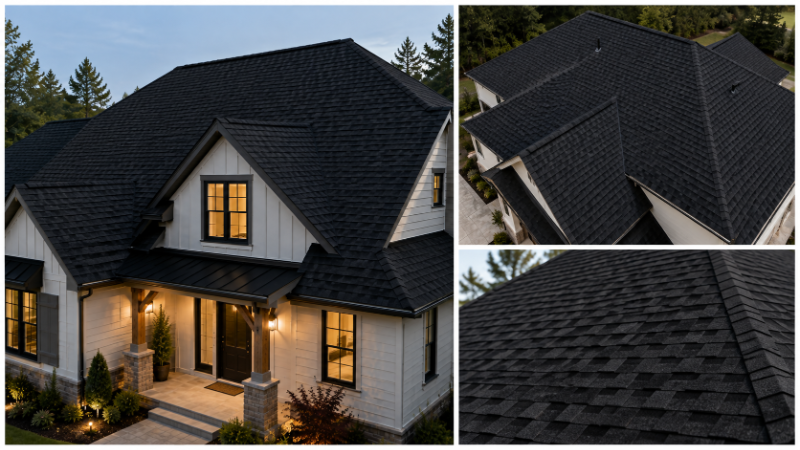
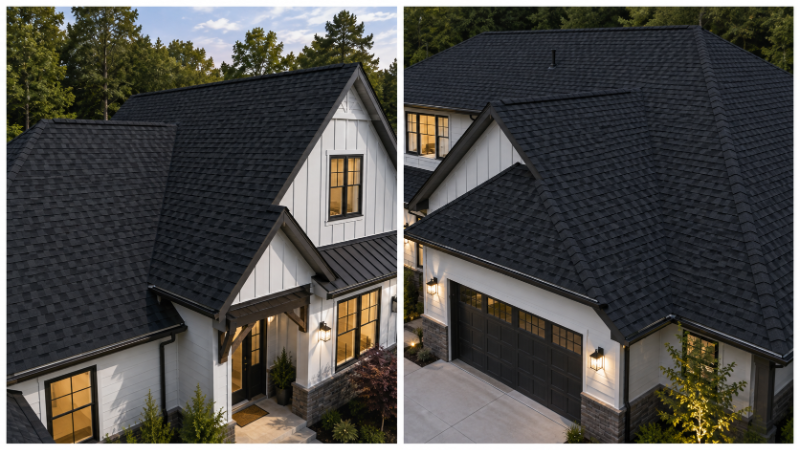
The midnight black color offers unmatched visual appeal for modern Indian architecture. Whether you're designing a contemporary villa in Bangalore, a commercial complex in Mumbai, or a residential project in Delhi, midnight black shingles create a sleek, premium appearance that adds significant curb appeal. This color works exceptionally well with various architectural styles, from minimalist contemporary designs to traditional homes with modern touches.
The color consistency of quality architectural shingles ensures that your roof maintains its appearance throughout the year, resisting fading even under India's intense UV exposure.
Thermal Performance
In India's hot climate, thermal performance is crucial. Midnight black shingles have a solar reflectance that helps reduce heat absorption compared to darker traditional materials. While black absorbs more heat than lighter colors, the polymer modification allows better heat dissipation, helping to keep interiors cooler and reducing air conditioning costs—an important consideration for projects in cities like Delhi and Hyderabad where summer temperatures often exceed 40°C.
Performance Characteristics and Durability
Weather Resistance
India's climate presents unique challenges for roofing materials. The country experiences:
Intense UV radiation, particularly in northern and central regions
Heavy monsoon rainfall, with some areas receiving over 2,000mm annually
Temperature fluctuations ranging from sub-zero in mountainous regions to over 45°C in plains
High humidity levels in coastal cities like Mumbai and Kolkata
Polymer modified architectural shingles are specifically engineered to handle these conditions. The polymer modification provides superior flexibility, preventing the brittleness that can occur in traditional asphalt shingles under extreme temperature variations. This flexibility is crucial in India, where monsoon rains can be followed by intense dry heat.
Lifespan and Warranty
Quality midnight black polymer modified architectural shingles typically offer a lifespan of 25-30 years under Indian climatic conditions, though some premium variants can last up to 40 years. Most manufacturers provide warranties ranging from 20 to 30 years, with some offering limited lifetime warranties.
The actual lifespan depends on several factors:
Quality of installation
Roof pitch and ventilation
Local climate conditions
Regular maintenance practices
Exposure to extreme weather events
Impact Resistance
The polymer modification provides enhanced impact resistance, making these shingles suitable for areas prone to hail storms or falling debris. In cities like Pune and parts of Maharashtra where hail storms occur during monsoon season, this feature provides added protection and peace of mind.
Installation Considerations for Indian Projects
Roof Preparation
Proper installation is critical to maximizing the performance of your midnight black architectural shingles. Before installation, ensure:
Structural integrity: The roof deck must be sound and capable of supporting the shingles' weight (typically 350-400 kg per square meter)
Proper slope: Minimum slope of 4:12 (approximately 18 degrees) is recommended for optimal water drainage
Ventilation: Adequate attic ventilation is essential to prevent heat buildup and moisture accumulation, particularly important in India's humid climate
Underlayment: A quality underlayment layer provides additional protection against water infiltration
Climate-Specific Installation Tips
Installation conditions vary significantly across India. In northern cities like Delhi and Chandigarh, winter installation is feasible, but in southern regions like Chennai and Bangalore, the hot climate requires careful timing. The polymer-modified adhesive strips on these shingles require adequate heat to activate properly, typically 15-25°C for optimal bonding.
During monsoon season (June-September), avoid installation in areas with heavy rainfall. The best installation windows are typically:
Northern India: March-May and September-October
Southern India: November-February
Coastal regions: Post-monsoon months (September-November)
Professional Installation Requirements
While DIY installation is technically possible, professional installation ensures warranty validity and optimal performance. Most manufacturers require certified installers for warranty coverage. The installation process involves:
Proper nailing patterns (4-6 nails per shingle, depending on wind resistance requirements)
Correct overlap measurements (typically 5-6 inches)
Proper flashing around penetrations, chimneys, and valleys
Ridge cap installation for weather-tight finishing
Cost Analysis and ROI in the Indian Market
Pricing Structure
In India, midnight black polymer modified architectural shingles typically cost between ₹400-800 per square meter, depending on:
Brand and manufacturer reputation
Quality grade and warranty period
Local availability and transportation costs
Installation complexity
Project size and location
For a typical 1,000 sq ft (approximately 93 sq meters) residential roof in Mumbai or Delhi, you can expect total material costs of ₹37,000-74,000, with installation adding another ₹15,000-30,000 depending on roof complexity.
Return on Investment
While premium architectural shingles represent a higher upfront investment compared to basic asphalt shingles, the long-term ROI is significant:
Durability: Extended lifespan (25-30 years) means fewer replacements over a building's lifetime
Energy efficiency: Reduced cooling costs, particularly beneficial in hot Indian cities
Property value: Premium roofing materials enhance property aesthetics and resale value
Maintenance: Lower maintenance requirements compared to traditional materials
Insurance: Some insurers offer discounts for impact-resistant roofing materials
Maintenance and Care Guidelines
Regular Maintenance Schedule
To maximize the lifespan of your midnight black architectural shingles, implement a regular maintenance schedule:
Annual inspection: Check for loose shingles, damaged granules, or signs of wear
Post-monsoon inspection: Particularly important in India, check for water infiltration and debris accumulation
Gutter cleaning: Keep gutters and downspouts clear to prevent water pooling
Tree maintenance: Trim overhanging branches to prevent debris accumulation and damage
Moss and algae control: In humid coastal areas, periodic cleaning prevents growth
Addressing Common Issues
Even with proper installation, you may encounter minor issues:
Granule loss: Some granule shedding is normal, but excessive loss indicates premature aging
Curling or buckling: Usually indicates moisture issues or inadequate ventilation
Algae stains: Common in humid regions, treatable with zinc-based treatments
Flashing leaks: Often the first point of failure, requiring professional repair
Environmental and Sustainability Considerations
Eco-Friendly Aspects
Modern polymer modified architectural shingles are increasingly manufactured with sustainability in mind. Many manufacturers now offer:
Recycled content in manufacturing
Cool roof technology to reduce urban heat island effect
Recyclable components at end-of-life
Lower VOC emissions during manufacturing
For environmentally conscious projects in India, look for shingles with certifications from recognized sustainability standards.
Comparing with Alternative Roofing Materials
Versus Traditional Asphalt Shingles
While traditional asphalt shingles are more affordable (₹200-400 per sq meter), polymer modified variants offer superior durability and weather resistance, making them more cost-effective over their lifespan in India's challenging climate.
Versus Metal Roofing
Metal roofing (₹600-1,200 per sq meter) offers excellent durability but can be noisier during rain and more expensive initially. Architectural shingles provide a more traditional aesthetic while maintaining superior performance.
Versus Tile Roofing
Traditional tile roofing (₹800-2,000 per sq meter) is popular in India but heavier and more expensive. Architectural shingles offer similar aesthetics with lighter weight and easier installation.
Selecting Quality Products and Suppliers
Key Quality Indicators
When choosing midnight black polymer modified architectural shingles, look for:
Certification: ISI certification or equivalent international standards
Warranty: Minimum 20-year warranty with clear coverage terms
Granule adhesion: High-quality granules that resist shedding
Flexibility: Shingles should bend without cracking at room temperature
Manufacturer reputation: Established companies with proven track records in India
Finding Reliable Installation Partners
Proper installation is as important as material quality. When sourcing installation services, consider using platforms like AECORD, which connects you with vetted AECO professionals. AECORD provides access to certified roofing contractors across major Indian cities who specialize in premium materials like midnight black architectural shingles.
Regional Considerations Across India
Coastal Regions (Mumbai, Kolkata, Chennai)
In coastal areas, salt spray and high humidity accelerate material degradation. Ensure your shingles have enhanced corrosion resistance and consider additional protective coatings.
Northern Plains (Delhi, Chandigarh, Lucknow)
Temperature extremes require excellent thermal cycling resistance. The polymer modification in these shingles handles the ₹temperature swings from below 0°C to over 45°C effectively.
Monsoon-Prone Areas (Mumbai, Pune, Bangalore)
Heavy rainfall demands superior water shedding properties. Ensure proper slope and ventilation, and consider additional underlayment protection.
Future Trends in Architectural Shingles
The roofing industry is evolving with innovations such as:
Enhanced solar reflectance for better thermal performance
Self-healing polymers that repair minor damage
Integrated IoT sensors for condition monitoring
Bio-based polymers for improved sustainability
Enhanced wind resistance ratings for storm-prone areas
Conclusion
Midnight black polymer modified architectural shingles represent an excellent choice for discerning builders and property owners across India. Their combination of aesthetic appeal, superior durability, weather resistance, and reasonable cost makes them ideal for residential and light commercial projects in diverse Indian climates.
Whether you're planning a project in Delhi, Mumbai, Bangalore, or any other Indian city, these shingles deliver long-term value and performance. The key to success lies in selecting quality products, ensuring professional installation, and maintaining regular maintenance schedules.
Ready to source quality roofing materials and find experienced installation professionals? Visit AECORD to connect with verified AECO professionals in your area. AECORD's B2B2C marketplace makes it easy to find suppliers, contractors, and specialists who understand the specific requirements of Indian construction projects. Browse through detailed profiles, compare quotes, and make informed decisions with AECORD's comprehensive platform designed specifically for architecture, engineering, construction, and operations professionals.
Make your next roofing project a success with the right materials, the right team, and the right platform—AECORD is here to help you every step of the way.
Frequently Asked Questions
What are polymer modified architectural shingles made of?
Polymer modified architectural shingles combine asphalt with polymers (typically SBS or APP) along with a fiberglass mat, mineral granules, and self-adhesive backing. This composition creates a more flexible and durable roofing material that better resists thermal cracking, weathering, and UV degradation compared to standard asphalt shingles.
Why are midnight black shingles good for Indian climate?
Midnight black polymer modified shingles are ideal for India's diverse climate because they resist thermal cracking, monsoon rainfall, intense UV radiation, and extreme temperature fluctuations. The polymer modification allows better heat dissipation, helping reduce cooling costs in hot climates while maintaining color consistency year-round.
Do black shingles make buildings hotter in India?
While black absorbs more heat than lighter colors, polymer modified black shingles have enhanced solar reflectance and heat dissipation properties that help reduce heat absorption compared to traditional darker materials. This makes them more thermally efficient for India's hot climate, particularly in cities experiencing temperatures above 40°C.
How long do polymer modified architectural shingles last?
Polymer modified architectural shingles offer superior durability compared to standard asphalt shingles due to their enhanced resistance to thermal cracking, UV degradation, and weathering. Their extended lifespan makes them a cost-effective long-term investment for both commercial and residential projects in India.
What architectural styles work best with midnight black shingles?
Midnight black shingles complement various architectural styles, from minimalist contemporary designs to traditional homes with modern touches. They create a sleek, premium appearance that adds significant curb appeal to contemporary villas, commercial complexes, and residential projects across Indian cities.