

Understanding Heather Polymer Modified Architectural Shingles: A Comprehensive Guide for Indian Construction Professionals
Architectural shingles have become increasingly popular in India's construction industry, particularly among homeowners and commercial property developers seeking durable, aesthetically appealing roofing solutions. Among the various options available, heather polymer modified architectural shingles represent a premium choice that combines visual appeal with exceptional performance characteristics. This comprehensive guide explores everything you need to know about these shingles, their benefits, installation requirements, and why they're gaining traction across Indian cities like Bangalore, Mumbai, Pune, and Hyderabad.
Build cost · Bengaluru, May 2026
What Are Heather Polymer Modified Architectural Shingles?
Composition and Manufacturing
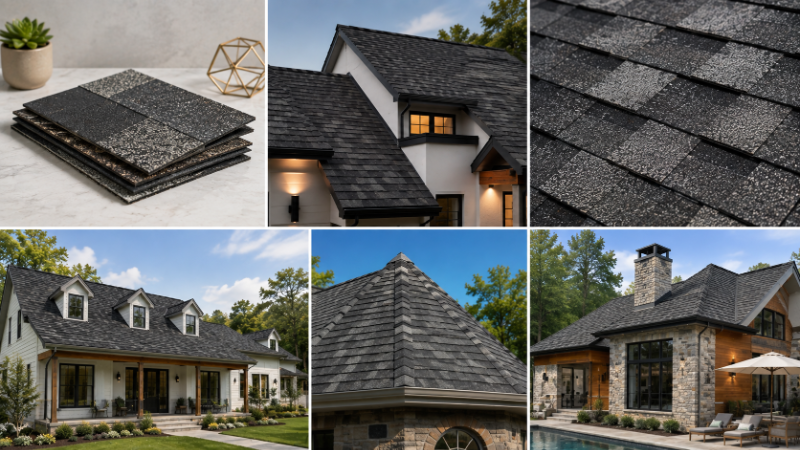
Heather polymer modified architectural shingles are engineered roofing materials designed to deliver superior performance and aesthetic value. These shingles feature a fiberglass base mat coated with asphalt that has been modified with polymer compounds—typically styrene-butadiene-styrene (SBS) or atactic polypropylene (APP). The polymer modification significantly enhances the shingle's flexibility, durability, and weather resistance compared to standard asphalt shingles.
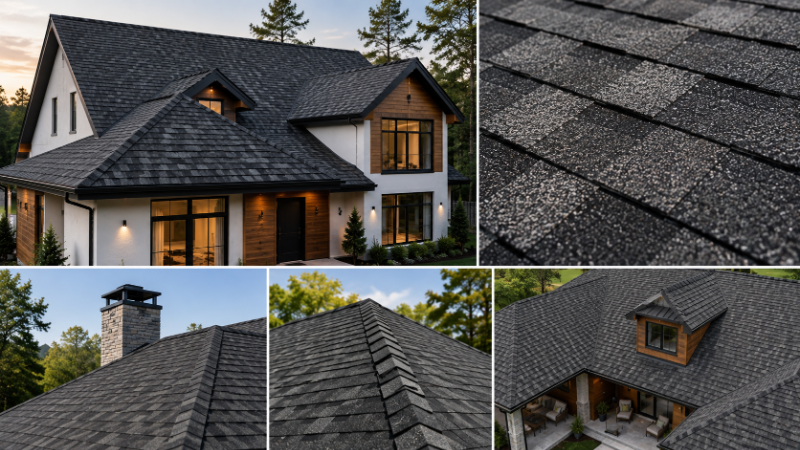
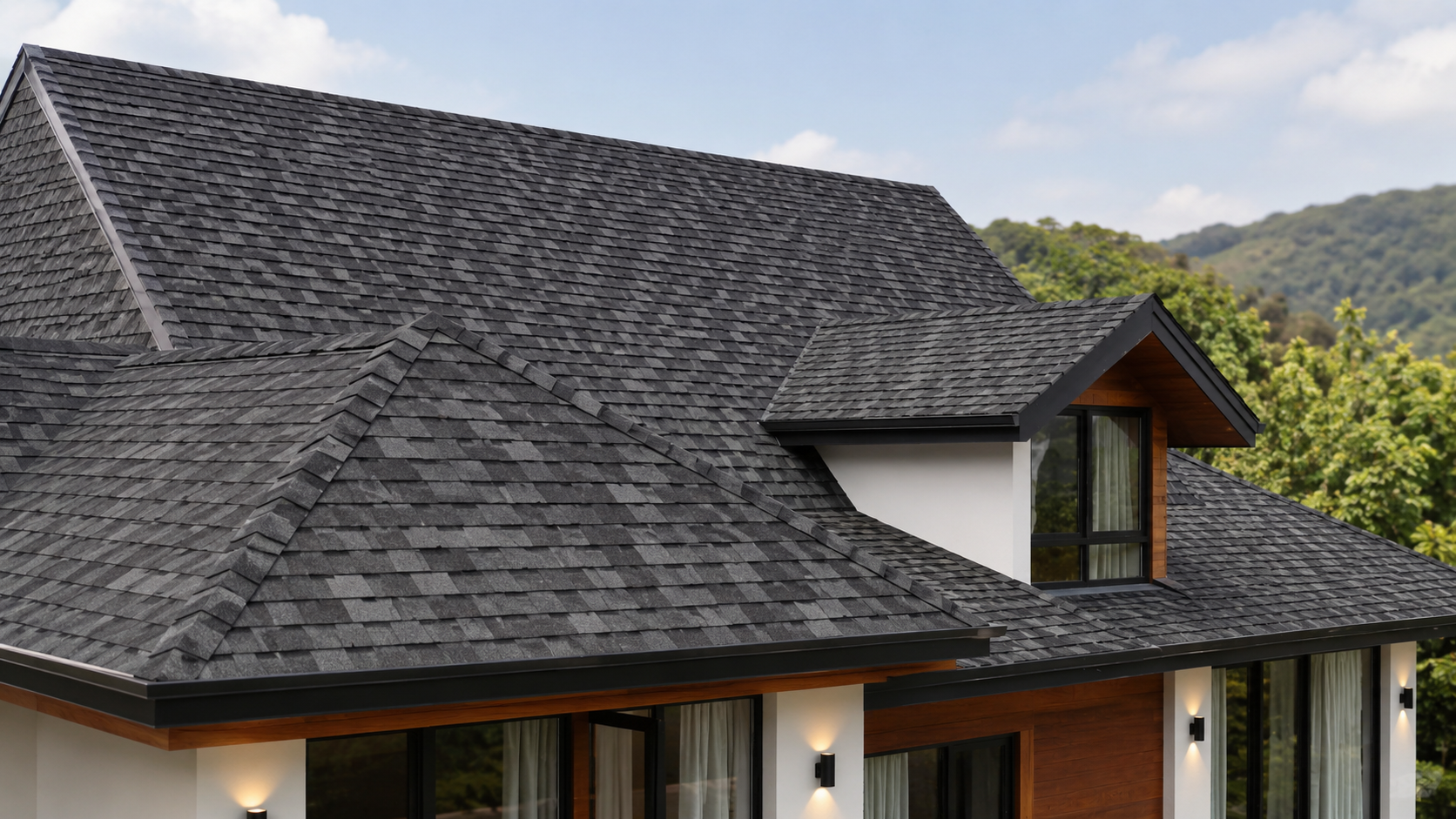
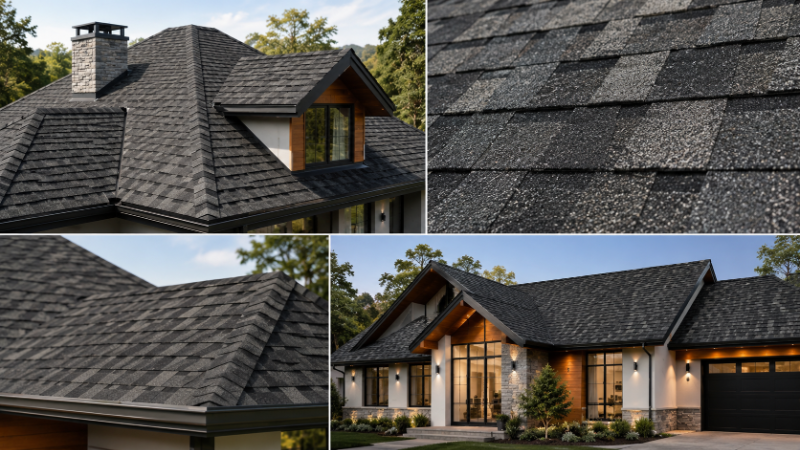
The "heather" designation refers to the color palette—a sophisticated blend of gray, brown, and charcoal tones that create depth and visual interest on the roof. This color combination has proven particularly popular in India's diverse architectural landscape, complementing both traditional and contemporary building designs.
Key Structural Features
Heather polymer modified architectural shingles typically measure approximately 1,220mm x 340mm and feature a multi-layer construction that includes:
Fiberglass base mat: Provides structural integrity and dimensional stability
Asphalt layer: Offers waterproofing and weather protection
Polymer modification: Enhances flexibility and temperature resistance
Mineral granules: Protect against UV radiation and provide aesthetic appeal
Self-sealing adhesive strips: Ensure secure fastening and prevent wind uplift
Frequently asked
Performance Advantages in Indian Climate Conditions
Weather Resistance
India's diverse climate zones present unique challenges for roofing materials. Heather polymer modified architectural shingles excel in these conditions due to their enhanced polymer composition. The polymer modification provides superior resistance to:
Thermal stress: Indian summers with temperatures exceeding 45°C can cause standard shingles to deteriorate rapidly. Polymer modification allows these shingles to expand and contract without cracking or warping
Monsoon moisture: The heavy rainfall during monsoon seasons (June-September in most regions) demands exceptional waterproofing, which the asphalt layer combined with proper installation provides
UV degradation: The mineral granules and polymer composition resist fading and brittleness from intense sun exposure
Wind damage: Self-sealing adhesives and dimensional stability help these shingles withstand strong winds, particularly important in coastal cities like Mumbai and Chennai
Longevity and Durability
Quality heather polymer modified architectural shingles typically offer a lifespan of 25-30 years under Indian climate conditions, compared to 15-20 years for standard asphalt shingles. This extended durability translates to better long-term value for property owners, despite higher initial investment costs ranging from ₹800-1,200 per square meter, compared to ₹400-600 for standard shingles.
Aesthetic and Design Considerations
Color and Visual Appeal
The heather color palette offers versatility that appeals to diverse architectural preferences across India. The multi-tonal appearance creates a sophisticated look that:
Complements both modern minimalist designs and traditional Indian architecture
Provides visual depth that single-color roofs cannot achieve
Hides dirt, dust, and weathering better than lighter colored shingles
Maintains appearance longer due to resistance to fading and discoloration
Architectural Integration
When planning a roofing project, consider how heather shingles integrate with your building's overall design. The neutral color palette works well with:
Cream and beige exterior walls
Terracotta and earth-toned facades
Gray and charcoal architectural elements
Natural stone and brick features
Whether you're renovating a colonial-era bungalow in Bangalore or constructing a contemporary villa in Pune, heather polymer modified shingles provide aesthetic flexibility that enhances property value and curb appeal.
Installation Requirements and Best Practices
Substrate Preparation
Proper installation begins with thorough substrate preparation. The roof deck must be:
Structurally sound and capable of supporting the shingle weight (approximately 40-45 kg per 10 square meters)
Clean, dry, and free from debris, moss, and algae growth
Properly sloped for water drainage (minimum 4:12 pitch recommended for optimal performance)
Protected with an appropriate underlayment, particularly important in India's monsoon regions
Underlayment Selection
In Indian climates, selecting appropriate underlayment is crucial. Options include:
Synthetic underlayment: Provides superior moisture resistance and durability, ideal for monsoon-prone regions
Felt paper: Traditional but less effective in high-moisture conditions
Self-adhesive underlayment: Offers enhanced water protection, recommended for coastal areas
Fastening and Spacing
Proper fastening ensures shingles withstand wind and weather stress. Installation guidelines specify:
Four to six nails per shingle, positioned above the seal strip
Nail spacing of 25-30mm from shingle edges
Staggered nailing pattern to prevent water infiltration
Nails driven perpendicular to the roof surface without over-driving, which can damage the shingle
For projects in high-wind areas or coastal regions, additional fastening or adhesive strips may be necessary. Consulting with experienced roofing contractors on AECORD can help determine specific requirements for your location.
Cost Analysis and Return on Investment
Initial Investment Breakdown
For a typical 1,000 square meter residential roof in major Indian cities, heather polymer modified architectural shingles typically cost:
Material cost: ₹8,00,000 - ₹12,00,000
Labor cost: ₹3,00,000 - ₹5,00,000 (varies by region and complexity)
Underlayment and accessories: ₹1,50,000 - ₹2,50,000
Total estimated cost: ₹12,50,000 - ₹19,50,000
Long-term Value Proposition
While initial costs exceed standard asphalt shingles by 50-100%, the extended lifespan and reduced maintenance requirements provide significant long-term savings:
Maintenance reduction: Polymer-modified shingles resist moss and algae growth, reducing cleaning frequency and costs
Energy efficiency: Light-colored granules reflect solar radiation, potentially reducing cooling costs by 5-10%
Property value enhancement: Quality roofing materials typically increase property resale value by 3-5%
Insurance benefits: Many insurers offer premium discounts for high-quality roofing materials
Maintenance and Care Guidelines
Regular Inspection Schedule
Protect your investment through regular maintenance:
Bi-annual inspections: Check before and after monsoon season for damage, loose shingles, or debris accumulation
Post-storm assessment: Inspect for wind damage, missing shingles, or granule loss after severe weather
Gutter maintenance: Clean gutters regularly to prevent water backup and damage
Cleaning and Treatment
Maintain shingle appearance and longevity through appropriate cleaning:
Use low-pressure water spray (avoid high-pressure cleaning that can damage granules)
Remove moss and algae using specialized treatments designed for asphalt shingles
Clear debris such as leaves and branches that can trap moisture
Address any standing water issues that indicate drainage problems
Repair and Replacement
Individual shingles can be replaced without replacing the entire roof. When damage occurs:
Replace damaged shingles promptly to prevent water infiltration
Ensure replacement shingles match the original color and style
Use compatible adhesive and fastening materials
Regulatory Compliance and Standards
Indian Building Codes
Heather polymer modified architectural shingles must comply with relevant Indian standards:
IS 1533:2009: Specifies requirements for asphalt shingles used in roofing
IS 456:2000: Provides general building code requirements including roof design loads
Local building regulations: Vary by state and municipality, particularly regarding fire ratings and wind resistance
Fire and Wind Ratings
Quality heather polymer modified shingles typically achieve:
Fire rating: Class A (highest rating) in most cases
Wind resistance: 130+ mph (210+ km/h) rating, suitable for all Indian climatic zones
Impact resistance: Class 4 impact rating (hail resistance)
Selecting and Sourcing Quality Materials
Identifying Reputable Manufacturers
When sourcing heather polymer modified architectural shingles, prioritize manufacturers offering:
Comprehensive warranties (25-30 year coverage)
Third-party certifications and testing reports
Established presence in Indian markets with local support
Documentation of compliance with IS standards
Working with Professional Contractors
Installation quality significantly impacts shingle performance. When selecting contractors, ensure they have:
Manufacturer certification for installing these specific shingles
Experience with Indian climate conditions and regional variations
References from completed projects in your area
Proper insurance and warranty coverage
AECORD connects you with vetted roofing professionals across India who specialize in premium architectural shingles and understand local climate requirements.
Comparing Alternatives and Making the Right Choice
Heather Polymer Modified vs. Standard Asphalt Shingles
Polymer-modified shingles offer superior performance but at higher cost. Standard shingles suit budget-conscious projects with shorter expected lifespans.
Heather Polymer Modified vs. Metal Roofing
Metal roofing offers exceptional durability but provides different aesthetic qualities and can be noisier during rainfall. Heather shingles provide a traditional appearance with modern durability.
Heather Polymer Modified vs. Tile Roofing
Traditional tile roofing offers excellent longevity but requires stronger structural support and carries higher installation costs. Heather shingles provide a lighter-weight alternative with comparable durability.
Conclusion: Making Your Roofing Investment Count
Heather polymer modified architectural shingles represent a smart investment for Indian property owners seeking durability, aesthetic appeal, and long-term value. Their superior performance in India's diverse climate conditions, combined with sophisticated design options and reasonable maintenance requirements, makes them an excellent choice for residential and light commercial applications.
Whether you're planning a new construction project in Bangalore, renovating a property in Mumbai, or upgrading your roof in Hyderabad, understanding these shingles' characteristics, installation requirements, and maintenance needs ensures you make informed decisions that protect your investment for decades.
Ready to move forward with your roofing project? Connect with experienced roofing professionals on AECORD who specialize in heather polymer modified architectural shingles and understand the specific requirements of your region. Browse our marketplace of vetted contractors, compare quotes, and find the right team to bring your roofing vision to life with quality materials and expert installation.