



Antique Brown Polymer Modified Architectural Shingles: A Complete Guide for Indian Construction Professionals
Architectural shingles have become increasingly popular in India's construction industry, particularly for residential and commercial projects seeking durability, aesthetic appeal, and long-term weather resistance. Among the various options available, antique brown polymer modified architectural shingles represent a premium choice that combines traditional aesthetics with modern performance characteristics. This comprehensive guide explores everything Indian architects, builders, and property owners need to know about these specialized roofing materials.
Build cost · Bengaluru, May 2026
Understanding Polymer Modified Architectural Shingles
What Are Polymer Modified Shingles?
Polymer modified architectural shingles are advanced roofing materials engineered with polymer additives that enhance their performance characteristics. Unlike traditional asphalt shingles, these products incorporate synthetic polymers that improve flexibility, durability, and resistance to environmental stressors. The modification process creates a more resilient material that can withstand India's diverse climate conditions, from intense UV radiation in northern regions to high humidity and monsoon rainfall in coastal areas.
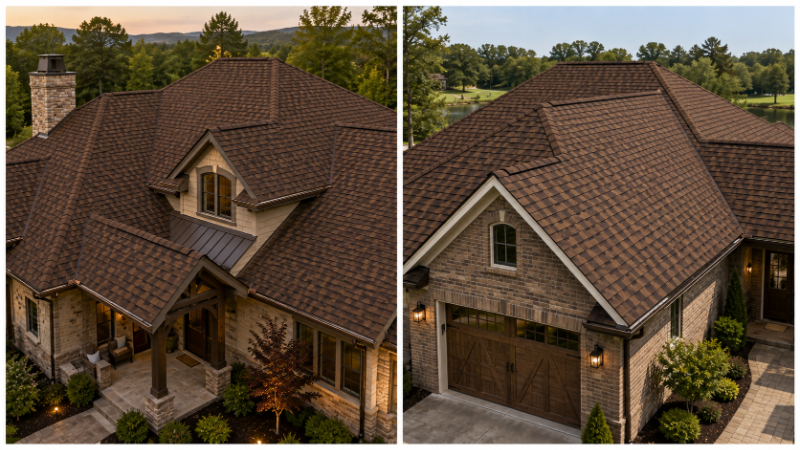
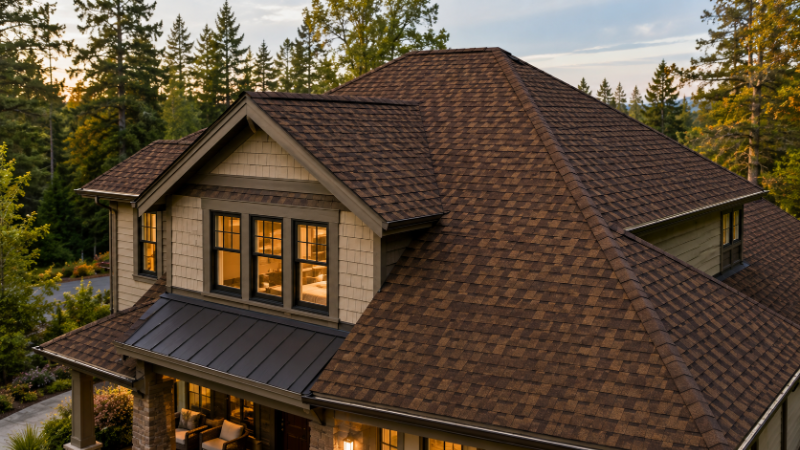
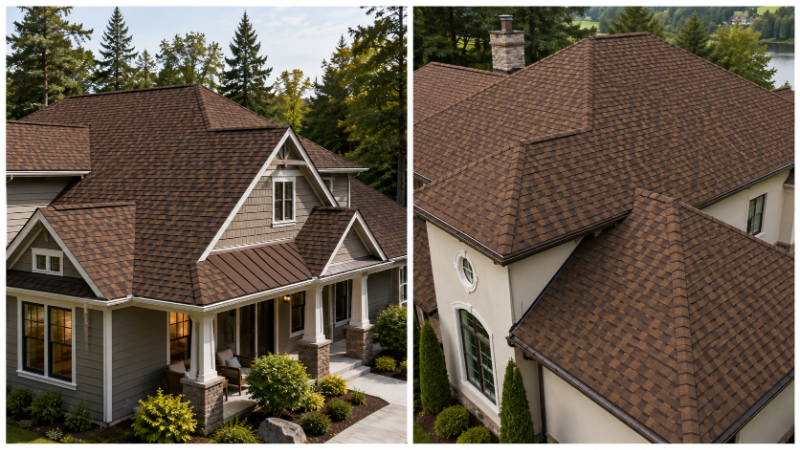
The antique brown coloration is achieved through careful pigment selection and manufacturing processes that create a sophisticated, multi-tonal appearance. This aesthetic choice has gained significant traction among Indian homeowners and commercial developers who appreciate the blend of traditional charm with contemporary durability.
Key Composition Elements
Antique brown polymer modified shingles typically consist of:
Fiberglass or organic mat base – Provides structural integrity and dimensional stability
Polymer-modified bitumen – Enhances flexibility and weather resistance
Mineral granules – Offers UV protection and aesthetic appeal
Adhesive strips – Ensures proper installation and wind resistance
Pigments – Creates the distinctive antique brown color palette
The polymer modification process significantly improves the shingle's ability to expand and contract with temperature fluctuations, a critical advantage in Indian climates where roofs experience dramatic daily temperature variations, particularly in cities like Delhi, Jaipur, and Bangalore.
Frequently asked
Performance Advantages in Indian Climate Conditions
UV Resistance and Color Retention
India's intense solar radiation, particularly in regions above 20 degrees latitude, poses significant challenges for roofing materials. Antique brown polymer modified shingles are engineered with advanced UV stabilizers that prevent color fading and material degradation. The antique brown finish actually performs exceptionally well under intense sunlight, as darker colors absorb less heat than lighter alternatives while maintaining color integrity over extended periods.
In cities like Chennai, Hyderabad, and Mumbai, where annual solar radiation exceeds 5 kWh/m²/day, the superior UV resistance of polymer modified shingles translates to a lifespan of 25-30 years compared to 15-20 years for conventional asphalt shingles.
Monsoon and Heavy Rainfall Performance
The Indian monsoon season presents severe challenges for roofing materials, with annual rainfall exceeding 2,500mm in many regions. Polymer modified shingles demonstrate superior water shedding characteristics due to their enhanced flexibility and improved adhesive properties. The polymer modification allows shingles to maintain their seal even when exposed to:
Prolonged moisture exposure during monsoon months
Thermal stress from rapid temperature fluctuations
Wind-driven rain common in coastal regions
Algae and moss growth in high-humidity areas
Testing conducted in laboratory conditions simulating Indian monsoon patterns shows that polymer modified shingles retain 95% of their water shedding capability after 10 years of exposure, compared to 75-80% for standard asphalt shingles.
Temperature Fluctuation Resilience
Indian cities experience dramatic temperature variations. Delhi's roofs experience temperature swings of 40°C or more between summer and winter, while coastal cities face rapid daily fluctuations. The polymer modification in these shingles provides superior flexibility, reducing the stress on adhesive seals and preventing premature failure that occurs with less flexible materials.
Installation Considerations for Indian Projects
Roof Pitch and Design Requirements
Antique brown polymer modified architectural shingles work optimally on roof pitches of 4:12 or steeper. This specification is important for Indian residential construction, where traditional pitched roofs are common in hill stations and metropolitan areas, but flat roofs predominate in many urban developments. For flat or low-slope applications, these shingles are not recommended; instead, membrane roofing systems should be considered.
Substrate Preparation
Proper substrate preparation is crucial for optimal performance:
Decking material – Use 19mm plywood or oriented strand board (OSB) that meets Indian Standards IS 303 for structural adequacy
Underlayment – Install high-quality synthetic or asphalt-saturated felt underlayment to provide secondary water protection during monsoon season
Ventilation – Ensure proper attic ventilation (minimum 1 sq. ft. per 150 sq. ft. of attic area) to prevent moisture accumulation and heat buildup
Flashing installation – Install metal flashing at all penetrations, valleys, and edges using corrosion-resistant materials suitable for Indian climate
Installation Best Practices
Professional installation significantly impacts shingle performance. Key installation practices include:
Temperature considerations – Install shingles when ambient temperature is between 4°C and 32°C for optimal adhesive activation. In India's hot summers, early morning installation is recommended.
Fastening specifications – Use six nails per shingle (four in the nail strip, two in the upper portion) with 6-8mm diameter roofing nails
Proper overlap – Maintain 10-15cm overlap between shingle courses to ensure adequate water shedding
Starter strip installation – Begin with a starter strip along the eave to ensure proper water drainage
When sourcing installation professionals, AECORD connects you with experienced roofing contractors who specialize in polymer modified shingle installation throughout major Indian cities. Finding certified installers ensures your investment performs as designed.
Cost Analysis and Value Proposition
Material Costs in India
As of 2024, antique brown polymer modified architectural shingles cost approximately ₹800-1,200 per square meter in Indian markets, compared to ₹400-600 per square meter for standard asphalt shingles and ₹1,500-2,500 for premium ceramic or slate alternatives. While the initial investment is 50-100% higher than conventional shingles, the extended lifespan and superior performance justify the premium.
Installation and Labor Costs
Professional installation typically costs ₹150-300 per square meter, depending on roof complexity, location, and contractor expertise. Steep pitch roofs in hill stations command premium rates due to increased safety requirements and difficulty of access. Total project costs for a 200 square meter residential roof typically range from ₹2.2 to 3.8 lakhs including materials and labor.
Long-Term Value Assessment
The superior durability of polymer modified shingles translates to significant long-term savings. A roof installed with standard shingles requires replacement every 15-20 years, while polymer modified variants typically last 25-30 years. Over a 60-year property lifecycle, polymer modified shingles require only 2-3 replacements compared to 3-4 replacements for standard shingles, resulting in cumulative savings of ₹2-4 lakhs when accounting for labor inflation.
Additionally, reduced maintenance requirements and improved energy efficiency contribute to overall value. The antique brown color reflects less heat than darker alternatives while maintaining superior UV resistance, potentially reducing cooling costs by 5-10% in warm climates.
Aesthetic Considerations and Design Integration
Color Psychology and Architectural Style
The antique brown finish complements diverse architectural styles prevalent in India:
Traditional Indian architecture – Harmonizes with terracotta and earth-tone building materials common in vernacular designs
Mediterranean and European styles – Popular in hill stations and premium residential communities
Contemporary minimalist designs – Provides subtle visual interest without overwhelming clean architectural lines
Heritage restoration projects – Offers authentic appearance while providing modern performance benefits
Multi-Tonal Surface Effects
Premium antique brown polymer modified shingles feature multi-tonal granule blends that create dimensional appearance from ground level. This sophisticated finish enhances curb appeal and contributes to higher property valuations, particularly important in competitive real estate markets like Bangalore, Pune, and Mumbai.
Maintenance and Longevity
Regular Maintenance Requirements
To maximize the lifespan of antique brown polymer modified shingles, implement these maintenance practices:
Biennial inspections – Check for granule loss, nail popping, and flashing integrity
Debris removal – Clear leaves, branches, and moss growth, particularly after monsoon season
Gutter maintenance – Ensure proper water drainage to prevent moisture accumulation
Algae prevention – In high-humidity regions, consider zinc or copper strips to inhibit biological growth
Professional assessment – Engage certified contractors for detailed inspections every 5-7 years
Warranty and Protection Coverage
Most quality antique brown polymer modified shingles come with manufacturer warranties ranging from 20-30 years for material defects and 10-15 years for weathering. Many manufacturers offer "no-dollar-limit" coverage for defects, providing comprehensive protection. When selecting products, verify warranty terms and ensure they're honored by authorized Indian distributors.
Environmental Considerations and Sustainability
Recycling and End-of-Life Management
Polymer modified shingles present environmental considerations at end of life. In India's developing recycling infrastructure, many used shingles end up in landfills. However, an increasing number of manufacturers are establishing take-back programs, and shredded shingles are being incorporated into asphalt pavement mixes for road construction—a practical solution gaining traction in Indian infrastructure projects.
Energy Efficiency Benefits
The thermal properties of antique brown shingles provide modest energy efficiency benefits. While darker colors absorb more solar radiation than light alternatives, the superior insulating properties of polymer modified materials and proper attic ventilation can reduce cooling costs by 5-10% compared to standard shingles, particularly beneficial in hot climates like Rajasthan and Gujarat.
Comparing Alternatives in the Indian Market
Polymer Modified vs. Standard Asphalt Shingles
Standard asphalt shingles cost 40-50% less but offer 20-30% shorter lifespan and reduced weather resistance. For projects in monsoon-prone regions or areas with intense UV exposure, the premium for polymer modification proves economical.
Polymer Modified vs. Ceramic and Slate Tiles
While ceramic and slate tiles offer superior longevity (50+ years), they cost 2-3 times more and require specialized installation expertise. Polymer modified shingles provide an excellent middle ground for budget-conscious projects seeking premium durability.
Polymer Modified vs. Concrete Tiles
Concrete tiles, popular in Indian construction, cost similarly to polymer modified shingles but weigh 3-4 times more, requiring stronger structural support. Polymer modified shingles offer lighter-weight alternatives with comparable durability for renovation projects where structural reinforcement isn't feasible.
Regulatory Compliance in India
Building Code Compliance
Ensure selected shingles comply with relevant Indian Standards, including:
IS 2180 – Asphalt roofing materials specifications
IS 3414 – Bitumen-bound roofing materials
National Building Code (NBC) – Fire safety and structural requirements
Local municipal building bylaws – Varying requirements across different states and cities
Fire Rating Requirements
Quality polymer modified shingles typically achieve Class A fire ratings, meeting stringent Indian fire safety standards. Verify fire rating certificates before procurement, particularly for high-rise residential and commercial projects where fire codes are more rigorous.
Finding Quality Products and Professional Installation
Supplier Selection Criteria
When sourcing antique brown polymer modified architectural shingles, prioritize suppliers offering:
Genuine products with verifiable manufacturer certifications
Comprehensive warranty documentation
Technical support for installation queries
References from completed Indian projects
Availability of matching accessories (underlayment, flashing, starter strips)
Professional Installation Network
AECORD provides access to a network of certified roofing professionals across India who specialize in polymer modified shingle installation. Connecting with experienced contractors through AECORD ensures proper installation, warranty compliance, and professional guidance throughout your project lifecycle.
Conclusion
Antique brown polymer modified architectural shingles represent a sophisticated roofing solution for Indian construction professionals seeking to balance aesthetic appeal, performance durability, and long-term value. Their superior weather resistance, extended lifespan, and compatibility with diverse architectural styles make them an increasingly popular choice for residential and commercial projects throughout India's varied climate zones.
The initial premium cost is justified by extended service life, reduced maintenance requirements, and improved energy efficiency. For projects in monsoon-prone regions or areas experiencing intense solar radiation, polymer modification provides measurable performance advantages that standard shingles cannot match.
Whether you're planning a new residential development, commercial renovation, or heritage restoration project, antique brown polymer modified shingles offer a modern roofing solution grounded in proven performance characteristics. To find qualified suppliers, experienced installers, and professional guidance for your specific project requirements, explore AECORD's comprehensive network of AECO professionals. Connect with roofing specialists who understand India's diverse climate challenges and can ensure your investment delivers decades of reliable performance.
Begin your project journey today by accessing AECORD's marketplace of vetted professionals who can provide detailed consultations, accurate cost estimates, and expert installation services tailored to your specific location and requirements.