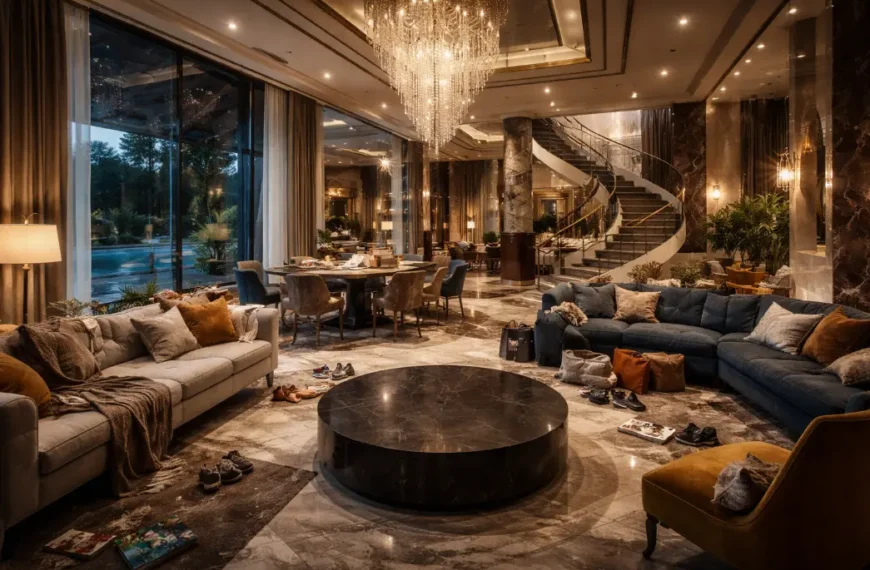
Discover how thoughtful design can transform your home into a sanctuary of calm and comfort. By understanding the psychology behind interior spaces, you can create a living space that not only looks beautiful but also enhances your well-being. Let’s explore how to design your home with intention, creating an environment that supports your mental and physical health.
The Psychology of Interior Design

“Image generated using Sora (ChatGPT).”
The psychology of space examines how the arrangement and design of interior environments affect our emotions and behaviors interior designers use these principles to create a space that promotes calmness and well-being. By understanding how spatial arrangements influence our perceptions, we can create a sense of comfort and belonging in our homes. The power of interior design extends far beyond aesthetics; it directly influences our mental well-being and physical health. Thoughtful design choices can reduce stress, evoke positive emotions and promote relaxation. Interior design that prioritizes comfort and well-being contributes to a healthier and happier lifestyle, transforming houses into homes. Home design significantly affects your mood by influencing your emotional response to the environment. Different design elements, such as color, texture and light, can either uplift or dampen your spirits.
Elements of Interior Design
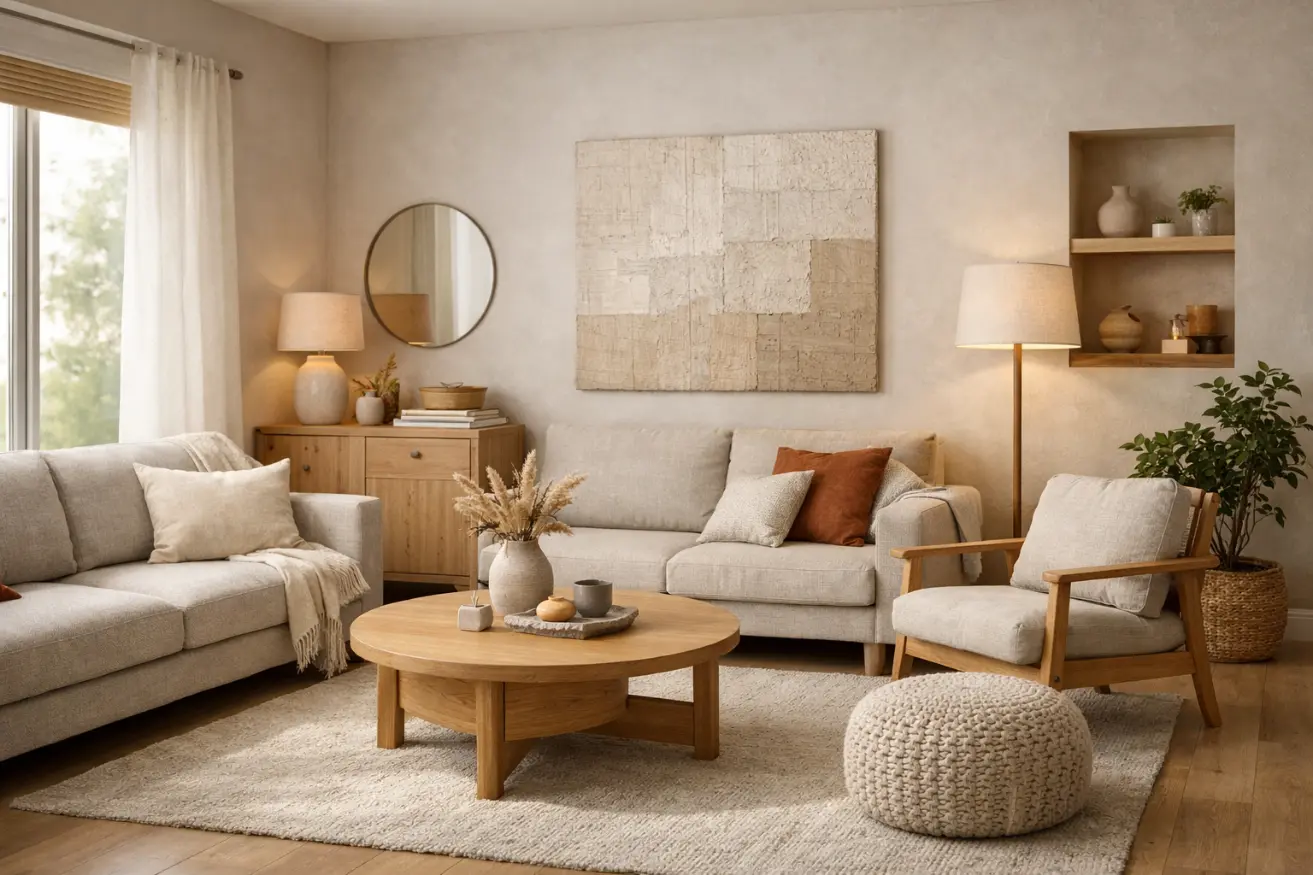
“Image generated using Sora (ChatGPT).”
Color psychology plays a crucial role in home design, as each hue can evoke different emotional responses a carefully chosen color palette can foster calmness, enhance productivity or create a cosy atmosphere. By understanding how colors affect our emotions, you can make informed design choices that support your desired mood. Incorporating natural light is essential for comfort and well-being, as it directly impacts our circadian rhythms and physical health. Maximizing natural light can boost productivity, reduce stress and improve overall mood. Designing spaces to harness natural light creates a brighter, more inviting home, promoting both relaxation and vitality. Textures in interior design can elevate mood and productivity by adding depth and interest to a space. Natural materials, such as wood and stone, bring a sense of warmth and connection to natural elements, while soft textiles enhance comfort.
Biophilic Design and Its Benefits

“Image generated using Sora (ChatGPT).”
Bring the outdoors in with biophilic design, an approach that incorporates natural elements into living spaces by integrating indoor plants, natural light and natural materials, you create a space that mimics nature, fostering a sense of belonging. This interior design strategy not only enhances aesthetics but also promotes calmness and mental well-being. To make a space feel calm and inviting, consider incorporating elements like water features or serene artwork. Optimize natural light and use a soft, calming color palette to evoke relaxation. These design elements work together to create a space where you can reduce stress and recharge, significantly enhancing your comfort and well-being. Biophilic design profoundly impacts mental well-being by reducing stress and improving mood. Exposure to natural elements helps regulate circadian rhythms, promoting better sleep and increased productivity.
Spatial Considerations in Home Design

“Image generated using Sora (ChatGPT).”
Optimizing spatial arrangements is vital for both relaxation and productivity interior designers consider traffic flow, furniture placement and the overall organization of your living spaces to ensure that each area serves its purpose effectively. Thoughtful design of interior space promotes a sense of comfort and well-being. The spatial arrangement of your home greatly influences your sense of comfort and well-being. Open, uncluttered spaces can evoke feelings of calmness and freedom, while cozy nooks provide a sense of comfort and security. Interior space and arrangement that balances openness and intimacy can significantly affect your mood. Home design that prioritizes physical health includes ergonomic furniture, which supports your posture. Good ventilation and natural light, which support your respiratory health and circadian rhythms.
Conclusion:
Interior design psychology creates emotional sanctuaries through color moods, circadian light, biophilic nature and ergonomic spaces. AECORD connects you with experts delivering these transformative, well-being-focused home designs that enhance mental clarity and daily life. Thoughtful spatial flow balances productivity with relaxation, while natural textures and ventilation support physical health. Every element from calming palettes to nature-inspired layouts fosters lasting harmony. Partner with AECORD to turn houses into personalized havens of health and happiness.